
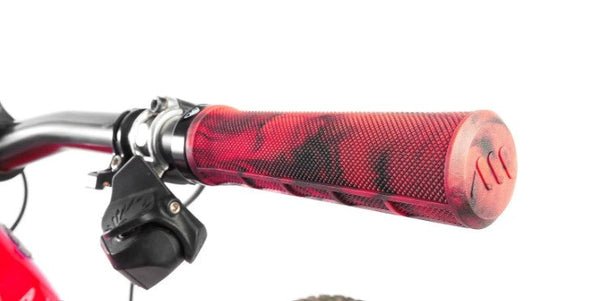
Imagine this: You’re cruising down a rugged trail, the wind in your hair, feeling alive and free. But suddenly, your hands start to slip, and that exhilarating ride becomes a struggle.
This is where the right mountain bike grips come into play. Choosing the perfect grips can transform your biking experience from good to incredible. They are the unsung heroes that provide comfort, control, and confidence. So, how do you pick the ones that best fit your needs?
In this guide, you’ll discover the secrets to choosing mountain bike grips that will elevate your rides and keep your hands happy. Whether you’re a beginner or an experienced rider, finding the right grips is crucial, and this article will show you how. Keep reading to ensure your next ride is the best one yet!
Types Of Mountain Bike Grips
Lock-On grips are easy to install. They have a metal clamp. This clamp keeps them secure on the handlebar. These grips do not slip. They are perfect for rough trails. Riders love their firmness. It helps in controlling the bike better. They come in various designs and colors. Choose one that fits your style.
Slip-On grips are simple to use. Made from rubber or foam, they slide onto handlebars. They are lightweight and soft. Some riders find them comfortable. They may slip if not fitted properly. They are cost-effective. These grips can be a good choice for beginners.
Ergonomic grips are designed for comfort. They support the hand shape. Riders with hand pain prefer them. These grips can reduce fatigue on long rides. They offer excellent grip and control. Many have special padding for extra comfort. They are ideal for long journeys.
Material Choices
Rubber grips are popular for their durability. They offer a good grip in wet conditions. Many riders prefer them for their comfortand longevity. Rubber grips are also easy to clean. They come in various texturesand patterns. Some have extra padding for shock absorption.
Foam grips are lightweightand soft. They provide excellent cushioningfor long rides. Foam is great for absorbing vibrationsand shocks. Riders with sensitive hands often choose them. Foam grips can wear out faster than rubber. They are also less durable in harsh weather.
Silicone grips offer a softand tackyfeel. They are known for their gripeven in wet conditions. Silicone is also resistant to UV raysand weather. These grips are easy to install and remove. They often provide a comfortableride. Many bikers appreciate their long-lastingnature.
Grip Size And Diameter
Finding the right grip size and diameter enhances comfort and control on mountain bike rides. Choose grips that fit your hand size for better handling. Consider the thickness to suit your preference and riding style.
Standard Sizes
Mountain bike grips come in different sizes. Standard sizes fit most hands. These grips are usually between 30mm to 32mm in diameter. They provide a good balance of comfort and control. For most riders, these sizes work well. Ensure your grips fit your handlebars.
Custom Sizes
Some riders prefer custom sizes for better comfort. Custom grips can be thicker or thinner. Thicker grips are better for bigger hands. Thinner grips suit smaller hands. Custom grips may also have different textures. They can improve grip and reduce slip. Choose what feels best for you.
Credit: gearjunkie.com
Grip Texture And Pattern
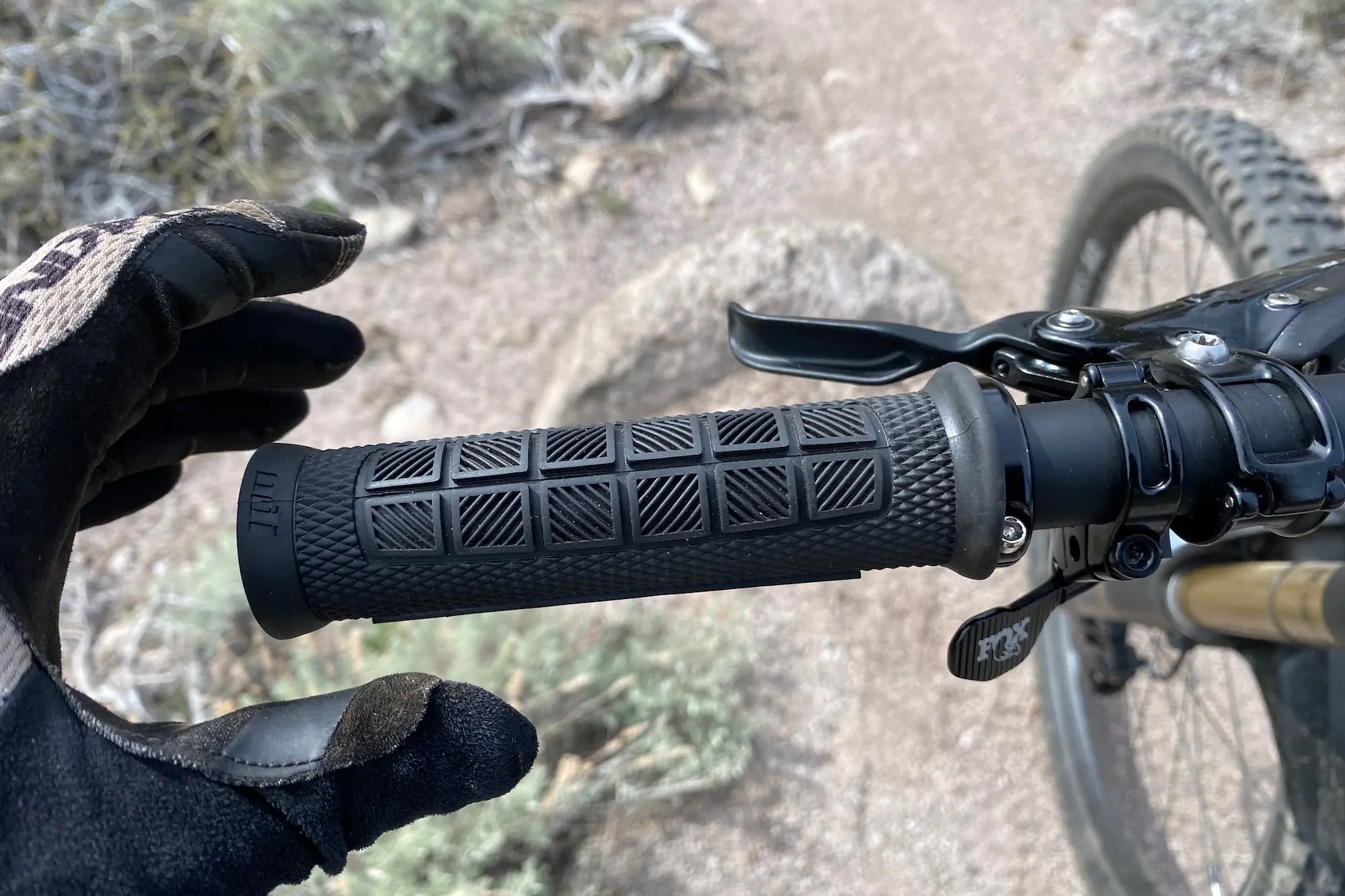
Smooth grips feel soft in your hands. They are good for short rides. Textured grips have bumps or lines. They help hold the bike better. Textured grips are perfect for wet or muddy paths. Choose grips that match your riding style. Some people like smooth grips for their comfort. Others prefer textured for their strong hold.
Patterns can be circles, lines, or dots. Each pattern helps in a different way. Circle patterns give a strong grip. Line patterns are good for fast rides. Dot patterns feel nice and comfy. Try different patterns to find the best one for you. It’s fun to see which pattern feels right. Pick a pattern that makes your ride safe and fun.
Weather Conditions
Choose grips with a textured surfacefor better control in rain. Rubber grips can become slippery when wet. Look for grips with a knurled patternor raised bumps. These designs help hands stay put. Avoid smooth grips in wet weather. A grip with a soft compound may also help. It offers a more secure hold.
In dry conditions, choose grips that are comfortableand offer good cushioning. Foam grips are a popular choice. They provide comfort for long rides. Ensure the grip is the right size for your hands. A good fit prevents hand fatigue. Grips should be firm but not too hard. Consider lock-on grips for easy installation. They stay in place during bumpy rides.
Comfort And Ergonomics
Choosing mountain bike grips involves focusing on comfort and ergonomics. Ensure the grips fit your hand size and provide adequate cushioning. Opt for materials that reduce vibration and enhance control during rides.
Pressure Points
Pressure points can make hands sore. Choose grips that reduce pressure. Soft grips help to spread pressure evenly. Thicker grips might feel better for some people. Ridges or bumps can also help. They keep hands comfortable. Different people have different pressure needs.
Hand Fatigue
Hand fatigue can happen on long rides. Ergonomic designs support your hands. They help reduce fatigue. Materials like foam or gel are good choices. They are soft and absorb vibrations. Shape matters too. Some grips have special shapes. These help your hands stay relaxed. Test different types to see what feels best.
Durability And Longevity
Mountain bike grips should withstand rough terrain and frequent use. Look for materials that offer resilience and comfort. Quality grips ensure a better riding experience and last longer.
Wear And Tear
Mountain bike grips face rough use. They need to be tough and strong. Pay attention to the material. Rubber and silicone are popular choices. These materials last longer. Check for signs of damage. Grips should stay intact after many rides. Grips that wear out quickly are not good. Always pick grips that can handle heavy use. This ensures long-lasting performance.
Replacement Indicators
Grips need replacing when they become slippery. When the color fades, it’s time to change. Look for cracks or splits. These are signs of wear. If grips feel uncomfortable, consider new ones. Loose grips are unsafe. Always ensure they are tight. Fresh grips improve control and comfort. Keep your rides safe and enjoyable.
Credit: gearjunkie.com
Installation Tips
Selecting the right mountain bike grips is crucial for comfort and control. Consider grip thickness and material for a secure hold. Test different styles to find the best fit for your hands and riding style.
Tools Required
The right tools make grip installation easy. You will need a screwdriver. A wrench is also necessary. Use a clean cloth to wipe surfaces. A spray bottle with water helps too. Ensure all tools are ready.
Step-by-step Guide
- Loosen old grips with a screwdriver.
- Slide old grips off carefully.
- Clean handlebar with a cloth.
- Spray water on handlebar lightly.
- Align new grips carefully.
- Push new grips onto the bar.
- Tighten grips using a wrench.
- Check grip tightness before riding.
Price Vs. Performance
For those on a tight budget, affordable grips can be great. Rubber grips are often the least expensive. They offer decent comfort and grip. Foam grips are also budget-friendly. They provide a soft feel but may wear quickly. Look for durable materials to ensure they last longer.
Premium grips offer top-notch quality and performance. Silicone grips provide excellent comfort and durability. They resist wear and tear effectively. Lock-on grips are a popular choice among enthusiasts. They stay securely in place, offering reliable performance. Investing in high-quality grips can enhance your riding experience significantly.
Credit: gearjunkie.com
Frequently Asked Questions
How To Choose Grips For Mtb?
Choose MTB grips based on comfort, grip texture, and diameter. Consider material for durability and weather resistance. Check grip pattern for better control during rides. Match grip length with handlebar size. Opt for lock-on grips for easy installation.
How Do I Know What Grips Fit My Bike?
Measure the handlebar diameter to determine grip size. Check the grip length for compatibility with controls. Consult your bike’s manual or manufacturer for specific recommendations. Look for grips compatible with your bike’s handlebar type, such as standard or lock-on. Ensure comfort and durability by selecting high-quality materials.
Do Mountain Bike Grips Make A Difference?
Mountain bike grips significantly enhance comfort and control. They reduce hand fatigue and improve your biking experience. Choose grips that match your riding style for optimal performance. Proper grip selection ensures better handling, safety, and confidence on trails. Investing in quality grips can transform your ride and boost your overall enjoyment.
How To Choose The Right Mtb Handlebar?
Choose a handlebar based on your riding style, comfort, and bike geometry. Consider width, rise, and material. Wider bars offer better control, while narrower bars suit tight trails. Higher rise provides comfort for uphill rides. Opt for lightweight materials like carbon or aluminum for durability and performance.
Conclusion
Choosing the right mountain bike grips is crucial for comfort. Consider grip material, size, and texture. These factors affect your riding experience. Test different grips before buying. Prioritize comfort and control over style. Proper grips reduce hand fatigue on long rides.
They also enhance overall performance. Don’t rush your decision. Think about your riding style and needs. A good grip leads to better rides. Enjoy your biking adventures with the perfect grips. Your hands will thank you. Happy biking!



