
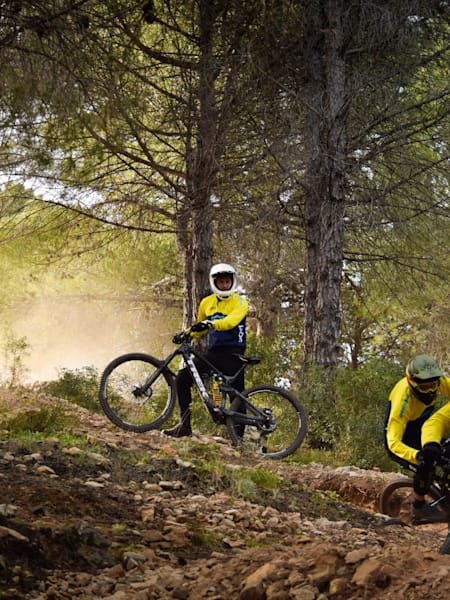
Imagine the thrill of flying down a mountain trail, the wind rushing past, and the sense of freedom that comes with each twist and turn. It’s what makes mountain biking so exhilarating.
But with all that excitement, staying safe is crucial. You want to enjoy every moment without worry. That’s why understanding how to ride a mountain bike downhill safely is essential. In this guide, you’ll discover practical tips and expert advice to keep you in control and confident as you tackle those challenging descents.
Ready to boost your biking skills and safety game? Keep reading, and let’s make your next ride not just thrilling, but safe too.
Choosing The Right Bike
Downhill bikes are made for steep descents. They have strong frames. These bikes often have heavy-duty suspensions. This helps in absorbing shocks. Another option is trail bikes. They are versatile and can handle varied terrains. They are not as robust as downhill bikes. Yet, they offer a smoother ride on mixed trails.
Important features include strong brakes. Disc brakes are preferred for better control. Suspension is crucial for absorbing bumps. Full suspension bikes are ideal. Wide tires provide better grip on rough surfaces. This helps in maintaining balance. Helmets and pads are essential for safety. They protect against falls and injuries.
Safety Gear Essentials
Wearing a strong helmet is very important. It protects your head from falls. Make sure it fits well. Elbow and knee pads also protect you. They help in case of a crash. Gloves give a better grip on the bike handles. They also protect your hands from injuries. Always check your gear before riding.
Wear clothes that are easy to move in. Clothes should be tight but not too tight. This helps in riding smoothly. Bright colors make you visible to others. Choose breathable fabrics to stay cool. Proper shoes keep your feet safe. Shoes should have a strong grip. They help in pedaling better. A good outfit makes the ride more enjoyable.
Pre-ride Preparation
Check your bike before every ride. Ensure the brakes work properly. Tighten any loose bolts. Check the tire pressure. Make sure the chain is clean and well-oiled. Look for any damage on the bike frame. Adjust the seat for comfort. Test the gears to ensure smooth shifting. Inspect the handlebars for stability. Safety is a top priority.
Choose a safe route for your ride. Look at maps before you go. Consider the difficulty of the trail. Check the weather forecast. Avoid routes with steep drops. Plan your route according to your skill level. Tell someone your plan. Familiar routes are best for beginners. Explore new routes with friends.

Credit: m.youtube.com
Techniques For Safe Riding
Riding a mountain bike downhill safely involves maintaining control and balance. Keep your weight centered and use your brakes gently. Look ahead to anticipate obstacles and choose smooth lines to navigate steep paths effectively.
Body Positioning
Keep your body relaxed and flexible. Bend your elbows and knees. This helps to absorb bumps. Lower your chest towards the handlebars. It gives you better control. Keep your eyes looking ahead. This helps you to see obstacles early. Balance your weight over the bike. This keeps you stable on rough paths.
Braking Skills
Use both brakes for better control. Press gently on the brakes. This stops the bike smoothly. Avoid sudden braking. It can make you skid. Use the rear brake more on slippery paths. It prevents the front wheel from sliding. Practice braking in different conditions. This builds confidence and safety.
Handling Terrain Challenges
Riding a mountain bike downhill safely involves mastering balance and control. Focus on keeping a steady posture and using brakes wisely. Adjust your speed according to the terrain to maintain stability.
Navigating Obstacles
Mountain biking involves facing various obstacles. Rocks and roots can be tricky. Keep your eyes forward. Spot the path early. Shift your weight slightly back. This helps balance on uneven ground. Use your arms for shock absorption. Keep a firm grip on the handlebars. Always be ready to react quickly.
Cornering Techniques
Turning sharp corners safely is crucial. Slow down before entering a corner. Lean your bike into the turn. Keep your body upright. Maintain control with a steady speed. Look ahead through the turn. This helps anticipate the bike’s path. Use your outer foot to push down. It adds stability. Practice makes perfect. Build confidence with each ride.
Mental Preparedness
Fear can slow you down on the trail. Take deep breaths to calm yourself. Visualize the path ahead. Imagine yourself riding smoothly. Practice on easier trails first. Gain confidence step by step. Believe in your skills and bike.
Stay focused on the trail. Look ahead to see obstacles early. Keep your eyes on where you want to go. Avoid distractions like phones or loud music. Concentrate on your movements. Feel the bike under you. Stay in the moment. Trust your instincts and ride with care.
Emergency Situations
Navigating downhill on a mountain bike requires caution. Keep your weight balanced and maintain a steady grip on the brakes. Always scan ahead for obstacles to ensure a smooth ride.
Crash Recovery Steps
Stay calm and breathe slowly. Check for any immediate danger. Make sure the area is safe before moving. If possible, get off the trail. Assess your injuries. Can you move without pain? If you can, stand up slowly. Check your bike for any damage. Are the wheels and brakes working? If unsure, call for help. Use your phone to contact someone. If you can’t move, signal for help. Wave your arms or shout. Waiting for help is sometimes the best choice.
First Aid Basics
Always carry a small first aid kit. Clean any cuts with water. Apply a bandage to stop bleeding. If you have a sprain, rest and elevate your limb. Use a cold pack if available. For more serious injuries, stay still. Don’t try to move broken bones. Call emergency services if needed. Know basic signals for help. Use a whistle if you have one. Stay with your bike till help arrives.

Credit: www.bicycling.com

Credit: www.bikeradar.com
Frequently Asked Questions
How To Ride Downhill On A Mountain Bike?
Lean back slightly to maintain balance. Keep your elbows bent and knees flexible. Use gentle braking to control speed. Look ahead to choose the best path. Stay relaxed and trust your bike’s suspension.
What Is The Etiquette For Downhill Mountain Biking?
Yield to uphill riders and give way to faster bikers. Stay alert and maintain control at all times. Communicate with fellow riders using clear signals. Respect trail rules and avoid damaging the environment. Keep noise to a minimum and enjoy the ride responsibly.
Which Gear To Use When Going Downhill Bicycle?
Use a high gear for downhill cycling to maintain speed and control. Adjust gears based on terrain and comfort. Keep your focus on the road, using brakes efficiently. Regularly check your bike’s gear system for smooth transitions and safe riding.
Practice safety and enjoy the descent!
How Safe Is Downhill Mountain Biking?
Downhill mountain biking carries risks. Wearing protective gear and following safety guidelines can reduce injuries. Trails vary in difficulty, so choose according to skill level. Prioritize proper equipment maintenance and stay aware of surroundings. Always ride within your limits for a safer experience.
Conclusion
Riding a mountain bike downhill safely is thrilling and rewarding. Remember to wear protective gear always. Check your bike before each ride. Maintain a proper posture for balance. Brake smoothly to control speed. Watch the trail for obstacles. Practice makes perfect.
Start with easier trails to build confidence. Respect nature and other riders. Safety should always be your top priority. Enjoy the adventure, but stay alert. Downhill biking can be fun if done right. Happy trails and safe riding!



