
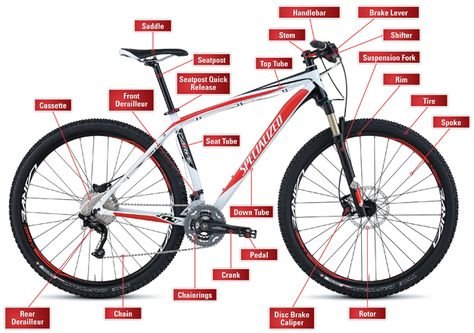
Imagine the thrill of conquering rugged trails on your mountain bike, the rush of wind against your face, and the sense of freedom that comes with every ride. To keep that adventure alive, your bike needs some love and care.
Just like you wouldn’t neglect your car, your mountain bike deserves regular maintenance to ensure it performs at its best. If you’ve ever felt a jolt from a loose chain or heard the unsettling creak of rusty gears, you know how crucial upkeep is.
In this guide, you’ll discover simple yet essential mountain bike maintenance tips that can transform your riding experience. Whether you’re a seasoned rider or a newbie, these tips will help you maintain your bike’s health, prolong its life, and ensure every ride is smooth and safe. Ready to unlock the secrets to a hassle-free biking adventure? Read on and empower yourself to keep your mountain bike in top shape!
Essential Tools For Bike Maintenance
Every mountain bike needs care and attention. Basic tools help keep bikes in top shape. A multi-tool is handy for many tasks. It can tighten bolts and adjust brakes. Tire levers help with flat tires. They make removing tires easy. A pump keeps tires filled and ready. It prevents slow rides. A chain cleaner keeps the chain shiny. It removes dirt and grime. Lubricant is essential for smooth rides. It stops squeaks and rust.
Hex keys are useful for many adjustments. They are needed for brakes and seat changes. Screwdrivers help with small fixes. They are good for gear adjustments. Spare tubes are lifesavers. They help when tires go flat. Always have them ready. Tools make bike care simple and fun.
Cleaning Your Mountain Bike
Regular cleaning keeps your mountain bike in top shape. Remove dirt to prevent rust and ensure smooth rides. Use mild soap and water for a gentle wash.
Choosing The Right Cleaning Products
Choosing safe products helps keep your bike in good shape. Mild soap and water are best for cleaning. Avoid using strong chemicals. They can damage the bike’s parts. A soft brush is also useful. It helps remove dirt without scratching. A sponge works well for larger areas. For the chain, use a special chain cleaner. It helps keep it moving smoothly.
Step-by-step Cleaning Process
First, rinse the bike with water. This removes loose dirt. Next, apply the mild soap. Use a sponge for the frame. The soft brush is for tight spots. Clean the chain last. Use the chain cleaner and a cloth. Rinse off all soap with water. Dry the bike with a towel. Make sure it’s completely dry. This prevents rust.
Inspecting And Replacing Tires
Inspecting and replacing tires is crucial for mountain bike maintenance. Regular checks help spot wear and tear early. Replacing tires enhances grip and safety on rugged trails. Keep your ride smooth by ensuring tires are in top condition.
Checking Tire Pressure
Tire pressure matters for a smooth ride. Use a gauge to check the pressure. Too low means a rough ride. Too high can burst the tire. Keep it just right. Follow the bike manual for correct pressure. Safety first!
Signs Of Tire Wear
Watch for bald spots. Cracks mean danger. Look for cuts or punctures. Uneven tread is bad. Tires should be smooth and round. Worn tires can slip. Replace them if they look bad.
How To Replace A Tire
First, remove the wheel. Use a wrench for the bolts. Pull the tire off the rim. Check the new tire for size. Put the new tire on the rim. Tighten the bolts. Make sure it’s snug. Test the tire before riding. Safety is key!
Lubricating The Drivetrain
Oil and wax are common lubricants for bike chains. Oil is great for wet conditions. It sticks to the chain well. Wax is better for dry trails. It keeps dirt away. Grease works for bike gears. Choose the right type for your ride.
Clean the chain first. Use a dry cloth. Put lubricant on the chain. Spin the pedals backwards. This spreads it evenly. Wipe off extra lubricant. It stops dirt from sticking. Do this every few rides. Your bike will run smoothly. Keep it quiet and fast.
Adjusting The Brakes
Brake pads must be in good shape. Look at them closely. Worn-out pads can be dangerous. They might not stop your bike well. Use a flashlight if needed. Replace them if they are thin. Thicker pads work better. They make riding safer.
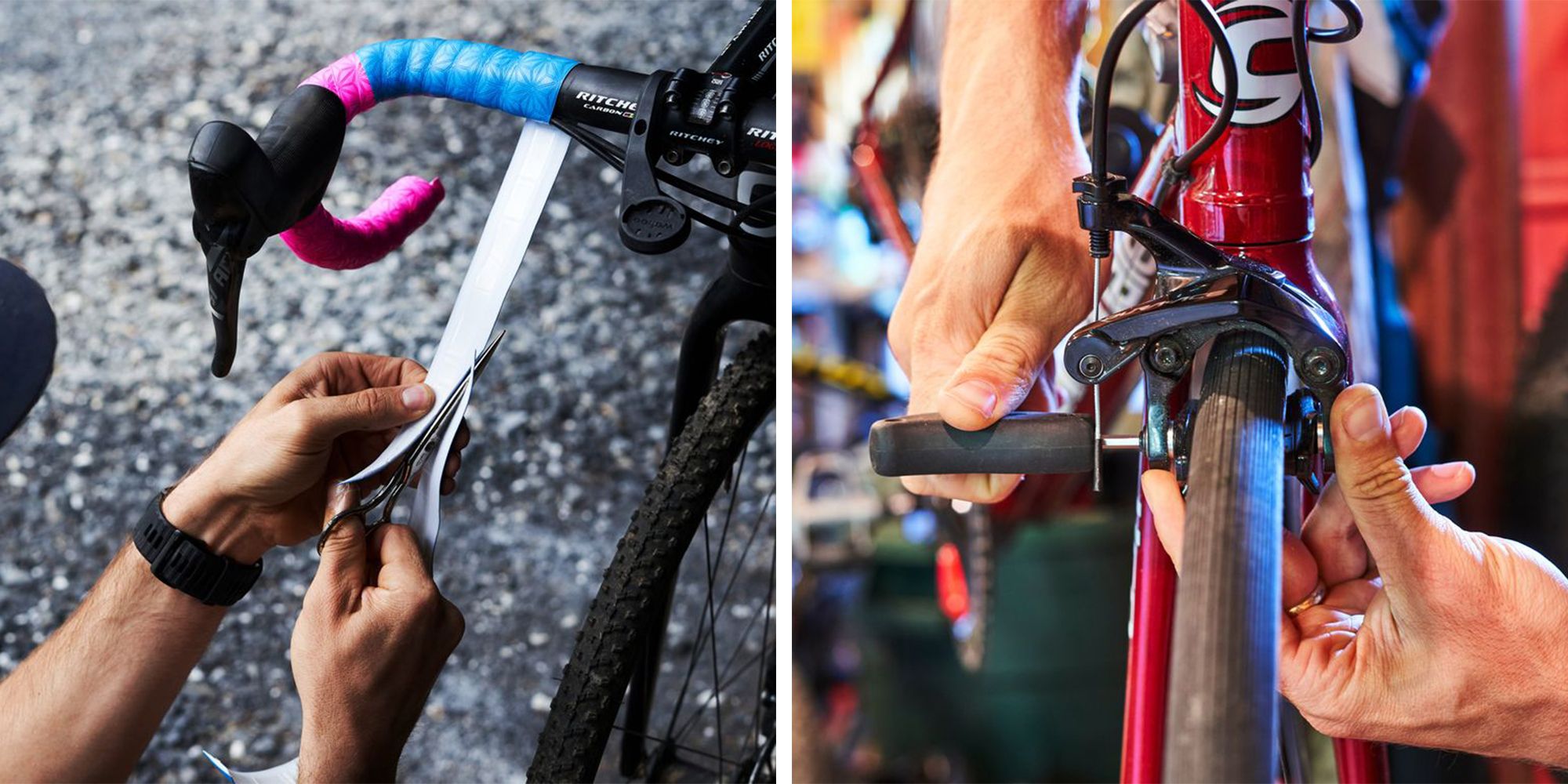
Brake calipers should be straight. They must not touch the wheel rim. Loosen the bolts a bit. Align the calipers with the rim. Tighten the bolts again. Check if they stay in place. Proper alignment helps in smooth stopping.
Test brakes before riding. Squeeze the brake levers. The bike should stop quickly. Slow stopping means trouble. Check for strange sounds. If it squeaks, adjust the parts. Ensure brakes feel firm. Safety comes first.

Credit: www.youtube.com
Maintaining The Suspension System
Regular suspension checks ensure a smooth ride on mountain trails. Clean and lubricate components to prevent wear. Tighten bolts and adjust settings for optimal performance.
Understanding Suspension Types
Mountain bikes can have different suspension types. The two main types are hardtailand full suspension. Hardtail bikes have a suspension fork at the front. Full suspension bikes have suspension at both the front and back. Knowing your bike’s suspension type helps in maintaining it well. Each type has its own care needs. Regular check-ups keep the bike in good shape.
Regular Suspension Check-ups
Regular check-ups are key for a smooth ride. Check the suspension every few rides. Look for any leaksor strange noises. Keep the suspension clean and free from dirt. Dirt can damage the suspension over time. Apply special oilto keep it running smoothly. Make sure to tighten any loose parts. Regular care helps your bike last longer.
Tuning The Gears
Gears can make funny noises when there’s a problem. Listen for clickingor grindingsounds. Notice any gear slipping while riding? That’s a sign too. Check the chainand cablesfor wear and tear. Sometimes, gears do not shift smoothly. This could mean they need adjustment. Inspect gears carefully to spot any issues early.
Start by locating the derailleuron your bike. Use a screwdriver to turn the small screws. These screws are called limit screws. They help in setting gear limits. Turn the screws slightly to adjust the gears. Check if the chain aligns well with the gears. If not, adjust more. Always ensure the chain moves smoothlybetween gears.
Credit: www.zebu.net
Checking And Tightening Bolts
Ensuring bolts are tight is key for bike safety. Loose bolts can lead to accidents. Use a wrench to check each bolt. Make sure they are snug. Do not overtighten. Over-tightening can cause damage. Focus on handlebars and pedals. These parts are crucial for control. Check bolts on the wheels too. Properly tight wheels ensure safe rides. Regular checks prevent problems. Make it a habit. Before each ride, take a quick look. It keeps your bike in top shape.
Storage Tips For Mountain Bikes
Indoor storage keeps your bike safe from rain and sun. It prevents rust and fading. Outdoor storage is more risky. Bikes can get wet and rusty. Thieves might see them too. Cover your bike if outside. Use a strong lock. Find a sheltered spot. Indoors is best for long-term storage.
Clean your bike well. Remove all dirt. Lubricate the chain and gears. Check the tires. Inflate them properly. Store bike in a dry place. Avoid damp areas. Keep it off the ground if possible. Use a stand or hook. This prevents tire damage. Cover bike with cloth or tarp.

Credit: voodoocycles.com
Routine Maintenance Schedule
Regular maintenance keeps your bike running smoothly. Check the tire pressure weekly. Inspect the brakes monthly. Ensure the chain is clean. Lubricate it often. Clean the bike frame after muddy rides.
Look at the gears often. They should shift well. Inspect cables for wear. Replace if frayed. Keep the handlebars tight. Loose parts can be dangerous. Tighten bolts monthly.
Check the saddle position. It should be comfortable. Adjust as needed. Check the wheels for dents. True them if needed. Keeping your bike well-maintained makes rides saferand more fun.
Frequently Asked Questions
What Regular Maintenance Should Be Done On A Mountain Bike?
Regularly clean the bike and lubricate the chain. Check tire pressure, brake pads, and gears. Inspect cables and bolts.
Can I Use Wd-40 On My Mountain Bike?
WD-40 is not recommended for mountain bike chains. It can strip essential lubricants. Use a bike-specific lubricant instead.
How Often Do You Need To Service A Mountain Bike?
Service a mountain bike every 3-6 months, depending on usage and conditions. Regular maintenance ensures optimal performance and safety. Check tire pressure, brakes, and gears monthly. Clean the bike after muddy or wet rides. Inspect for any signs of wear and tear.
How Often Should You Lubricate Your Mountain Bike Chain?
Lubricate your mountain bike chain every 100-150 miles or after riding in wet conditions. Regular maintenance ensures smooth performance and extends chain life. Always clean the chain before applying fresh lubricant. Use a high-quality bike-specific lubricant for best results.
Conclusion
Caring for your mountain bike keeps it running smoothly. Regular checks prevent major repairs. Clean it often to avoid dirt buildup. Lubricate the chain for better performance. Inspect brakes and tires before each ride. Tighten loose parts to ensure safety.
These simple steps extend your bike’s life. Consistency is key. Enjoy a safer ride and fewer breakdowns. Happy biking!



