
Are you ready to hit the trails but can’t decide between a hardtail and a full suspension mountain bike? You’re not alone.
Many biking enthusiasts face this dilemma, and making the right choice can significantly enhance your riding experience. Imagine gliding smoothly over rough terrains or feeling every thrilling bump – the right bike can make all the difference. By the end of this article, you’ll have a clear understanding of which bike suits your needs, ensuring your next ride is both exhilarating and comfortable.
Let’s dive into the key benefits of each, helping you to make an informed decision and get the most out of your mountain biking adventures.
Credit: www.theproscloset.com
Hardtail Mountain Bikes
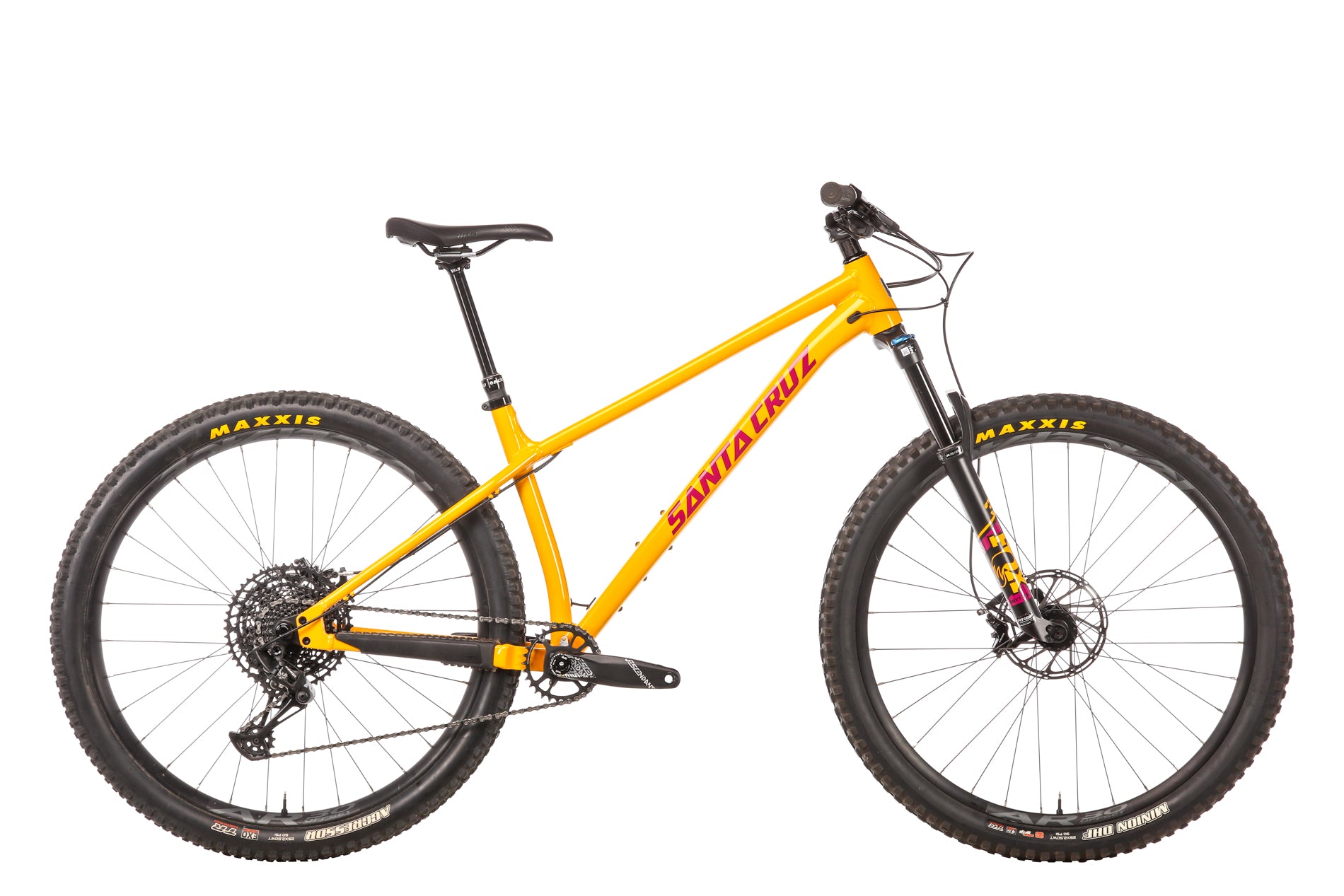
Hardtail bikes have a simple design. They have a solid rear frame. Only the front has suspension. This makes them easy to ride on flat trails. Their design suits beginners well.
Hardtail bikes are cheaper than full suspension bikes. They are a great choice for budget riders. You can find good quality at lower prices. Saving money is easier with hardtail bikes.
Hardtail bikes need less maintenance. Fewer parts mean fewer problems. They are easier to fix and clean. Riders spend less time and money on upkeep.
Hardtail bikes are lighter. They have fewer parts than full suspension bikes. This makes them easy to carry and move. Riding uphill is simpler with less weight.
Hardtail bikes offer a smooth ride. Perfect for trails and flat roads. Riders feel more connected to the ground. They enjoy nature and the ride more.
Full Suspension Mountain Bikes
Full suspension bikes have both front and rear shocks. This design helps in absorbing bumps better. The frame is complex and made for comfort. Riders often find these bikes easier on rough trails. They are perfect for those who love adventure.
These bikes offer a smooth ride. The suspension helps in keeping the bike steady. Comfort and control are enhanced with this setup. Riders feel less tired after long rides. They are great for both beginners and experts.
Full suspension bikes shine on rocky paths. They make riding on rough terrain easier. The suspension absorbs shocks from the ground. This makes the ride comfortable and safe. Riders can go faster without fear of falling.
These bikes can handle different trails. From mountains to forests, they perform well. The versatility is unmatched. Riders can enjoy various types of trails. This makes them a favorite among cyclists.
Modern full suspension bikes have advanced features. Technology improves their performance and safety. Adjustable shocks and smart designs are common now. They offer better control and comfort. This makes them a popular choice.
Comparing Costs
Hardtail mountain bikes often come with lower upfront costs due to simpler designs. Full suspension bikes, while pricier, provide enhanced comfort and control on rough terrains.
Initial Investment
Hardtail bikes usually cost less than full suspension bikes. You get a basic bike with a hardtail. It has a front shock absorber only. Full suspension bikes have shocks in front and back. This makes them cost more. If your budget is tight, a hardtail might be better. It’s a more affordable choice for beginners.
Long-term Maintenance
Maintaining a hardtail is often cheaper. It has fewer parts to fix. Full suspension bikes have more moving parts. These parts can break and need fixing. Fixing these parts costs more money. Hardtail bikes are easier to keep in good shape. They need less care over time. This can save you money in the long run.
Terrain Suitability
Hardtail bikes excel on smooth trails, offering lighter weight and easier handling. Full suspension bikes provide better comfort and control on rough terrain, absorbing shocks and bumps more effectively. Both types cater to different riding styles and terrain preferences.
Smooth Trails
Hardtail bikes are perfect for smooth trails. They are light and easy to control. Riders feel every bump on the trail. This makes the ride exciting and fun.
Technical Trails
Full suspension bikes handle technical trails well. They have shocks on both wheels. This gives a smoother ride over rocks and roots. Riders can focus more on their skills.
Downhill Riding
Downhill riding is thrilling on full suspension bikes. They offer better control at high speeds. Riders can take sharp turns with ease. Safety is a big advantage here.
Weight Considerations
Choosing between hardtail and full suspension mountain bikes depends on weight preferences. Hardtails are lighter, boosting climbing efficiency. Full suspension bikes offer better control on rough trails, though slightly heavier. Consider your riding style and terrain when deciding.
Impact On Speed
Hardtail bikes weigh less than full suspension bikes. This makes them faster on smooth trails. Riders feel less tired on long rides. Full suspension bikes offer more comfort. But they are heavier and may slow you down.
Ease Of Transport
Hardtail bikes are easier to carry. They fit in cars and on racks better. Their lighter weight helps in lifting. Full suspension bikes are bulkier. They need more space and strength to transport.
Skill Level And Preference
Skill Level and Preference Choosing between hardtail and full suspension mountain bikes depends on skill and preference. Hardtails offer simplicity and efficiency, ideal for beginners. Full suspension bikes provide comfort and control, suited for advanced riders seeking challenging trails.
Beginner Riders
Hardtail bikes are often easier to controlfor beginners. They have a simple design with fewer moving parts. This makes them lighter and less expensive. Full suspension bikes can be more complexand harder to maintain. Beginners may find the extra suspension unnecessaryat first. A hardtail bike helps new riders learn basic skills.
Experienced Riders
Experienced riders may enjoy the versatilityof full suspension bikes. They offer better control on rough trailsand downhill rides. Hardtail bikes are great for smooth trailsand climbing. Some riders prefer the challengeof a hardtail. Full suspension bikes provide a smoother rideover obstacles.
Personal Riding Style
Your choice depends on your personal style. Hardtail bikes suit those who like speedand climbing. Full suspension bikes are best for technical terrains. Consider what trails you ride most often. Think about your comfort leveland budget. Both types of bikes offer unique benefitsfor different riders.
Deciding Factors
Hardtail bikes are often less expensive. They have fewer parts. This makes them a good choice for beginners. Full suspension bikes cost more. They have more complex parts. Maintenance can be pricier too.
Hardtail bikes work well on smooth trails. They are great for cross-country rides. Full suspension bikes excel on rough terrains. They absorb bumps better. This makes them ideal for rocky paths.
Hardtails are lighter and faster. They are perfect for speed lovers. Full suspension bikes offer more comfort. They handle jumps and drops with ease. Choose based on your riding style.

Credit: alpkit.com

Credit: www.bikeradar.com
Frequently Asked Questions
Why Are Hardtails Better Than Full Suspension?
Hardtails are lighter, easier to maintain, and generally more affordable. They excel on smooth trails, offering efficient pedaling. Riders enjoy better power transfer and control, making them ideal for climbing. Hardtails encourage skill development and are perfect for beginners and cross-country enthusiasts seeking simplicity and speed.
What Are The Disadvantages Of A Hardtail Bike?
Hardtail bikes lack rear suspension, causing discomfort on rough terrains. They provide less traction and control on technical trails. Riders experience more fatigue on long rides due to increased vibrations. Limited versatility makes them less suitable for downhill or aggressive mountain biking.
They require more skill to handle challenging terrains.
Why Do People Prefer Hardtails?
People prefer hardtails for their affordability and simplicity. They offer excellent climbing efficiency and lower maintenance. Hardtails provide better trail feedback and are lighter, making them ideal for beginners and cross-country riders. Their robust design ensures durability and resilience on various terrains.
What Are The Disadvantages Of A Full Suspension Mountain Bike?
Full suspension mountain bikes can be heavier and more expensive. Maintenance requires more time due to complex components. Pedaling efficiency decreases on smooth terrain. Riders might face energy loss due to suspension bobbing. Beginners may find handling challenging in certain conditions.
Conclusion
Choosing between hardtail and full suspension bikes depends on your needs. Hardtail bikes are great for simple trails and cost less. They are lighter and require less maintenance. Full suspension bikes offer comfort on rough terrains. They absorb shocks better and provide a smoother ride.
Both types have their own perks. Consider your budget, riding style, and terrain. The right bike enhances your experience. Find the balance that suits your adventure. Enjoy the ride and explore the trails with confidence.



