
Are you ready to take your mountain biking experience to the next level? Adjusting your mountain bike suspension can make all the difference.
Whether you’re a seasoned rider or a newbie, understanding how to fine-tune your suspension is key. It can transform a bumpy ride into a smooth adventure. Imagine gliding effortlessly over rough terrains, feeling in control, and enjoying every moment on your bike.
This guide will show you how to adjust your suspension for maximum comfort and performance. You’re just steps away from unlocking a whole new level of biking enjoyment. Keep reading to discover how you can make every ride your best ride yet!

Credit: www.youtube.com
Choosing The Right Suspension Setup
Mountain bikeshave different suspension types. Two main types are hardtailand full suspension. Hardtail bikes have a suspension fork at the front. Full suspension bikes have suspension at both the front and rear. Each type has its benefits. Hardtail bikes are lighter. Full suspension bikes offer more comfort.
Terrain affects how suspension works. Rough trailsneed more suspension travel. Smooth trails need less. Choose a setup based on where you ride. Adjust suspension to match the ground. This makes biking easier and more fun.
Pre-ride Suspension Checks
Checking suspension before a ride ensures smoother trails and better control. Adjusting mountain bike suspension involves setting sag, tuning rebound, and compression. Proper adjustments enhance comfort and performance, letting you conquer diverse terrains with confidence.
Inspecting For Wear And Damage
Always check the suspension before your ride. Look at the forks and shocks. See if there are any cracks or dents. Dirt or oil on parts can mean trouble. Make sure nothing is loose or worn out. A good inspection keeps your bike safe.
Checking Suspension Pressure
Use a pump to check the pressure. The pressure should match your weight. Low pressure can make the bike bounce too much. High pressure makes the ride stiff. Adjust the pressure with care. Check it often to keep your bike smooth.
Adjusting Sag For Optimal Performance
The sag is the bike’s drop under your weight. Measure sag by sitting on the bike. Use a ruler to see how much the suspension compresses. Proper sag ensures a smooth ride. Check your bike’s manual for sag percentage. Usually, 25-30% sag is ideal for most riders. This means if your bike has 100mm travel, sag should be 25-30mm.
Rider weight affects sag settings. Weigh yourself with gear for accuracy. Adjust the suspension with air pressure or spring tension. Heavier riders need more pressure. Lighter riders need less pressure. Use the sag measurement to guide these adjustments. Test the bike by riding it. Make small changes until the ride feels right.
Fine-tuning Compression Settings
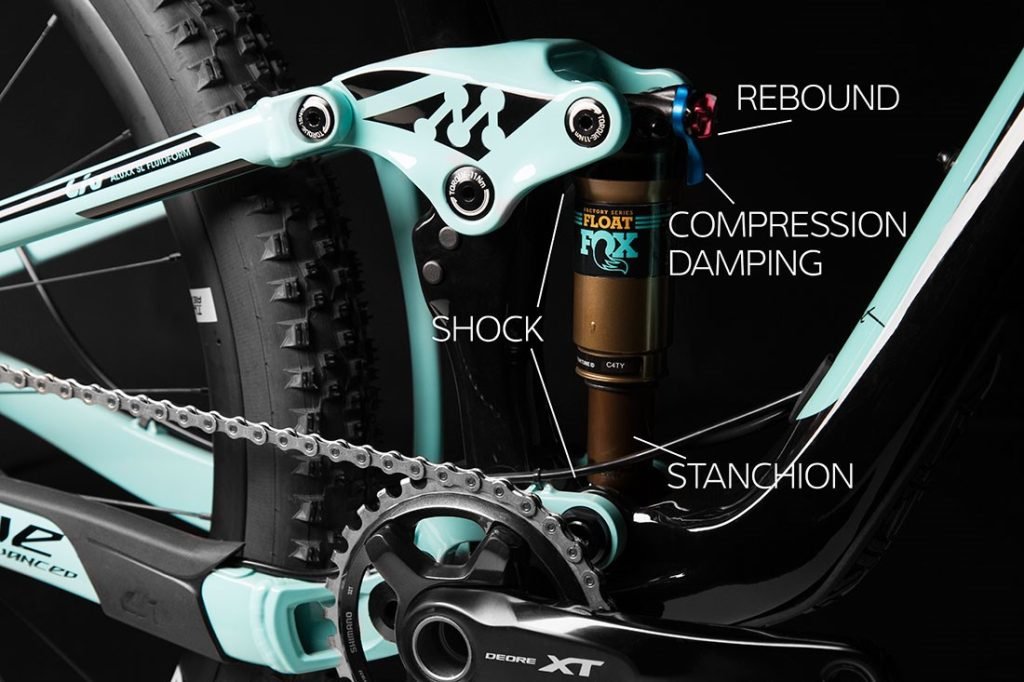
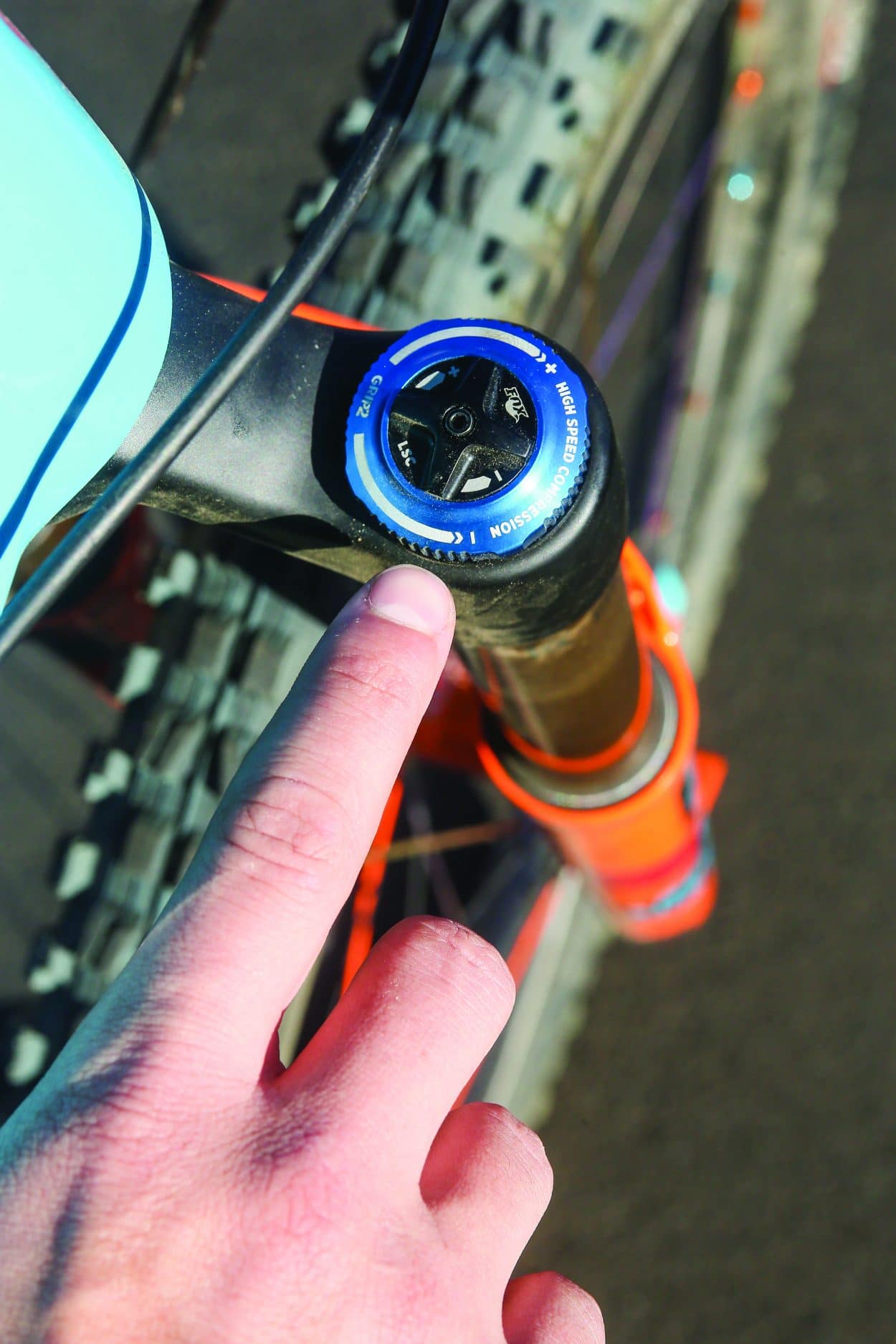
High-speed compressiondeals with sudden impacts. Think jumps or rocks. It helps the bike absorb shocks quickly. Low-speed compressionis for slower movements. Like when you pedal or lean. It’s great for smoother trails. Adjusting both settings can make your ride better.
Setting for high-speed compressionmight be tighter for rocky paths. A looser setting works for smooth trails. Low-speed compressionhelps with balance and control. It’s key on flat paths. Finding the right mix of both is important. It keeps your ride comfortable.
Customizing For Trail Conditions
Different trails need different settings. Muddy trails can be slippery. Tighten the suspension for grip. Bumpy trails need a looser setting. This helps absorb shocks. Adjust settings for each trail type. It improves your ride experience.
Listen to your bike. Feel how it moves on each trail. Adjust settings to match conditions. It can make rides smoother. It also keeps you safe on tough trails.
Rebound Adjustment Techniques
Find the right rebound speedfor a smooth ride. Push the bike down and let go. Watch how fast it comes back up. Too fast means less control. Too slow feels heavy. Adjust until it feels just right. Aim for a gentle return. This gives you better grip and comfort.
Balance is key for a safe ride. Adjust the rebound to match the trail. On bumpy paths, a slower rebound helps. It keeps the wheels on the ground. On smooth paths, a faster rebound is okay. It helps you ride faster. Always test after changes. Feel the difference and adjust if needed.
Credit: mbaction.com
Testing And Tweaking On The Trail
Adjusting mountain bike suspension on the trail requires patience and precision. Fine-tuning your bike’s settings ensures a smoother ride, enhancing comfort and control. Experimenting with different adjustments helps find the perfect balance between firmness and flexibility.
Evaluating Suspension Response
Ride your bike on different trails. Notice how the suspension feels. Is it too soft? Does it bounce too much? Listen to how it responds to bumps. Feel how smooth it is over rocks. These signs show you if adjustments are needed. Take notes. They help you remember what to fix later.
Making Real-time Adjustments
Stop and make small changes. Turn the knobs on the suspension. Try one change at a time. This helps you know what works. Ride again after each change. Feel how the bike moves now. Does it feel better? Keep adjusting until you are happy. Small tweaks can make a big difference.
Maintenance For Long-term Suspension Health
Clean your bike after each ride. Dirt can harm the suspension. Use a soft cloth. Wipe the suspension gently. Dirt can scratch the surface. Apply bike lubricant to moving parts. Lubrication helps parts move easily. It also prevents rust. Check for wear and tear regularly. Replace any damaged parts quickly. This keeps your bike safe and smooth.
Visit a professional bike shop every few months. Experts can spot problems early. They know how to fix them well. A professional can tune the suspension perfectly. This helps your bike ride better. They check parts you might miss. Regular servicing keeps your bike in top shape. It also makes it last longer. Happy biking!

Credit: www.cyclemaintenanceacademy.com
Frequently Asked Questions
How Do You Adjust The Suspension On A Mountain Bike?
Adjust mountain bike suspension by setting sag first. Use air pressure or coil tension to match your weight. Fine-tune rebound and compression for smoother rides. Check manufacturer guidelines for specific settings. Adjustments enhance control and comfort on varied terrains. Regular checks ensure optimal performance.
What Is The Best Suspension Setting For A Mountain Bike?
The best mountain bike suspension setting depends on your weight, riding style, and terrain. Start with manufacturer recommendations. Adjust rebound and compression for comfort and control. Test on familiar trails to fine-tune for optimal performance. Regularly check and maintain suspension components for best results.
How To Make Your Suspension More Bouncy?
Upgrade to softer springs or shocks for a bouncy ride. Adjust tire pressure for more flexibility. Consider air suspension kits for customizable bounce levels. Regular maintenance ensures optimal performance.
How To Adjust Shocks For A Smoother Ride?
Adjust shocks by softening the compression damping settings. Turn the adjuster knob or screw counterclockwise. This reduces stiffness and enhances comfort. Check your vehicle’s manual for specific guidelines. Regularly monitor and fine-tune for optimal performance.
Conclusion
Adjusting your mountain bike suspension enhances your ride comfort. It ensures better control and safety on rough trails. Start with the correct setup according to your weight. Test and tweak the settings on varied terrains. Make small changes for noticeable differences.
Regularly check the suspension for optimal performance. Keep tools handy for adjustments on the go. Practice makes perfect, so ride often. Feel the bike’s response and adjust as needed. Enjoy smoother, more enjoyable rides. Remember, well-tuned suspension boosts your biking experience.
Happy cycling!



