
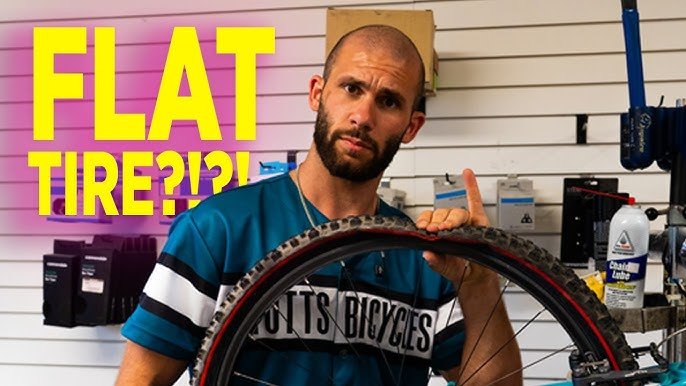
Imagine you’re halfway through an exhilarating mountain trail, the wind in your hair and the thrill of the ride beneath your wheels, when suddenly, you feel that dreaded wobble. Your heart sinks as you realize you’ve got a flat tire.
But don’t worry! Knowing how to fix a flat on a mountain bike is a skill that every rider should have in their toolkit. Whether you’re a seasoned pro or a beginner, this guide will empower you to tackle any trail with confidence.
With simple steps and practical tips, we’ll make sure you’re back on your bike and enjoying the adventure in no time. Ready to conquer flats like a pro? Let’s dive in and get you back on the trail quickly and safely.

Credit: www.youtube.com
Essential Tools
Essential tools for fixing a flat on a mountain bike include a tire lever, patch kit, and pump. These items help quickly repair punctures, ensuring a smooth ride. Always carry them on trails to handle unexpected flats efficiently.
Tire Repair Kit
A tire repair kit is a must-have. It includes patches and glue. Use these to fix small holes in your tire. Check the kit before each ride. Make sure all pieces are there. This will help you fix flats quickly.
Pump Or Co2 Inflator
A pump helps add air to your tire. A CO2 inflator works fast too. Choose one based on your needs. Pumps are easy to use but take time. CO2 inflators are quick but need cartridges. Carry spare cartridges for longer rides.
Spare Tube
A spare tube is important if the tire is badly damaged. It’s easy to carry and replace. Just remove the old tube and add the new one. Make sure the tube fits your tire size. This ensures your bike runs smoothly.

Credit: www.youtube.com
Identifying The Problem
Spot the flat tire by checking for deflation or punctures. Listen for hissing sounds indicating air escape. Feel the tire for any sharp objects embedded in the rubber.
Inspecting The Tire
Look closely at the mountain bike tire. Check for any visible puncturesor tears. Use your hands to feel for sharp objects. Small rocks or thorns can cause flats. Spin the wheel to check for hidden damage. A slow inspection helps find the problem.
Checking The Tube
Take the tube out of the tire. Inflate it a little to spot leaks. Listen for hissing sounds. This shows where air escapes. Water can help, too. Bubbles appear where the hole is. Mark the spot for easy fixing later. Be gentle with the tube. It can tear easily.
Removing The Wheel
First, ensure your mountain bike is stable and flipped upside down. Loosen the quick-release lever or axle nuts to detach the wheel. Carefully remove it from the frame for easy access to the tire and inner tube.
Quick Release Mechanism
Find the quick release lever on the wheel. Flip the lever open to loosen the wheel. Hold the bike steady while you do this. Pull the wheel out gently. Make sure not to damage the bike frame.
Removing The Axle
Take a wrench to unscrew the axle bolts. Turn the bolts counterclockwise. Keep the bike stable as you work. Remove the axle from the wheel. Be careful not to lose any washers or nuts.
Repairing The Tube
Fixing a flat on a mountain bike requires patience and basic tools. First, remove the wheel and deflate the tube completely. Carefully inspect for punctures or tears, then patch or replace the tube as needed.
Patching The Hole
Locate the hole by inflating the tube slightly. Listen for a hiss or feel for escaping air. Use a marker to highlight the hole. Sand the area around the hole lightly. Apply a thin layer of glue. Wait a few minutes until the glue gets tacky. Firmly press the patch over the hole. Hold it down for a while. Ensure the patch sticks well. Once done, check for any leaks.Replacing The Tube
Remove the wheel from the bike. Deflate the tube completely. Use tire levers to remove the tire. Take out the old tube. Inspect the inside of the tire for sharp objects. Insert the new tube inside the tire. Partially inflate the tube for shape. Fit the tire back onto the rim. Ensure it’s seated properly. Fully inflate the tube. Reattach the wheel to the bike. `Reinstalling The Wheel
Reinstalling the Wheel Ensure the axle is aligned with the frame. Securely tighten the quick release or axle nuts. Check the wheel spins freely without wobbling.
Aligning The Wheel
Make sure the wheel is straight with the bike frame. Check if the brake pads touch the rim evenly. Look at the disc brake if your bike has one. It should fit into the brake caliper without rubbing. Adjust the wheel if needed. Use your hands to twist it gently.
Securing The Axle
Once aligned, tighten the axle nuts or quick-release lever. Ensure they are snug but not overly tight. The wheel should not wobble or come loose. Spin the wheel to check it moves freely. Listen for any unusual sounds. If you hear noises, recheck the alignment. Double-check all parts before riding again.
Inflating The Tire
Inflating the tire is crucial after fixing a flat on a mountain bike. Ensure the valve stem is clear and attach the pump securely. Gradually inflate to the recommended pressure, checking for even distribution to ensure a smooth ride.
Using A Pump
Find the valve on the bike tire. Remove the cap to expose the valve. Attach the pump securely to the valve. Make sure it fits tightly. Pump the handle up and down. Watch the tire as you pump. Feel it getting firmer. Stop when the tire feels firm. Check the tire pressure with your hand. It should be hard but not rock solid. Remove the pump and screw the cap back on.
Co2 Inflator Tips
CO2 inflators are quick and easy. They use small gas canisters. First, attach the inflator to the valve. Make sure it is tight. Release the CO2 by pressing the button. The tire will inflate fast. Be careful, the canister can get cold. Wear gloves if needed. Check the tire pressure by pressing with your hand. Repeat if the tire is not firm enough. Store the inflator safely for next time.
Testing The Repair
Ensure the tire holds air by inflating it to the recommended pressure. Spin the wheel, checking for leaks or bulges. Ride a short distance, feeling for any irregularities in handling or sound.
Checking For Leaks
Put air back in the tire. Listen closely for any hissing sounds. Spray soapy water on the tire. Bubbles mean leaks. Check the valve too. It must be tight. A small leak can cause problems later. Make sure the patch holds well. A good patch saves time.
Ensuring Proper Alignment
Spin the tire gently. Check if it wobbles. It should spin smoothly. Align the tire with the rim. Use your fingers to check gaps. Tighten the bolts firmly. Make sure the tire sits straight. Misalignment can cause more flats. A well-aligned tire helps rides.

Credit: m.youtube.com
Preventative Measures
Keep your bike in good shape. Check your tires often. Look for any signs of wear or damage. Clean your bike after each ride. Dirt can cause problems. Apply lubricant to the chain. It helps parts move smoothly. Tighten loose bolts. They can cause issues later. A well-maintained bike lasts longer.
Pick tires made for tough trails. Durable tires resist sharp rocks and thorns. Look for thicker tread patterns. They grip the ground better. Consider tubeless tires. They prevent most flats. Check tire pressure regularly. Proper pressure prevents punctures. Ask experts for tire recommendations. They know what works best.
Frequently Asked Questions
How To Fix A Mountain Bike Flat Tire?
Remove the wheel and deflate the tire. Use tire levers to unseat the tire from the rim. Inspect for damage and patch or replace the tube. Reinstall the tire, inflate, and ensure proper seating. Reattach the wheel, ensuring the quick-release lever or axle is secure.
Can You Fix A Bike Puncture Without Removing The Wheel?
Yes, you can fix a bike puncture without removing the wheel. Use a puncture repair kit. Locate the puncture, deflate the tire, and patch it. Ensure the patch adheres properly. Inflate the tire and check for leaks. This method saves time and effort.
Can Fix-a-flat Work On A Bike Tire?
Fix-a-Flat is not ideal for bike tires. It’s designed for car tires only. Bike tires require specific sealants for effective puncture repair. Use products specifically made for bicycles to ensure safety and proper functionality. Always consult the manufacturer’s instructions for best results.
How To Fix-a-flat Bike Tire Without A Patch?
Remove the wheel and deflate the tire. Use tire levers to take off the tire. Find the puncture, and insert a small piece of rubber or duct tape inside. Reinflate the tire and reattach the wheel. This temporary fix helps ride until a proper patch is applied.
Conclusion
Fixing a flat on a mountain bike is simple. Gather your tools. Remove the wheel and tire. Check for punctures. Patch or replace the tube. Reassemble your bike. Test it. Ride with confidence again. Practice makes perfect, so try it a few times.
Carry a repair kit on rides. Staying prepared avoids getting stuck. Enjoy your mountain adventures. Remember, a flat tire is not the end. It is a small bump in your biking journey. Keep pedaling forward. Your skills will improve. Happy riding on the trails!



