
Imagine the thrill of speeding down a rugged mountain trail, the wind rushing past your ears, the world a blur of vibrant colors. Mountain biking offers an exhilarating escape from the ordinary.
Yet, the rush of adrenaline often comes with risks. A sudden fall or unexpected obstacle can turn a thrilling ride into a painful memory. So, how can you keep the adventure alive without the added cost of injuries? In this guide, you’ll discover practical tips to keep your mountain biking adventures safe and enjoyable.
Whether you’re a seasoned rider or a beginner, understanding how to prevent injuries is crucial. By the end of this article, you’ll have the knowledge to tackle any trail with confidence and keep your focus on the ride, not the risks. Are you ready to explore how to protect yourself while enjoying the sport you love? Dive in and learn how to safeguard your mountain biking experiences today!
Credit: www.winsport.ca
Proper Bike Setup
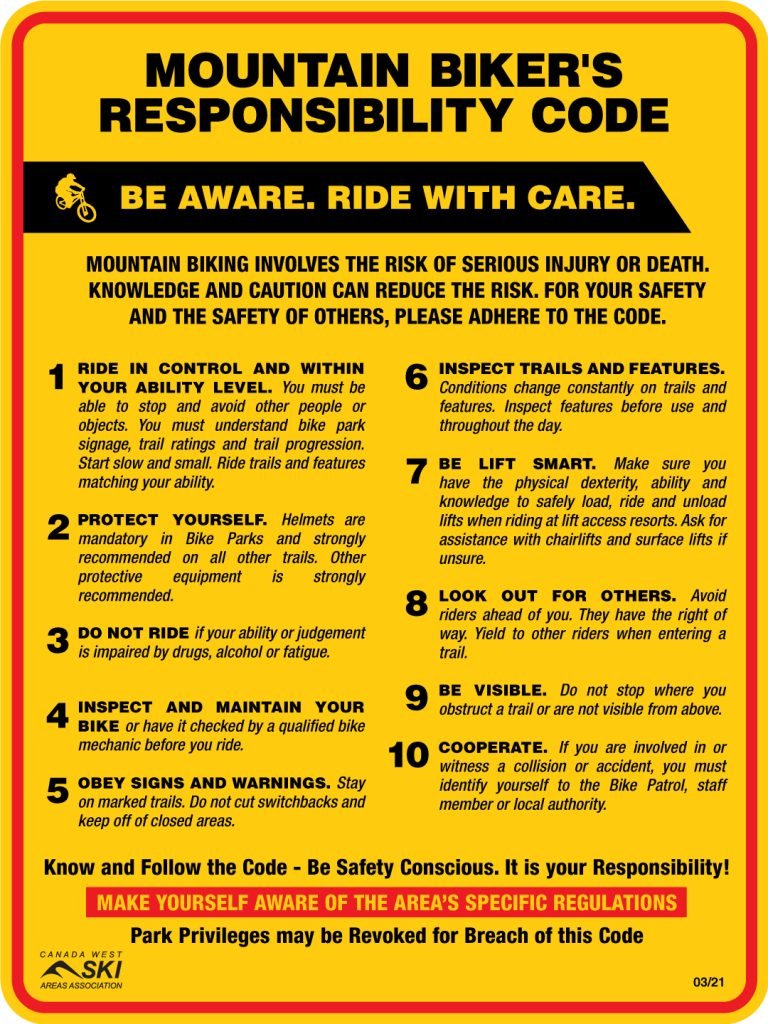
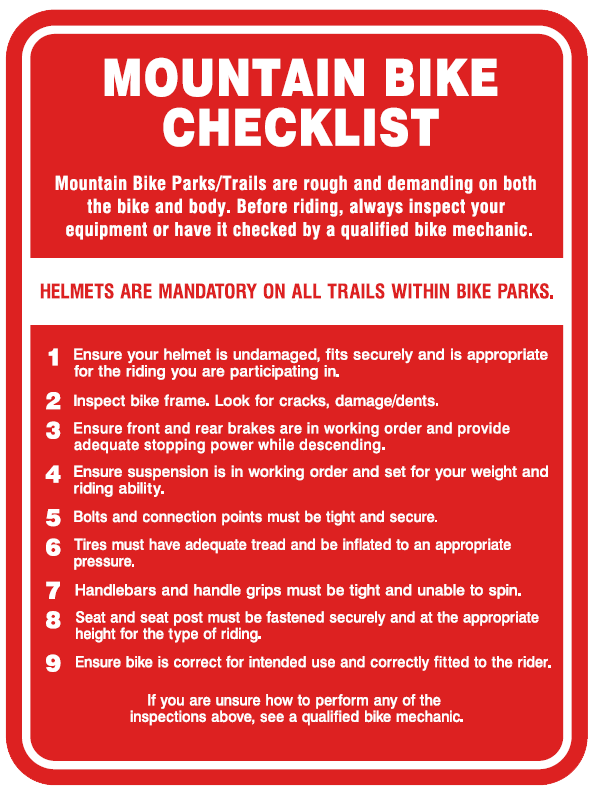
Proper bike setup is essential to prevent mountain bike injuries. Adjust seat height, handlebar position, and suspension for comfort. Ensure tires have the right pressure and brakes function well for a safer ride.
Choosing The Right Frame Size
Selecting the right frame sizeis crucial. A too-small frame can cause discomfort. A too-large frame might lead to control issues. Make sure your feet can easily touch the ground. Your knees should have a slight bend when pedaling.
Adjusting Saddle Height
The saddle should be at a height where your legs are almost straight. This helps in preventing knee strain. A properly adjusted saddle aids in smooth pedaling. Always check the saddle height before rides.
Handlebar Positioning
Handlebars need to be at a comfortable height. Your elbows should be slightly bent. This reduces stress on your arms and shoulders. Proper positioning helps in better control and comfort. Adjust handlebars to suit your riding style.
Essential Protective Gear
Helmetskeep your head safe. Always wear a helmet on your bike. Choose a helmet that meets safety standards. Check if the helmet has a safety label. A good fit is important. The helmet should not move around. It must cover your forehead. The straps should be tight but comfortable. Helmets need regular checks. Replace them after any crash.
Eyes need protection from dust and bugs. Wear protective eyewearon your rides. Glasses should be clear and tough. They must stay on your face. Eyewear helps in bright sunlight too. Sunglasses can reduce glare. This keeps your eyes safe and comfortable.
Hands need gloves for a better grip. Gloves also protect from cuts. Pads keep knees and elbows safe. Use knee and elbow pads on rough trails. Pads should fit snugly. They should not slip off. Good padding helps in falls. Always check your gear before a ride.
Trail Preparation
Trail Preparation Proper gear checks and warm-ups can reduce mountain bike injuries. Study the trail and anticipate obstacles.
Researching Trail Conditions
Always check trail conditions before a ride. Trails can change quickly after rain. Wet trails might be slippery and dangerous. Some trails close during rain to protect them. Look online for trail maps and updates. Ask locals or friends who know the trails. They can share helpful tips.
Weather Considerations
Weather impacts your ride greatly. Check the forecast before heading out. Sunny days might cause dehydration. Cold days need warm layers. Windy days make riding harder. Always pack a raincoat, just in case. Be ready for any weather changes.
Identifying Hazards
Look for hazards on the trail. Fallen branches can block paths. Loose rocks can cause falls. Muddy areas might be slippery. Wildlife can surprise you. Always stay alert. Wear protective gear for safety. Pay attention to trail signs and warnings.
Skill Development
Skill development in mountain biking focuses on mastering techniques to prevent injuries. Practice balance and control to navigate rough terrains safely. Proper gear and regular maintenance enhance safety and confidence on the trails.
Basic Riding Techniques
Learning basic techniques is crucial. Start with the right bike setup. Adjust the seat and handlebars. Practice braking gently with both hands. Keep your eyes focused ahead, not down. Use your arms and legs as shock absorbers. Ride at a comfortable speed.
Advanced Maneuvers
Advanced skills need practice. Learn to corner safely. Shift your weight inside the turn. Use the right gear for climbing. Stand up on pedals during steep climbs. Practice jumping over small obstacles. Start with small jumps first. Gradually increase the size.
Balance And Control
Balance is essential for safe riding. Use your core muscles to stay stable. Practice riding in a straight line. Do this on flat ground first. Control your bike with smooth movements. Avoid sudden jerks or turns. Keep your body relaxed and flexible.
Physical Conditioning
Strong muscles protect your bones. They help you balance better. Focus on legs and core. Use weights or resistance bands. Do squats, lunges, and planks. These exercises build power and stability.
Flexible muscles prevent strains. Stretch your arms, legs, and back. Hold each stretch for 20 seconds. Yoga is great for flexibility. It also calms your mind. Remember to breathe deeply.
Endurance helps you ride longer. Start with short rides. Increase distance slowly. Cycling often improves stamina. Try interval training. Pedal fast, then slow. This boosts your heart health.
Credit: aspenvalleyhealth.org
Mental Preparedness
Staying focused on the trail is very important. Keep your eyes on where you want to go. Avoid distractions like chatting or looking around. Concentration helps avoid sudden obstacles. It also lets you react quickly to changes. Always be aware of your surroundings. This keeps you safe and ready for any surprises.
Understand the risks before you ride. Check the trail for any dangers. Look for rocks, mud, or steep drops. Know your skill level and don’t try risky stunts. Always wear safety gear like a helmet and pads. This reduces the chance of getting hurt.
Feeling calm helps you ride better. Take deep breaths if you feel nervous. Don’t rush, ride at a pace you’re comfortable with. Enjoy the ride and don’t worry too much. This makes biking fun and safe.
Emergency Protocols
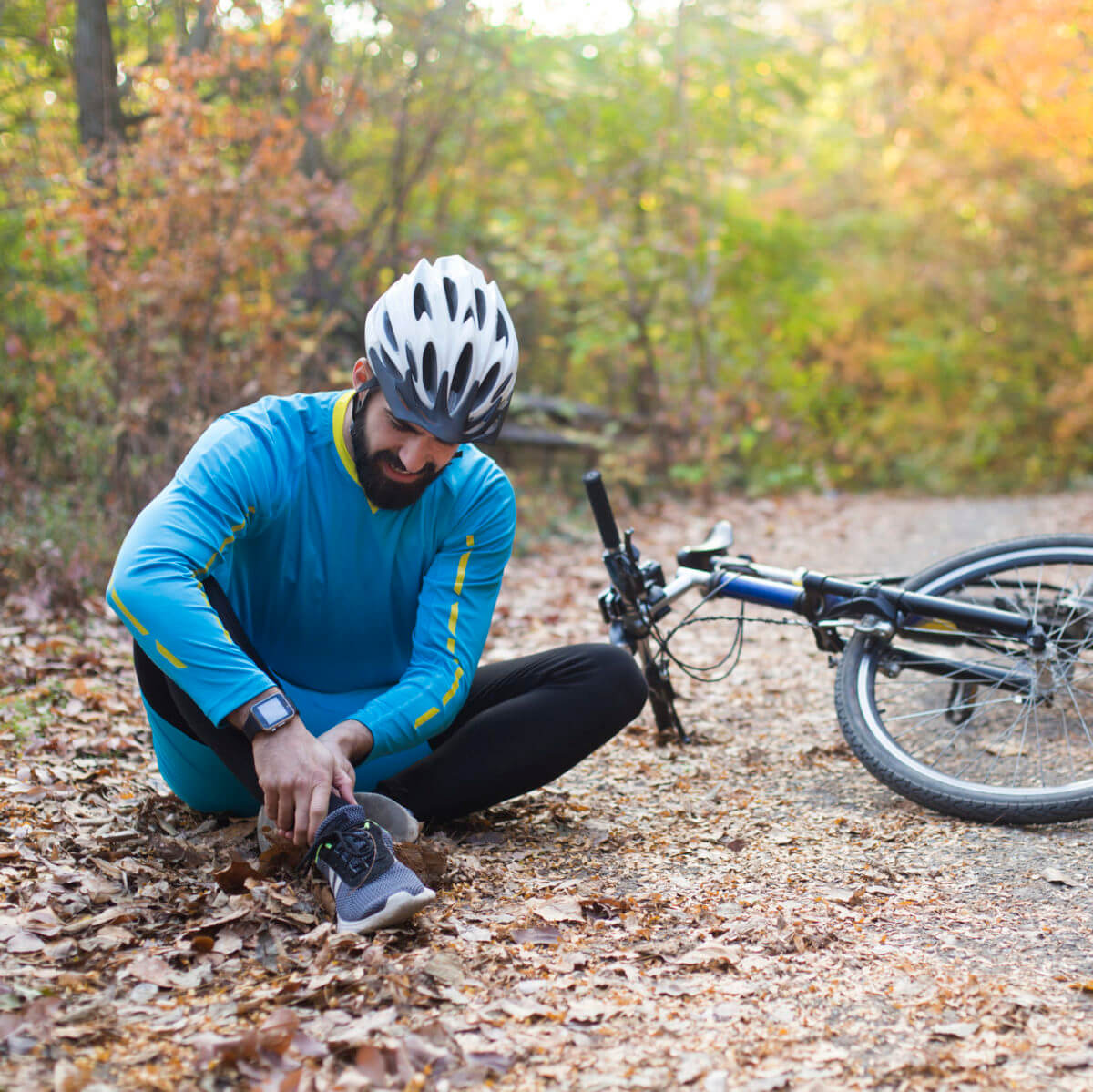
Knowing basic first aidis crucial. Always carry a small first aid kit. Clean wounds with water to avoid infection. Apply pressure to stop bleeding. Use a bandage to cover cuts. Check for sprains or fractures. Rest if you feel pain. Always stay calm and focused. Quick action can prevent serious harm.
Always have a phone with you. Keep it charged. Tell someone your route before leaving. Use a walkie-talkiein areas with no signal. GPS devices are helpful for location tracking. Make sure friends know your plans. Communication helps in emergencies. It’s important for safety.
Plan your evacuation route before biking. Know the nearest exit points. Identify safe areas along your path. Always ride with a buddy. Buddies can assist in emergencies. Map out easy routes for quick exits. Practice your evacuation planregularly. Stay prepared for any situation.

Credit: www.instagram.com
Regular Bike Maintenance
Check your bike parts often. Look at the brakes closely. Ensure they work well. Examine the gears too. Make sure they shift smoothly. Inspect the chain. It should not be rusty or dirty. Look at the handlebars. They must be tight and secure. Check the pedals. They should not be loose.
Clean your bike often. Use soap and water. Wipe away dirt and mud. Dry the bike well. Lubricate the chain. Use special oil for bikes. Apply it evenly. Wipe off extra oil. Lubricate the gears too. Keep them smooth and shiny. A clean bike lasts longer.
Check tire pressure regularly. Use a pressure gauge. Ensure the pressure is right. Look at the tire tread. It should be deep and clear. Good tread grips the ground well. Replace tires if they are worn out. Proper tires prevent accidents.
Frequently Asked Questions
How To Avoid Injury In Mountain Biking?
Wear protective gear like a helmet and gloves. Check your bike’s condition regularly. Learn proper riding techniques. Stay alert and anticipate obstacles. Warm up before riding to prevent muscle strains.
What Is The Most Common Injury In Mountain Biking?
The most common injury in mountain biking is a fracture, particularly to the clavicle or collarbone. Riders often experience bruises, cuts, and sprains too. Wearing protective gear and practicing proper techniques can help reduce these injuries. Always prioritize safety while enjoying the thrill of mountain biking.
Is Mountain Biking Hard On Your Body?
Mountain biking can be challenging for the body due to rough terrains and intense physical effort. Proper technique and equipment reduce risks of injury. Regular stretching and strength training improve endurance and minimize strain. Always use protective gear to safeguard against falls and accidents.
How Can Cycling Injuries Be Prevented?
Wear a properly fitted helmet for protection. Maintain your bike regularly for safety. Use reflective gear to increase visibility. Practice proper cycling techniques to avoid accidents. Stay hydrated and stretch before riding to prevent muscle injuries.
Conclusion
Stay safe while mountain biking by wearing proper gear. Remember, prevention is key. Adjust your bike to fit your body perfectly. Practice basic skills regularly. Ride within your comfort level to avoid accidents. Always check your equipment before hitting the trails.
Focus on the path ahead. Stay aware of surroundings to avoid sudden obstacles. Hydration and rest are crucial for endurance. Listen to your body; it knows when to stop. Ride with friends for extra safety. Use these tips to enjoy biking without injuries.
Your journey on the trails will be more fun and safe.



