
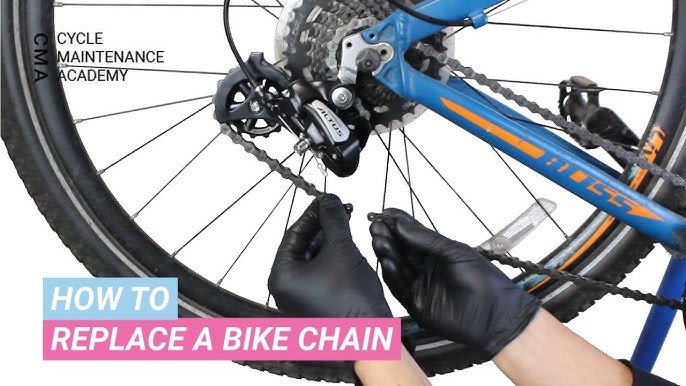
Are you ready to take your mountain biking experience to the next level? Imagine the exhilarating rush of navigating rugged trails and conquering steep hills without a hitch.
A crucial component of this thrilling adventure is ensuring your mountain bike chain is in top shape. But when was the last time you thought about your bike chain? If the answer is “not recently,” it’s time to give it some attention.
In this Mountain Bike Chain Replacement Guide, we’re diving into the nitty-gritty of how to keep your rides smooth and your bike performing at its best. Why is this important? A well-maintained chain not only enhances your biking performance but also prevents unexpected breakdowns that could leave you stranded in the middle of nowhere. With this guide, you’ll discover everything you need to know about replacing your bike chain, ensuring every ride is as thrilling as the first. So, let’s gear up and get started on transforming your biking experience!

Credit: www.worldwidecyclery.com
Types Of Mountain Bike Chains
Single-speed chains are strongand simple. They fit bikes with one gear. No need for shifting. These chains are thicker than other types. Strong metals make them last longer.
Multi-speed chains work with many gears. They are flexibleand thin. Easy to switch gears. Light and smooth for fast rides. They need more care to keep clean.
Chains come in different materials. Steel is common and durable. Stainless steel lasts longer and resists rust. Titanium is strong and light. Alloys mix metals for strength. Choose based on your bike and ride.
Signs Your Chain Needs Replacement
A chain that has stretched will not work well. It can cause poor shifting and damage to the bike. Use a special tool to check the chain. If it stretches too much, it is time to get a new one.
Chains that skip gears are a problem. This makes riding hard and not fun. Listen for a clicking sound when you ride. That is a sign your chain is not right.
Chains can have rust and wear over time. Rust makes the chain weak and can break. Look for shiny or worn spots on your chain. If you see these, replace the chain soon.
Tools Required For Chain Replacement
The chain breaker toolhelps in removing the old chain. It pushes the pin out of the chain link. This tool makes the job easy and clean. Without it, removing a chain is tough. It is small and simple to use. Every biker should have this tool in their kit.
A chain wear indicatorchecks if the chain is worn. Slide it into the chain links. If it fits easily, the chain needs replacing. It is quick to use. This tool helps avoid damage to bike parts. Keep it handy for regular checks.
Quick link pliershelp to open and close the quick link. They are easy to use. These pliers make chain changes faster. Without them, it is hard to remove or join a chain. They are small and fit in a toolbox. Every bike owner should use them.

Credit: www.wikihow.com
Step-by-step Chain Removal
Place your bike on a stable surface. Use a bike stand if you have one. This helps keep the bike steady. Shift the chain to the smallest gear. This reduces tension and makes removal easier. Keep tools ready nearby. You’ll need a chain breaker or pliers.
Find the chain’s master link. Use the chain tool to open it. If there’s no master link, use the tool to push out a pin. Careful not to lose small parts. The chain is now ready to be removed. Slide it off the bike. Dispose of it if it’s worn out.
Use a brush to clean gears and parts. Remove dirt and grime. Use a rag with some degreaser. Wipe down all surfaces. Make sure to clean thoroughly. A clean drivetrain makes the bike run smoother. Now, it’s ready for a new chain.
Installing A New Chain
Before putting on a new chain, measure its length. Lay the chain on a flat surface. Count the links. Compare it with the old chain. If the new chain is longer, remove some links. Always use a chain tool for this. Proper length is important for smooth riding.
Join the chain ends with a master link or a pin. Align the links properly. Push the pin through the holes. Ensure the chain is tight but not too tight. Loose chains can fall off.
Spin the pedals slowly. Watch the chain move over the gears. Listen for any noise. A good chain should be quiet. Adjust if needed. Double-check the length and connections. Safe rides need a well-installed chain.

Credit: www.singletracks.com
Maintenance Tips For Longevity
Keep your bike chain clean for longer life. Dirt and grime can wear it out fast. Use a soft brush to remove debris. Wipe with a clean cloth. This keeps the chain in good shape. A clean chain is a happy chain.
Lubricate your chain to reduce friction. A well-lubricated chain glides smoothly. Use oil made for bike chains. Apply a small amount. Wipe away extra oil with a cloth. This keeps the chain from rusting. It also helps it last longer.
Cross-chaining puts stress on the chain. This happens when the chain is on opposite gears. It can cause wear and tear. To avoid this, shift gears smoothly. Keep the chain aligned with the right gears. This simple habit saves the chain from damage.
Common Mistakes To Avoid
Choosing the wrong chain type can cause trouble. Chains must fit your bike. A road bike chain won’t work on a mountain bike. Check your bike’s manual. Find the correct type before buying.
Improper chain length can damage your bike. Too long or too short is bad. Measure twice before cutting. Match the old chain length. Use a chain tool for safety.
Neglecting regular checks leads to problems. Chains wear out with time. Check for rust and dirt often. Clean and oil your chain monthly. This keeps your bike running smoothly.
Faqs On Chain Replacement
Discover the essentials of mountain bike chain replacement. Learn how to identify signs of wear, choose the right chain, and follow simple steps for a smooth swap. Enhance your biking experience with our easy-to-understand guide.
Best Chain Brands
Many brands make strong bike chains. Shimano is well-known. They make chains that last long. SRAM is another good brand. Their chains are smooth and quiet. KMC chains are also strong. They are cheaper but work well. Each brand has different strengths. Choose based on your biking needs.
Frequency Of Replacement
Biking often needs chain checks. Check your chain every month. Chains wear out with use. Mud and dirt make them wear faster. Replace your chain every 2000 miles. Listen for chain noise. Noise means it’s time to replace.
Cost Considerations
Chain prices vary. Cheap chains cost around $15. High-end chains can be $50 or more. Choose a chain that fits your budget. Spending more can mean better quality. Good chains last longer. But you don’t need the most expensive chain.
Frequently Asked Questions
How Do I Tell What Chain I Need For My Mountain Bike?
Check your bike’s drivetrain specs to determine the chain type. Match the chain with gear speed: 8, 9, 10, 11, or 12-speed. Ensure compatibility with the bike’s cassette and chainring. Refer to the manufacturer’s guidelines for precise chain requirements.
How To Fit A New Chain To A Mountain Bike?
First, remove the old chain using a chain breaker tool. Measure and cut the new chain to the correct length. Connect the chain ends using a master link or chain pin. Install the chain onto the chainring and cassette, ensuring proper alignment.
Test for smooth operation by pedaling.
Do You Need A Chain Guide On A Mountain Bike?
A chain guide is essential for mountain bikes on rough terrains. It prevents chain drops and maintains tension. Riders seeking reliable performance should consider using one. Chain guides enhance drivetrain efficiency and protect against damage. They are particularly beneficial for aggressive riding styles.
How Often Should A Mountain Bike Chain Be Changed?
Change a mountain bike chain every 500-1,000 miles. Regularly check for wear and replace if stretched. Proper maintenance ensures better performance and longevity. Always keep the chain clean and lubricated to extend its lifespan. Regular checks prevent gear slipping and improve riding efficiency.
Conclusion
Replacing a mountain bike chain is essential for smooth rides. Regular maintenance keeps your bike in great shape. Follow the steps for a hassle-free replacement. Use the right tools and ensure the chain fits well. A well-maintained chain lasts longer and performs better.
Remember, a clean chain prevents wear and tear. Enjoy your rides with confidence and safety. Keep your bike ready for any trail. Happy cycling!



