
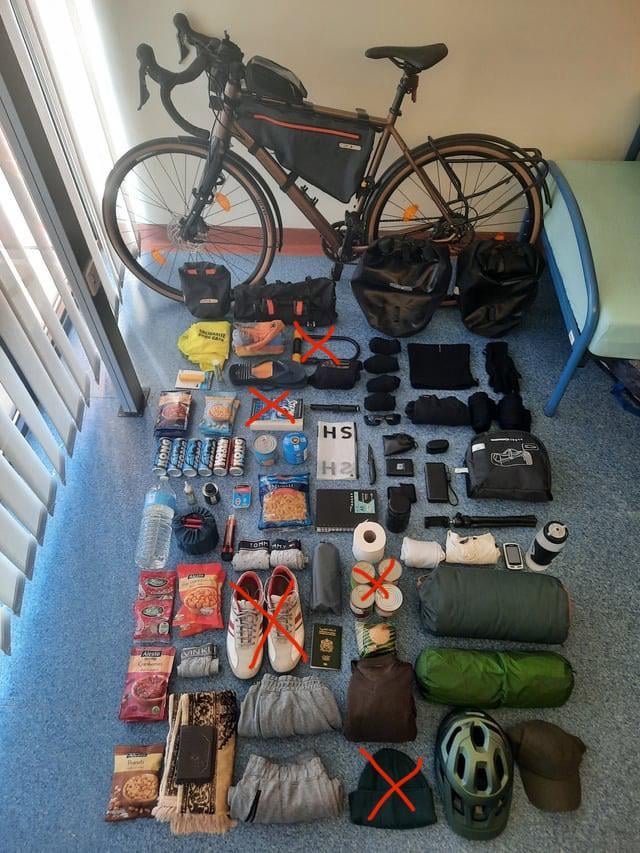
Packing food and water for your bikepacking trip can make or break your adventure. You need the right balance of nutrition and hydration without overloading your bike.
But how do you choose what to bring? How much is enough? In this guide, you’ll discover simple, practical tips to pack smart, stay energized, and keep going mile after mile. Keep reading, and you’ll learn exactly how to fuel your ride the right way.
Choosing The Right Containers
Packing food and water right is key for bikepacking trips. Choosing the right containers helps keep your supplies fresh and easy to access.
Good containers are lightweight, durable, and prevent leaks. This guide covers the best options for carrying liquids and food on your trip.
Lightweight Bottles And Hydration Bladders
Lightweight bottles are easy to carry and refill. Hydration bladders fit inside backpacks and let you drink without stopping.
- Choose bottles made from BPA-free plastic or aluminum.
- Pick bladders with a secure hose and bite valve.
- Look for containers that fit your bike’s frame or bag pockets.
- Check container weight to keep your load light.
Reusable Food Storage Options
Reusable containers keep your food fresh and reduce waste. They come in many shapes and sizes to fit snacks, meals, and leftovers.
| Container Type | Material | Best Use | Weight |
| Silicone Bags | Silicone | Snacks and small items | Very Light |
| Plastic Containers | Hard Plastic | Meals and solid foods | Moderate |
| Stainless Steel | Metal | Hot or cold foods | Heavier |
| Ziplock Bags | Plastic | Flexible storage | Light |
Sealing And Leak Prevention
Good seals stop leaks and keep food fresh. Use containers with tight lids or sealing zippers for best results.
- Check lids for rubber gaskets or locking clips.
- Use silicone seals to improve airtightness.
- Test containers for leaks before packing.
- Wrap containers with plastic wrap for extra protection.

Credit: www.reddit.com
Selecting Nutritious, Lightweight Foods
Choosing the right food is key for bikepacking trips. You need items that fuel your body and are easy to carry.
Pick foods that offer good energy and do not add much weight to your pack. This helps you ride longer and feel better.
High-energy Snacks
High-energy snacks give quick fuel during rides. They help keep your energy up without stopping for big meals.
Good snacks include nuts, seeds, and energy bars. These items have fats and proteins for lasting energy.
- Almonds, walnuts, and peanuts
- Chia seeds and pumpkin seeds
- Granola bars or protein bars
- Dried fruit like raisins or apricots
Dehydrated And Freeze-dried Meals
Dehydrated and freeze-dried meals are lightweight and easy to pack. You just add water to prepare them.
These meals keep well for many days. They include many nutrients you need on the trail.
- Instant noodles or rice dishes
- Freeze-dried vegetables and meats
- Soup mixes with dehydrated ingredients
Fresh Food Considerations
Fresh foods give vitamins and taste good but can spoil fast. Choose items that last longer without refrigeration.
Pack fresh foods carefully. Eat them early in the trip to avoid waste and stomach problems.
- Apples, oranges, and carrots
- Hard cheeses that stay firm
- Whole-grain bread or tortillas
- Pre-cooked meats in small amounts
Packing Techniques For Efficiency
Packing food and water for bikepacking trips needs good planning. Efficient packing saves space and keeps things easy to reach.
Using smart techniques helps you carry enough supplies without extra weight or mess. It makes your trip safer and more fun.
Organizing By Meal And Time
Sort your food by meals like breakfast, lunch, and dinner. Also, think about when you will eat each meal during the trip.
Keep each meal’s food together in separate bags or containers. This way, you find what you need fast and avoid mixing items.
- Pack breakfast foods in one pouch for quick morning access
- Keep lunch items handy for midday stops
- Store dinner foods in a place that is easy to reach at camp
- Snack separately for easy grabbing on the trail
Using Compression Bags And Pouches
Compression bags save space by pushing air out of soft food packages. They keep your gear compact and organized.
Use pouches for small items like spices, nuts, or dried fruit. It stops loose food from spilling and mixing with other gear.
- Choose lightweight compression bags for bulky foods
- Seal pouches tightly to keep food fresh and dry
- Label each bag for easy identification
- Group similar items in the same bag
Balancing Weight And Accessibility
Put heavier food and water close to your bike’s center. This balance helps you ride smoothly and safely.
Keep foods you need often in easy-to-reach places. Save harder-to-get items for when you stop or camp.
- Place heavy items low and near the bike frame
- Store snacks and water in side pockets or handlebar bags
- Keep emergency food in a quick-access spot
- Distribute weight evenly on both sides of the bike
Water Management Strategies
Carrying enough water is critical on bikepacking trips. Water helps keep you energized and safe. Planning ahead can avoid dehydration and discomfort.
Use smart methods to estimate, find, and save water during your ride. These tips help you manage water well on the trail.
Estimating Daily Water Needs
Your daily water needs depend on distance, weather, and your body. Hot weather or hard effort means more water is needed. Plan carefully to avoid running dry.
- Drink about half a liter per hour of riding.
- Add extra water for hot or dry conditions.
- Consider your sweat rate and personal needs.
- Carry a small reserve for emergencies.
Finding And Treating Water Sources
Locate water sources along your route. Streams, lakes, and springs are common. Always treat water to avoid illness.
| Water Source | Treatment Method | Notes |
|---|---|---|
| Stream or River | Boiling, filtering, or chemical tablets | Check flow and clarity before use |
| Lake or Pond | Filtering and chemical treatment | Avoid stagnant water if possible |
| Spring or Well | Usually clean but filter if unsure | Test taste and clarity |
| Rainwater | Generally safe but filter to be sure | Collect fresh rain, avoid runoff |
Conserving Water On The Trail
Save water by using it wisely. Avoid waste and plan your stops to refill. Small habits can stretch your supply further.
- Drink small sips often instead of large gulps.
- Use water only for drinking, not washing.
- Stop in shaded areas to reduce sweat loss.
- Carry lightweight gear to lower exertion and water need.
- Plan your route near known water points.
Food Safety On The Road
Keeping your food safe during bikepacking trips is important. Proper packing helps avoid illness and waste. You can enjoy your meals without worry if you follow simple rules.
This guide covers how to prevent spoilage, avoid contamination, and handle wildlife encounters on the road. These tips keep your food fresh and safe.
Preventing Spoilage
Store food in cool, dry places to slow down spoilage. Avoid packing too much perishable food. Use airtight containers or resealable bags to keep moisture out.
- Keep food away from direct sunlight.
- Use insulated bags or coolers for sensitive items.
- Eat perishable items early in the trip.
- Freeze water bottles before the trip to keep food cool.
Avoiding Contamination
Clean hands and utensils prevent contamination. Always wash hands before eating or preparing food. Use clean water and store food separately from dirty gear.
| Food Safety Tip | Action |
| Hand Hygiene | Wash hands with soap or sanitizer |
| Utensil Cleanliness | Rinse and dry before use |
| Separation | Keep raw and cooked foods apart |
| Storage | Seal food in clean containers |
Handling Wildlife Encounters
Wildlife can be attracted to your food. Store food in bear-proof or sealed containers. Do not keep food inside your tent or sleeping area.
- Hang food bags from trees if no containers are available.
- Clean cooking areas after meals to remove smells.
- Do not feed wildlife or leave scraps behind.
Essential Gear For Food And Water
Packing the right food and water gear is key for bikepacking trips. It helps keep you fueled and hydrated on the road.
Choose gear that is light, compact, and easy to use. This saves space and weight in your bags.
Portable Stoves And Cookware
Portable stoves let you cook hot meals anywhere. They are small and run on fuel or canisters.
Cookware should be lightweight and durable. Look for pots and pans that nest together to save space.
- Compact stove with fuel canister
- Lightweight pot with lid
- Small frying pan or pan with foldable handle
- Heat-resistant gloves or pot holders
Water Filters And Purifiers
Clean water is vital for health. Water filters remove dirt and bacteria from natural sources.
Purifiers use chemicals or UV light to kill viruses. Choose one that fits your trip length and water sources.
- Pump water filter for clear, fast filtering
- Gravity filter for easy, hands-free use
- UV purifier pen for small amounts of water
- Chemical tablets for emergency backup
Utensils And Cleanup Supplies
Bring lightweight utensils for eating and cooking. Metal or hard plastic works well.
Cleanup items keep your gear ready for the next meal. Pack small sponges and biodegradable soap.
- Fork, spoon, and knife set
- Collapsible or small bowl and cup
- Small biodegradable soap bottle
- Compact sponge or scrubber
- Lightweight quick-dry towel
Adjusting Packs For Trip Length And Terrain
Packing food and water for bikepacking depends on how long and where you ride. Your supplies must match your trip’s length and terrain. This helps you stay fueled and hydrated without carrying too much weight.
Different trips need different strategies. You may need to carry more or less food and water depending on the climate and if you can resupply along the way.
Short Trips Vs. Extended Adventures
Short trips usually last a day or two. You can carry smaller amounts of food and water. Extended adventures need more careful planning. You must pack enough to last several days or weeks.
- Short Trips: Pack light. Bring high-energy snacks and 1-2 liters of water.
- Extended Adventures: Carry meals for each day. Include extra water and food for emergencies.
- Consider calorie needs. Longer trips need more calories and hydration.
Riding In Different Climates
Climate affects how much food and water you need. Hot weather increases water needs. Cold weather requires more calories to keep warm.
| Climate | Food Needs | Water Needs |
| Hot | Light meals, salty snacks | More than 3 liters per day |
| Cold | High-calorie meals, fats | 2-3 liters per day |
| Moderate | Balanced meals | 2 liters per day |
Adapting To Remote Or Resupplied Routes
Remote routes require carrying all food and water. Resupplied routes let you carry less and refill along the way. Plan your pack based on how often you can restock.
- For remote trips, pack lightweight, high-calorie food.
- Carry water purification tools if natural sources are available.
- On resupply routes, plan stops and pack enough to reach them.

Credit: www.bikedgoods.co

Credit: www.reddit.com
Frequently Asked Questions
How Much Water Should I Carry For Bikepacking Trips?
Carry at least 2 liters of water per day. Adjust based on climate, intensity, and availability of refill points. Hydration is crucial to maintain energy and focus on the trail. Always plan for extra water in dry or hot conditions.
What Are The Best Foods For Bikepacking?
Choose lightweight, high-energy foods like nuts, dried fruits, energy bars, and jerky. These are easy to pack, non-perishable, and provide essential nutrients. Include some fresh produce when possible for vitamins and hydration.
How Do I Pack Food To Avoid Spoilage?
Use airtight containers or resealable bags to keep food fresh. Store perishable items in insulated bags with ice packs. Avoid packing foods that spoil quickly unless you have proper refrigeration options.
Can I Carry Water Purification Methods On Bikepacking Trips?
Yes, carry lightweight purification tools like tablets, filters, or UV purifiers. They ensure safe drinking water from natural sources. This reduces the need to carry excessive water weight and increases flexibility on the trail.
Conclusion
Packing food and water well makes bikepacking trips easier and safer. Choose light, nutritious food that lasts long without spoiling. Carry enough water and know where to refill along your route. Organize your supplies so you can reach them quickly.
Keep meals simple to save time and energy. With smart packing, enjoy your adventure without worries. Stay prepared, stay fueled, and keep riding strong.



