

If you love dirt jumping, you know how important it is to keep your bike in top shape. Your bike takes a beating every time you hit the jumps, so regular maintenance isn’t just a good idea—it’s a must.
But where do you start? How do you make sure your bike stays safe, smooth, and ready for action? This guide will show you simple, effective steps to keep your dirt jump bike running like new. By the time you finish reading, you’ll have the confidence to maintain your bike yourself and enjoy every ride without worry.
Let’s dive in and get your bike jump-ready!
Dirt Jump Bike Basics
Dirt jump bikes are built for jumping and tricks. They are strong and light. These bikes help riders fly over dirt ramps and land safely.
Knowing the basics of these bikes helps you keep them in good shape. Regular care makes your ride smoother and safer.
Key Components
Dirt jump bikes have parts made for tough riding. Each part plays a role in how the bike works and handles jumps.
- Frame:Usually made of strong metals like chromoly. It is smaller and stiff for control.
- Fork:Often rigid, not suspension. This keeps weight low and improves control.
- Wheels:Usually 26 inches, wide rims, and thick tires for grip and shock absorption.
- Brakes:Most have rear brakes only for safety and tricks.
- Gears:Single speed is common for simplicity and less maintenance.
Common Dirt Jump Bikes
There are many dirt jump bikes available. They differ in frame material, weight, and price. Choosing the right one depends on your skill and style.
| Bike Model | Frame Material | Wheel Size | Brakes |
|---|---|---|---|
| Model A | Chromoly Steel | 26 inch | Rear Disc Brake |
| Model B | Aluminum | 26 inch | Rear Rim Brake |
| Model C | Chromoly Steel | 24 inch | Rear Disc Brake |
Essential Tools For Maintenance
Keeping your dirt jump bike in good shape needs the right tools. Using proper tools makes repairs easier and safer.
This guide covers the basic tool kit and some specialized equipment you need for dirt jump bike maintenance.
Tool Kit Must-haves
A good tool kit is key for regular bike care. These tools help you fix common problems and do basic adjustments.
- Allen keys (various sizes) for bolts and screws
- Adjustable wrench for nuts and bolts
- Tire levers to remove tires safely
- Bike pump with pressure gauge
- Chain tool to fix or replace chains
- Screwdrivers (flat and Phillips head)
- Cleaning brushes and rags
- Lubricant for the chain and moving parts
- Patch kit for fixing flat tires
Having these tools ready saves time and keeps your bike ready to ride. Store them in a small toolbox or bag.
Specialized Equipment
Special tools help with more detailed repairs and maintenance. They make some tasks easier and more precise.
- Torque wrench to tighten bolts to exact settings
- Spoke wrench to adjust wheel spokes
- Chain whip and cassette lockring tool for gear work
- Bottom bracket tool for crankset maintenance
- Shock pump to adjust suspension pressure
- Bike stand to hold the bike steady while working
Using the right specialized tools protects your bike parts and helps keep your bike performing well.
Cleaning Your Dirt Jump Bike
Keeping your dirt jump bike clean helps it work better and last longer.
Regular cleaning removes dirt and grime that can cause damage over time.
Best Cleaning Techniques
Use soft brushes and mild soap to clean your bike. Avoid harsh chemicals.
- Rinse the bike with low-pressure water first.
- Apply bike-specific cleaner or mild soap with a sponge.
- Use a soft brush to scrub the frame and wheels gently.
- Clean the chain with a degreaser and a brush.
- Rinse off all soap and dirt carefully.
- Dry the bike with a clean cloth to prevent rust.
Avoiding Damage During Cleaning
Be careful not to damage parts when cleaning your bike. Some areas are fragile.
| Area | Cleaning Tip |
| Suspension | Use a damp cloth, avoid high-pressure water. |
| Bearings | Do not spray water directly, use lubricant after cleaning. |
| Brakes | Avoid soap and oil contact; wipe with a clean cloth. |
| Chain | Use degreaser and dry thoroughly before lubrication. |
Inspecting Frame And Fork
Regularly checking your dirt jump bike’s frame and fork keeps you safe. These parts take heavy impact and need care.
Look closely for any damage or loose parts before each ride. This helps avoid accidents and bike failure.
Checking For Cracks And Wear
Inspect the frame and fork for cracks or worn areas. Cracks can grow and cause breaks during jumps.
Use a bright light and clean the surfaces to see small cracks. Pay special attention to welds and joints.
- Look for hairline cracks in paint or metal
- Check for dents or bends in the frame
- Examine fork stanchions for scratches or damage
- Feel for rough spots or corrosion on metal parts
Tightening Bolts And Joints
Loose bolts and joints can cause unsafe rides. Check all bolts on the frame and fork regularly.
Use the right tools to tighten bolts without over-tightening. Loose parts can cause wobble or failure.
- Check stem bolts and handlebar clamps
- Tighten headset bolts to remove play
- Inspect and tighten fork crown bolts
- Ensure axle bolts are secure
Maintaining The Suspension
Keeping your dirt jump bike’s suspension in good shape helps it perform well. Regular care stops damage and keeps rides smooth.
Check and adjust the suspension often. This keeps it working right and extends its life.
Suspension Adjustment Tips
Adjust your suspension to match your weight and riding style. Proper settings make jumps easier and safer.
- Set the sag by sitting on the bike and measuring how much the suspension compresses.
- Adjust rebound speed to control how fast the suspension returns after a bump.
- Change compression settings to control how firm the suspension feels.
- Test your settings on a small jump and fine-tune as needed.
Lubrication And Seal Care
Keep suspension parts clean and lubricated. This stops dirt from causing wear and damage.
| Maintenance Task | Frequency | Notes |
| Clean seals and stanchions | After every ride | Use a soft cloth and mild cleaner |
| Lubricate seals | Monthly | Use suspension-specific lubricant |
| Inspect seals for damage | Every 3 months | Replace if cracked or worn |
| Full suspension service | Yearly | Have a professional check and rebuild |
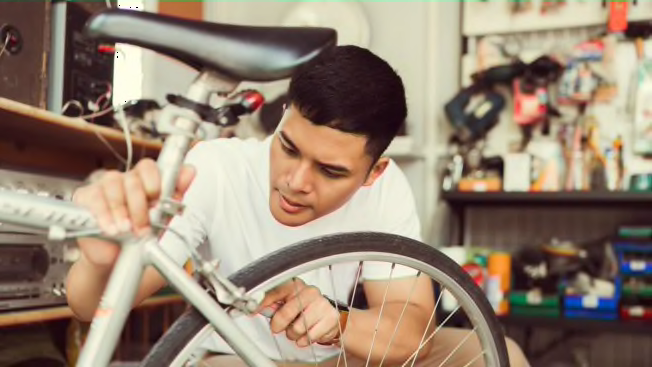
Credit: www.consumerreports.org
Wheel And Tire Care
Proper wheel and tire care keeps your dirt jump bike safe and smooth. Regular checks help avoid accidents and costly repairs.
Focus on tire pressure, wheel alignment, and replacing worn parts to keep your bike ready for jumps and tricks.
Checking Tire Pressure
Check tire pressure before every ride. Proper pressure improves control and reduces flats.
- Use a pressure gauge to measure PSI
- Refer to tire sidewall for recommended pressure
- Adjust pressure based on terrain and rider weight
- Inflate tires slowly to avoid overpressure
- Check for leaks if pressure drops quickly
Truing Wheels
Truing wheels means making them straight and round. Bent wheels cause poor handling and wear.
| Tool | Use | Tip |
| Spoke wrench | Tighten or loosen spokes | Turn small amounts at a time |
| Truing stand | Hold wheel steady | Check rim side to side |
| Marker or tape | Mark problem spots | Mark before adjustments |
Replacing Tires
Replace tires when tread wears out or damage occurs. New tires improve grip and safety.
- Remove the wheel from the bike
- Use tire levers to pry off the old tire
- Check the inner tube for damage or replace it
- Fit the new tire onto the rim carefully
- Inflate to recommended pressure
- Reinstall the wheel and check alignment
Brake System Upkeep
Keeping your dirt jump bike’s brake system in good shape is important for safety and control. Regular checks help the brakes work well on every jump and landing.
This guide covers how to inspect brake pads, adjust brake cables, and bleed hydraulic brakes. Follow these tips to keep your brakes responsive and reliable.
Brake Pad Inspection
Check your brake pads for wear before each ride. Thin or uneven pads reduce stopping power and can damage the rotors.
- Remove the wheel to see the brake pads clearly.
- Look for pads thinner than 3mm; replace if needed.
- Check for cracks or glazing on the pad surface.
- Make sure pads touch the rotor evenly when braking.
- Clean brake pads with rubbing alcohol to remove dirt.
Adjusting Brake Cables
Loose or tight brake cables affect how your brakes respond. Adjust the cables to get the right tension and smooth brake action.
| Adjustment Point | What to Check | Action |
| Brake Lever Barrel | Brake lever feel | Turn barrel to tighten or loosen cable |
| Cable Anchor Bolt | Cable slack | Loosen bolt, pull cable tight, then retighten |
| Brake Pads | Pad contact with rotor | Adjust pad position if needed |
Bleeding Hydraulic Brakes
Hydraulic brakes need bleeding to remove air bubbles. This keeps brake pressure firm and stops spongy braking.
- Gather a brake bleed kit and the correct brake fluid.
- Attach the bleed kit to the brake caliper and lever.
- Open valves to let old fluid and air escape.
- Push new brake fluid through the system slowly.
- Close valves and wipe off any spilled fluid.
- Test brake lever for firm pressure before riding.
Drivetrain Maintenance
Keeping your dirt jump bike’s drivetrain in good shape helps it perform well. Clean and lubricate the parts often. Check for any worn or damaged components.
Regular maintenance prevents breakdowns and extends the life of your bike. Focus on the chain, gears, and derailleur for smooth riding.
Chain Cleaning And Lubrication
A clean and lubricated chain keeps power flowing. Dirt and grime cause wear and slow your ride. Clean the chain after every few rides.
- Use a chain cleaner or degreaser to remove dirt
- Wipe the chain dry with a clean cloth
- Apply bike-specific lubricant evenly on the chain links
- Let the lubricant settle for a few minutes
- Wipe off any excess lubricant to avoid attracting dirt
Inspecting And Replacing Gears
Check the gears for wear or damage regularly. Worn teeth can cause slipping and poor shifting. Replace gears if they look sharp or uneven.
| Gear Issue | Signs | Action |
| Worn teeth | Sharp edges, skipping chain | Replace gears |
| Bent gear | Noise during shifting | Straighten or replace gear |
| Rust or corrosion | Discoloration, rough surface | Clean or replace |
Adjusting Derailleur
The derailleur guides the chain over gears. Adjust it for smooth shifting and no chain drops. Use the barrel adjuster to fine-tune cable tension.
- Shift to the smallest gear
- Turn the barrel adjuster to tighten or loosen the cable
- Shift through all gears to check smoothness
- Adjust limit screws to stop the chain from falling off
- Test ride to confirm proper shifting
Bearing And Hub Care
Proper care of your bike’s bearings and hubs keeps your dirt jump bike running smoothly. Dirt jumping puts stress on these parts, so regular checks help avoid problems.
Focus on checking smoothness and cleaning bearings to extend their life and maintain good performance.
Checking For Smoothness
Spin the wheel and listen for rough sounds or feel any resistance. The wheel should turn easily without wobbling or grinding noises.
- Lift the bike so the wheel is off the ground.
- Spin the wheel with your hand.
- Listen and feel for smooth rotation.
- Check for side-to-side play by gently shaking the wheel.
- If you detect roughness or play, the bearings may need service or replacement.
Cleaning And Greasing Bearings
Clean and grease your bearings regularly to prevent dirt buildup and wear. Remove the wheel and take out the bearings carefully.
| Step | Action |
| 1 | Remove the wheel and take out bearings. |
| 2 | Use a degreaser to clean old grease and dirt. |
| 3 | Dry the bearings completely. |
| 4 | Apply fresh grease evenly inside the bearings. |
| 5 | Reinstall bearings and wheel securely. |
Safety Checks Before Riding
Before you start dirt jumping, check your bike for safety. This helps prevent accidents and keeps you safe.
Pay attention to key parts of your bike. Make sure everything is tight and working well.
Final Tightening And Adjustments
Check all bolts and nuts on your bike. Tighten them firmly but do not over-tighten.
- Check the handlebars for any looseness.
- Tighten the stem bolts securely.
- Inspect the seat clamp and tighten it.
- Ensure the pedals are screwed in well.
- Look over the brakes and adjust if needed.
Test Ride Tips
After making adjustments, take a short ride to test your bike. Look for any issues with control or braking.
| Test Area | What to Check |
| Braking | Brake response and stopping power |
| Steering | Handlebar response and looseness |
| Pedals | Firmness and smooth rotation |
| Suspension | Proper rebound and compression |
| Chain and Gears | Smooth shifting and tension |
Routine Maintenance Schedule
Keeping your dirt jump bike in good shape helps it last longer. A regular maintenance schedule stops small problems from becoming big ones.
This guide covers daily, weekly, and monthly maintenance tasks. Follow these to keep your bike safe and smooth.
Daily Checks
Before each ride, check basic parts of your bike. This saves you from accidents and breakdowns.
- Inspect tires for cuts, punctures, or low pressure
- Check brakes for proper function and pad wear
- Look over the chain for dirt and proper lubrication
- Ensure the handlebars and stem are tight
- Test suspension for smooth movement
Weekly And Monthly Tasks
Do deeper checks every week and month to maintain your bike’s performance. These tasks need more time but keep the bike running well.
| Task | Weekly | Monthly |
| Clean and lubricate the chain | ✓ | ✓ |
| Check and tighten bolts and screws | ✓ | ✓ |
| Inspect suspension seals and clean dust wipers | ✓ | |
| Check tire wear and replace if needed | ✓ | |
| Adjust brake cables or hydraulic fluid | ✓ | ✓ |
| True the wheels to ensure they spin straight | ✓ |
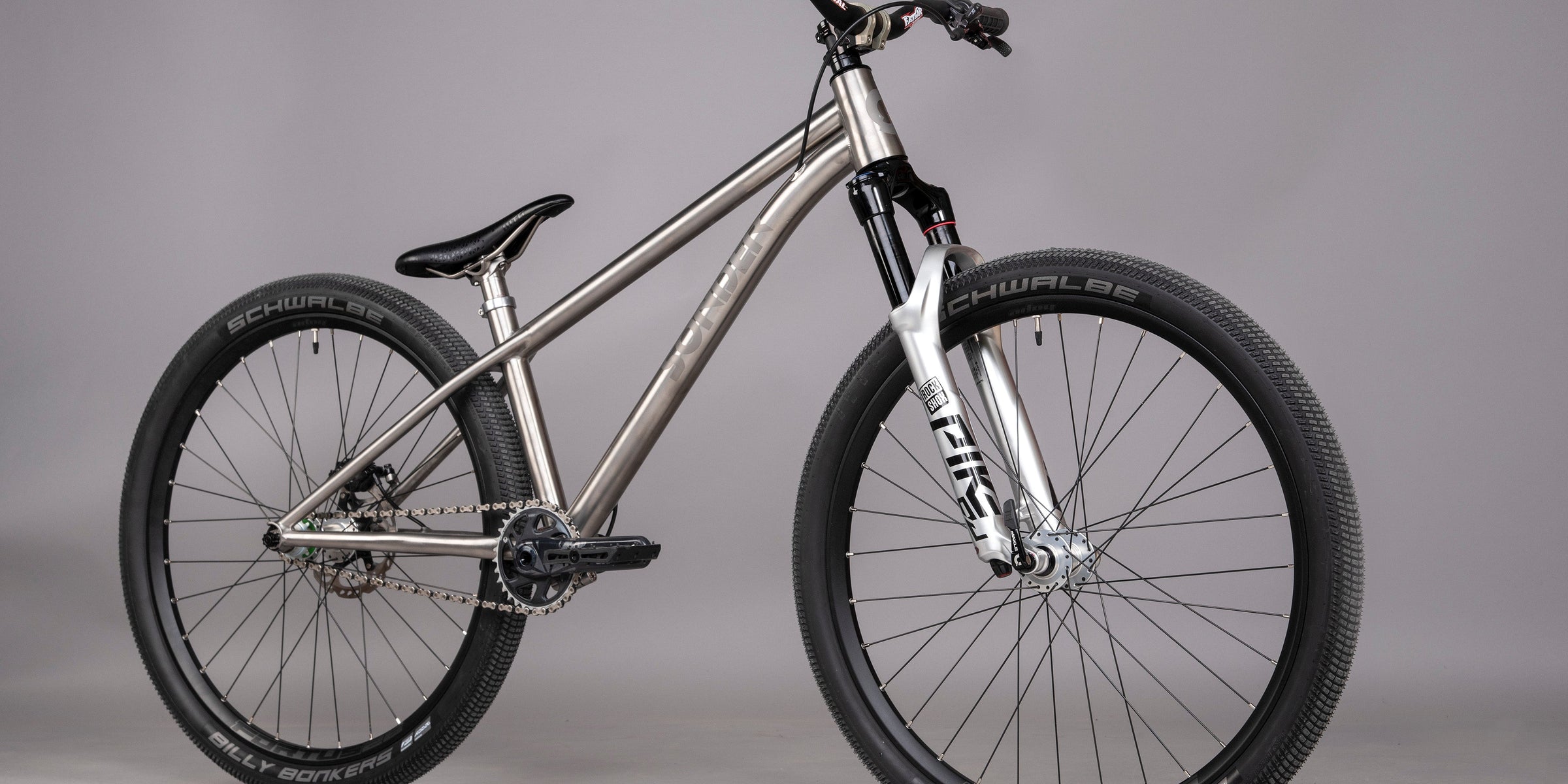
Credit: us.alpkit.com
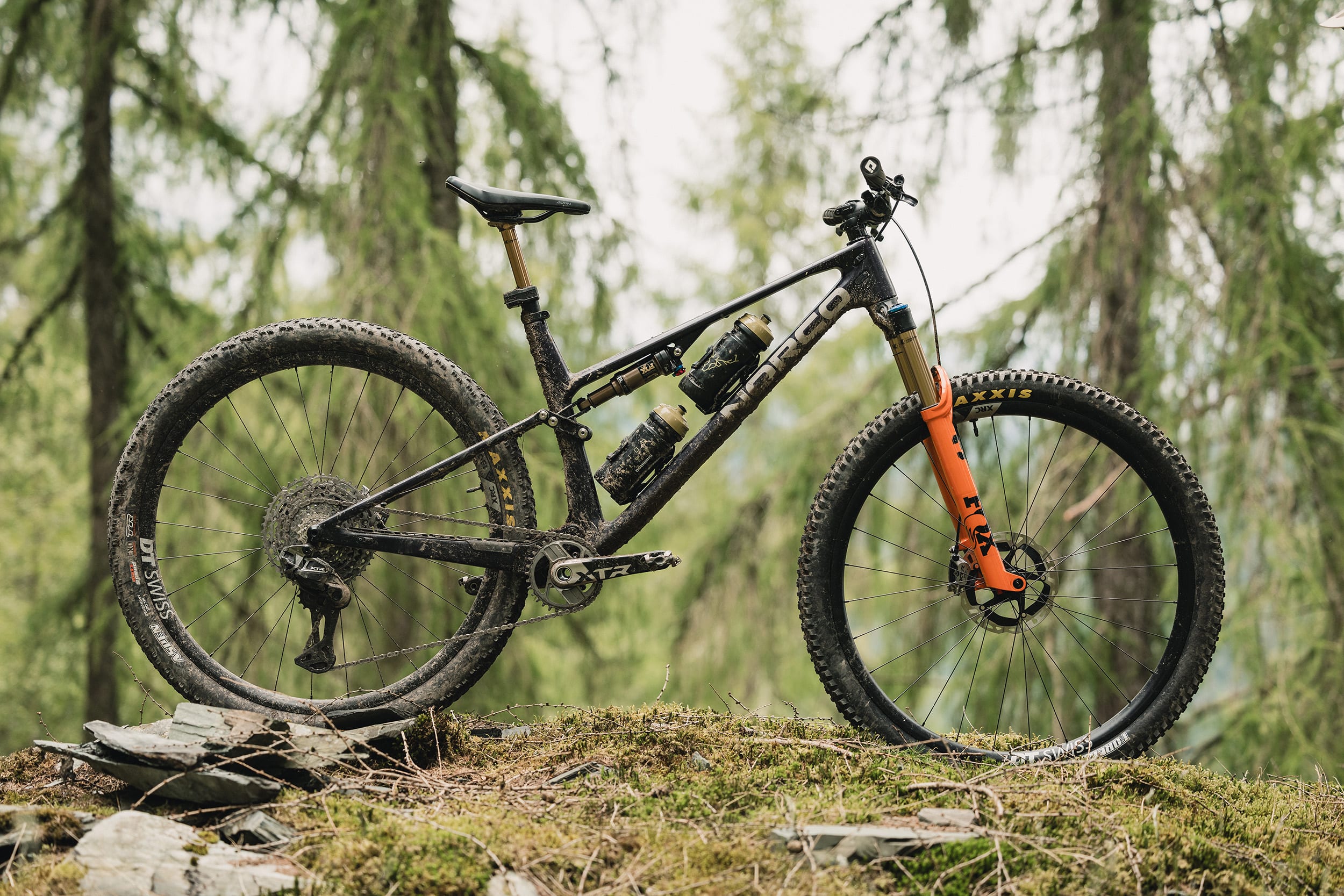
Credit: www.bikemag.com
Frequently Asked Questions
How Often Should I Clean My Dirt Jump Bike?
Clean your dirt jump bike after every ride. Remove dirt, mud, and debris from the frame, chain, and wheels. Regular cleaning prevents rust and keeps components functioning properly. Use a gentle brush and bike-specific cleaner for best results.
What Is The Best Way To Check Bike Suspension?
Inspect suspension before each ride. Check for smooth movement and any unusual noises. Look for oil leaks or damage on forks and shocks. Proper suspension ensures better control and safer jumps on dirt trails.
How Do I Maintain My Dirt Jump Bike Tires?
Check tire pressure regularly, ideally before every ride. Inspect tires for cuts, wear, or punctures. Replace tires when tread is worn out to maintain good grip and control on dirt surfaces.
When Should I Lubricate My Dirt Jump Bike Chain?
Lubricate the chain after cleaning and drying it. Apply bike-specific lubricant to keep the chain running smoothly and prevent rust. Avoid over-lubrication as it attracts dirt, which can cause wear.
Conclusion
Regular dirt jump bike care keeps your rides safe and smooth. Check your bike often for any signs of wear or damage. Clean the chain and gears to avoid rust and dirt build-up. Tighten bolts and inspect your tires before every ride.
Simple steps save you money and prevent accidents. Stay consistent with maintenance to enjoy every jump and landing. Your bike will last longer and perform better. Keep your dirt jump bike ready and enjoy the thrill safely.



