

Are you ready to hit the trails with a bike that fits you perfectly? Finding the right suspension bike designed for women can make all the difference in your riding experience.
The right bike gives you comfort, control, and confidence every time you ride. But with so many options out there, how do you choose the one that matches your needs? In this guide, you’ll discover simple steps to find the perfect suspension bike tailored just for you.
Keep reading, and get ready to transform your rides into something truly enjoyable.

Credit: www.bicycling.com
Choosing The Right Suspension Type
Finding the right suspension bike for women depends on the type of suspension. Bikes mainly come in two types: hardtail and full suspension. Each type offers different riding experiences.
Knowing the differences helps you pick a bike that suits your style and trail needs. Let’s look closely at both types and their benefits.
Hardtail Vs Full Suspension
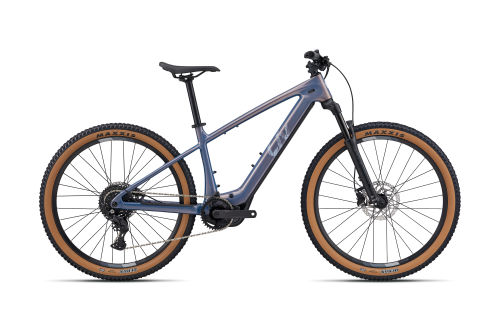
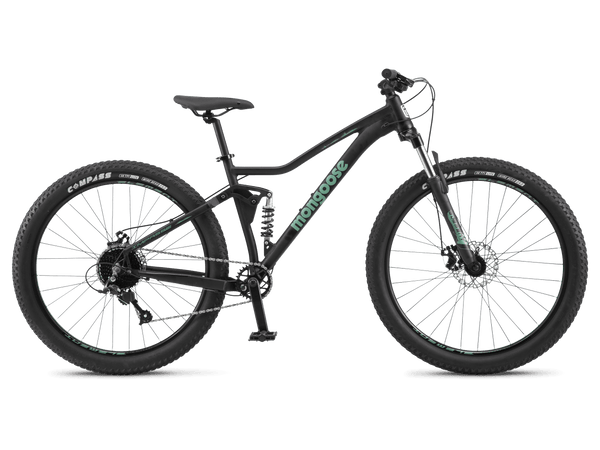
Hardtail bikes have suspension only in the front fork. Full suspension bikes have suspension in both front and rear. This affects comfort, control, and weight.
| Feature | Hardtail | Full Suspension |
|---|---|---|
| Suspension Location | Front fork only | Front and rear |
| Weight | Lighter | Heavier |
| Maintenance | Lower | Higher |
| Comfort | Less on rough trails | More on rough trails |
| Price | Usually less expensive | Usually more expensive |
Benefits Of Each Type
- Hardtail:Easier to pedal uphill and faster on smooth trails.
- Hardtail:Less maintenance means fewer repairs and costs.
- Full Suspension:Provides better control on rough and technical trails.
- Full Suspension:Absorbs shocks, reducing rider fatigue on long rides.
- Full Suspension:Improves traction for better handling on loose surfaces.
Credit: www.liv-cycling.com
Frame Size And Geometry
Choosing the right suspension bike means looking at frame size and geometry. These factors affect how well the bike fits and feels for women riders.
A good fit improves comfort, control, and riding experience on trails or roads.
Measuring For The Perfect Fit
Measure your height and inseam length to find the right frame size. The frame size should match your body to avoid strain or discomfort.
- Stand straight against a wall for height measurement
- Measure inseam by standing with feet 6 inches apart
- Use a tape measure from crotch to floor for inseam
- Compare measurements with bike brand size charts
- Look for frames designed specifically for women’s body shapes
How Geometry Affects Ride Comfort
Bike geometry shapes how the bike handles and how comfortable it feels. Key parts include the top tube length, seat tube angle, and handlebar height.
| Geometry Aspect | Effect on Ride |
| Top Tube Length | Affects reach and control |
| Seat Tube Angle | Influences pedaling efficiency |
| Handlebar Height | Impacts comfort and posture |
| Chainstay Length | Controls stability and maneuverability |
Women’s Specific Design Features
Finding suspension bikes made for women means looking for special design features. These features help improve comfort and performance.
Women’s specific bikes consider body differences. This makes riding easier and safer for women.
Adjustable Components
Suspension bikes for women often include adjustable parts. These parts fit different body sizes and shapes better.
- Adjustable seat height and angle for better comfort
- Handlebars that can move closer or farther away
- Suspension settings that suit lighter weight
- Brake levers sized for smaller hands
Ergonomic Considerations
Ergonomics focus on how the bike fits the rider’s body. Women’s bikes have shapes that support natural posture.
| Feature | Description |
| Frame Size | Smaller frames to fit shorter torso and legs |
| Saddle Shape | Narrower and more padded for female anatomy |
| Handlebar Width | Closer grips to match shoulder width |
| Suspension Travel | Adjusted for lighter body weight |
Suspension Travel And Performance
Choosing the right suspension travel is important for women’s bikes. It affects how the bike handles rough paths.
Suspension performance helps with comfort and control on different trails. It also impacts speed and safety.
Choosing Travel Length
Suspension travel is the distance the suspension moves to absorb shock. Shorter travel gives a firm ride.
Longer travel helps on rough and steep trails. It smooths out big bumps and drops.
- Less than 100mm: Good for city and light trails
- 100-130mm: Best for cross-country and moderate trails
- 130-160mm: Suitable for all-mountain and rough trails
- More than 160mm: Made for downhill and very rough terrain
Impact On Different Terrains
Suspension travel affects how the bike reacts to different ground types. It changes the ride feel and control.
Short travel works well on smooth paths. It keeps the bike fast and light for easy pedaling.
- Short travel is less effective on rocky or bumpy trails
- Medium travel gives balance on mixed surfaces
- Long travel excels on rough, steep, and technical terrain
- More travel can slow the bike on flat ground
Material And Weight
Choosing the right suspension bike for women means thinking about the material and weight. These factors affect comfort and handling on trails.
Lightweight bikes are easier to ride uphill, but durability matters for rough paths. Let’s look at common frame materials and how to balance weight with strength.
Common Frame Materials
Bikes come in different frame materials. Each has good and bad points for women’s suspension bikes.
- Aluminum:Lightweight and affordable. It resists rust and is easy to maintain.
- Carbon Fiber:Very light and strong. It absorbs shocks well but costs more.
- Steel:Strong and durable. Heavier than aluminum and carbon, but offers a smooth ride.
- Titanium:Light and very strong. It does not rust and gives a comfortable ride, but is expensive.
Balancing Weight And Durability
| Material | Weight | Durability | Cost |
|---|---|---|---|
| Aluminum | Light | Good | Affordable |
| Carbon Fiber | Very Light | Good | Expensive |
| Steel | Heavy | Very Good | Moderate |
| Titanium | Light | Excellent | Very Expensive |
Think about how you will use the bike. Pick a frame that matches your riding style and budget. Light frames help with speed. Strong frames last longer on rough trails.
Budget And Price Range
Finding the right suspension bike for women starts with understanding your budget. Bikes come in many price ranges. Setting a price helps narrow your options.
Prices usually reflect the bike’s parts, materials, and features. Knowing what fits your budget keeps your search focused.
Entry-level Options
Entry-level suspension bikes cost less and suit beginners. They offer basic features and solid performance for casual rides.
- Price range: $400 to $800
- Usually made with aluminum frames
- Basic suspension forks with limited travel
- Good for light trail riding and commuting
Mid-range Choices
Mid-range bikes cost more but offer better parts and durability. These bikes suit regular riders and some rough trails.
| Price Range | $800 – $1500 |
| Frame Material | Aluminum or lightweight steel |
| Suspension | Improved forks, sometimes rear suspension |
| Features | Better brakes, gears, and tires |
| Use | Trail riding, fitness, light mountain biking |
Premium Models
Premium suspension bikes cost over $1500. They have advanced features and top materials. These bikes are for serious riders and tough trails.
- Carbon fiber or high-end aluminum frames
- Full suspension with adjustable travel
- Hydraulic disc brakes
- High-performance tires and components
- Lightweight and durable design
Top Brands For Women’s Suspension Bikes
Finding the right suspension bike for women means looking at trusted brands. These brands design bikes made for comfort and performance.
Each manufacturer offers unique features to suit different riding styles and needs. Let’s explore popular brands and what makes them special.
Popular Manufacturers
Top manufacturers focus on women-specific geometry and lightweight materials. They build bikes that handle rough trails with ease.
- Specialized
- Trek
- Giant
- Cannondale
- Scott
What Sets Them Apart
| Brand | Key Feature | Suspension Type |
| Specialized | Women’s-specific designs | Full and Hardtail |
| Trek | Lightweight frames | Full Suspension |
| Giant | Advanced shock technology | Full and Hardtail |
| Cannondale | Strong and durable frames | Full Suspension |
| Scott | Comfort-focused geometry | Full and Hardtail |
These brands use different suspension setups. Full suspension offers more comfort on rough trails. Hardtail bikes are lighter and easier to maintain.
Credit: www.mongoose.com
Test Riding Tips
Test riding a suspension bike for women helps you find the best fit. You can feel how the bike handles and performs on different surfaces.
Take your time during the test ride. Notice how comfortable and controlled the bike feels under you.
What To Look For During A Test Ride
Watch how the bike fits your body. The seat height and handlebar position should feel natural. Check if you can reach the brakes and gears easily.
- Check if the bike feels balanced and stable.
- Notice if the frame size suits your height.
- Try different speeds to test control and comfort.
- Listen for any strange noises or creaks.
- See how easy it is to shift gears and brake.
Evaluating Suspension Performance
Test the suspension by riding over bumps and rough ground. Good suspension should absorb shocks smoothly and keep you steady.
| Suspension Feature | What to Check | Good Signs |
|---|---|---|
| Front Suspension | Check how it absorbs impacts on rough trails. | Soft and smooth movement without harsh stops. |
| Rear Suspension | Feel for comfort on bumpy paths and jumps. | Consistent damping and no excessive bounce. |
| Lockout Feature | Test if it locks the suspension on smooth surfaces. | Easy to engage and disengage with a firm lock. |
Maintenance And Care
Finding suspension bikes for women is only the first step. Proper maintenance helps your bike last longer. It keeps your ride smooth and safe.
Regular care protects important parts like the suspension system. This guide explains how to maintain your bike well.
Basic Suspension Maintenance
Check the suspension parts often for dirt and damage. Clean your shocks after every ride. Use a soft cloth and mild cleaner.
Look for leaks or worn seals on the suspension. Replace parts if you see cracks or damage. This stops bigger problems later.
- Clean suspension forks and shocks regularly
- Inspect seals and stanchions for wear
- Lubricate moving parts with proper oil
- Check air pressure or spring tension as needed
- Replace damaged or worn parts quickly
Keeping Your Bike In Top Shape
Keep your whole bike clean to protect the suspension. Wash dirt and mud off after every ride. Dry it well to avoid rust.
Store your bike indoors away from sun and rain. Check tire pressure and brakes often. Tighten bolts to keep parts secure.
- Wash and dry the bike after rides
- Store bike in a cool, dry place
- Check tire pressure before each ride
- Test brakes and adjust if needed
- Tighten all bolts and screws regularly
Frequently Asked Questions
What Are Suspension Bikes For Women?
Suspension bikes for women are designed to handle rough terrains with ease. They feature shock absorbers to ensure a smooth ride. These bikes are tailored for women’s body geometry, offering comfort and control. Perfect for mountain biking, they help reduce fatigue on challenging trails.
How To Choose The Right Size Suspension Bike?
Choosing the right size is crucial for comfort and performance. Measure your inseam and compare it with the bike’s standover height. A proper fit ensures better control and reduces the risk of injury. Always test ride before purchasing to confirm comfort and handling.
Are Suspension Bikes Suitable For Beginners?
Yes, suspension bikes are great for beginners. They offer stability and comfort on uneven surfaces, making rides enjoyable. The shock absorption helps reduce strain on the body. Beginners can confidently explore trails without worrying about bumps and obstacles.
What Features To Look For In Women’s Suspension Bikes?
Look for lightweight frames, adjustable suspension, and women-specific saddles. These features enhance comfort and performance. Also, consider the type of suspension: full or front. Quality brakes and gears are essential for handling different terrains. Always prioritize comfort and durability in your choice.
Conclusion
Finding the right suspension bike for women takes time and care. Focus on comfort, fit, and style that suits you. Test different models to see what feels best. Pay attention to suspension type and bike weight. Choose a bike that matches your riding needs and budget.
Remember, a good suspension bike makes rides smoother and more fun. Take your time and enjoy the process. Your perfect bike is out there waiting.



