

Imagine a vehicle that combines the speed of a bike with the comfort and protection of a car. Could this be the future of your daily commute?
Velomobiles are gaining attention as a possible alternative to traditional cars. But can they really replace your car completely? If you’re curious about saving money, reducing your carbon footprint, and enjoying a new kind of ride, keep reading. This article will explore what velomobiles are, how they work, and whether they could fit into your life better than you think.

Credit: www.youtube.com
Velomobiles: A New Mode Of Transport
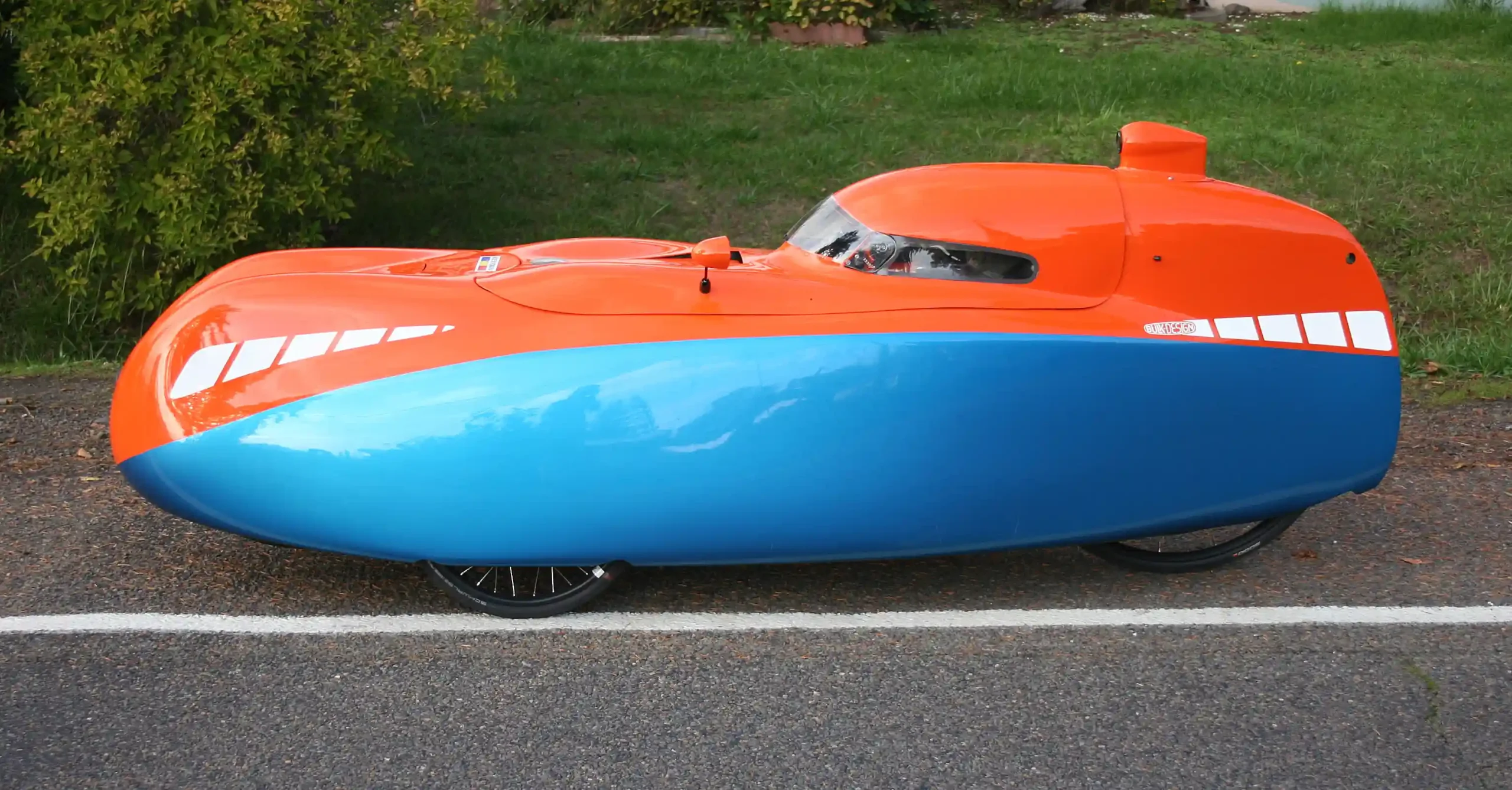
Velomobiles are a type of human-powered vehicle. They look like bikes but have a full outer shell.
People use velomobiles for travel, exercise, and commuting. They offer a new way to get around.
Design And Functionality
Velomobiles have a streamlined shape to reduce wind resistance. This helps riders use less energy.
The outer shell protects riders from rain, wind, and cold. Inside, riders sit in a reclined position.
Types Of Velomobiles
There are several types of velomobiles. Each type suits different needs and uses.
- Recumbent trikes with full shells offer good speed and comfort.
- Two-wheel velomobiles are lighter but less stable.
- Electric-assist velomobiles add motor power for easier riding.
- Custom designs focus on cargo or long-distance travel.
Current Usage Trends
Velomobiles are popular in some European countries. People use them for daily commuting and errands.
More people choose velomobiles to reduce pollution and save money. They are also used for sport and leisure.
Credit: www.velomobileworld.com
Environmental Impact Compared To Cars
Velomobiles offer a different way to travel that can help the environment. They use less energy and create fewer emissions than cars.
This section looks at how velomobiles compare to cars in carbon footprint, energy use, and materials.
Carbon Footprint Reduction
Velomobiles produce very little carbon dioxide compared to cars. They do not burn fuel and rely mostly on human power.
- Cars emit carbon from burning gasoline or diesel.
- Velomobiles run mostly on pedaling, so they have nearly zero emissions.
- Electric assist on velomobiles uses less energy than cars.
- Using velomobiles reduces air pollution and greenhouse gases.
Energy Efficiency
Velomobiles use much less energy to move a person than cars do. Their shape and weight make them very efficient.
| Vehicle Type | Energy Used (per mile) |
| Car (gasoline) | 2,000-3,000 Wh |
| Electric Car | 200-300 Wh |
| Velomobile (pedal only) | 15-30 Wh |
| Velomobile (with electric assist) | 50-70 Wh |
Material Sustainability
Velomobiles often use fewer materials and lighter parts than cars. This means less mining and waste.
- Many velomobiles use recycled aluminum or carbon fiber frames.
- Smaller size means less plastic and metal needed.
- Parts are easier to repair or replace, extending life.
- Lower demand for rare materials compared to car batteries.
Performance And Practicality
Velomobiles are a type of human-powered vehicle with a shell. They are designed to be faster and more efficient than regular bikes. This article looks at how velomobiles compare to cars in performance and practicality.
We will explore their speed and range, how well they protect riders from weather, and their cargo and passenger space.
Speed And Range
Velomobiles are faster than regular bicycles because of their aerodynamic shape. They can reach speeds around 30 to 50 km/h on flat roads. This speed is less than most cars, but enough for city travel.
The range depends on the rider’s strength and battery assist if any. On average, a velomobile can cover 50 to 100 km in a day. Cars can travel much farther without stopping.
- Velomobiles reach 30-50 km/h on flat roads
- Range varies from 50 to 100 km per day
- Speed and range depend on rider and assist
Weather Protection And Comfort
Velomobiles have a shell that protects riders from rain, wind, and cold. This is better than regular bikes but less comfortable than cars. The shell can fog up or get hot in sunlight.
Most velomobiles have small seats and limited space. The ride is smooth on paved roads but rough on bumps. Cars offer more comfort for longer trips and bad weather.
- Shell protects from rain and wind
- Less comfortable than cars on long trips
- Seats are smaller and space is limited
Cargo And Passenger Capacity
Velomobiles usually carry one person with some cargo space. Some models fit two people, but space is tight. Cargo capacity is small compared to cars.
They suit light shopping or small items. Large cargo or more passengers need a car. This limits velomobiles for family trips or heavy loads.
- Typically carry one rider, some cargo
- Two-seat models have limited space
- Not suitable for large cargo or many passengers

Credit: www.youtube.com
Infrastructure And Urban Integration
Velomobiles are small, enclosed vehicles powered by pedaling. They offer a new way to travel in cities. To replace cars, velomobiles need proper infrastructure. Urban areas must adapt roads and spaces for these vehicles.
Integration of velomobiles into city life means changes in design and planning. This includes safe paths and places to park them. Understanding these needs helps cities prepare for a different transport future.
Bike Lanes And Road Compatibility
Velomobiles fit best on bike lanes because of their size and speed. Many cities have bike lanes, but they vary in width and quality. Wider lanes may be needed to fit velomobiles safely.
Road compatibility is also a concern. Velomobiles are slower than cars but faster than bicycles. Roads should have clear rules to protect all users. Mixing velomobiles with cars can be risky without proper lanes.
- Wider bike lanes improve safety for velomobiles
- Separate lanes help avoid conflicts with cars
- Clear road signs guide velomobile users
Parking And Storage Solutions
Velomobiles need parking spots that fit their size and shape. Traditional bike racks do not work well for these vehicles. Cities must design special parking areas to keep velomobiles safe and organized.
Storage is important for daily users and those who rent velomobiles. Secure, easy-to-access storage helps more people use them. This reduces clutter on sidewalks and public spaces.
- Design parking spots larger than bike racks
- Use covered areas to protect velomobiles from weather
- Create secure storage for shared velomobile programs
Urban Planning Challenges
Changing city design to include velomobiles takes time and money. Planners must balance space for cars, bikes, and pedestrians. Velomobiles require new rules and infrastructure changes.
Some cities have narrow streets or lack open space for new lanes. Planners need creative solutions to fit velomobiles in crowded areas. Public support and clear policies help smooth the transition.
- Adjust street widths to add velomobile lanes
- Revise traffic laws for mixed vehicle use
- Engage communities in planning discussions
Economic Considerations
Velomobiles offer a different economic outlook compared to cars. Understanding costs and market effects helps to see their true value.
This section covers purchase and upkeep costs, government support, and how velomobiles affect the car industry.
Cost Of Purchase And Maintenance
Buying a velomobile usually costs less than a new car. They use fewer parts and simpler technology.
- Velomobiles cost between $5,000 and $15,000.
- Cars can cost $20,000 or more for a new model.
- Maintenance for velomobiles is cheaper due to fewer mechanical parts.
- Fuel costs are nearly zero since most velomobiles use human power.
Incentives And Subsidies
Some governments offer financial help to buyers of eco-friendly vehicles. Velomobiles may qualify for these benefits.
| Country | Incentive Type | Details |
| Germany | Subsidy | Up to €2,500 for electric-assist velomobiles |
| Netherlands | Tax Break | Reduced vehicle tax for low-emission vehicles |
| USA | Rebate | State-level rebates for human-powered vehicles |
Impact On Automotive Industry
The rise of velomobiles could change how the car industry works. It may shift focus to smaller, lighter vehicles.
Key effects on the industry include:
- Reduced demand for large fuel-powered cars
- New markets for lightweight, eco-friendly transport
- Potential job shifts from car manufacturing to velomobile production
- Changes in supply chains and parts suppliers
Social Acceptance And Lifestyle Changes
Velomobiles are small, enclosed bikes that some people think could replace cars. Using them means big changes in how people live and travel. Social acceptance plays a key role in this shift.
People need to get used to new habits and ways of moving around. This article talks about how the public views velomobiles and what lifestyle changes might happen.
Public Perception And Awareness
Many people do not know what velomobiles are. Some see them as strange or only for sports. This affects how much people want to use them for daily travel.
To increase use, more education and visibility are needed. Showing how velomobiles work and their benefits can change opinions.
- Some think velomobiles are slow or unsafe in traffic
- Others like that they use less space than cars
- Awareness campaigns can show their eco-friendly side
- Community events help people try velomobiles
Health Benefits
Riding a velomobile means more exercise than driving a car. This can improve heart health and muscle strength. It also helps with mental well-being.
People who use velomobiles get fresh air and sunlight. These things make people feel better and more active every day.
- Increases daily physical activity
- Reduces risks of heart disease
- Improves mood and reduces stress
- Supports weight control
Adapting Daily Routines
Switching to a velomobile changes how people plan their day. Trips may take longer and need more effort. People must also find places to park and charge if electric.
Some may need new clothes or gear for weather changes. People might combine velomobiles with public transport for longer trips.
- Allow more time for travel
- Plan routes with bike lanes
- Wear weather-appropriate clothing
- Use public transport for long distances
- Find safe parking spots
Technological Advances And Future Prospects
Velomobiles are small, enclosed vehicles powered by pedals and sometimes electric motors. They offer a new way to travel with less pollution.
New technologies help velomobiles improve speed, comfort, and safety. These advances may make them a real option instead of cars.
Innovations In Design
Modern velomobiles have better shapes that reduce air resistance. This helps them go faster with less effort.
Lightweight materials like carbon fiber make velomobiles strong but easy to pedal. Designers also improve seats and controls for comfort.
- Streamlined body for less wind drag
- Use of light and strong materials
- Ergonomic seating for long rides
- Improved weather protection
Integration With Smart Technologies
Velomobiles now include smart features like GPS and smartphone links. These help riders navigate and stay connected safely.
Electric assist motors work with smart controls. They adjust power based on speed and terrain, making rides easier.
- GPS for easy route planning
- Smartphone apps for tracking and control
- Electric assist with automatic adjustment
- Safety sensors and lights
Potential For Mass Adoption
Velomobiles could become common for city travel if they stay affordable and practical. They reduce traffic and pollution.
Governments may support velomobiles with bike lanes and parking. Public interest will grow as designs improve and costs drop.
- Lower cost than cars
- Less space needed for parking
- Support from urban planning
- Growing demand for green transport
Frequently Asked Questions
What Are Velomobiles And How Do They Work?
Velomobiles are enclosed, pedal-powered vehicles designed for speed and efficiency. They combine a bicycle’s eco-friendliness with aerodynamic protection, enabling faster and more comfortable rides. Their lightweight frame and streamlined shape reduce air resistance, making them ideal for urban commuting and short trips.
Can Velomobiles Fully Replace Traditional Cars?
Velomobiles are excellent for short distances and city travel but can’t replace cars for long trips or heavy cargo. They lack the power, speed, and storage capacity cars offer, making them a complement rather than a complete replacement in most cases.
Are Velomobiles Cost-effective Compared To Cars?
Yes, velomobiles are generally cheaper to buy and maintain than cars. They require no fuel, have lower maintenance costs, and reduce parking expenses. This makes them an affordable, sustainable transportation option for many urban commuters.
How Safe Are Velomobiles Compared To Cars?
Velomobiles offer better protection than regular bicycles due to their enclosed design. However, they are still less safe than cars in collisions because they lack airbags and heavy frames. Safety depends on rider awareness, road conditions, and visibility.
Conclusion
Velomobiles offer a clean and quiet way to travel short distances. They save energy and reduce pollution compared to cars. Yet, they may not fit every need or weather condition. Urban areas could benefit most from their use. People must weigh comfort, speed, and storage before choosing.
Velomobiles can complement, not fully replace, traditional cars today. Small steps toward greener transport make a big difference. Could they become a common sight on city streets? Only time will tell.



