

Are you ready to take your dirt jumping skills to the next level? The right bike gear setup can make all the difference between landing smooth tricks and wiping out hard.
But figuring out what gear you need and how to set it up can feel overwhelming. Don’t worry — this guide is here to help you get your bike perfectly tuned for dirt jumping. Keep reading, and you’ll discover simple, effective tips that will boost your confidence and performance every time you hit the dirt.
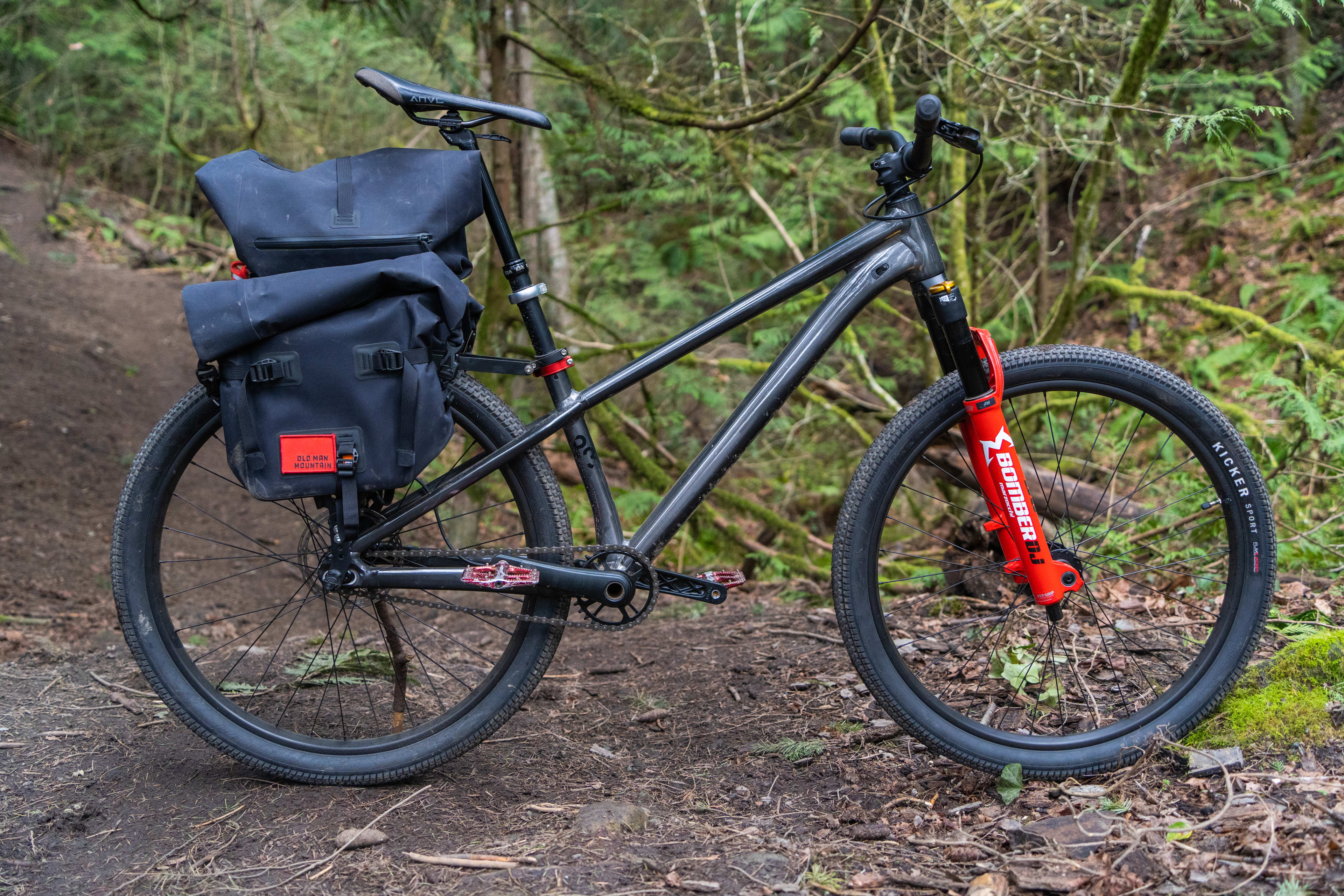
Credit: www.bikemag.com
Choosing The Right Bike
Dirt jumping needs a bike built for big air and quick landings. Picking the right bike makes your ride safer and more fun.
Look closely at bike parts like frame, suspension, and wheels. Each part changes how the bike handles jumps and tricks.
Frame Material And Geometry
Frame material affects bike weight and strength. Most dirt jump frames are steel, aluminum, or chromoly. Chromoly is strong and light.
Geometry means the bike’s shape. A shorter top tube and low bottom bracket help control in the air. Strong frames resist bending on hard landings.
- Steel frames are heavy but very durable.
- Aluminum frames are light but less flexible.
- Chromoly frames balance weight and strength well.
- Look for a geometry that fits your height and riding style.
Suspension Options
Dirt jump bikes often use hardtail frames. This means they have no rear suspension to keep the bike light and simple.
Front suspension forks can absorb impact on landings. Some riders prefer rigid forks for better control on smooth tracks.
| Suspension Type | Advantages | Disadvantages |
| Rigid Fork | Lightweight, more control | Less shock absorption |
| Front Suspension | Absorbs bumps and landings | Heavier, needs maintenance |
Wheel Size And Tires
Wheels for dirt jump bikes are usually 24 or 26 inches. Smaller wheels are easier to control but roll slower. Bigger wheels handle rough landings better.
Tires should have good grip and be tough. Wide tires with knobby tread work well on dirt tracks.
- 24-inch wheels offer quick handling and light weight.
- 26-inch wheels provide stability and smoother rides.
- Choose tires with strong sidewalls to avoid flats.
- Knobby tread helps grip loose dirt and ramps.
Essential Protective Gear
Dirt jumping is a fun and exciting biking sport. It needs the right protective gear to keep you safe.
Wearing proper gear helps prevent injuries during jumps and landings. Let’s look at the key gear you need.
Helmets And Pads
A helmet is the most important gear. It protects your head from impacts and crashes.
Pads protect your knees, elbows, and sometimes your shins. They cushion falls and scrapes.
- Choose a full-face helmet for best head protection.
- Knee pads should fit snug but allow easy movement.
- Elbow pads reduce cuts and bruises.
- Check pads for durable material and good ventilation.
Gloves And Shoes
Gloves protect your hands from blisters and falls. They also improve grip on the handlebars.
Shoes need to be strong and have good grip. They keep your feet secure on the pedals during jumps.
- Pick gloves with padding on the palms.
- Look for shoes with flat soles and good grip.
- Shoes should be stiff to protect your feet.
- Make sure gloves fit well and do not restrict finger movement.
Body Armor
Body armor protects your chest, back, and sometimes shoulders. It helps absorb shocks from crashes.
Wear lightweight armor that fits well. It should not limit your movement or breathing.
- Look for armor with hard plastic plates and soft padding.
- Check that armor covers your vital areas without being bulky.
- Choose breathable materials to avoid overheating.
- Test armor fit before riding to ensure comfort.
Setting Up Your Suspension
Proper suspension setup is key for dirt jump biking. It helps you ride smoothly and control your bike better.
Focus on air pressure, rebound, and compression to get the best feel from your suspension.
Adjusting Air Pressure
Air pressure controls how soft or firm your suspension feels. Set it based on your weight and riding style.
- Start with the manufacturer’s recommended pressure.
- Lower pressure for a softer ride and better traction.
- Higher pressure for firmer support and more control.
- Test different pressures on small jumps.
- Adjust to avoid bottoming out or too much bounce.
Tuning Rebound And Compression
Rebound controls how fast your suspension returns after compressing. Compression controls how it absorbs impacts.
| Setting | Effect |
| Fast Rebound | Suspension springs back quickly, may feel bouncy. |
| Slow Rebound | Suspension returns slowly, better control on landings. |
| High Compression | Suspension resists hard hits, firmer ride. |
| Low Compression | Suspension absorbs hits softly, smoother ride. |
Adjust rebound and compression one at a time. Ride after each change to feel the difference.
Suspension Maintenance Tips
Keep your suspension working well with regular care:
- Clean stanchions and seals after rides.
- Check for oil leaks or damage.
- Lubricate seals to avoid wear.
- Service suspension yearly or as recommended.
- Use the right tools and fluids for your fork and shock.
Brake Configuration
Setting up your brakes correctly is key for dirt jump biking. Good brakes help you control speed and stay safe on jumps.
This guide covers brake types, lever positioning, and pad selection to improve your ride.
Choosing Brake Types
There are two main brake types for dirt jump bikes: rim brakes and disc brakes. Each has pros and cons.
- Rim Brakes:Lightweight and simple, but less effective in wet or muddy conditions.
- Disc Brakes:Strong stopping power and consistent performance in all weather.
Most riders prefer disc brakes for better control during jumps and landings.
Brake Lever Positioning
Brake levers must be easy to reach and comfortable to squeeze. Proper positioning improves reaction time.
| Position | Description |
| High | Levers near handlebar top for quick finger access. |
| Low | Levers closer to grips for better leverage. |
| Angled | Levers tilted to fit natural finger movement. |
Try different positions to find what feels best for your hand size and riding style.
Brake Pad Selection
Brake pads wear out and need replacement. Choosing the right pad affects stopping power and noise.
- Organic Pads:Quieter and better initial bite but wear faster.
- Sintered Pads:Durable and work well in wet conditions but can be noisy.
- Metallic Pads:Long-lasting and powerful but may wear rotors faster.
Check your pads regularly and replace them before they get too thin for safety.
Handlebar And Stem Setup
Setting up your handlebar and stem is key for dirt jump bike control. It helps you steer and balance better on jumps.
Good setup reduces fatigue and improves your riding style. Let’s look at the main parts you need to adjust.
Handlebar Width And Rise
Handlebar width affects how stable you feel while jumping. Wider bars give more control but can be harder to maneuver in tight spots.
Rise is the height of the handlebar from the center clamp. More rise means a more upright position, which helps with control on landings.
- Wide bars (750mm to 800mm) improve stability
- Narrow bars (less than 750mm) allow faster steering
- Rise usually ranges from 20mm to 40mm
- Higher rise helps with comfort and control
Stem Length And Angle
The stem connects the handlebar to the bike fork. Its length changes your riding posture and steering response.
Stem angle helps adjust the handlebar height. A positive angle lifts the bars, while a negative angle lowers them.
- Short stems (30mm to 50mm) give quick steering
- Long stems (50mm to 70mm) add stability at speed
- Angle options range from -10° to +10°
- Choose angle for comfort and control balance
Grip Selection
Grips help you hold the bars firmly. They reduce hand fatigue and improve bike control during jumps.
Look for grips with good cushioning and a non-slip surface. The right size fits your hands well without slipping.
- Soft grips absorb shocks better
- Firm grips give more direct control
- Lock-on grips prevent spinning on the bars
- Choose diameter that fits your hand size
Drivetrain And Pedals
Setting up your drivetrain and pedals right is key for dirt jumping. These parts help you control the bike and keep your ride smooth. Proper setup means better jumps and safer landings.
This guide covers gear ratios, pedal types, grip, and chain care. Each part plays a role in your bike’s performance.
Gear Ratios For Dirt Jumping
Gear ratios affect how fast and strong your bike feels. Dirt jump bikes use simple gear setups to keep things light and reliable. A common setup is a single front chainring and a few rear sprockets.
| Front Chainring Teeth | Rear Sprocket Teeth | Effect |
| 28 | 14 | Easy pedaling, quick acceleration |
| 32 | 16 | Balanced speed and control |
| 34 | 16 | Higher top speed, more effort |
Pedal Types And Grip
Pedals must hold your feet firmly. There are two main types: clipless and platform. Each has pros for dirt jumping.
- Platform pedals:Wide and flat with pins for grip.
- Clipless pedals:Lock your shoes to pedals for control.
- Choose pedals with strong grip to avoid slipping.
- Use shoes with stiff soles for better power transfer.
Chain Tension And Maintenance
Chain tension keeps your drivetrain working well. Too loose or too tight chains cause problems. Dirt jumping needs regular checks and cleaning.
- Check chain tension before every ride.
- Clean the chain with a brush and degreaser.
- Lubricate the chain after cleaning.
- Replace worn chains to avoid breakage.
Tire Pressure And Traction
Dirt jump biking needs the right tire setup to ride well. Tire pressure and traction affect control and safety.
Choosing the right pressure and tires helps you land jumps and ride smooth on dirt tracks.
Optimal Tire Pressure
Lower tire pressure gives better grip on dirt but can cause pinch flats. Higher pressure rolls faster but loses traction.
Find a balance for your weight and track conditions. Around 20-30 PSI works for most dirt jump riders.
- Lower pressure (20-25 PSI) for softer dirt and more grip
- Higher pressure (25-30 PSI) for hard-packed dirt and faster rides
- Check pressure before each ride for safety
Tread Patterns For Dirt
Tires with knobby treads give better traction on loose dirt. Smooth tires work better on hard surfaces.
Look for tires with spaced knobs. They help dig into dirt and shed mud quickly.
- Large side knobs improve corner grip
- Center knobs give traction and speed
- Open tread patterns help clean mud
Tubeless Vs Tubed Tires
Tubeless tires run at lower pressure without pinch flats. They offer better traction and fewer flats.
Tubed tires are easier to fix but need higher pressure to avoid flats. Tubeless setups need sealant and a tight rim fit.
- Tubeless:Lower pressure, better grip, fewer flats
- Tubed:Easier setup, higher pressure, more flats
- Choose based on your maintenance skills and ride style

Credit: www.reddit.com
Adjusting Seat Position
Setting the right seat position is key for dirt jump biking. It helps you ride better and stay safe.
Small changes to your seat can make big differences in comfort and control.
Seat Height Considerations
Your seat height affects how you pedal and jump. It should be low enough to move freely.
Lower seats help when you need to stand and balance on the bike during jumps.
- Lower seat for better jump control
- Higher seat for efficient pedaling on trails
- Adjust seat to match your leg length
Seat Angle And Comfort
Seat angle changes how pressure feels on your body. A flat seat works well for many riders.
Tilt the seat slightly forward if you feel pressure on sensitive areas. This helps with comfort.
- Flat seat for even weight distribution
- Forward tilt reduces pressure on soft tissue
- Check comfort by riding for short times after adjusting
Quick Release Vs Fixed Seatpost
Quick release seatposts let you change seat height fast. This is good for different jumps.
Fixed seatposts are more stable but harder to adjust on the trail.
- Quick release: easy and fast height changes
- Fixed seatpost: stronger and less moving parts
- Choose based on how often you change seat height
Tools And Maintenance Kit
Having the right tools and a maintenance kit is key for dirt jump bike care. You need to fix problems fast on the trail.
Keeping your bike in good shape helps it last longer and work better during jumps and tricks.
Essential Tools For On-trail Repairs
Carry tools that handle common issues like flat tires and loose bolts. A small kit saves time and hassle on rides.
- Multi-tool with Allen keys and screwdrivers
- Spare tube and patch kit
- Mini pump or CO2 inflator
- Chain quick link and chain tool
- Tire levers
- Small adjustable wrench
- Cleaning rag or cloth
Regular Maintenance Checklist
| Task | Frequency | Details |
| Check tire pressure | Before each ride | Use a pressure gauge for accuracy |
| Tighten bolts | Weekly | Focus on handlebars, seat, and brakes |
| Lubricate chain | Every 2 weeks | Wipe chain clean before oiling |
| Inspect brake pads | Monthly | Replace if worn or damaged |
| Check suspension | Monthly | Look for leaks and smooth movement |
Cleaning Your Bike After Riding
Clean your dirt jump bike after every ride to remove dirt and grime. This keeps parts working well and stops rust.
- Use a soft brush to remove loose dirt
- Rinse with low-pressure water
- Apply bike-safe cleaner on frame and parts
- Scrub chain and gears gently
- Dry bike with a clean cloth
- Lubricate chain and pivot points after drying

Credit: www.youtube.com
Frequently Asked Questions
What Essential Gear Is Needed For Dirt Jump Biking?
Essential gear includes a sturdy dirt jump bike, a full-face helmet, gloves, and protective pads. Durable shoes and a hydration pack are also recommended for safety and comfort during jumps.
How To Properly Set Up Bike Suspension For Dirt Jumping?
Set suspension to medium stiffness for control and impact absorption. Adjust air pressure and rebound settings based on rider weight and jump difficulty to ensure smooth landings.
What Tire Pressure Is Best For Dirt Jump Bikes?
Tire pressure between 30-40 psi works well for dirt jumping. This range provides good traction and shock absorption without risking pinch flats during landings.
Should I Use Clipless Or Flat Pedals For Dirt Jumping?
Flat pedals are preferred for dirt jumping due to easy foot release. They allow quick foot adjustments and reduce injury risk during tricks and crashes.
Conclusion
Choosing the right dirt jump bike gear improves your riding experience. Proper setup helps you jump higher and ride safer. Check your bike often to keep it in good shape. Simple adjustments make a big difference on the trail. Enjoy every ride with confidence and control.
Stay safe, practice regularly, and have fun jumping!



