
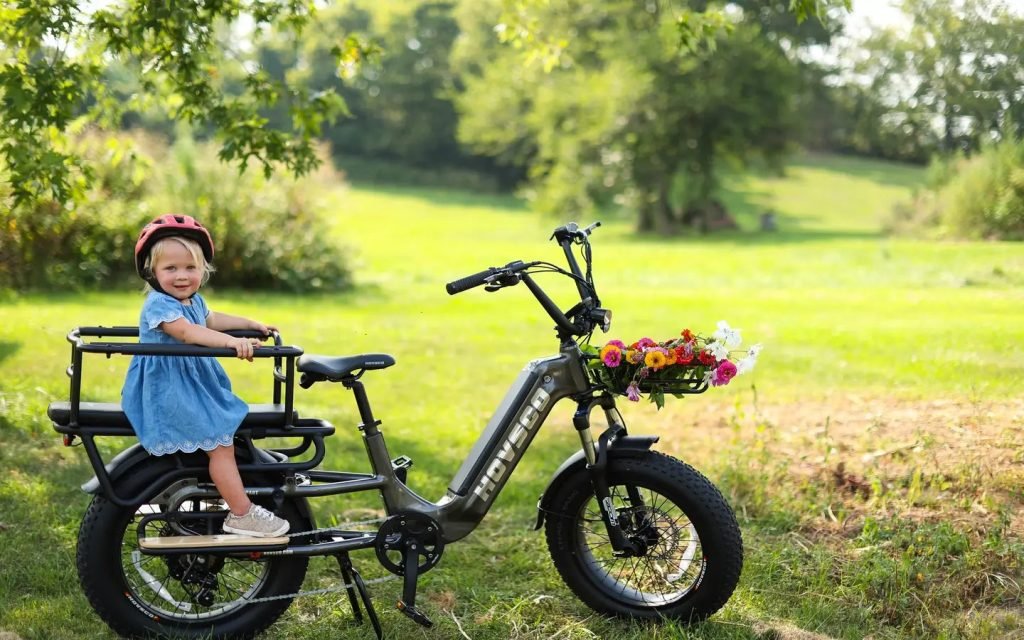
Choosing the right bike for your child isn’t just about size or style anymore. You want something safe, fun, and good for the planet.
But how do you find a kids’ bike that’s truly eco-friendly? With so many options out there, it can feel overwhelming. This guide will help you understand what makes a bike green, what to look for, and how to pick one that your child will love—while also caring for the environment.
Keep reading, and you’ll discover simple tips that make a big difference for your family and the earth.

Credit: www.amazon.ca
Benefits Of Eco-friendly Bikes
Eco-friendly kids’ bikes are great for the planet and children. They use sustainable materials and avoid harmful chemicals.
Choosing these bikes helps teach kids about caring for the environment and staying healthy.
Environmental Impact
Eco-friendly bikes reduce waste and pollution. They often use recycled or natural materials. This lowers carbon footprints.
- Less plastic and toxic paint
- More biodegradable parts
- Energy-saving production methods
- Encourage outdoor play over screen time
Health Advantages For Kids
Riding bikes helps kids build strength and balance. It also improves heart and lung health.
Some health benefits include:
- Better coordination and motor skills
- Increased physical activity daily
- Improved mood and reduced stress
- Stronger bones and muscles
Long-term Savings
Eco-friendly bikes last longer and need fewer repairs. They use durable parts made to last.
| Cost Aspect | Eco-Friendly Bikes | Regular Bikes |
| Initial Price | Moderate | Low to Moderate |
| Maintenance | Low | Higher |
| Replacement Parts | Eco materials, durable | Standard plastic parts |
| Lifespan | Longer | Shorter |
Materials To Look For
Choosing eco-friendly bikes for kids means focusing on safe and sustainable materials. These materials help reduce harm to the environment and protect children’s health.
Look closely at the frame, paint, and parts to find bikes made with green materials. This guide explains what to check for in each area.
Sustainable Frame Options
Frames made from natural or recycled materials lower environmental impact. Wood, bamboo, and recycled aluminum are popular choices. These materials use fewer resources and last long.
- Bamboo:Lightweight and fast-growing, bamboo is a strong and renewable frame option.
- Wood:Treated wood frames are durable and biodegradable.
- Recycled Aluminum:Aluminum made from recycled sources saves energy in production.
Non-toxic Paints And Finishes
Paints and finishes should be free of harmful chemicals. Non-toxic paints protect children from toxic fumes and skin contact. Water-based paints are a safer choice than oil-based ones.
| Paint Type | Benefits |
| Water-Based Paint | Low VOCs, safe for kids, easy to clean |
| Plant-Based Paint | Made from natural ingredients, biodegradable |
| Powder Coating | Durable, no solvents, less waste |
Recycled Components
Using recycled parts reduces waste and conserves resources. Some bike parts made from recycled plastics or metals can perform just as well as new ones.
Common recycled components include:
- Recycled plastic pedals and grips
- Metal parts from recycled steel or aluminum
- Recycled rubber tires or inner tubes
Bike Size And Fit
Choosing the right size bike is important for your child’s comfort and safety. A good fit helps your child enjoy riding and learn better.
Eco-friendly kids’ bikes come in many sizes. You should measure your child before buying to find the best fit.
Measuring Your Child
Measure your child’s height and inseam to choose the right bike size. Height is from head to feet, inseam is from crotch to ground.
Use a tape measure and write down these numbers. They guide you in picking the right wheel size and frame height.
- Height helps select the right bike frame
- Inseam ensures the child can touch the ground
- Both measurements prevent buying a bike that is too big or small
Adjustable Features
Look for bikes with adjustable seats and handlebars. These features let the bike grow with your child.
Adjustable parts improve comfort and help keep the bike eco-friendly by lasting longer.
- Seat height should move up and down easily
- Handlebars that adjust help maintain good posture
- Quick-release clamps make adjustments simple
Growth Considerations
Kids grow fast, so pick a bike that can handle growth. Avoid buying a bike that fits perfectly now but won’t fit in a few months.
Choose bikes with room to adjust. This saves money and reduces waste by not replacing bikes often.
- Check how much the seat and handlebars can adjust
- Pick a slightly bigger size for longer use
- Ensure the child can still reach the pedals and brakes safely

Credit: www.momtrends.com
Safety Features
Choosing an eco-friendly bike for kids is important. Safety should be the top priority.
Look for key safety features that protect your child while riding.
Brakes And Tires
Good brakes help kids stop quickly and safely. Tires affect balance and control.
Choose bikes with reliable brakes and strong tires for better grip on roads.
- Coaster brakes are easy for young kids to use
- Hand brakes are good for older kids with stronger hands
- Look for tires with deep treads for better traction
- Wide tires add stability on rough surfaces
Reflectors And Lights
Reflectors and lights make kids visible to drivers and others. This reduces accident risks.
Check that the bike has reflectors on the front, back, and wheels. Lights help in low light.
- Front white reflector or light for seeing ahead
- Red rear reflector or light for visibility from behind
- Reflective strips on tires or frame increase side visibility
Helmet Compatibility
A bike should fit well with a safety helmet. This protects the child’s head during falls.
Choose bikes that allow enough space and comfort for helmets. Teach kids to always wear one.
- Ensure the bike size matches the child’s height
- Check helmet fit before buying a bike
- Encourage helmet use every time the child rides
Popular Eco-friendly Brands
Choosing a bike for kids that is eco-friendly helps protect the planet. Many brands now focus on using sustainable materials. These bikes reduce waste and pollution.
In this guide, we look at popular brands that make green kids’ bikes. We also check what customers say about these bikes.
Top Sustainable Manufacturers
Several manufacturers stand out for their eco-friendly kids’ bikes. These companies use recycled materials or natural wood. They also focus on durability to reduce waste.
- GreenCycle – Offers bikes made with recycled aluminum and natural rubber tires.
- EcoRider – Crafts wooden bikes from sustainably sourced wood and non-toxic paint.
- PlanetPedal – Uses biodegradable parts and plants a tree for every bike sold.
- LeafBike – Builds bikes with recycled plastic components and solar-powered accessories.
Customer Reviews And Ratings
Customer feedback helps understand how these bikes perform in real life. Ratings focus on quality, comfort, and eco-friendliness. Here is a comparison of ratings from popular review sites.
| Brand | Average Rating | Common Praise | Common Concern |
|---|---|---|---|
| GreenCycle | 4.5/5 | Lightweight, sturdy | Limited color options |
| EcoRider | 4.3/5 | Great design, eco materials | Higher price |
| PlanetPedal | 4.6/5 | Comfortable seat, smooth ride | Assembly instructions unclear |
| LeafBike | 4.2/5 | Innovative features, eco parts | Accessories sold separately |
Budgeting For An Eco-friendly Bike
Choosing an eco-friendly bike for kids means thinking about the price and the environment. You want a bike that lasts and is kind to the planet.
Setting a budget helps you find the best bike without spending too much. This guide will help you balance cost and quality.
Cost Vs. Quality
Cheap bikes may use plastics that harm the environment. They also break more often, costing more in the long run.
Higher quality bikes use better materials like recycled metal or bamboo. These bikes last longer and are safer for kids.
- Low-cost bikes may not be eco-friendly.
- Quality bikes use sustainable materials.
- Durable bikes save money over time.
- Consider repair costs for cheaper bikes.
Secondhand And Upcycled Options
Buying secondhand bikes helps reduce waste. These bikes often cost less and can be fixed to work like new.
Upcycled bikes are made from used parts. They are eco-friendly and unique. Look for local shops or online markets for these options.
- Check the bike’s condition before buying.
- Upcycled bikes use recycled parts.
- Secondhand bikes lower environmental impact.
- Repairing old bikes can be cheaper than buying new.
Maintenance Tips For Longevity
Keeping eco-friendly kids’ bikes in good shape helps them last longer. Proper care saves money and reduces waste.
Simple maintenance steps can protect the bike’s parts and keep it safe to ride. Follow these tips for best results.
Regular Cleaning
Cleaning your child’s bike often stops dirt and grime from causing damage. Use gentle products to avoid harming eco materials.
- Wipe down the frame with a soft cloth
- Use mild soap and water for stubborn dirt
- Dry the bike thoroughly to prevent rust
- Check and clean the chain regularly
- Avoid harsh chemicals that can harm finishes
Replacing Parts Sustainably
Replacing worn parts with eco-friendly options keeps the bike green. Choose recycled or biodegradable materials when possible.
| Part | Eco-Friendly Replacement Option | Tip |
| Tires | Recycled rubber tires | Check pressure monthly |
| Chain | Durable stainless steel chain | Lubricate with natural oils |
| Seat | Organic cotton or hemp cover | Replace if torn or worn |
| Handle Grips | Biodegradable rubber grips | Swap when sticky or cracked |

Credit: 99bikes.com.au
Frequently Asked Questions
What Materials Make A Bike Eco-friendly For Kids?
Eco-friendly kids’ bikes often use sustainable wood, recycled metal, or biodegradable plastics. These materials reduce environmental impact and promote sustainability without sacrificing durability or safety.
How To Ensure Kids’ Bikes Are Safe And Eco-friendly?
Choose bikes with non-toxic paint, sturdy frames, and certified safety features. Verify manufacturers’ eco-friendly claims and look for certifications like ASTM or CPSC for added safety assurance.
Why Choose A Balance Bike For Younger Children?
Balance bikes require no pedals, promoting natural balance and coordination. They often use fewer materials, making them eco-friendlier and easier to recycle or repurpose later.
Are Electric Kids’ Bikes Environmentally Friendly Options?
Electric kids’ bikes can be eco-friendly if they use rechargeable batteries and energy-efficient motors. Always check battery lifespan and recycling options to minimize environmental impact.
Conclusion
Choosing an eco-friendly kids’ bike helps protect our planet. Look for bikes made from sustainable materials and safe paints. Think about durability to avoid quick replacements. Lightweight designs make riding easier for children. Consider bikes with recyclable parts for less waste.
Teaching kids about green choices starts with what they ride. Small steps lead to a cleaner, healthier future. Every eco-friendly bike counts. Make smart choices today for tomorrow’s world.



