

Planning a multi-day bikepacking route can feel overwhelming. You want an adventure that’s exciting but also safe and doable.
How do you choose the best trails, pack the right gear, and know where to rest each night? This guide will walk you through every step to make your trip smooth and unforgettable. By the end, you’ll have a clear plan that fits your pace and style.
Ready to discover how to create your perfect bikepacking route? Let’s get started.
Choosing The Right Destination
Planning a multi-day bikepacking trip starts with picking the right place to ride. The destination sets the mood for your adventure and affects your safety and fun.
Think about the land, weather, how easy it is to get there, and what you want to see. These factors help you find a route that fits your skills and interests.
Assessing Terrain And Climate
Check the type of land you will ride on. Flat roads feel very different from steep mountains or rough trails. Climate matters too. Some places get very hot or cold at certain times.
- Look at maps and trail guides to see terrain details
- Check weather averages for your travel season
- Think about your fitness and skills for the terrain
- Plan for gear needs based on climate, like rain or sun protection
Considering Accessibility
Accessibility means how easy it is to reach your starting point and get help if needed. This includes transport options and nearby towns or services.
| Access Type | Details |
| Public Transport | Bus, train, or subway to trailhead |
| Car Access | Parking availability and road conditions |
| Emergency Services | Distance to hospitals or rescue teams |
| Supply Points | Places to buy food and water |
Exploring Scenic And Cultural Spots
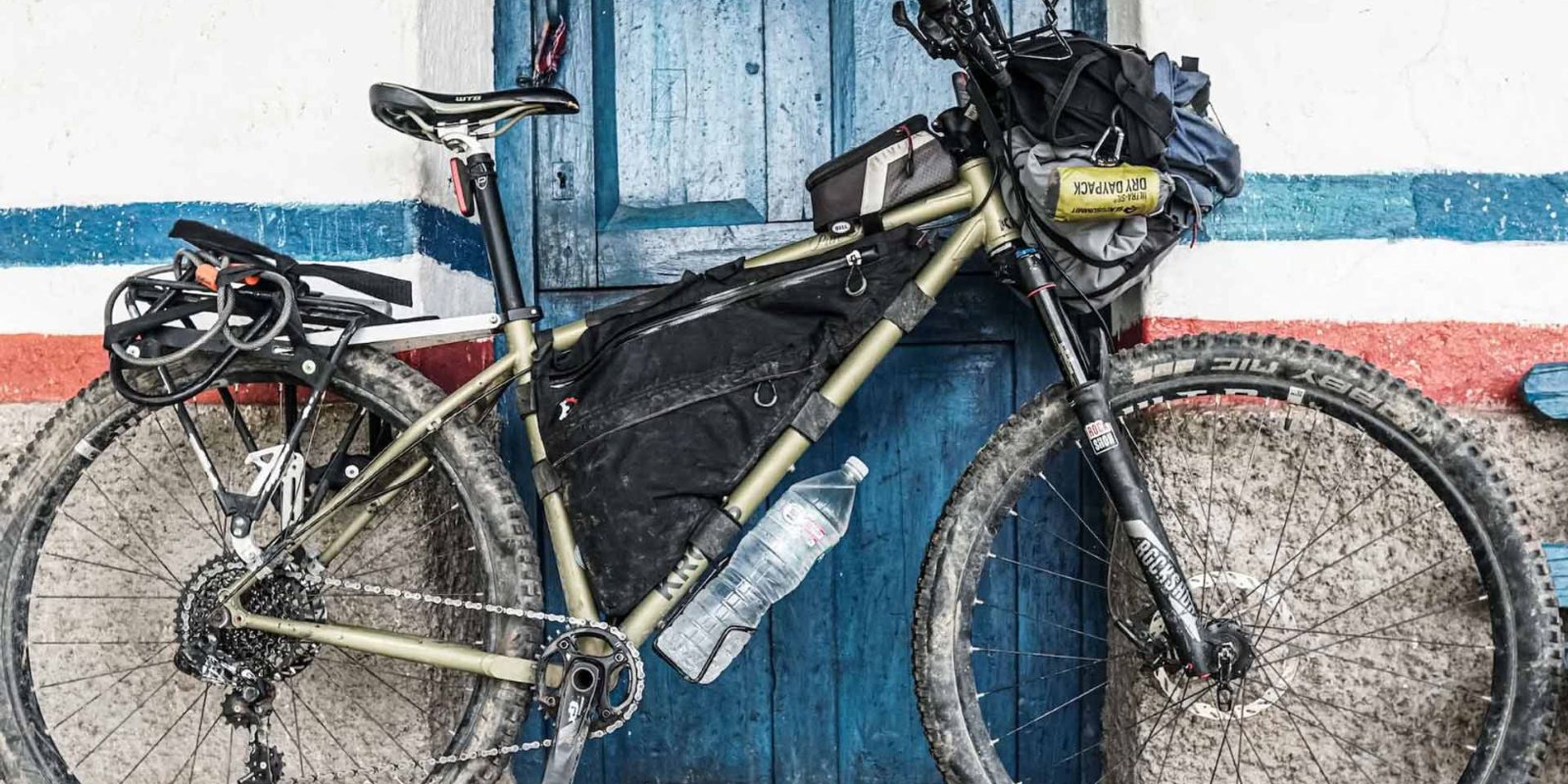
Choose a route with places you want to see. Natural views, parks, or cultural sites make the trip richer and more memorable.
- Research landmarks, parks, and museums along the route
- Consider local festivals or events happening during your trip
- Think about quiet spots for rest and photos
Credit: www.calltoadventure.uk
Mapping Your Route
Planning a multi-day bikepacking route needs careful mapping. A good route helps you enjoy the ride and stay safe.
Use maps and apps to see trails, roads, and places for breaks. This guide covers key parts of route mapping.
Selecting Trails And Roads
Choose trails and roads that fit your skill and bike type. Check if the terrain is smooth or rough. Pick paths that match your comfort level.
- Look for bike-friendly trails with clear markings
- Avoid very busy roads for safety
- Include a mix of paved and gravel paths for variety
- Research trail conditions online or in guidebooks
Estimating Daily Distances
Plan how far you will ride each day. Think about your fitness and the route’s difficulty. Set distances that feel doable.
| Distance | Type of Terrain | Estimated Time |
| 20-30 miles | Flat or gently rolling | 3-4 hours |
| 15-25 miles | Hilly or mixed | 4-6 hours |
| 10-20 miles | Mountain or rough trails | 5-7 hours |
Identifying Rest And Resupply Points
Mark places to stop and rest during your ride. Find spots to get food, water, and gear if needed. These points keep you fueled and fresh.
- Locate towns or campsites along the route
- Check for stores, water sources, and bike shops
- Plan breaks near scenic or shaded areas
- Note emergency shelters or safe spots
Packing Essentials
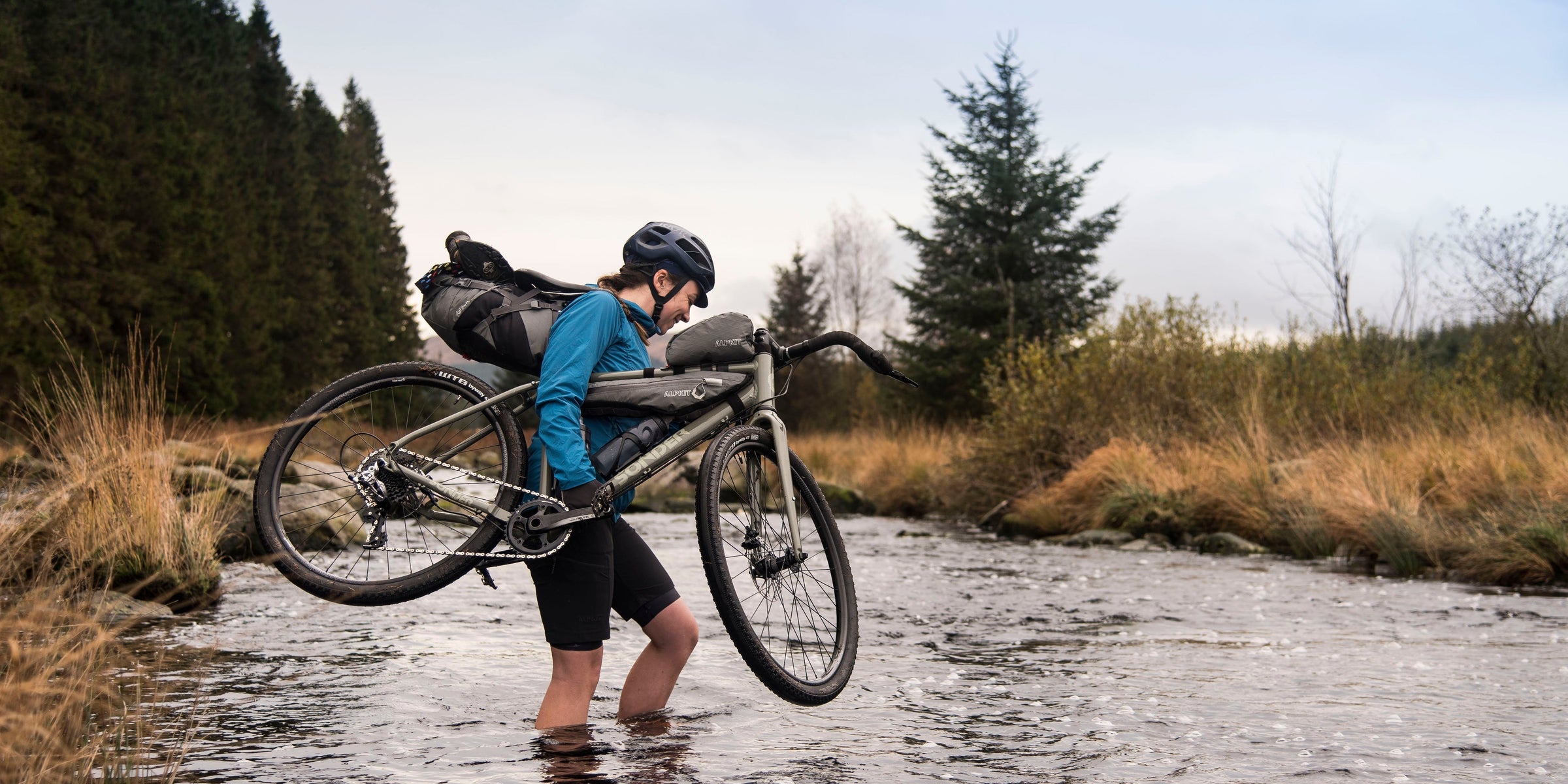
Planning a multi-day bikepacking route means packing smart. Carry only what is needed to stay safe and comfortable.
Organize your gear into groups. This helps you pack efficiently and find items easily during the trip.
Bike Gear And Maintenance Tools
Your bike is your main tool. Bring gear to keep it working well on rough trails and long rides.
Basic maintenance tools help fix common problems like flat tires or loose chains.
- Spare tubes or patch kit for flats
- Mini pump or CO2 inflator
- Multi-tool with screwdrivers and wrenches
- Chain lubricant to keep parts moving smoothly
- Tire levers to remove tires easily
- Small rag or towel for cleaning
Camping Equipment
Bring lightweight camping gear that fits on your bike. Comfort and safety at night are important.
Choose items that protect you from weather and help you rest well.
- Compact tent or bivy sack
- Sleeping bag suitable for expected temperatures
- Sleeping pad for ground insulation
- Portable stove and fuel
- Cookware and utensils
- Water bottles or hydration system
- Water filter or purification tablets
Clothing And Personal Items
Pack clothes for all weather conditions. Layers help you stay warm or cool.
Include personal items to stay clean and healthy during the trip.
- Breathable cycling jersey and shorts
- Light rain jacket and windbreaker
- Warm base layer for cold nights
- Extra socks and underwear
- Hat and gloves
- Toiletries like toothbrush, toothpaste, and soap
- First aid kit
- Sunscreen and insect repellent
Credit: us.alpkit.com
Planning For Safety
Planning a multi-day bikepacking route means thinking about safety first. Good preparation helps you avoid risks and handle problems fast.
Use simple safety steps to keep your trip smooth and fun. Focus on being ready for emergencies, finding your way, and checking weather conditions.
Emergency Preparedness
Carry a basic first aid kit to treat small injuries. Know how to use all its items. Also, bring tools to fix your bike in case it breaks down.
- Pack bandages, antiseptic wipes, and pain relievers
- Include a multi-tool, tire levers, and a patch kit
- Tell someone your route and expected return time
- Bring a fully charged phone and a portable charger
- Learn basic first aid and bike repair skills
Navigational Aids
Use reliable maps or GPS devices to stay on course. Check your route before and during your trip. Bring backups in case your main device fails.
| Device | Use | Backup Option |
| GPS Bike Computer | Track location and follow routes | Paper Map and Compass |
| Smartphone with GPS App | Navigation and emergency calls | Extra Battery Pack |
| Paper Map | Route overview and backup navigation | Written Directions |
Weather Considerations
Check weather forecasts before and during your ride. Dress in layers and carry rain gear. Adjust your plans if bad weather is expected.
- Wear moisture-wicking clothes and windproof jackets
- Pack waterproof bags for your gear
- Start early to avoid afternoon storms
- Know safe places to stop if weather worsens
- Stay hydrated and protect skin from sun
Training And Conditioning
Preparing for a multi-day bikepacking trip requires good training and conditioning. Your body needs to handle long hours on the bike while carrying weight.
Training helps reduce fatigue and injury risk. It also improves your confidence on different terrains.
Building Endurance
Endurance is key for multi-day rides. Start with shorter rides and slowly increase distance and time.
Try to ride at a steady pace that challenges your stamina but is not too hard.
- Begin with 30-minute rides, three times a week
- Increase ride time by 10% every week
- Include one long ride on weekends
- Rest days help your body recover
Practicing Bike Handling
Good bike handling skills improve safety and control on rough trails. Practice braking, cornering, and balance often.
Try riding on different surfaces like gravel, dirt, and pavement. This helps you adjust to changing conditions.
- Practice slow-speed balance and tight turns
- Learn to shift your weight on uneven ground
- Try quick stops and emergency braking
- Ride on mixed terrain to build confidence
Simulating Loaded Rides
Carrying gear changes how your bike feels and handles. Train with a loaded bike before your trip.
Start with a light load and add weight gradually. This helps your muscles get used to the extra effort.
- Attach bags and pack your gear securely
- Ride on similar terrain to your planned route
- Practice mounting and dismounting with weight
- Test your balance with the loaded bike

Credit: www.thenxrth.com
Managing Daily Logistics
Planning a multi-day bikepacking route needs good daily logistics. You must think about your goals, time, and the chance to change plans. This helps you enjoy your ride and stay safe.
Each day has different needs. Managing your daily tasks well makes your trip smoother. It helps you avoid problems and stress on the road.
Setting Realistic Goals
Set goals that fit your fitness and gear. Don’t plan too many miles or hard routes. Start easy and add challenge as you go.
- Check your bike and gear before you start
- Pick routes that match your skill level
- Plan rest stops for meals and breaks
- Allow time for unexpected delays
- Think about camping or lodging options
Time Management
Use time well each day. Start early to avoid riding in the dark. Track your pace and adjust if needed.
| Activity | Suggested Time |
|---|---|
| Morning start | 6:00 AM – 7:00 AM |
| Midday break | 12:00 PM – 1:00 PM |
| Afternoon ride | 1:00 PM – 4:00 PM |
| Setup camp or find lodging | 4:00 PM – 6:00 PM |
| Rest and meal time | 6:00 PM – 8:00 PM |
Adjusting Plans On The Go
Be ready to change your route or schedule. Weather, tiredness, or gear problems can happen. Stay flexible and keep safety first.
Tips for quick adjustments:
- Check weather updates regularly
- Have backup routes saved offline
- Carry basic repair tools and parts
- Rest more if you feel too tired
- Contact others if you need help
Frequently Asked Questions
What Are Key Steps To Plan A Bikepacking Route?
Start by choosing a suitable trail based on skill level. Research terrain, weather, and camping spots. Map daily distances and identify water sources. Prepare gear and pack light. Plan for emergencies and notify someone of your route.
How To Estimate Daily Distances For Multi-day Bikepacking?
Consider your fitness, terrain, and bike type. Average 30-50 miles daily on mixed terrain. Factor in elevation and rest breaks. Adjust based on weather and trail difficulty. Prioritize enjoyment over speed for sustainable pacing.
What Essential Gear Is Needed For Bikepacking Trips?
Carry a lightweight tent, sleeping bag, and cooking kit. Pack repair tools, first aid, and navigation devices. Bring weather-appropriate clothing and enough food and water. Balance gear weight with comfort and safety.
How To Find Safe Camping Spots On Bikepacking Routes?
Look for established campsites, dispersed camping areas, or flat clearings. Avoid private property unless permitted. Check local regulations and fire restrictions. Choose spots near water but away from hazards for safety.
Conclusion
Planning a multi-day bikepacking route takes time and care. Choose trails that match your skill and fitness level. Pack only what you need to keep your bike light. Check the weather and trail conditions before you start. Plan rest stops and places to camp along the way.
Keep safety in mind and tell someone your plan. Enjoy the journey and the freedom of the open road. Bikepacking offers a great mix of adventure and challenge. Start small, learn as you go, and have fun.



