

Are you curious about the difference between an adaptive trike and a handcycle? If you or someone you know is exploring options for mobility or recreation, understanding these two types of adaptive bikes can make all the difference.
Choosing the right one can boost your comfort, independence, and enjoyment. You’ll discover what sets them apart, how each works, and which might suit your needs best. Keep reading to find the perfect fit for your lifestyle and goals.
Adaptive Trike Basics
Adaptive trikes are three-wheeled cycles designed for people with physical challenges. They provide stability and ease of use for riders with different mobility needs.
Understanding their design and function helps users choose the right adaptive cycle for their lifestyle and abilities.
Design And Structure
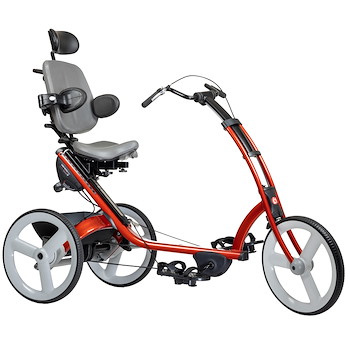
Adaptive trikes have a unique design that differs from handcycles. They usually have two wheels at the back and one at the front. This design offers good balance and support during rides.
The pedals are placed in front of the rider, and the seat is often wider and lower to provide comfort and stability. Handcycles, on the other hand, use hand cranks and a different frame layout.
Target Users
Adaptive trikes serve people who have difficulty balancing on two wheels. They are ideal for those with limited leg strength or coordination but who can use their legs to pedal.
- People with balance issues
- Users with partial leg mobility
- Individuals seeking a stable and comfortable ride
- Those who want a low-impact exercise option
Common Features
| Feature | Adaptive Trike | Handcycle |
| Number of Wheels | Three (two rear, one front) | Three or four (varies) |
| Propulsion | Pedals operated by feet | Hand cranks operated by hands |
| Seating | Low and wide seat for stability | Reclined or upright seat |
| Steering | Handlebars connected to front wheel | Handlebars connected to front wheel |
| Use | Leisure, exercise, and transport | Exercise and racing |
Handcycle Essentials
Handcycles and adaptive trikes help people with limited leg use enjoy cycling. They have different designs and uses. Understanding their key parts helps riders choose the right one.
This guide explains the frame, intended riders, and unique features of handcycles and adaptive trikes. It focuses on handcycle essentials to show what makes them special.
Frame And Mechanics
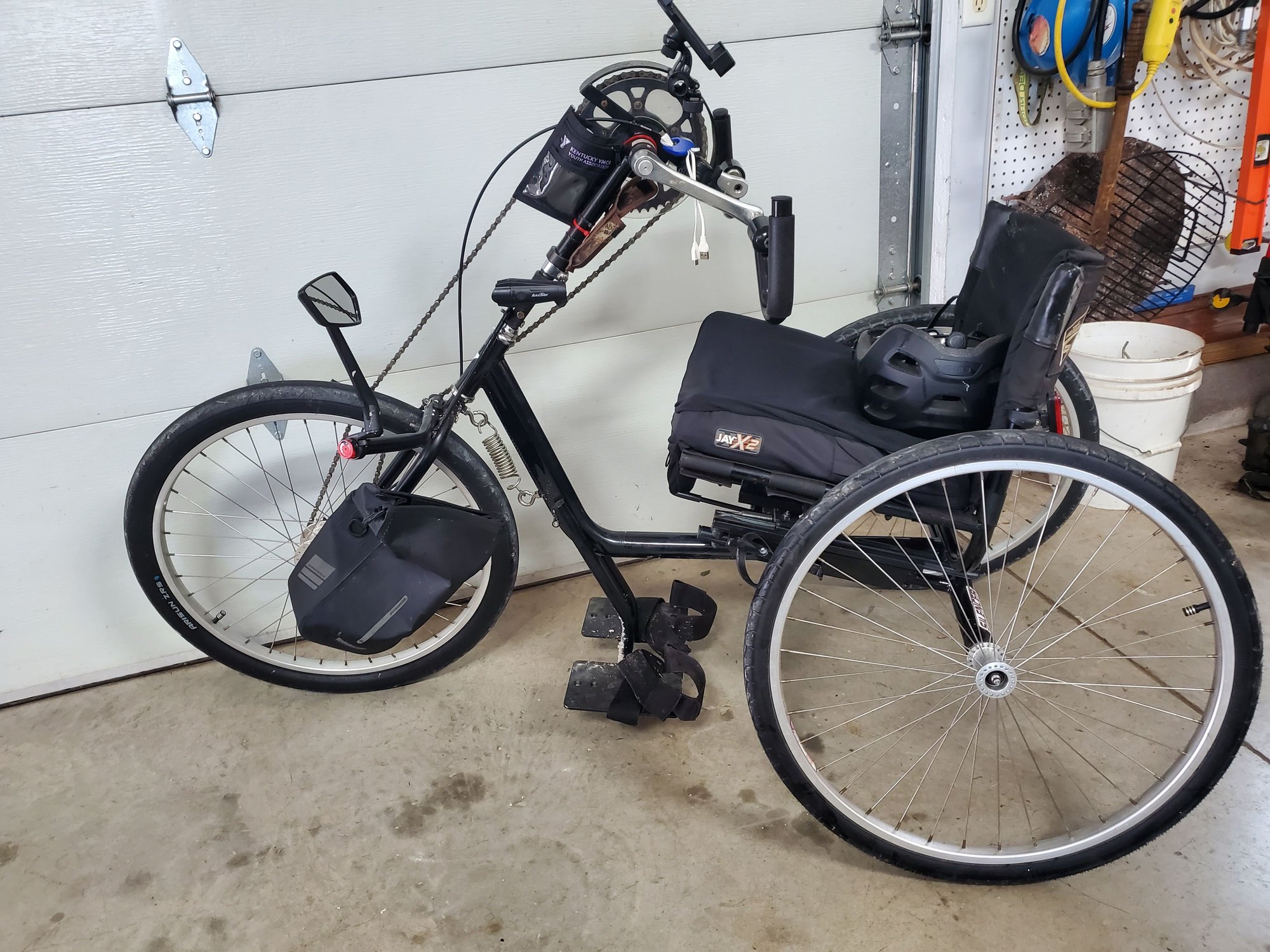
Handcycles have a low frame that sits close to the ground. The frame is lightweight and strong, made from aluminum or steel. They use hand pedals connected to a chain and gears.
Adaptive trikes have a higher frame with three wheels. They may have pedals for hands or feet. The steering and power system can vary depending on the model.
- Handcycles: low frame, hand-powered pedals, chain drive
- Adaptive trikes: higher frame, hand or foot pedals, variable steering
- Both use three wheels for balance
Intended Riders
Handcycles are made for people who cannot use their legs. They use their arms to pedal and steer. These bikes help with fitness and mobility.
Adaptive trikes suit people with balance or coordination issues. They offer more stability and can be easier to ride for some users. They fit riders with different physical needs.
- Handcycles: riders with limited or no leg use
- Adaptive trikes: riders needing extra balance support
- Both improve independence and outdoor activity
Unique Characteristics
Handcycles use hand cranks for power and steering. They often have multiple gears for different speeds. Their low design helps with speed and control.
Adaptive trikes may have foot or hand pedals. They provide a more upright sitting position. Some models include extra supports or adjustable parts for comfort.
- Handcycles: hand cranks, multiple gears, low and fast
- Adaptive trikes: upright seat, foot or hand pedals, adjustable features
- Both offer ways to enjoy cycling safely and comfortably
Comparing Performance
Adaptive trikes and handcycles are popular for people with limited leg use. Both offer unique performance benefits. Understanding their differences helps choose the right option.
This comparison focuses on speed, maneuverability, terrain compatibility, and physical demands of each type.
Speed And Maneuverability
Handcycles are generally faster than adaptive trikes. Their aerodynamic design allows higher speeds on flat roads. Adaptive trikes are more stable but slower.
- Handcycles have a lower center of gravity for better balance at speed.
- Adaptive trikes offer easier steering and turning.
- Handcycles require more skill to handle sharp turns.
- Adaptive trikes provide a smoother ride on straight paths.
Terrain Compatibility
Adaptive trikes and handcycles work on different terrains. Adaptive trikes handle rough and uneven surfaces better. Handcycles perform well on paved roads.
| Terrain Type | Adaptive Trike | Handcycle |
|---|---|---|
| Flat Pavement | Good | Excellent |
| Gravel Paths | Good | Fair |
| Grass and Dirt Trails | Good | Poor |
| Hilly Terrain | Moderate | Good |
Physical Demands
Both vehicles require upper body strength. Handcycles need more continuous arm power. Adaptive trikes spread effort between arms and some core muscles.
Key physical differences:
- Handcycles demand strong arm endurance for long rides.
- Adaptive trikes allow more relaxed arm use due to stability.
- Handcycles require better coordination for steering and pedaling.
- Adaptive trikes are easier for beginners or less fit users.
Credit: www.spinlife.com
Comfort And Accessibility
Adaptive trikes and handcycles offer different comfort and accessibility features. These differences help users choose what fits their needs best.
Understanding how each type supports the rider can improve comfort and ease of use for daily activities.
Seating And Support
Adaptive trikes usually have larger seats with backrests. This helps provide more support for longer rides.
Handcycles often have reclined or semi-reclined seats. They focus on keeping the rider’s upper body stable during pedaling.
- Adaptive trikes: wider seats, better back support
- Handcycles: reclined seating, upper body support
- Both offer seat belts or straps for safety
Ease Of Use
Adaptive trikes are easier to balance because of three wheels. This makes them good for beginners or those with balance issues.
Handcycles require more upper body strength and coordination. They are best for users who want a workout or faster speeds.
- Adaptive trikes: stable, easy to ride
- Handcycles: need more strength, skill
- Both types have hand pedals for control
Adjustability
Adaptive trikes offer adjustable seats and handlebars. This helps fit a wide range of body sizes and shapes.
Handcycles have adjustable crank positions and seating angles. These changes improve comfort during long rides.
- Adaptive trikes: adjustable seats and steering
- Handcycles: adjustable crank and seat angles
- Both allow customization for rider comfort
Safety Considerations
Choosing between an adaptive trike and a handcycle involves important safety factors. Each type has unique features that affect rider protection.
Understanding these differences helps users pick the safest option for their needs and environments.
Stability Features
Adaptive trikes have three wheels, which gives them a stable base. This design reduces the risk of tipping over on turns or rough paths. Handcycles usually have two or three wheels but often require more balance. Riders must control the handcycle carefully to avoid falls.
- Adaptive trikes offer better balance due to their wide wheelbase.
- Handcycles need more rider skill for stability.
- Both types may include low centers of gravity to improve safety.
Braking Systems
| Feature | Adaptive Trike | Handcycle |
| Brake Type | Hand-operated disc or drum brakes | Hand-operated rim or disc brakes |
| Ease of Use | Simple brake levers within reach | Brake levers may require more hand strength |
| Stopping Power | Strong brakes for quick stops | Effective but may vary by model |
| Backup Systems | Some have parking brakes | Less common but available on some models |
Visibility And Signaling
Both adaptive trikes and handcycles need good visibility to stay safe on roads. Bright colors and reflectors help other drivers see the rider. Signaling devices like flags or lights warn others when the rider turns or stops.
- Flags mounted high increase visibility in traffic.
- Reflective materials improve night safety.
- Some models include built-in lights and turn signals.
- Hand signaling is important but may be harder if hands are busy.
Cost And Maintenance
Choosing between an adaptive trike and a handcycle depends on many factors. Cost and maintenance are key points to consider.
Both types of cycles serve different needs. Understanding their price and upkeep helps you make a smart choice.
Price Range
Adaptive trikes usually cost more than handcycles. They have extra parts like three wheels and a seat.
Handcycles often have a simpler design with two or three wheels and are powered by hand cranks.
- Adaptive trikes: $1,500 to $5,000 or more
- Handcycles: $1,000 to $4,000
- Custom models can raise the price for both types
Upkeep Requirements
Adaptive trikes need regular checks on their three wheels and steering. More parts mean more maintenance.
Handcycles require less upkeep but still need care for chains, brakes, and tires. Hand pedals need to stay smooth.
- Adaptive trikes: frequent wheel alignment and brake checks
- Handcycles: regular chain lubrication and brake adjustments
- Both need tire pressure monitoring and cleaning
Durability
Adaptive trikes are sturdy due to their design. They handle rough surfaces well but can be heavier.
Handcycles are lighter and built for speed. They last long with proper care but may wear faster on rough roads.
- Adaptive trikes: good for stability and long-term use
- Handcycles: durable but need careful use on rough terrain
- Material quality affects lifespan of both types
Choosing The Right Option
Adaptive trikes and handcycles offer different ways to enjoy cycling with physical challenges. Picking the right one depends on several factors. Understanding these can help you make the best choice for your needs.
This guide looks at lifestyle, physical abilities, and usage goals. Each area shows key differences to consider before deciding.
Lifestyle Factors
Your daily routine and environment affect which cycle suits you. Adaptive trikes are stable and good for casual rides or errands. Handcycles are faster and better for exercise and sports.
- Adaptive trikes work well on varied terrains and rough paths.
- Handcycles perform best on smooth roads and tracks.
- Storage and transport needs may differ between the two types.
- Social activities can influence the choice, like group rides or races.
Physical Abilities
Consider your strength, balance, and mobility. Adaptive trikes support more body weight and provide extra balance. Handcycles need more arm strength and control.
| Ability | Adaptive Trike | Handcycle |
| Balance | High support | Requires good balance |
| Arm Strength | Moderate effort | High effort needed |
| Leg Use | Optional | Usually none |
| Seating Comfort | More upright | Reclined or kneeling |
Usage Goals
What you want to do with your cycle matters. Adaptive trikes suit daily travel and light exercise. Handcycles match fitness training and competitive sports.
- Choose adaptive trikes for casual rides and errands.
- Pick handcycles for speed and workout sessions.
- Consider the terrain and distance you plan to cover.
- Think about how often you want to use the cycle.
Credit: www.bikeforums.net

Credit: www.rollinginparadise.com
Frequently Asked Questions
What Are The Main Differences Between Adaptive Trikes And Handcycles?
Adaptive trikes have three wheels and are pedal-powered by legs. Handcycles use hand cranks and are designed for arm power. Trikes offer more stability, while handcycles provide better upper body workout and maneuverability for users with limited leg function.
Which Is Better For Beginners: Adaptive Trike Or Handcycle?
Adaptive trikes are generally easier for beginners due to their stability and familiar pedaling motion. Handcycles require more upper body strength and coordination. Beginners with leg mobility often prefer trikes, while those with limited leg use may find handcycles more suitable.
Can Adaptive Trikes And Handcycles Be Used For Exercise?
Yes, both adaptive trikes and handcycles offer excellent cardiovascular workouts. Trikes engage leg muscles, while handcycles focus on the upper body. Both promote fitness, endurance, and mobility, making them great options for adaptive exercise.
Are Adaptive Trikes Or Handcycles Better For Outdoor Use?
Adaptive trikes provide stability on various terrains, making them ideal for outdoor rides. Handcycles excel in maneuverability and speed, suitable for paved roads and trails. The choice depends on the rider’s needs and the type of outdoor environment.
Conclusion
Adaptive trikes and handcycles serve different needs and preferences. Adaptive trikes use pedals and legs, offering stability and ease. Handcycles rely on hand power, ideal for those with strong upper bodies. Both provide freedom and fun for riders with disabilities.
Choosing depends on your strength and comfort. Try both to see which fits best. Enjoy the ride, whatever you pick!



