
Have you ever wondered if velomobiles come with gears? If you’re curious about how these sleek, pedal-powered vehicles handle different speeds and terrains, you’re in the right place.
Understanding whether velomobiles have gears can change how you think about their performance and your riding experience. Keep reading to discover the truth about velomobile gears and how they might affect your next ride.
Velomobile Basics
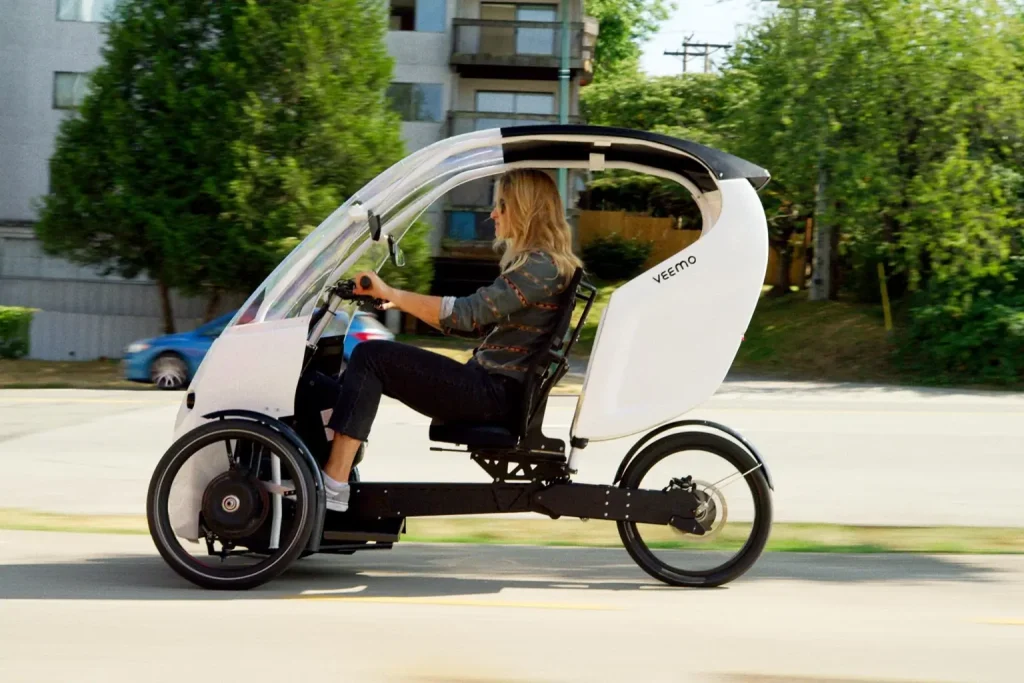
Velomobiles are human-powered vehicles with a shell for protection. They look like a mix of a bicycle and a small car.
People use velomobiles for commuting, exercise, and fun. They offer speed and shelter from weather.
What Is A Velomobile
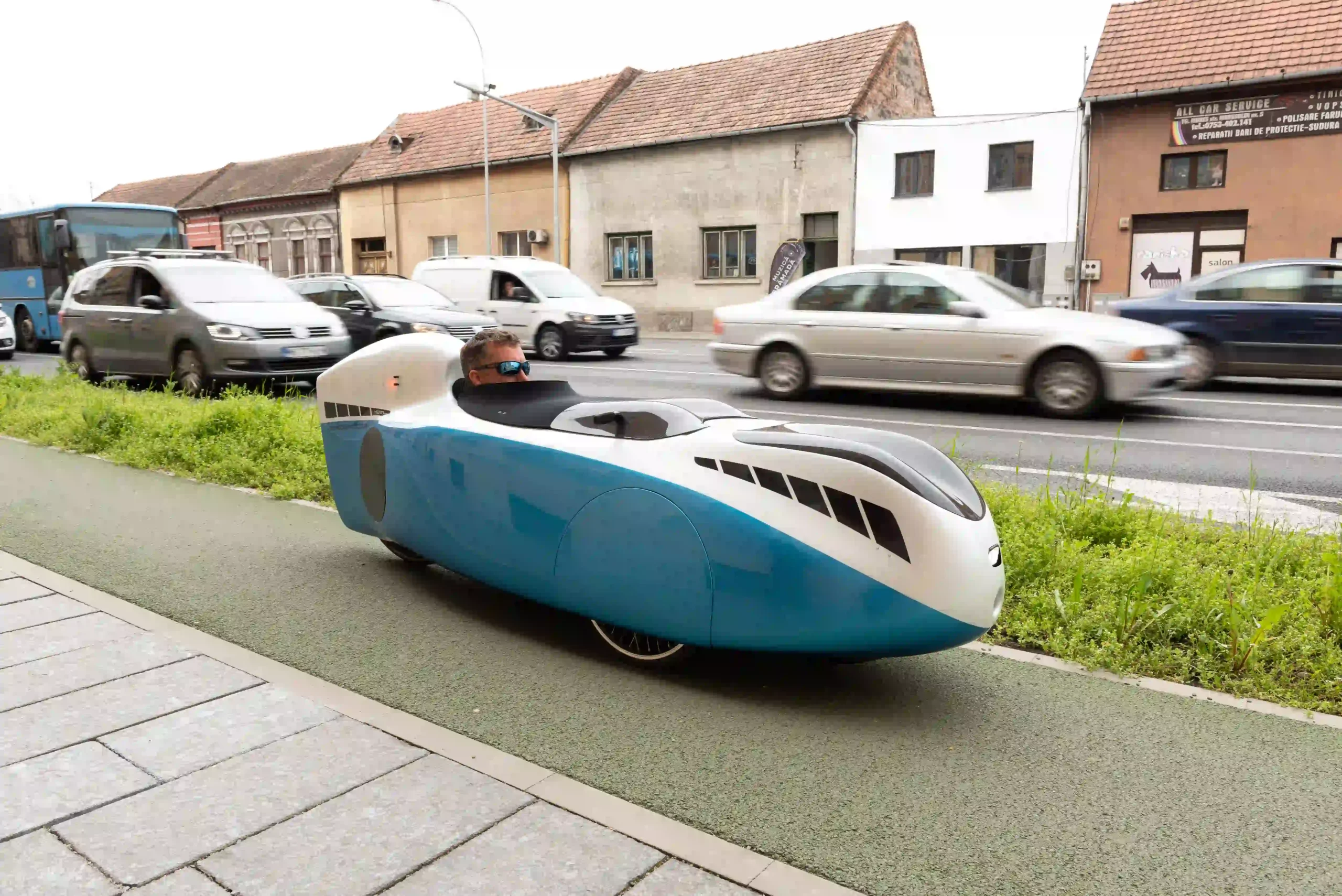
A velomobile is a pedal-powered vehicle with a full or partial outer body. This body shields the rider from wind and rain. It usually has three wheels for balance and speed.
- It is faster than a regular bicycle on flat roads.
- The shell improves aerodynamics.
- It offers more comfort on long rides.
- Some models have electric assist motors.
Types Of Velomobiles
There are different types of velomobiles. Each type suits different uses and rider preferences.
| Type | Description | Common Use |
|---|---|---|
| Streamlined Recumbent | Fully enclosed and aerodynamic. | Long-distance and speed riding. |
| Partial Shell | Has an open section for better ventilation. | Casual riding in warmer climates. |
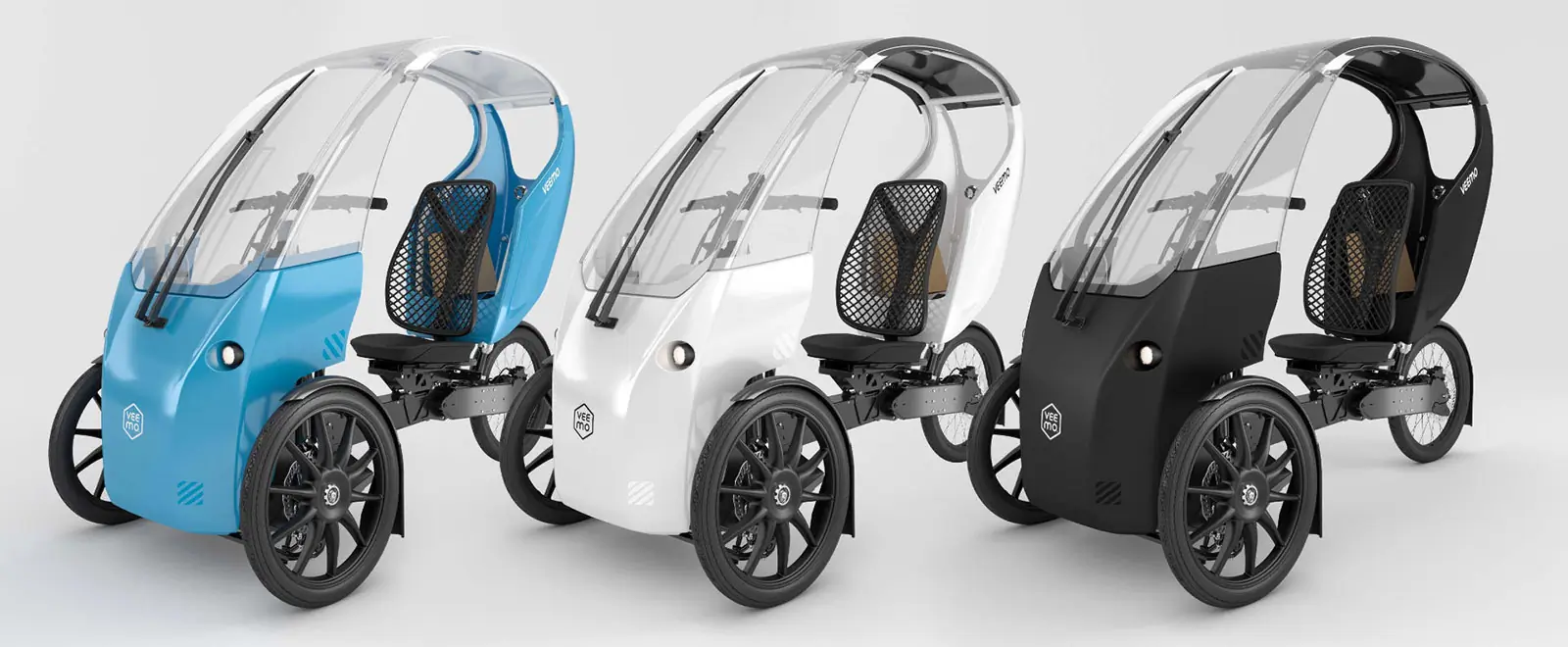
| Electric Assist | Includes a motor to help pedaling. | Commuting and hilly routes. |

Credit: newatlas.com
Gear Systems In Velomobiles
Velomobiles are human-powered vehicles with a shell for aerodynamics. Gears help riders pedal easily on different surfaces.
Not all velomobiles use the same gear systems. They can have simple or complex setups.
Common Gear Types Used
Velomobiles often use gear systems from bicycles. These include derailleur gears and internal hub gears.
Derailleur gears move the chain across different sprockets outside the wheel. Internal hub gears change gears inside the wheel hub.
- Derailleur gears: common, lightweight, easy to repair
- Internal hub gears: low maintenance, protected from dirt
- Single-speed: simple setup without gear changes
Internal Vs External Gears
Internal gears are inside the wheel hub. They keep parts clean and safe.
External gears use a derailleur to move the chain on sprockets. They offer more gear options but need more care.
- Internal gears last longer and need less cleaning
- External gears have more gear choices and better efficiency
- Internal gears add some weight to the velomobile
Single-speed Vs Multi-speed
Single-speed velomobiles have one gear ratio. They are simple and light but harder on hills.
Multi-speed velomobiles offer many gears. Riders can choose easier pedaling for hills and faster speeds on flat roads.
- Single-speed: easy to maintain, less weight
- Multi-speed: better for varied terrain, more control
- Multi-speed systems can use internal or external gears
Benefits Of Gears In Velomobiles
Gears are important for velomobiles. They help riders adjust speed and effort. Using gears makes riding easier on different roads.
This article explains how gears improve speed control, climbing ability, and energy use in velomobiles.
Improved Speed Control
Gears let riders change their speed smoothly. They can go faster on flat roads or slow down on crowded paths. This control helps keep balance and safety.
- Shift to higher gears for faster speed
- Use lower gears for slower, steady movement
- Adjust gears easily to match road conditions
Enhanced Climbing Ability
Gears help velomobiles climb hills with less effort. Lower gears reduce the pedaling force needed. This makes hills easier and less tiring to ride.
| Gear Type | Benefit |
| Low Gear | Makes climbing easier |
| High Gear | Gives more speed on flat roads |
Energy Efficiency
Using gears wisely saves rider energy. It allows pedaling at a steady pace. This helps ride longer distances without getting tired quickly.
Energy-saving tips using gears:
- Shift to lower gears on hills to pedal easily
- Use higher gears on flat roads for good speed
- Avoid sudden gear changes to save energy
Innovative Gear Technologies
Velomobiles often use advanced gear systems to improve riding comfort and efficiency. These gear technologies help riders adjust speed and power easily.
New gear solutions make pedaling smoother and more precise. This is important for different terrains and rider needs.
Electronic Shifting Systems
Electronic shifting uses small motors to change gears quickly and smoothly. Riders can shift with less effort than manual systems.
This system offers precise control and reduces gear wear. It also works well in all weather conditions.
- Shifts gears with button presses
- Improves riding comfort
- Needs less maintenance
Continuously Variable Transmissions
Continuously Variable Transmissions (CVT) change gears without fixed steps. Riders get smooth and steady power delivery.
CVT adjusts automatically to speed and terrain. This system helps keep pedaling effort constant and comfortable.
- No need to shift manually
- Provides seamless power output
- Good for varied road conditions
Integration With Electric Assist
Many velomobiles combine gears with electric motors. This electric assist helps riders pedal harder or climb hills easily.
Gear systems and electric motors work together. This makes riding faster and less tiring.
- Electric motor supports pedaling power
- Gears adjust for motor and rider effort
- Improves speed and range
Choosing The Right Gear Setup
Choosing the right gear setup for your velomobile is important. It affects how well you ride and how comfortable you feel. Different gear options fit different needs and terrains.
This guide helps you understand key points to consider. You will learn about terrain, maintenance, and user comfort. Each factor plays a role in picking the best gears.
Riding Terrain Considerations
Your riding terrain shapes the gear setup you need. Flat roads need fewer gears. Hilly or rough areas require more options to handle climbs and descents.
- Flat terrain: Use a simple gear system with fewer speeds.
- Mixed terrain: Choose a setup with a wide gear range.
- Mountainous areas: Opt for many gears with low ratios.
- Urban riding: Consider quick shifting and easy maintenance.
Maintenance And Durability
Gear setups differ in how much care they need and how long they last. Some parts wear out faster or need more frequent fixing.
| Gear Type | Maintenance Needs | Durability |
| Internal Hub Gears | Low | High |
| Derailleur Gears | Medium | Medium |
| Single Speed | Very Low | High |
User Experience And Comfort
A good gear setup improves your riding comfort. It helps you pedal smoothly and keeps you from tiring quickly. Comfort depends on how easy the gears shift and match your strength.
- Choose gears that shift quietly and smoothly.
- Pick gear ranges that suit your fitness level.
- Ensure the setup allows easy adjustments while riding.
- Consider ergonomics of gear levers and controls.
Credit: www.velomobileworld.com
Future Trends In Velomobile Gearing
Velomobiles are getting better with new gear systems. These changes help riders use less energy and ride smoother.
Looking ahead, velomobile gearing will focus on smart features, eco-friendly parts, and easy changes for users.
Smart Gear Systems
Smart gear systems use sensors to change gears automatically. This helps riders keep the right speed and effort.
These systems adjust to road conditions and rider strength. They make riding easier and more comfortable.
- Automatic shifting based on speed and terrain
- Integration with mobile apps for tracking
- Energy-saving gear changes
Sustainable Materials
Future velomobile gears will use eco-friendly materials. These parts will last long and reduce waste.
Materials like recycled metals and bioplastics will become common. They help protect the environment.
- Recycled aluminum and steel
- Biodegradable plastics for gear covers
- Durable and lightweight composites
Customization And Modularity
Gearing systems will allow easy changes by users. Riders can pick parts that fit their style and needs.
Modular parts let riders upgrade or fix gears without full replacements. This saves money and reduces waste.
- Interchangeable gear cassettes and chains
- Simple tools for quick adjustments
- Options for different terrain and speeds
Credit: gearjunkie.com
Frequently Asked Questions
Do Velomobiles Come With Built-in Gears?
Yes, most velomobiles have built-in gears to help riders manage different terrains. Gears improve efficiency and comfort.
How Do Gears Benefit Velomobile Riders?
Gears allow riders to adjust pedaling effort. This makes climbing hills and cruising easier, enhancing overall ride quality.
Are Velomobile Gears Similar To Regular Bicycles?
Generally, yes. Velomobiles use similar gear systems to bicycles, including derailleurs and internal hub gears, adapted for enclosed designs.
Can Velomobile Gears Be Customized Or Upgraded?
Yes, many velomobiles offer customizable gear options. Riders can upgrade to better systems for smoother shifting and improved performance.
Conclusion
Velomobiles usually come with gears to help riders pedal easier. Gears make it simple to ride uphill or fast on flat roads. They give more control and comfort during different rides. Some models have many gears, while others keep it basic.
Choosing the right gear system depends on your needs and riding style. Overall, gears add value to velomobiles and improve the cycling experience. Understanding this helps you decide if a velomobile fits your lifestyle. Gears matter, and now you know why.



