
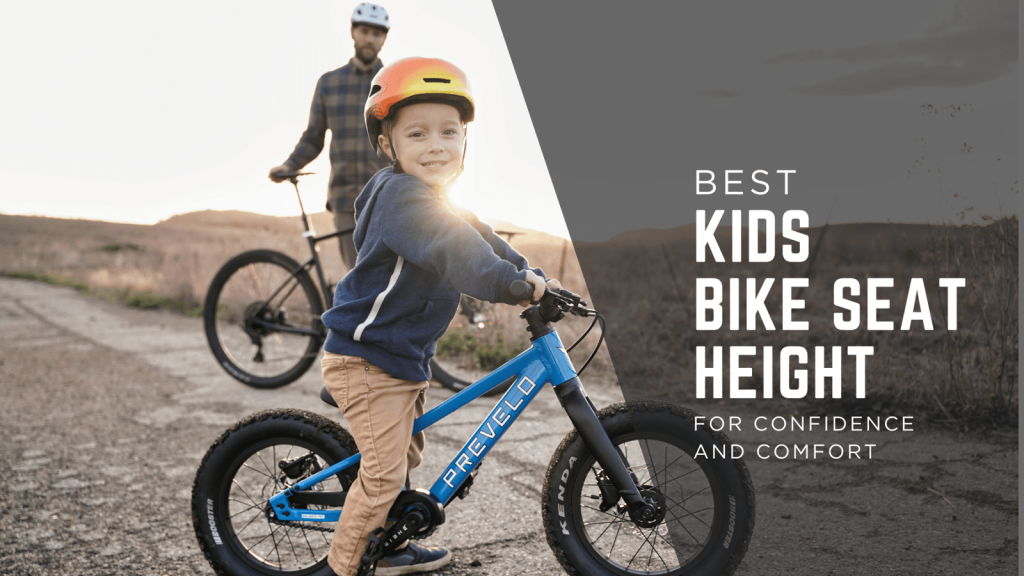
Is your child’s bike seat too high or too low? Getting the seat height just right is key to making sure your kid rides comfortably and safely.
When the seat is adjusted perfectly, your child can pedal smoothly, stay balanced, and enjoy every ride without strain or frustration. You’ll discover simple, step-by-step tips to adjust the seat height on your kid’s bike quickly and easily. Keep reading, and you’ll help your child ride with confidence and fun every time they hop on their bike!

Credit: www.amazon.com
Why Seat Height Matters
Adjusting the seat height on a kid’s bike is very important. It helps the child ride comfortably and safely.
The right seat height also makes pedaling easier and helps the child enjoy riding more.
Impact On Comfort
If the seat is too high, the child will have to stretch their legs too much. This can cause pain in the hips and knees.
If the seat is too low, the knees will bend too much, which also feels uncomfortable. The right height lets the child pedal smoothly.
Effect On Safety
A seat that is too high can make it hard for the child to put their feet on the ground. This can lead to falls.
The correct seat height lets the child reach the ground easily. This helps them stop safely and balance better.
- Too high seat: risk of falling when stopping
- Proper height: better control and balance
- Easy foot reach improves quick stopping
Influence On Pedaling Efficiency
The right seat height helps the child pedal with the right leg movement. This saves energy and makes riding easier.
If the seat is too low or too high, the child will pedal less efficiently. This can cause tiredness and frustration.

Credit: palolohome.org
Tools You’ll Need
Adjusting the seat height on a kid’s bike is simple with the right tools. You only need a few basic items to get the job done safely and quickly.
Using the correct tools helps ensure the seat is secure and comfortable for your child. Let’s look at the tools you will need.
Basic Tools List
These are common tools that fit most kid’s bikes. Having them ready makes adjusting seat height easier.
- Allen wrench set (usually 4mm or 5mm)
- Adjustable wrench or crescent wrench
- Screwdriver (flathead or Phillips, depending on bike)
- Bike grease or lubricant (to prevent rust)
- Measuring tape or ruler (to check seat height)
Optional Accessories
These items are not required but can make the adjustment process smoother or improve comfort.
| Accessory | Use |
| Torque wrench | Ensures bolts are tightened to correct level |
| Bike stand | Keeps bike steady while adjusting seat |
| Seat cover or cushion | Adds extra comfort for the child |
| Flashlight | Helps see bolts clearly in low light |
Preparing The Bike
Adjusting the seat height on a kid’s bike helps your child ride comfortably. It also makes riding safer and more fun.
Before changing the seat height, you need to prepare the bike. This includes making sure the bike stays steady and checking the seat’s current position.
Stabilizing The Bike
Keep the bike from moving while you work on it. This makes adjusting the seat easier and safer.
Place the bike on a flat surface. If possible, use a bike stand or lean the bike against a wall.
- Choose a flat, stable area to work on the bike
- Use a bike stand if you have one
- Alternatively, lean the bike against a wall or fence
- Make sure the bike will not tip over during adjustment
Checking Current Seat Position
Look at where the seat is now before changing it. This helps you understand how much to adjust.
Check if the seat is straight and at the right angle. Also, see how high the seat is compared to the pedals.
- Make sure the seat is level and not tilted
- Note the seat height from the ground
- Check if the child can reach the pedals comfortably
- Mark the current seat height if needed

Credit: www.hykolity.com
Measuring The Right Height
Adjusting a kid’s bike seat to the right height helps them ride safely and comfortably. The seat should allow easy pedaling and balance.
Measuring the seat height correctly ensures the child can reach the pedals without strain. This guide explains how to do it.
Using Leg Extension As A Guide
Check the child’s leg extension by having them sit on the bike seat. Their leg should be almost straight when the pedal is at its lowest point.
A slight bend in the knee helps avoid knee pain and improves pedaling power. Too much bend means the seat is too low.
- Have the child sit on the seat with feet on pedals
- Turn the pedals so one foot is at the lowest point
- Look for a 25 to 30-degree bend in the knee
- Adjust the seat height to reach this leg position
Alternative Measurement Methods
Another way is to measure the child’s inseam length. This is the distance from the crotch to the floor.
Use this number to set the seat height so the child can touch the ground with their feet while seated.
- Measure the inseam with the child standing straight
- Multiply inseam length by 0.65 to find seat height
- Adjust the seat post to this height
- Make sure the child can reach the ground easily
Adjusting The Seat Post
Adjusting the seat height on a kid’s bike helps ensure comfort and safety. The seat post controls the height of the seat.
This guide explains how to adjust the seat post step by step.
Loosening The Seat Clamp
First, find the seat clamp that holds the seat post in place. It is usually located where the seat post meets the bike frame.
Use the correct tool to loosen the clamp. This can be a wrench or an Allen key depending on the bike model.
- Locate the seat clamp bolt.
- Choose the right tool for your clamp type.
- Turn the tool counterclockwise to loosen the bolt.
- Do not remove the bolt completely.
Raising Or Lowering The Seat
After loosening the clamp, move the seat up or down to the desired height.
| Height Adjustment | Description |
| Raise | Lift the seat post to increase height |
| Lower | Push the seat post down to decrease height |
| Check | Make sure the seat is level and comfortable |
Securing The Seat Post
Once the seat is at the right height, tighten the seat clamp bolt to hold it firmly.
- Hold the seat steady at the chosen height.
- Turn the clamp bolt clockwise with your tool.
- Make sure the bolt is tight but do not over-tighten.
- Test the seat by pressing down to confirm it does not move.
Testing The New Seat Height
After adjusting the seat height on a kid’s bike, it is important to test it. This helps ensure the seat is at the right level for comfort and safety.
Testing the new seat height lets you see if the child can reach the pedals and the ground properly.
Riding Trial
Have the child ride the bike in a safe area. Watch how they pedal and balance with the new seat height.
Make sure the child can sit comfortably with a slight bend in their knees when the pedal is at the lowest point.
- The child’s feet should reach the pedals easily.
- The knees should not be fully straight or too bent.
- The child should feel stable and in control.
Making Minor Adjustments
If the seat feels too high or too low, make small changes to the height. Adjust in small steps to avoid too much change.
After each adjustment, repeat the riding trial to check comfort and control again.
- Loosen the seat clamp carefully.
- Raise or lower the seat by a small amount.
- Tighten the clamp securely after adjusting.
- Test the bike again with the child riding.
Tips For Growing Kids
Adjusting the seat height on a kid’s bike helps them ride safely and comfortably. As children grow, their bike should grow with them.
Checking the seat height often keeps kids happy while they learn to ride. It also prevents accidents from poor bike fit.
Regular Height Checks
Kids grow quickly, so check the seat height every few weeks. The right height lets them reach the ground with their feet.
To measure, have your child sit on the bike seat. Their feet should touch the ground with a slight bend in the knees when pedaling.
- Check seat height every 2 to 4 weeks
- Make sure feet can touch the ground comfortably
- Adjust if knees are too bent or too straight
Adjusting For Different Riding Styles
Seat height changes depending on how your child rides. Different styles need different seat settings for comfort and control.
For casual riding, a lower seat lets kids stop and start easily. For faster riding, a higher seat helps pedal power.
- Lower seat for balance and quick stops
- Higher seat for longer rides and speed
- Adjust seat height based on where and how they ride
Frequently Asked Questions
How Do I Know The Right Seat Height For My Kid’s Bike?
The right seat height allows your child’s feet to touch the ground flat. When seated, their knees should be slightly bent while pedaling.
How Can I Adjust The Seat Height Safely?
Use the quick-release lever or loosen the seat post bolt. Adjust the seat to the desired height and tighten securely to prevent slipping.
How Often Should I Check My Kid’s Bike Seat Height?
Check the seat height every few months or after your child grows. Regular adjustments ensure comfort and safe riding posture.
What Tools Do I Need To Adjust A Kid’s Bike Seat?
Typically, an Allen wrench or a bike multi-tool is needed. Quick-release seats require no tools for height adjustment.
Conclusion
Adjusting the seat height on a kid’s bike is simple and important. A correct seat height helps your child ride safely and comfortably. It allows better control and reduces the risk of falls. Remember to check the height often as your child grows.
Small adjustments can make a big difference in their riding experience. Keep the seat level and secure after every change. A well-set seat encourages confidence and fun while biking. Try it today and see the improvement in your child’s ride.



