
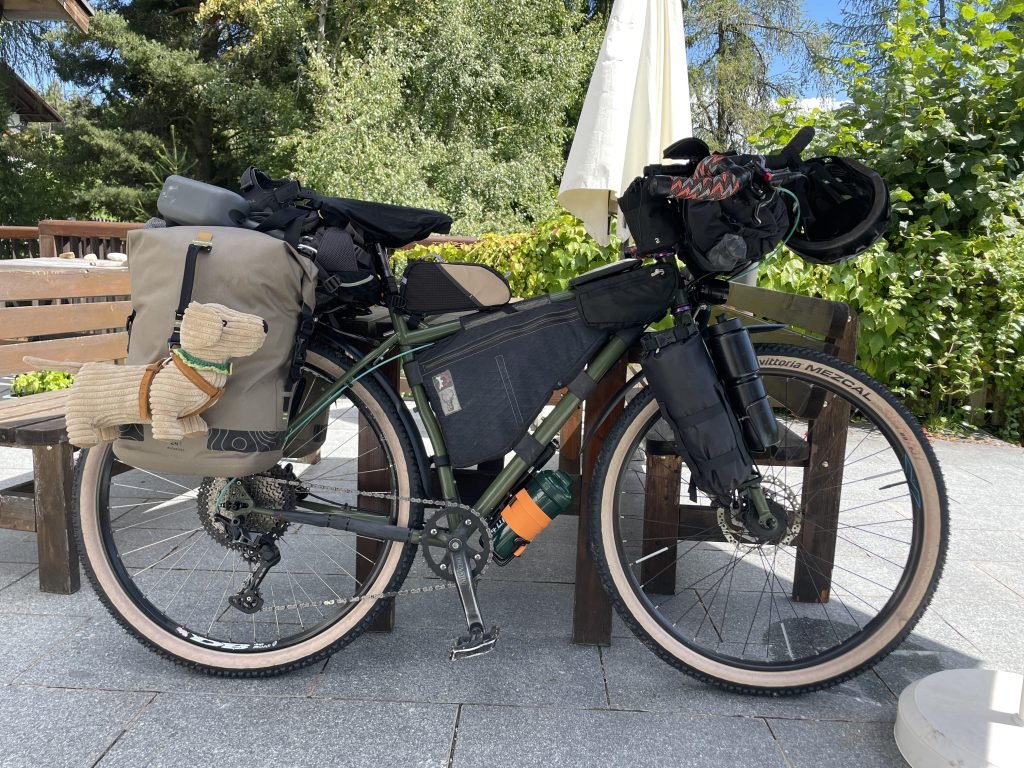
When you’re out on a bikepacking trip, finding water can quickly become your biggest challenge. Without a reliable water source, your adventure could turn from exciting to dangerous fast.
You need to know where to look and how to plan ahead so you never run dry. This guide will show you simple, effective ways to find water during your rides, helping you stay hydrated and safe no matter where the trail takes you.
Keep reading to discover tips that could save your trip—and maybe even your life.
Planning Your Water Needs
Carrying enough water is very important for bikepacking trips. You must plan how much water you will need each day.
Knowing where to find water on your route helps you stay safe and hydrated throughout your journey.
Estimating Daily Water Consumption
The amount of water you need depends on many things. These include weather, distance, and how hard you ride.
- Check the weather forecast for heat and sun.
- Calculate how many miles you plan to bike each day.
- Think about your body and how much you usually drink.
- Plan for extra water if the trail is hard or long.
Researching Water Availability Along Routes
Look for water sources before your trip. This helps you know where to refill safely.
Use maps, apps, and local guides to find rivers, springs, and stores with water.
| Water Source | Description | Refill Tips |
|---|---|---|
| Rivers | Common on many routes but may need filtering | Use a filter or purifier before drinking |
| Springs | Usually clean but check local advice | Collect from clear flowing spots |
| Stores/Gas Stations | Easy to find in towns or villages | Buy bottled water or refill bottles |
| Water Taps | Found in campgrounds or parks | Check if water is potable |
Packing Water Storage Solutions
Choose the right containers to carry water. Make sure they are light and easy to use on the bike.
- Hydration packs let you drink while riding without stopping.
- Water bottles fit on your bike frame for easy access.
- Collapsible bladders save space when empty.
- Backup bottles help in case you cannot refill soon.

Credit: www.reddit.com
Identifying Natural Water Sources
Finding water is very important during bikepacking trips. Natural water sources help you stay hydrated. Knowing how to spot them can keep you safe.
This guide explains how to identify streams, rivers, springs, wells, and use terrain to find water.
Spotting Streams And Rivers
Streams and rivers are common water sources in the wild. They usually flow downhill and are easier to see in valleys or low areas.
Look for signs like green plants or damp soil near these water bodies. The sound of running water can also guide you.
- Check valleys and low ground
- Listen for flowing water sounds
- Look for animal tracks leading to water
- Spot green plants or moss near water
Locating Springs And Wells
Springs are places where water flows out from the ground naturally. They are often found near hills or rocky areas.
Wells are man-made but can be old and hidden. Look near campsites, old buildings, or flat land where people stayed before.
- Search near hills or rocky slopes for springs
- Look for wet ground or clear water at spring sites
- Check old maps or signs for wells
- Explore near old campsites or flat clearings
Using Terrain To Find Water
Water flows downhill and collects in low areas. Look for dips, valleys, or places where the land flattens out.
Rock formations and plant types can also help. Green, leafy plants often grow near water. Dark, damp soil shows moisture below.
- Follow downhill slopes to find water
- Check valleys and flat areas for pools
- Look for green plants and moss
- Find dark, damp soil or mud patches
Water Purification Methods
Finding clean water is vital during bikepacking trips. Proper water purification keeps you safe from illness. There are several methods to make water safe to drink.
Each method has its benefits and limits. You can choose based on what gear you carry and the water sources you find.
Filtering Techniques For Safe Drinking
Water filters remove dirt, bacteria, and some parasites. They work by pushing water through a fine mesh or cartridge. Filters do not kill viruses, so check filter specs before use.
- Use pump filters for large amounts of water.
- Squeeze filters are light and easy to carry.
- Straw-style filters let you drink directly from water sources.
- Check filter pore size; smaller pores catch more germs.
- Clean and dry filters after use to prevent clogging.
Chemical Treatments And Their Use
Chemical treatments kill bacteria, viruses, and parasites. They are lightweight and easy to carry. Common chemicals include iodine and chlorine dioxide.
| Chemical | Effectiveness | Wait Time | Taste Impact |
| Iodine | Kills bacteria and viruses, less effective on some parasites | 30 minutes | Strong taste |
| Chlorine Dioxide | Kills bacteria, viruses, and parasites | 30-45 minutes | Mild taste |
| Chlorine Tablets | Good for bacteria and viruses | 30 minutes | Strong taste |
Boiling Water In The Wild
Boiling is the most reliable way to kill all harmful organisms. Heat water until it reaches a rolling boil. Keep boiling for at least one minute.
- Use a metal cup or pot to boil water.
- Find dry wood or use a stove for fire.
- Let boiled water cool before drinking.
- Boiling does not remove chemical pollutants.

Credit: www.reddit.com
Technology And Tools
Finding water during bikepacking trips can be challenging. Technology and tools help you locate and treat water safely.
Using the right devices and apps makes your trip safer and more enjoyable. Learn about useful tools below.
Water-finding Apps And Maps
Water-finding apps show nearby water sources on your route. They use maps and community updates.
Some apps include details about water quality and availability. Offline maps help when you have no signal.
- View rivers, lakes, and springs on digital maps
- Download offline maps for remote areas
- Read user reviews on water source reliability
Portable Water Filters And Pumps
Portable filters clean water from natural sources. They remove dirt, bacteria, and parasites.
Pumps push water through filters quickly. Lightweight models are easy to carry on a bike.
- Pump filters remove small particles and germs
- Squeeze filters are compact and simple to use
- UV filters use light to kill bacteria
Using Gps To Mark Water Stops
GPS devices help you mark water stops on your route. Save locations where you find water.
You can return to these spots if needed. Sharing GPS waypoints with others helps the bikepacking community.
- Mark water sources as waypoints on GPS
- Use GPS apps to plan routes with water stops
- Track water availability changes during your trip
Conserving Water On The Trail
Water is essential for any bikepacking trip. Carrying enough water can be hard on long rides. Saving water helps you stay safe and comfortable.
Knowing how to use water wisely makes your trip better. It helps you avoid running out before finding a new source.
Efficient Hydration Strategies
Drink small amounts often to keep your body hydrated. Avoid gulping large amounts at once. This helps your body use water better.
Start hydrating early in the day. Drink before you feel very thirsty. This keeps your energy steady and prevents dehydration.
- Take regular sips rather than big drinks
- Drink before heavy sweating starts
- Use a water bottle with a small opening for control
Minimizing Water Usage
Cut down on water used for washing or cooking. Use wet wipes or hand sanitizer instead of water for cleaning hands. Cook meals that need less water.
Keep your water container closed tightly to avoid spills. Avoid unnecessary rinsing of gear or clothes while on the trail.
- Use quick-dry towels instead of washing clothes
- Eat foods that require little or no water to prepare
- Reserve water for drinking first
Reusing And Recycling Water
Reuse water from cooking to clean dishes or rinse hands. Collect water from melting snow or morning dew when safe. Always filter or treat water before reuse.
Recycle water by capturing runoff to refill bottles. Use a small container to catch leftover water for later use. This reduces the need to find new water sources.
- Save water from boiled food to drink or clean
- Carry a collapsible container for water collection
- Filter all reused water before drinking
Safety Tips Around Water Sources
Finding clean water is important for bikepacking trips. Knowing how to stay safe around water helps prevent sickness.
Use simple safety tips to protect yourself from dangers near water sources. This guide helps you stay healthy.
Avoiding Contaminated Water
Not all water is safe to drink. Water from streams or lakes may have harmful germs or chemicals.
Always treat water before drinking. Use filters, purifiers, or boil water to kill bacteria and viruses.
- Do not drink water near farms or factories
- Avoid water with strange colors or smells
- Use water treatment tools whenever possible
Recognizing Hazardous Areas
Some water sources are unsafe because of natural dangers. Watch for fast currents, steep banks, or wildlife.
Check the area before collecting water. Look for signs of hazards to avoid accidents or injuries.
- Stay away from slippery rocks and edges
- Avoid water near animal tracks or nests
- Do not cross fast or deep streams
Dealing With Water Scarcity
Sometimes water is hard to find on bikepacking routes. Plan ahead to manage limited water supplies.
Carry extra water and know where natural water spots are. Save water by drinking only what you need.
- Use maps or apps to find water points
- Carry a lightweight water container
- Drink small amounts regularly to stay hydrated

Credit: theradavist.com
Frequently Asked Questions
How Can I Locate Water Sources On Bikepacking Routes?
Use offline maps and apps showing water points, springs, and rivers. Check trail guides and local forums. Always plan your route near known water sources to ensure availability during your trip.
What Tools Help Find Water During Bikepacking Trips?
Carry a GPS device with offline maps and water source data. Use apps like Gaia GPS or AllTrails. A portable water filter and hydration system are also essential for safety and convenience.
How To Identify Safe Natural Water Sources?
Look for clear, flowing water like streams or springs. Avoid stagnant or polluted water. Boil or filter water before drinking to eliminate harmful bacteria and parasites for safe hydration.
Can I Rely On Rainwater During Bikepacking?
Rainwater can be a good water source if collected properly. Use a tarp or rain catcher to collect clean water. Always purify rainwater before drinking to avoid contamination risks.
Conclusion
Finding water sources during bikepacking trips takes some planning and care. Always carry a reliable water filter or purifier. Check maps and apps to spot streams or lakes nearby. Stay alert for signs of water like green plants or animal tracks.
Remember to refill your bottles whenever you find clean water. Staying hydrated keeps you strong and safe on the trail. With these tips, your bikepacking adventure can be more enjoyable and worry-free. Safe travels and happy riding!



