
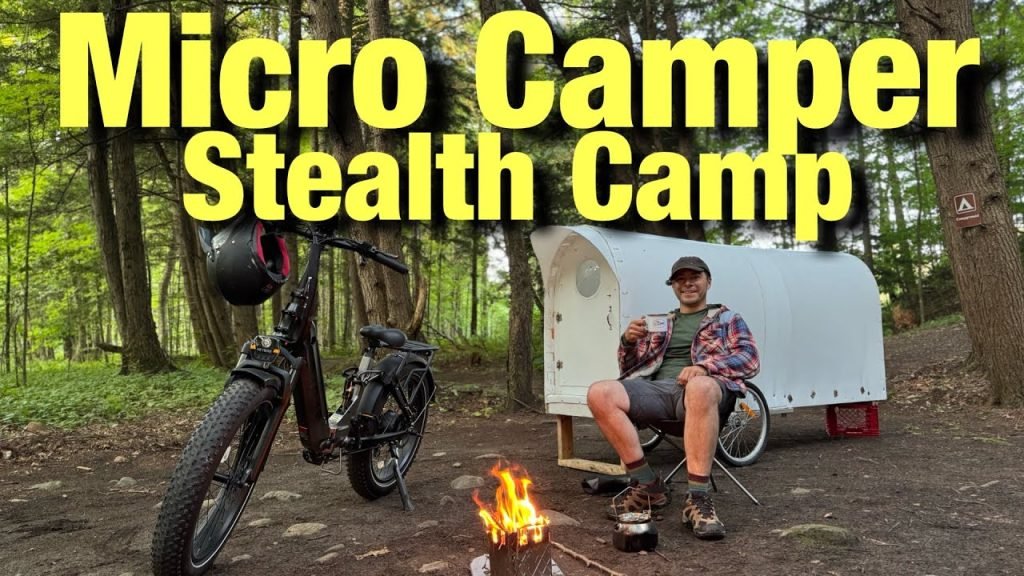
Imagine arriving at your campsite after a long day of biking, only to set up without drawing any attention. You want to rest, recharge, and keep your spot hidden from curious eyes or noisy crowds.
Knowing how to camp stealthily on your bikepacking adventures can make all the difference between a peaceful night and an uncomfortable one. In this guide, you’ll discover simple tips and tricks to help you blend into nature, stay safe, and enjoy your ride without worrying about where to pitch your tent.
Ready to master the art of stealth camping and take your bikepacking experience to the next level? Keep reading—you’re about to unlock secrets that every adventurous cyclist should know.

Credit: welovemountains.net
Choosing The Right Campsite
Picking the right campsite is important for a quiet night on bikepacking trips. A good spot helps you stay hidden and safe.
Look for places that blend into nature and keep you away from busy areas. This guide will help you find the best spot.
Finding Hidden Spots
Search for areas that are not easy to see from trails or roads. Trees, bushes, and rocks can hide your campsite.
Use natural cover to stay out of sight. Avoid open fields or places near busy paths.
- Look for dense trees or thick bushes
- Set up behind hills or large rocks
- Choose spots away from clear trails
Avoiding Crowds
Stay away from popular campsites and busy areas. Crowds can disturb your peace and reveal your location.
Ride farther from main roads or well-known camping spots. Early evening or late night arrivals help avoid attention.
- Camp far from main trails and roads
- Pick less popular locations on maps
- Arrive when fewer people are around
Assessing Terrain And Safety
Check the ground for flatness and firmness before setting your tent. Uneven or wet ground can cause discomfort or damage.
Look out for hazards like falling branches, flooding risks, or animal trails. Safety is key for a quiet and safe night.
- Choose flat, dry, and firm ground
- Avoid spots under dead tree limbs
- Stay clear of animal paths and water flow areas
Packing Light And Quiet
Camping stealthily on bikepacking trips means carrying only what you need. You must pack light to move easily and avoid making noise.
Keeping your gear quiet helps you blend into nature. It also avoids disturbing wildlife and other campers.
Essential Gear Only
Bring only the items you will use every day. Extra gear adds weight and noise. Choose multi-use tools and lightweight equipment.
- Lightweight tent or bivy sack
- Compact sleeping bag and pad
- Minimal cooking gear
- Simple clothing layers
- Basic first aid supplies
Noise-reducing Equipment
Use gear that makes little or no noise. Avoid metal parts that clink or rattle. Soft fabrics and rubber components help reduce sound.
- Silicone or rubber zipper pulls
- Quiet tent stakes like titanium
- Soft fabric stuff sacks
- Non-metal cooking utensils
- Velcro straps instead of buckles
Minimizing Light Pollution
Keep your light use low and directed. Bright lights can attract attention and disturb wildlife. Use red or dim lights to stay unnoticed.
- Headlamps with red light mode
- Use small, low-lumen flashlights
- Shield lights to avoid shining upward
- Turn off lights when not needed
- Use reflective gear to avoid extra light
Setting Up Camp Discreetly
Camping stealthily helps you stay safe and respect nature. It means setting up your bikepacking camp quietly and without drawing attention.
This guide covers simple ways to hide your tent and keep your setup low-impact. It also shares tips for setting up at night.
Camouflaging Your Tent
Choose a tent color that blends with the environment. Green, brown, or gray tents work best in most natural areas.
Set your tent among bushes, trees, or tall grass to break up its outline. Avoid open spaces where it stands out.
- Use natural materials like leaves or branches to cover parts of your tent.
- Keep your tent low to the ground to avoid shadows.
- Face the tent door away from trails or roads.
Low-impact Setup Techniques
Protect the ground and plants by choosing a durable tent footprint or groundsheet. This reduces damage to the soil.
| Technique | Benefit |
|---|---|
| Use existing clearings | Reduces need to clear vegetation |
| Pitch tent on durable surfaces | Prevents soil erosion and plant harm |
| Avoid digging or altering terrain | Keeps the site natural for others |
| Pack out all trash and waste | Keeps environment clean and healthy |
Nighttime Setup Tips
Set up your tent in low light to avoid drawing attention. Use a red light or dim flashlight to keep your eyes adjusted.
- Prepare your site before dark to move quietly.
- Keep noise to a minimum when unpacking and pitching.
- Secure all gear quickly to avoid extra light or sound.
- Turn off bright lights and use headlamps with red filters.
Managing Food And Waste
Camping on a bikepacking trip means carrying limited supplies. Managing food and waste carefully helps keep your campsite clean and quiet.
Good habits reduce smell and avoid attracting animals. This keeps your adventure safe and leaves nature undisturbed.
Odor Control Strategies
Keep food smells away from your sleeping area. Use airtight containers to stop odors from escaping.
Clean cooking gear right after use. Rinse with water and store it sealed to prevent smells.
- Use resealable bags or jars for food
- Store trash in sealed bags
- Cook downwind from your tent
- Dry out food scraps before packing out
Leave No Trace Practices
Pack out all trash and leftover food. Do not bury or burn waste, as it harms nature.
Use small portable bags to carry out waste. Keep your campsite tidy and natural for others.
- Bring reusable containers to reduce trash
- Carry out all wrappers and food scraps
- Use biodegradable soap far from water sources
- Dispose of human waste properly if needed
Storing Food Safely
Store food away from your tent to avoid animal visits. Use bear-proof containers or hang food in a tree.
Keep food sealed tightly. Check your bags for holes or leaks before storing.
- Use odor-proof bags or containers
- Hang food at least 10 feet off the ground
- Place food 100 feet away from sleeping area
- Check local rules for food storage options
Staying Safe And Legal
Camping stealthily on bikepacking trips means staying hidden and safe. It also means following local rules to avoid trouble.
Knowing how to camp quietly while respecting laws helps you enjoy your adventure without risks.
Researching Local Regulations
Check local laws about camping before your trip. Some places do not allow overnight stays or have special rules.
Use official websites or contact local offices to get the latest information. This helps avoid fines or being asked to move.
- Look for camping permits or restrictions
- Note protected areas where camping is banned
- Find out about fire rules and waste disposal
Respecting Private Property
Never camp on private land without permission. Respect signs and fences to avoid conflicts with landowners.
If you want to camp on private property, ask the owner first. A simple polite request can save trouble.
- Look for public lands or designated camping spots
- Avoid disturbing livestock or crops
- Leave no trace and take all trash with you
Emergency Preparedness
Prepare for emergencies by carrying basic first aid and communication tools. This keeps you safe if problems arise.
Share your route and plans with someone you trust. Check weather forecasts and know emergency numbers for the area.
- Pack a first aid kit with essentials
- Bring a charged phone or emergency beacon
- Keep extra food and water in case of delays
Credit: bikepacking.com
Maintaining Stealth During Your Stay
Camping quietly helps you stay safe and undetected on bikepacking trips. You blend into nature by keeping noise low, moving less, and hiding light and smoke. This guide covers key ways to stay stealthy.
Following simple rules makes your camping spot less visible. It also keeps wildlife calm and nearby people unaware. Focus on quiet actions and careful planning to enjoy a peaceful rest.
Noise Discipline
Noise can reveal your location quickly. Avoid loud talking, dropping gear, or slamming bike parts. Use soft materials to muffle sounds and move with care. Keep your voice low if you must speak.
- Pack gear in soft bags to reduce clatter
- Wear quiet shoes or avoid walking on dry leaves
- Speak in whispers or use hand signals
- Secure loose items to prevent noise
- Set up camp in sheltered areas to block sound
Minimizing Movement
Less movement means less chance of being spotted. Plan your setup before arriving. Once camp is set, stay still to avoid drawing attention. Move slowly and avoid sudden actions if you must leave.
| Activity | Tips to Minimize Movement |
| Setting up tent | Prepare tools and clear space beforehand |
| Cooking | Use simple meals that need little preparation |
| Going to bathroom | Choose nearby spots to avoid long walks |
| Leaving camp | Move quietly and take familiar paths |
Avoiding Light And Smoke
Light and smoke are easy to spot from far away. Use a low red light or a small headlamp with a cover. Cook away from your tent and use dry wood to reduce smoke. Avoid fires if possible.
- Use LED lights with dim settings
- Cover lights with red cellophane or fabric
- Cook downwind to keep smoke away from camp
- Opt for quick-burning fuel like alcohol stoves
- Extinguish fires fully before sleeping
Breaking Camp Without A Trace
When bikepacking, it is important to leave no signs you were there. This keeps nature clean and safe for others. Packing up quietly and carefully helps protect the environment.
Focus on cleaning well, fixing the site, and moving without noise. These steps help you camp stealthily and respectfully.
Cleaning Up Thoroughly
Pick up all trash, food scraps, and gear pieces. Even small items can harm wildlife or spoil the area’s beauty. Check pockets and bags for any litter.
Use a bag for trash and pack it out with you. Avoid burning trash or leaving waste behind. Leave the site as clean as you found it.
- Collect all litter and food scraps
- Pack out everything, including small bits
- Do not burn or bury trash
- Check your gear carefully before leaving
Restoring The Site
Flatten disturbed ground and fill in holes from tent stakes or campfires. Scatter natural materials like leaves or twigs to hide your campsite.
Make sure no tracks or marks are visible. This helps keep the site looking natural and ready for the next visitor.
- Fill holes and level the ground
- Cover disturbed soil with leaves or grass
- Erase footprints and bike tracks if possible
- Restore any moved rocks or sticks
Packing Up Quietly
Move slowly and carefully to avoid noise. Close zippers and fold gear gently. This helps keep wildlife calm and nearby people unaware.
Load your bike in a way that prevents rattling. Check straps and bags to keep everything secure. Quiet packing lets you leave without disturbing the area.
- Close zippers and pack gear softly
- Secure all bags to prevent rattles
- Move slowly to avoid noise
- Be mindful of wildlife and neighbors
Credit: www.youtube.com
Frequently Asked Questions
How To Choose A Stealthy Campsite On Bikepacking Trips?
Pick a discreet spot away from trails and roads. Look for natural cover like trees or bushes. Avoid open fields or private property to stay unnoticed and respect local regulations. Choose flat, dry ground to ensure comfort and safety during your bikepacking adventure.
What Gear Helps With Stealth Camping On Bikepacking Rides?
Use lightweight, low-profile tents or bivy sacks. Opt for dark or neutral colors to blend with surroundings. Pack quiet, compact cooking gear and avoid bright lights. Carry a small, silent pump and tools for quick repairs to maintain low visibility.
How To Minimize Noise While Camping Stealthily On Bikes?
Avoid loud conversations and noisy gear handling. Set up camp quietly and keep movements slow. Use soft-soled shoes to reduce sound. Cook away from the tent to prevent attracting attention. Practice good campsite etiquette to respect wildlife and neighbors.
Can Stealth Camping On Bikepacking Affect Local Wildlife?
Yes, it can disturb animals if not done responsibly. Choose campsites away from sensitive habitats. Keep food sealed and stored properly to avoid attracting wildlife. Follow Leave No Trace principles to minimize environmental impact and preserve natural behavior.
Conclusion
Camping stealthily on bikepacking trips takes practice and patience. Choose quiet spots away from trails and lights. Keep noise low and pack out all trash. Use simple gear that blends with nature. Respect local rules and wildlife always. Small steps help you stay hidden and safe.
Enjoy the peace that stealth camping brings. Each trip teaches you how to improve. Stay curious and keep exploring the outdoors. Your quiet nights will make your adventure special.



