
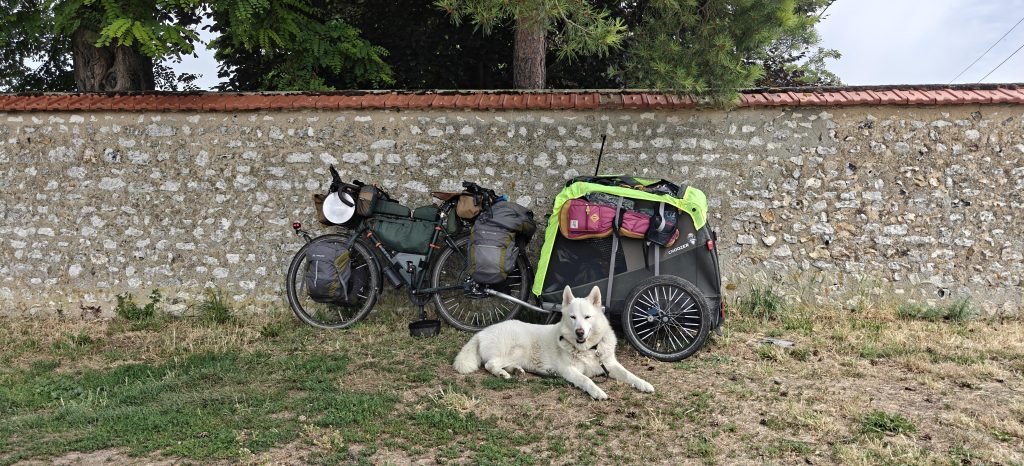
If you love bikepacking and want to bring your furry friend along, you might be wondering how to carry pets on your bike safely and comfortably. You want your pet to enjoy the ride as much as you do, without any stress or risk.
You’ll discover simple, practical tips to make sure your pet stays secure and happy while you explore the great outdoors together. Keep reading, and you’ll learn everything you need to know to turn your bikepacking trips into unforgettable adventures—for both you and your pet.
Choosing The Right Bike
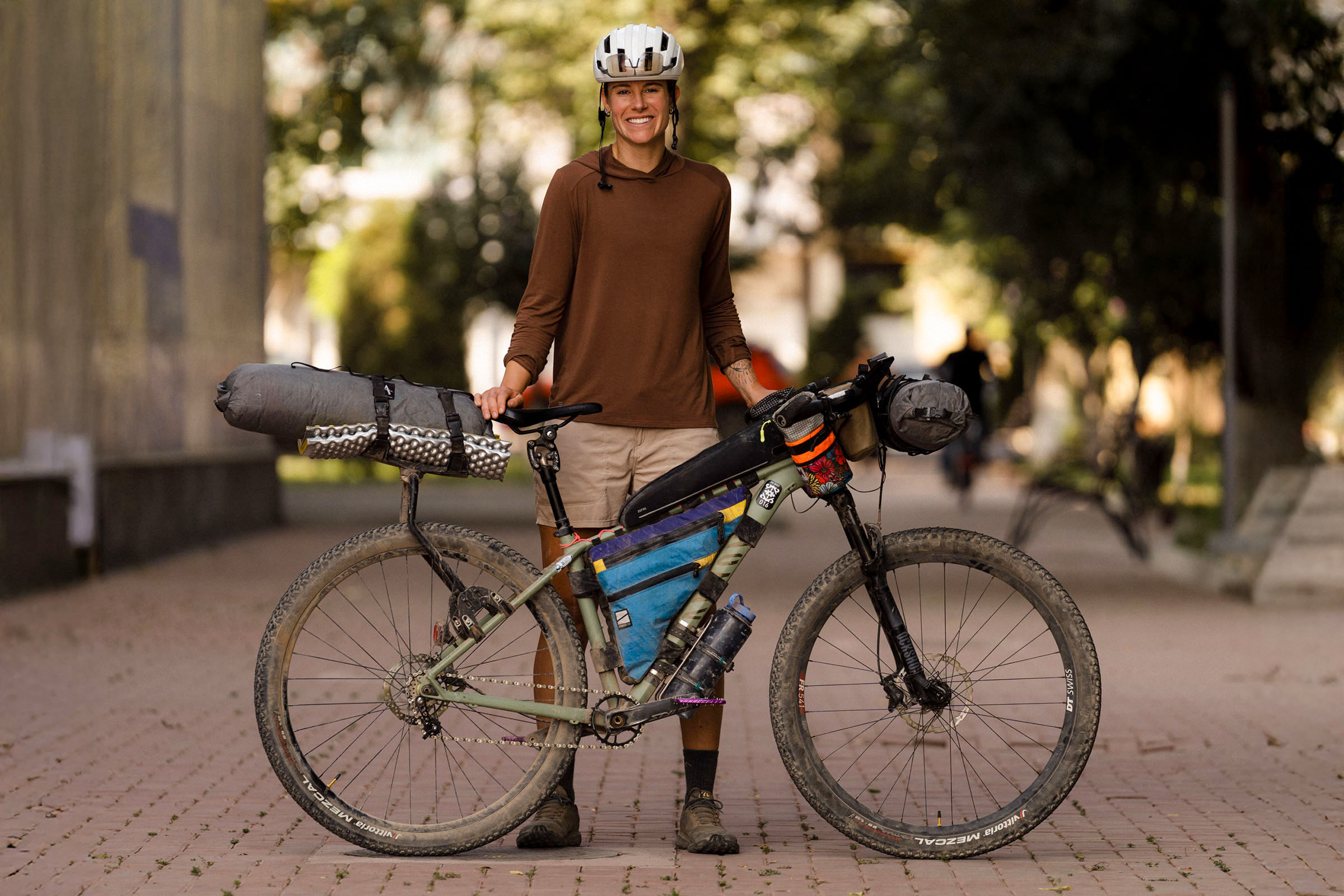
Carrying pets on bikepacking trips needs a bike that fits both rider and animal. The right bike helps keep your pet safe and comfortable. It also makes riding easier and more stable.
Think about the bike frame, tires, suspension, and balance. These parts affect how well your bike can handle extra weight and rough roads. Choose carefully to enjoy your pet-friendly adventure.
Frame And Tire Considerations
Pick a bike frame strong enough to carry your pet’s weight and gear. Steel and aluminum frames are good choices for strength and durability. Make sure the frame size fits you well.
Wide tires help keep balance with extra weight. Tires that are at least 2 inches wide give better grip and comfort. Look for tires that handle rough trails and pavement well.
- Choose a frame with strong materials like steel or aluminum
- Check that the frame size fits your body for comfort
- Use wide tires, at least 2 inches, for stability
- Select tires with good traction for mixed terrain
Suspension And Stability
A suspension system helps absorb shocks on rough roads. Bikes with front suspension or full suspension give a smoother ride. This helps keep your pet calm and safe during bumps.
Good stability is key when carrying pets. Look for bikes with a low center of gravity. A stable bike reduces the risk of tipping over when your pet moves or shifts weight.
- Choose front or full suspension for smooth riding
- Look for a bike with low center of gravity
- Test the bike’s balance before your trip
- Adjust your riding style to keep steady on turns

Credit: www.reddit.com
Selecting Pet Carriers
Carrying pets on bikepacking bikes needs the right gear. Choosing the best carrier keeps your pet safe and comfortable.
There are many types of pet carriers. Each type fits different needs and bike setups.
Backpack Carriers
Backpack carriers let you carry small pets on your back. They keep pets close and secure during rides.
- Choose backpacks with good ventilation.
- Look for padded straps for your comfort.
- Make sure the size fits your pet well.
- Check for safety harness attachments inside.
- Water-resistant materials help in bad weather.
Trailer Attachments
Trailers attach behind your bike and carry larger pets. They offer more space and stability on rough roads.
| Feature | Benefit | Consideration |
| Size | Room for pet to move | Check bike compatibility |
| Suspension | Smoother ride | Better for rough terrain |
| Weight | Affects bike handling | Lighter is easier to tow |
| Safety | Secure harness and cover | Protects from weather and debris |
Handlebar And Frame Bags
Small pets can ride in handlebar or frame bags. These bags keep pets close but need good airflow.
- Choose bags with mesh windows for ventilation.
- Ensure the bag fits your bike frame size.
- Check that the bag has secure straps.
- Consider padded interiors for pet comfort.
Safety Measures For Pets
Carrying pets on bikepacking bikes needs careful safety planning. Pets must stay secure and comfortable during the ride.
Using the right gear and techniques helps avoid injuries and stress for your pet. Always prepare before you ride.
Harnesses And Leashes
A good harness fits your pet snugly without causing pain. Avoid collars for bike rides to prevent choking risks.
Use strong leashes that attach securely to the harness. This keeps your pet close and stops sudden jumps or falls.
- Choose a harness designed for bike travel
- Check fit before every ride
- Use a leash with a sturdy clip
- Secure leash to bike frame or backpack
Protective Gear
Protective gear shields pets from wind, debris, and weather. It also adds comfort on long rides.
Consider items like pet goggles, boots, and lightweight jackets. These help avoid injuries and keep pets calm.
- Goggles protect eyes from dust and bugs
- Boots guard paws from rough terrain
- Light jackets keep pets warm or dry
- Reflective gear improves visibility
Securing Your Pet
Make sure your pet is safely fastened to the bike or carrier. This prevents falls and sudden movements.
Use proper carriers or bike trailers made for pets. Always check that straps and clips are tight and intact.
- Use pet-specific bike trailers or carriers
- Check all straps and fasteners before riding
- Keep pets in a stable, padded area
- Never leave your pet unattended on the bike

Credit: www.reddit.com
Packing Essentials For Pets
Taking your pet on a bikepacking trip means careful planning. You must pack the right items to keep them safe and happy.
Focus on essentials like food, water, first aid, and comfort. These basics will help your pet enjoy the journey.
Food And Water Storage
Carry enough food and water for your pet. Use containers that are easy to open and close during stops.
- Use collapsible bowls for feeding and drinking
- Store dry food in airtight bags to keep it fresh
- Bring extra water bottles dedicated to your pet
- Keep a small cooler bag if your pet eats wet food
First Aid Supplies
Prepare a small first aid kit for your pet. Include items to treat minor injuries and keep your pet healthy.
| Item | Purpose |
| Bandages | Cover cuts and wounds |
| Antiseptic wipes | Clean injuries |
| Tweezers | Remove ticks or splinters |
| Pet-safe pain relief | Reduce discomfort |
| Digital thermometer | Check for fever |
Comfort Items
Comfort items help your pet feel secure on the trip. Bring things that remind them of home.
- A favorite blanket or small bed
- Toys your pet likes to chew or cuddle
- A leash and harness for safe stops
- Protective gear for rough weather
Training Your Pet For Rides
Taking your pet on bikepacking trips is fun and rewarding. Training your pet helps keep them safe and happy during rides.
Start training early and be patient. This guide covers key ways to prepare your pet for bike rides.
Gradual Acclimation
Help your pet get used to the bike and gear slowly. Begin by letting them explore the bike while it is still. Next, take short rides around your home.
- Let your pet sit on the bike before moving
- Use short, calm rides at first
- Increase ride length over days or weeks
- Practice loading and unloading your pet carefully
- Reward calm behavior during practice rides
Positive Reinforcement
Use treats and praise to encourage good behavior. Positive reinforcement helps your pet feel safe and enjoy rides.
| Action | Reward |
| Staying calm on the bike | Small treat |
| Getting into the carrier | Verbal praise |
| Walking beside the bike | Playtime |
| Listening to commands | Favorite toy |
Handling Anxiety
Some pets feel nervous during bike rides. Watch for signs like panting or trembling. Stay calm and give breaks if needed.
- Use a familiar blanket or toy in the carrier
- Speak softly to comfort your pet
- Start rides in quiet, low-traffic areas
- Keep rides short until your pet relaxes
- Consult a vet for advice if anxiety is strong
Planning Your Route
Carrying pets on bikepacking bikes needs careful route planning. Safety and comfort are top priorities for both you and your pet.
Consider the trail conditions, places to rest, and weather. These factors help create a smooth and enjoyable trip.
Pet-friendly Trails
Choose trails that allow pets and have easy terrain. Avoid busy or dangerous paths to protect your pet.
- Look for trails with wide paths and soft ground
- Check local rules about pets on trails
- Find trails with shade to keep pets cool
- Avoid areas with wild animals or heavy traffic
Rest Stops And Breaks
Plan where to stop for breaks. Pets need water, food, and time to stretch.
| Rest Stop Type | What to Check | Why It Matters |
| Shady Spot | Tree cover or shelter | Protects pet from heat |
| Water Source | Clean and safe water | Prevents dehydration |
| Flat Area | Level ground | Comfortable place to rest |
Weather Considerations
Check the weather before and during your trip. Weather affects your pet’s health and safety.
- Avoid very hot days to prevent heatstroke
- Carry rain gear for you and your pet
- Watch for cold temperatures that can harm your pet
- Plan shorter rides if weather turns bad
On The Road Tips
Carrying pets on bikepacking bikes requires careful attention. Keeping your pet safe and comfortable is important.
This guide shares simple tips to help you manage your pet while riding on the road.
Monitoring Pet Health
Check your pet’s health often during the ride. Look for signs of tiredness, overheating, or stress.
Make sure your pet drinks water regularly and rests when needed. Keep an eye on their breathing and movement.
- Watch for heavy panting or drooling
- Look for limping or stiffness
- Check for unusual behavior or quietness
- Offer water every 20-30 minutes
Adjusting Riding Pace
Ride slower than usual to keep your pet calm and safe. Avoid sudden stops or sharp turns.
Take breaks often to let your pet stretch and relax. Keep the bike steady and avoid rough paths when possible.
- Maintain a steady speed
- Stop every hour for a break
- Choose smooth roads or trails
- Listen to your pet’s signals
Dealing With Emergencies
Prepare for emergencies by carrying a pet first aid kit. Know the nearest vet locations on your route.
Stay calm if your pet gets hurt or scared. Stop the ride and check their condition immediately.
- Keep contact info of vets handy
- Have bandages and antiseptic ready
- Know how to handle heatstroke or injuries
- Use a leash or carrier for control
Credit: bikepacking.com
Frequently Asked Questions
How Do I Safely Carry Pets On Bikepacking Bikes?
Use secure pet carriers or trailers designed for bikes. Ensure proper ventilation and comfort. Always fasten pets with harnesses to avoid sudden falls. Check weight limits to maintain bike balance and control during rides.
What Gear Is Essential For Bikepacking With Pets?
Essential gear includes a sturdy pet carrier, leash, harness, water bowl, and portable pet first aid kit. Reflective gear enhances visibility. Packing lightweight food and waste bags keeps pets safe and comfortable on the trail.
Can All Pets Ride On Bikepacking Bikes?
Most small to medium-sized dogs adapt well to bikepacking bikes. Larger pets may need trailers. Always consider your pet’s temperament, health, and size before bikepacking. Consult a vet for advice on your specific pet’s suitability for bike travel.
How To Keep Pets Comfortable During Bikepacking Rides?
Provide cushioning in carriers or trailers to absorb shocks. Take frequent breaks for hydration and exercise. Avoid extreme weather conditions and monitor pets closely for signs of stress or fatigue. Proper preparation ensures a pleasant experience for both rider and pet.
Conclusion
Carrying pets on bikepacking bikes can be safe and fun. Choose the right gear for your pet’s size and comfort. Always check your pet’s safety before starting the ride. Keep your trips short at first to help your pet adjust.
Watch your pet closely during the ride for signs of stress. Enjoy the journey together, creating great memories on the road. With care and attention, biking with pets becomes a joyful adventure.



