
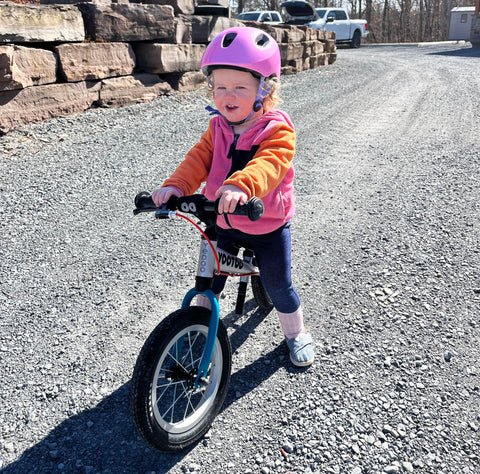
Choosing the right bike for your child can feel overwhelming. You want something safe, fun, and easy for your little one to handle.
But did you know that selecting a lightweight bike can make all the difference in your child’s riding experience? A lighter bike means your kid can ride longer, learn faster, and enjoy every moment without getting tired too soon. If you want to find the perfect lightweight bike that fits your child’s needs, you’re in the right place.
Keep reading, and you’ll discover simple tips that make picking the best bike easier than ever.
Credit: basebikes.com.au
Benefits Of Lightweight Bikes
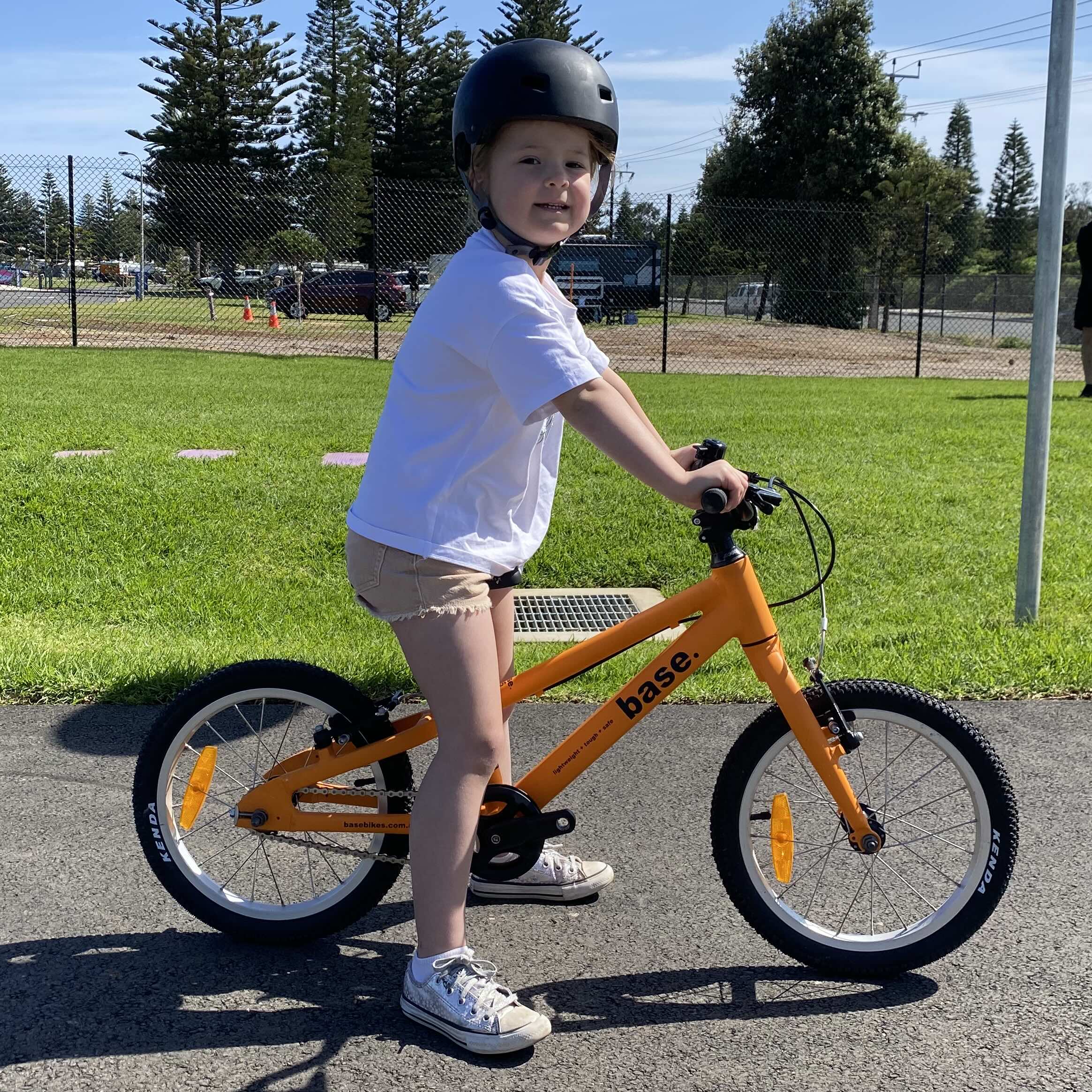
Lightweight bikes help kids enjoy riding more. They make learning easier and safer. Choosing a light bike supports a child’s growth and confidence.
Parents should know why lightweight bikes are a good choice. These bikes allow kids to handle and control them better. This helps keep kids safe and encourages them to ride often.
Easier Handling And Control
Lightweight bikes are easier for kids to steer. They can turn and stop quickly. This helps kids feel more comfortable while riding.
Less weight means less effort is needed to move the bike. Kids get tired less fast. This leads to better balance and skill development.
Improved Safety For Kids
Light bikes reduce the chance of falls and injuries. Kids can stop or slow down faster. This lowers the risk of accidents.
Because the bike is lighter, children can pick it up easily if it tips over. This helps them avoid panic and stay calm.
Encourages Frequent Riding
Kids enjoy riding bikes they can handle well. Lightweight bikes make riding fun and less tiring. This leads to more frequent rides.
More riding means better exercise and skill growth. Kids build confidence and love outdoor activities with a light bike.
Credit: www.cyclesprog.co.uk
Key Features To Consider
Choosing the right lightweight bike for kids helps them enjoy riding more. It also makes learning to ride easier and safer.
Look at important features before buying. These features affect comfort, safety, and bike performance.
Frame Material And Design
The bike frame should be strong but light. Common materials include aluminum and steel.
Aluminum frames are lighter and resist rust. Steel frames are heavier but very durable.
- Aluminum: lightweight and rustproof
- Steel: strong but heavier
- Design: low step-through frames are easier to mount
Wheel Size And Type
Choose the right wheel size based on your child’s age and height. Smaller wheels are easier to control.
Most kids’ bikes have wheels from 12 to 20 inches. Larger wheels suit older kids.
- 12-14 inch wheels: ages 2-4
- 16 inch wheels: ages 4-6
- 20 inch wheels: ages 6-9
- Types: air-filled tires offer a smooth ride
Weight Of The Bike
Light bikes are easier for kids to handle and pedal. Heavy bikes can tire them quickly.
Try to find bikes that weigh less than half of your child’s weight. This helps with balance and control.
- Lighter bikes improve riding confidence
- Heavy bikes may cause fatigue
- Check bike weight before buying
Brake Systems
Brakes are important for safety. Kids need brakes they can easily reach and operate.
Coaster brakes are simple and good for beginners. Hand brakes offer better control for older kids.
- Coaster brakes: pedal backward to stop
- Hand brakes: require hand strength and coordination
- Check if brake levers fit your child’s hands
Adjustable Components
Adjustable seats and handlebars help the bike grow with your child. This adds value and comfort.
Make sure the seat height and handlebar position can be changed without tools. This makes adjustments easy.
- Adjustable seat height for proper leg reach
- Handlebars that move up and down
- Quick-release parts save time
Choosing The Right Size
Picking the right size bike for your child is very important. A bike that fits well is safer and more fun to ride.
Below are some key ways to find the best size bike for your child.
Measuring Your Child’s Height
Start by measuring your child’s height without shoes. Have them stand straight against a wall. Use a tape measure or ruler to get an accurate number.
Knowing the height helps match the bike size. It is more accurate than just using age.
Matching Bike Size To Age
| Age | Wheel Size | Height Range (inches) |
|---|---|---|
| 2-3 years | 12 inches | 28-35 |
| 4-5 years | 14 inches | 36-42 |
| 5-7 years | 16 inches | 42-48 |
| 6-8 years | 18 inches | 48-54 |
This chart gives a simple guide. Use it to find a bike size that fits your child’s age and height. Always check the actual fit before buying.
Importance Of Proper Fit
- A proper fit helps your child control the bike better.
- It makes riding more comfortable and safer.
- A too big or small bike can cause accidents or injuries.
- Check that your child can reach the pedals and handlebars easily.
- Make sure your child can touch the ground with their feet.
Take time to adjust the seat and handlebars. This helps get the best fit as your child grows.
Popular Lightweight Bike Materials
Choosing the right bike material for kids helps them ride easier. Lightweight bikes make it simple for children to control and enjoy riding.
This guide explains popular materials used for lightweight kids’ bikes. Each material has its own benefits and features.
Aluminum Frames
Aluminum is a common choice for kids’ bike frames. It is light and strong, making the bike easier to handle.
Aluminum frames resist rust and need little maintenance. This material keeps the bike durable for many rides.
- Lightweight for easy riding
- Strong and durable
- Rust-resistant surface
- Low maintenance
Carbon Fiber Options
Carbon fiber is very light and stiff. It helps kids ride faster and with less effort.
This material is often found in high-end kids’ bikes. It can be more expensive but offers great performance.
- Extremely lightweight
- High stiffness for better speed
- Usually higher price
- Needs careful handling
Steel And Its Pros And Cons
Steel is heavier than aluminum and carbon fiber. It makes the bike strong and long-lasting.
Steel frames can handle rough use but add extra weight. Some steel types resist rust better than others.
- Strong and durable
- Heavier than other materials
- Can resist rust if treated
- Good for rough riding
Safety Features To Look For
Choosing a lightweight bike for kids means checking important safety features. These features help keep your child safe while riding.
Focus on brakes, reflectors, lights, and helmet compatibility. These parts make the bike safer and easier to control.
Reliable Brakes
Brakes are the most important safety feature on any bike. Kids need brakes that stop the bike quickly and smoothly.
Look for bikes with easy-to-use hand brakes or coaster brakes. Test the brakes to make sure they work well for small hands.
- Hand brakes offer better control for older kids
- Coaster brakes stop the bike by pedaling backward
- Brakes should respond quickly and not stick
- Check if brake levers fit your child’s hand size
Reflectors And Lights
Reflectors help others see the bike in low light. Lights make it easier to ride when it is dark outside.
Check if the bike has front and rear reflectors. Some bikes also come with built-in lights for extra safety.
- White reflectors at the front
- Red reflectors at the rear
- Reflectors on pedals and wheels
- Optional battery-powered lights for night rides
Helmet Compatibility
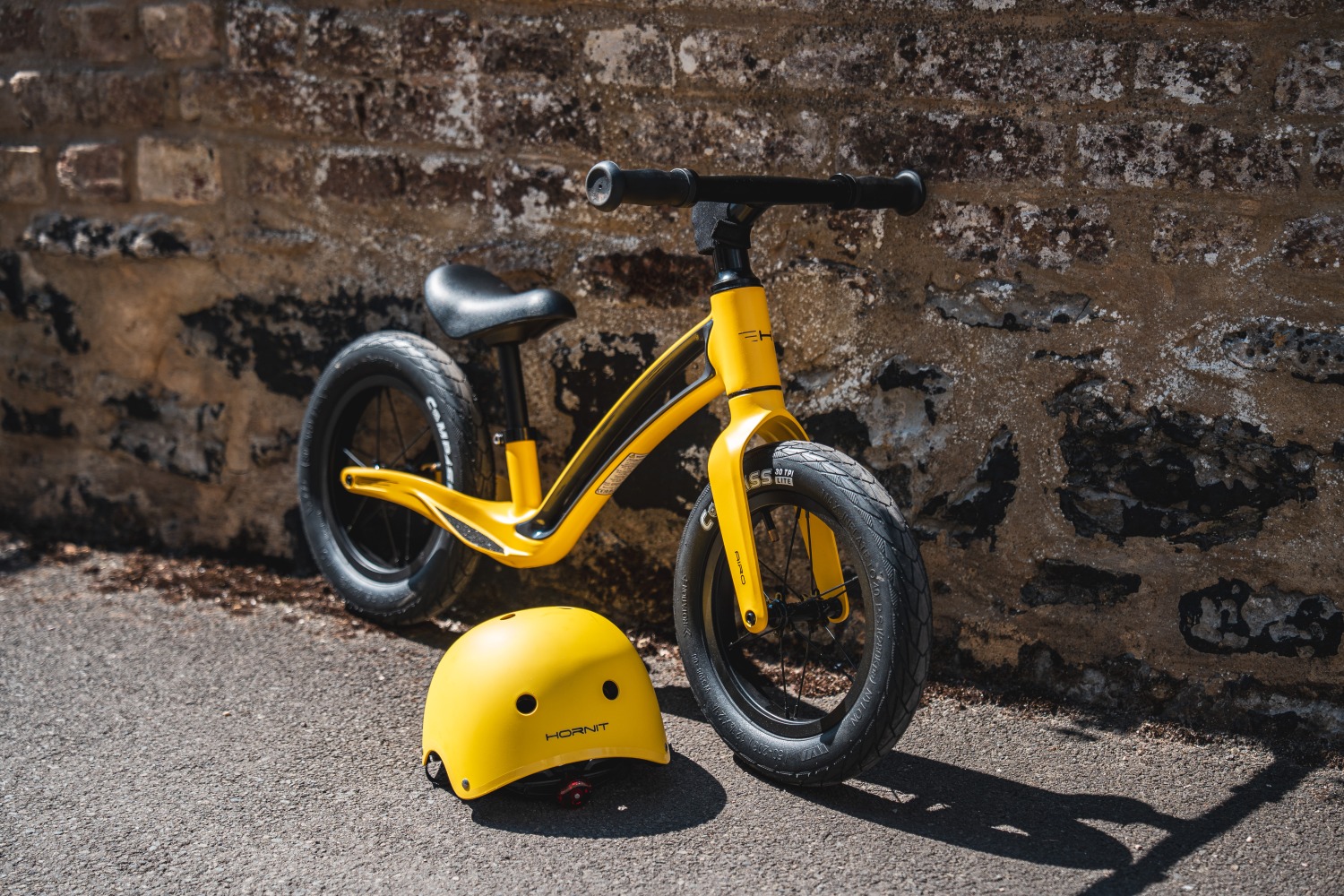
A helmet is a must-have safety item for every kid. The bike should fit well with the helmet and encourage its use.
Choose a bike that makes wearing a helmet easy and comfortable. Some bikes have helmet mounts or storage options.
- Make sure the bike size fits your child’s height
- Check that the helmet fits well and feels secure
- Look for bikes with places to store the helmet
- Teach kids to always wear a helmet while riding
Budgeting For A Lightweight Bike
Choosing a lightweight bike for kids needs careful budgeting. You want a good bike without spending too much.
Knowing where to spend and save helps you get the best bike for your budget.
Price Ranges And Quality
Lightweight bikes come in many price ranges. The price often shows the bike’s quality and features.
Lower prices may mean heavier materials or fewer features. Higher prices usually bring better parts and lighter frames.
- Budget bikes: $50 to $100, basic quality, heavier weight
- Mid-range bikes: $100 to $200, better materials, lighter
- High-end bikes: $200+, very lightweight, more durable
Where To Buy
You can buy lightweight kids’ bikes at many places. Each option has pros and cons.
Local bike shops offer expert advice and chances to test the bike. Online stores give more choices and sometimes lower prices.
- Local bike stores: try before buying, local support
- Online retailers: wide selection, often better deals
- Big box stores: convenient, sometimes lower quality
Considering Secondhand Options
Secondhand bikes can save money. Look for used bikes in good condition and lightweight materials.
Check the bike carefully for damage. Ask about the bike’s history and if parts have been replaced.
- Inspect frame for cracks or dents
- Check tires and brakes for wear
- Test ride to ensure smooth functioning
- Buy from trusted sellers or bike shops
Maintenance Tips For Lightweight Bikes
Lightweight bikes for kids need regular care to stay safe and fun. Proper maintenance helps the bike last longer.
Follow simple tips to keep your child’s bike clean, safe, and ready to ride.
Regular Cleaning And Inspection
Clean the bike after every ride to remove dirt and dust. Check all parts for damage or wear. Look at the frame, chain, and pedals closely.
- Wipe the frame with a damp cloth
- Use a soft brush for hard-to-reach spots
- Check bolts and screws to make sure they are tight
- Look for cracks or dents in the frame
- Inspect the chain for rust or stiffness
Tire And Brake Care
Tires and brakes keep the bike safe. Check tire pressure and brake function often. Replace worn parts as needed.
| Item | Check | Frequency |
| Tire Pressure | Keep firm but not too hard | Weekly |
| Brake Pads | Look for wear and replace if thin | Monthly |
| Brake Cables | Ensure smooth movement | Monthly |
| Tire Tread | Check for cracks or bald spots | Monthly |
Storage Recommendations
Store the bike in a dry place to stop rust and damage. Keep it away from direct sunlight to protect colors and parts.
- Use a bike stand or hang it on a wall hook
- Cover the bike with a cloth or bike cover
- Keep it indoors during rain or snow
- Remove the battery if the bike is electric

Credit: www.amazon.ca
Frequently Asked Questions
What Is The Best Weight For A Kid’s Bike?
The best weight for a kid’s bike is typically between 15 to 25 pounds. Lighter bikes allow easier handling and better control, enhancing confidence and safety while riding.
How To Measure The Right Bike Size For Kids?
Measure your child’s inseam in inches to find the right bike size. The seat height should allow both feet to touch the ground comfortably when seated.
Why Choose A Lightweight Bike For Children?
Lightweight bikes reduce fatigue and improve maneuverability. They help kids learn faster and enjoy riding without struggling with heavy frames.
What Materials Make A Bike Lightweight For Kids?
Aluminum and carbon fiber are common lightweight materials. These materials balance durability with low weight, making rides smoother and easier for children.
Conclusion
Choosing a lightweight bike helps kids enjoy riding more. It makes balancing and steering easier for them. Consider size, weight, and safety features carefully. A good bike builds confidence and encourages outdoor fun. Let your child try the bike before buying it.
Keep these tips in mind to pick the right bike. Happy riding!



