
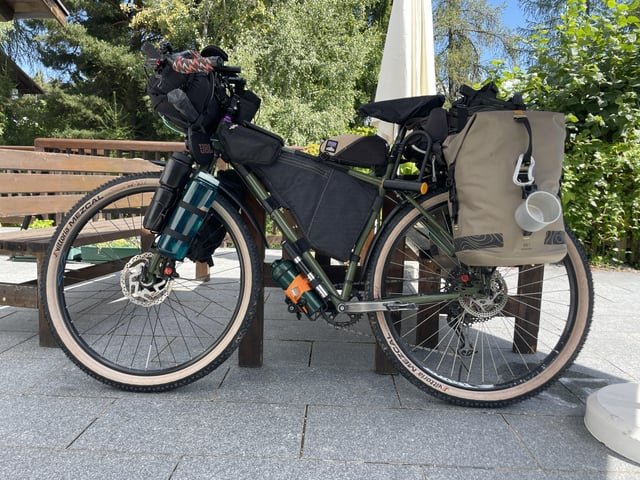
Packing your camping gear on a bikepacking bike can feel tricky. You want to bring everything you need without making your ride heavy or uncomfortable.
But how do you find the right balance? How do you carry all your essentials safely and efficiently? You’ll discover simple, practical tips to pack your gear smartly. Whether you’re a beginner or looking to improve your setup, these ideas will help you enjoy your trip more and stress less.
Keep reading to unlock the secrets of carrying camping gear the right way on your bikepacking adventure.
Choosing The Right Bikepacking Bike
Picking the right bikepacking bike is key to carrying your gear safely. Your bike must handle rough paths and heavy loads.
Good choices make your trip easier and more fun. This guide helps you find the best bike for your needs.
Frame Types And Materials
Bike frames come in different shapes and materials. Each type affects weight, strength, and comfort.
Steel frames are strong and easy to fix. Aluminum frames are light but less flexible. Carbon frames are very light and smooth but cost more.
- Steel: durable and repair-friendly
- Aluminum: light and stiff
- Carbon: lightest and absorbs bumps well
Tire Options For Rough Terrain
Tires affect how your bike rides on dirt and rocks. Wider tires give more grip and comfort.
Knobby tires work best on loose or muddy ground. Smooth tires are faster but not good on rough trails.
- Wide tires (2.0 inches or more) for stability
- Knobby tread for better traction
- Strong sidewalls to avoid punctures
Gear Mounts And Attachment Points
Your bike needs places to attach bags and gear. Look for many mounts on the frame and forks.
Mounts let you carry frame bags, racks, and water bottles. More mounts mean better gear organization.
- Multiple bottle cage mounts
- Rack mounts on front and rear
- Frame mounts for bags and tools
Essential Bikepacking Gear
Carrying the right gear makes bikepacking trips safe and fun. You need items that are light and easy to pack.
Choosing essential gear helps you travel longer without extra weight. It also keeps you ready for different weather and situations.
Lightweight Tent And Sleeping Bag
A lightweight tent protects you from rain and wind. It should be small and easy to carry on your bike.
The sleeping bag must be warm but not heavy. Look for bags that pack small and dry quickly.
- Compact tent with a small pack size
- Waterproof and windproof materials
- Sleeping bag rated for the expected temperature
- Lightweight and compressible design
Cooking Equipment
Carry a small stove that is easy to set up and light. Choose fuel that is easy to find or carry.
Bring compact pots and utensils. They save space and help you cook simple meals on the road.
- Compact and lightweight stove
- Small fuel canisters or solid fuel tablets
- Lightweight pot and pan
- Compact utensils like spork and knife
Clothing And Personal Items
Pack clothes that dry fast and keep you warm or cool. Layering helps adjust to changing weather.
Bring personal items like a first aid kit, sunscreen, and toiletries in small containers. Keep them easy to reach.
- Moisture-wicking shirts and pants
- Light jacket for cold weather
- Small first aid kit
- Travel-size toiletries
- Sunscreen and insect repellent
Packing Techniques For Balance
Carrying camping gear on a bikepacking bike needs careful planning. Balance is key for a safe and smooth ride.
This guide covers weight distribution, securing gear, and using panniers or frame bags.
Weight Distribution Tips
Keep heavy items close to the bike’s center to maintain stability. Avoid placing too much weight on one side.
- Place heavy gear low and near the bike frame.
- Distribute weight evenly between left and right sides.
- Pack lighter items higher or further from the center.
- Test your load by lifting the bike and adjusting as needed.
Securing Gear To The Frame
Use strong straps or bungee cords to fix gear tightly to the frame. Loose items can shift and cause imbalance.
| Type of Strap | Best Use | Tips |
|---|---|---|
| Velcro Straps | Small bags and accessories | Easy to adjust and remove |
| Bungee Cords | Irregular shaped items | Stretch to secure bulky gear |
| Cam Buckle Straps | Heavy or large loads | Provide strong, tight hold |
Using Panniers Vs. Frame Bags
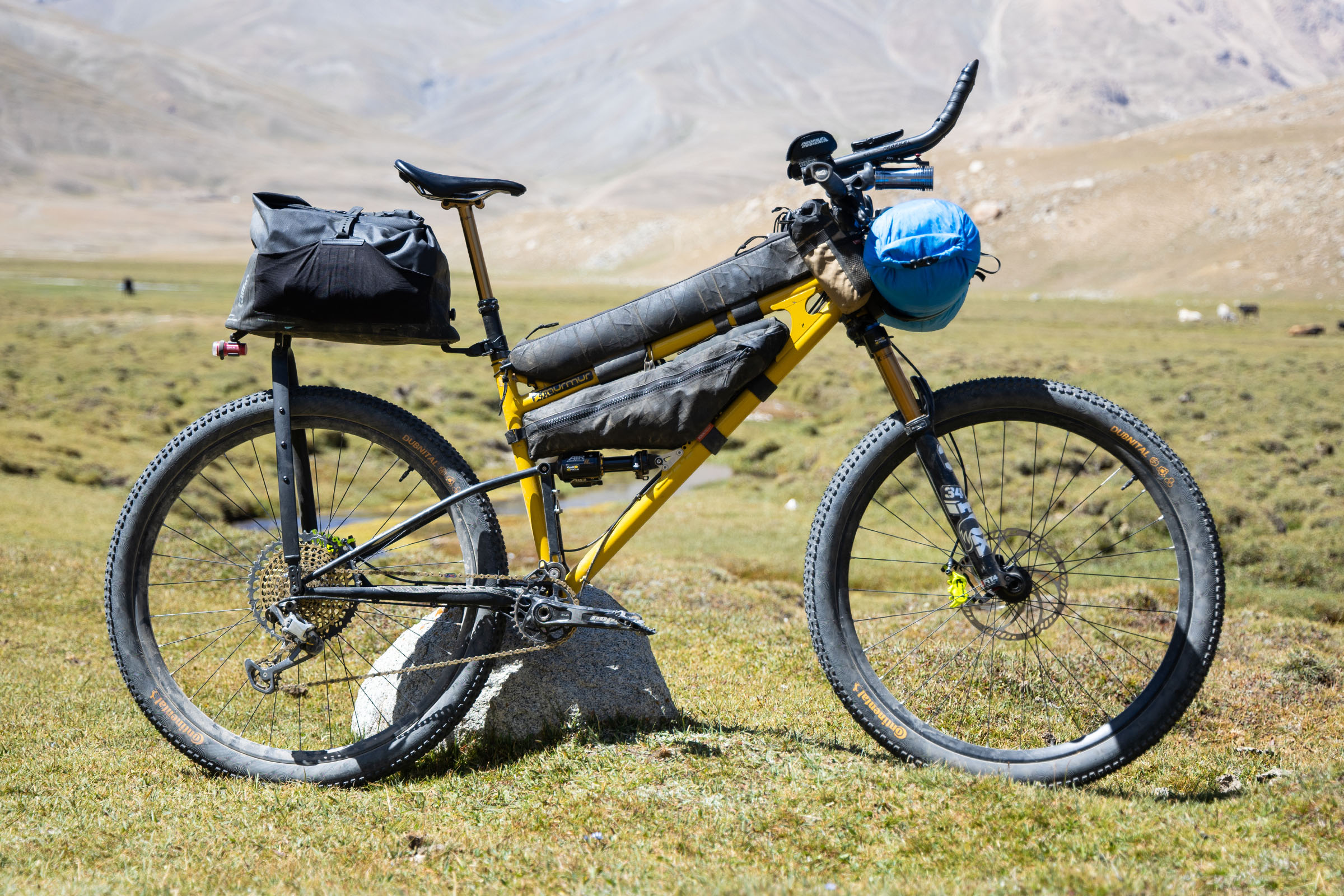
Panniers hang on the sides, while frame bags fit inside the bike frame. Each has pros and cons for balance and space.
- Panniers:Offer large capacity but can affect side balance.
- Frame Bags:Keep weight centered and low, improving stability.
- Use both types to spread weight evenly on longer trips.
- Choose waterproof bags to protect gear from rain.
Credit: bikepacking.com
Optimizing Storage Solutions
Carrying camping gear on a bikepacking bike needs smart storage ideas. You want to pack light but keep your gear easy to reach.
Choosing the right bags and packing them well helps you ride comfortably and stay organized.
Handlebar Bags And Dry Bags
Handlebar bags fit at the front of your bike, giving quick access to items like maps and snacks. Dry bags keep your gear safe from rain and mud.
- Use dry bags to protect sleeping bags and clothes.
- Choose handlebar bags with multiple compartments for small items.
- Secure bags tightly to avoid swaying while riding.
Seat Packs And Saddle Bags
Seat packs attach under the saddle and hold bulky gear. Saddle bags are smaller and fit behind the seat.
| Bag Type | Best For | Capacity |
| Seat Pack | Clothing, shelter | 10-20 liters |
| Saddle Bag | Tools, spare parts | 2-5 liters |
Top Tube Bags For Essentials
Top tube bags sit on the frame and hold things you need fast. Items like phones, wallets, or energy bars fit here.
- Keep small gear easy to reach without stopping.
- Choose water-resistant bags for extra protection.
- Use clear window bags for maps or devices.
Safety And Maintenance On The Road
Carrying camping gear on a bikepacking bike needs care for safety and smooth rides. Proper maintenance helps avoid breakdowns.
Check your gear and bike often. Keep your load balanced and carry tools to fix problems on the road.
Regular Gear Checks
Look over your gear before every ride. Make sure bags and straps are tight and secure. Loose items can cause accidents.
Check tire pressure and brakes too. Well-maintained parts keep you safe and make your ride easier.
- Inspect straps and clips for wear
- Test brakes and gears before starting
- Check tires for cuts and proper air pressure
Avoiding Overloading
Do not carry too much weight on your bike. Overloading makes handling hard and can break parts. Carry only what you need.
Balance your load evenly on both sides. Keep heavy items low and close to the frame for better control.
- Use bikepacking bags designed for your bike
- Distribute weight to avoid leaning
- Limit total gear weight to bike’s recommended limit
Repair Kits And Tools
Bring a small repair kit with you. It helps fix common problems like flat tires or loose bolts. Carry tools that fit your bike.
Know how to use your tools before your trip. Quick repairs save time and keep you safe on the road.
- Pump or CO2 inflator for tires
- Spare inner tubes and patches
- Multi-tool with screwdrivers and wrenches
- Chain lubricant and tire levers

Credit: www.reddit.com
Packing For Different Trip Lengths
Carrying camping gear on a bikepacking bike needs good planning. The length of your trip changes what you need to bring.
Knowing how to pack for short or long trips helps keep your bike balanced and your ride comfortable.
Short Weekend Trips
For short trips, pack only the essentials. You want light gear that fits easily on your bike.
Focus on a small tent, sleeping bag, and food for two days. Use frame bags and handlebar rolls for space.
- Compact tent or bivy sack
- Lightweight sleeping bag
- Simple cooking gear
- Food and water for two days
- Clothing for changing weather
Extended Multi-day Tours
Longer trips require more gear. Carry extra clothes, bigger food supplies, and repair tools.
Distribute weight evenly using frame bags, seat packs, and handlebar bags. Keep heavy items low.
- Larger tent or tarp
- Warm sleeping bag and pad
- Extra food for several days
- Clothing layers for all weather
- Bike repair kit and tools
- Hydration system with extra water
Ultralight Minimalist Packing
Ultralight packing means carrying the least possible gear. Choose multi-use items to save space.
Focus on weight more than volume. Use small bags and pack tightly to keep your bike fast and nimble.
- Minimal shelter like a tarp or bivy
- Lightweight sleeping bag or quilt
- Essential cooking gear only
- Small food rations
- Compact clothing layers
- Basic repair tools

Credit: bikepacking.com
Frequently Asked Questions
What Is The Best Way To Pack Gear On A Bikepacking Bike?
The best way is to use multiple small bags like frame, handlebar, and seat packs. Distribute weight evenly for balance and stability. Secure all gear tightly to avoid shifting during the ride. Choose waterproof bags to protect your gear from weather.
How To Balance Weight On A Bikepacking Bike?
Balance weight by placing heavier items low and close to the bike’s center. Use frame bags for heavy gear and handlebar or seat bags for lighter items. This improves bike handling and control on rough terrain, enhancing safety and comfort.
Can I Carry Camping Gear Without A Bike Rack?
Yes, bikepacking bikes often use frame, handlebar, and seat packs instead of racks. These bags attach directly to the bike frame, reducing weight and improving maneuverability. This setup is ideal for off-road and long-distance rides.
What Essential Camping Gear Fits On A Bikepacking Bike?
Essential gear includes a lightweight tent, sleeping bag, cooking kit, and food supplies. Use compact and multi-functional items to save space. Prioritize gear based on trip length and weather conditions to avoid overpacking.
Conclusion
Carrying camping gear on a bikepacking bike takes smart planning. Choose lightweight and compact items to save space. Use bags designed for bikepacking to keep gear secure. Balance weight evenly for a smooth ride. Test your setup before long trips to avoid surprises.
With the right gear and packing tips, bikepacking becomes more fun and comfortable. Enjoy the freedom of exploring nature on two wheels. Keep learning and adjusting your gear for better trips ahead.



