
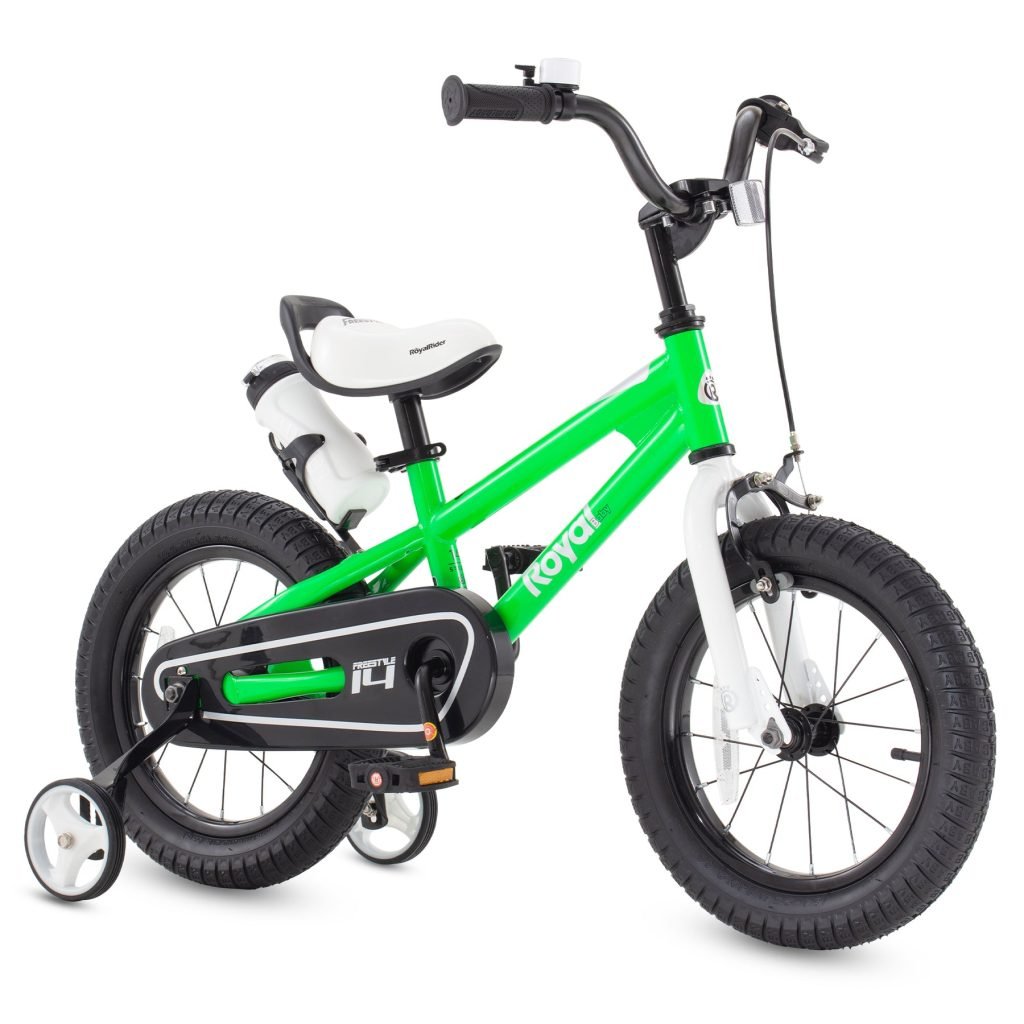
Choosing the right bike size can make all the difference in your riding experience. When it comes to deciding between a 12 inch and a 14 inch bike, you might feel stuck wondering which one fits you best.
The right choice affects your comfort, control, and safety every time you hit the road or trail. You’ll discover simple tips and key factors that help you pick the perfect size for your needs. Keep reading to find out how to make your bike feel like it was made just for you.
Size And Fit
Choosing the right bike size is important for your child’s safety and comfort. A bike that fits well helps your child learn to ride faster and enjoy the experience.
We will look at three key points to find the best fit: your child’s height, leg length, and reach to the handlebars.
Measuring Your Child’s Height
Start by measuring your child’s height without shoes. Use a tape measure or ruler against a wall. Record the height in inches or centimeters.
- Have your child stand straight with their back against the wall.
- Place a flat object on their head, making a right angle with the wall.
- Mark the spot on the wall and measure the distance from the floor.
Considering Leg Length
Leg length affects how well your child can pedal and stop. Measure the inseam for the best fit.
| How to Measure Inseam | Why It Matters |
| Have your child stand with feet 6 inches apart. | Ensures the seat height matches leg length for safe pedaling. |
| Measure from crotch to the floor. | Helps prevent overextension or discomfort while riding. |
| Use this number to check bike seat height range. | Better control and easier stopping. |
Assessing Reach And Comfort
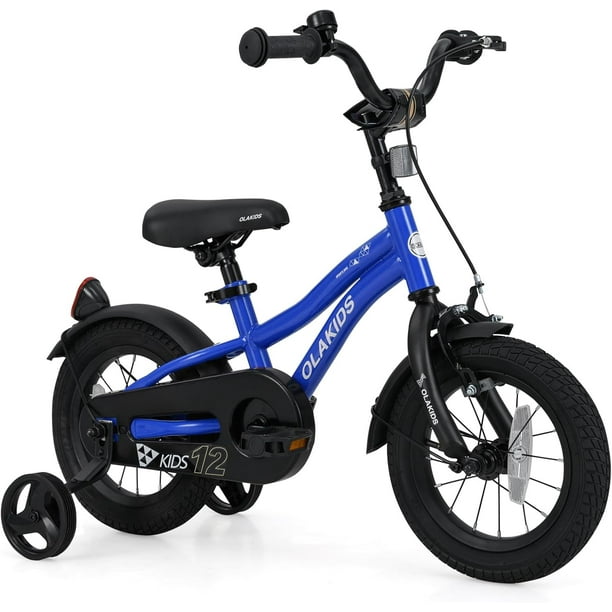
Reach is how far your child must stretch to hold the handlebars. Comfort depends on a good fit here.
Check the following points for proper reach:
- Your child’s elbows should be slightly bent when holding the handlebars.
- They should not have to stretch or hunch over.
- Hands should easily reach brakes and grips without strain.
- The handlebars should feel natural and balanced.
Credit: www.walmart.ca
Age And Skill Level
Choosing the right bike size depends a lot on your child’s age and skill level. Bikes that fit well help kids feel confident and safe.
Below, we explain which bike size suits different ages and skills. This guide helps you make a good choice between 12 inch and 14 inch bikes.
Recommended Ages For 12 Inch Bikes
12 inch bikes are ideal for toddlers and young children. They are smaller and easier to handle.
- Best for ages 2 to 4 years old
- Great for first-time riders
- Helps build balance and coordination
Recommended Ages For 14 Inch Bikes
14 inch bikes suit kids who are a bit taller or older. They offer more speed and control.
| Age Range | Height Range (inches) |
| 3 to 5 years | 36 – 42 |
| 4 to 6 years | 39 – 44 |
Matching Skill Level With Bike Size
Skill level matters when choosing between 12 inch and 14 inch bikes. A good match helps kids learn faster and enjoy riding.
- Beginners should start with 12 inch bikes
- Kids with some riding experience can move to 14 inch bikes
- More skilled riders need a bike that fits their height and comfort
Type Of Riding
Choosing between a 12 inch and 14 inch bike depends on the kind of riding your child will do. Different bikes suit different activities. This guide helps you pick the right size based on riding style.
Consider where and how often your child will ride. The bike should be comfortable and safe for their specific needs.
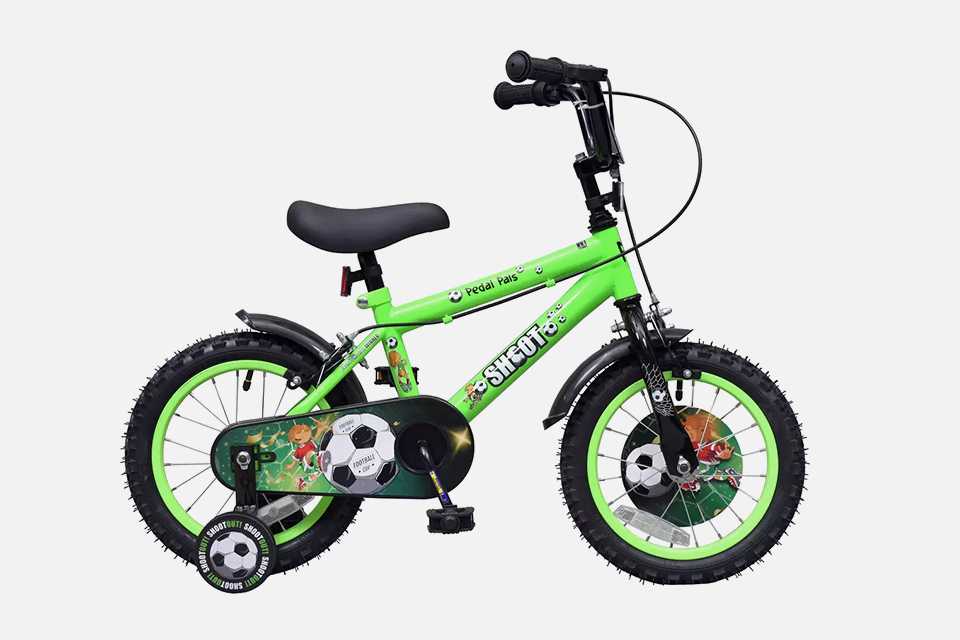
Casual Riding And Neighborhood Use
For casual riding around the neighborhood, a 12 inch bike is often easier for younger kids to handle. It suits smooth pavements and short distances well.
A 14 inch bike works if your child is a bit taller or more confident. It gives more leg room and can grow with your child for longer rides.
- 12 inch bikes fit kids aged 2 to 4 years old.
- 14 inch bikes suit kids aged 4 to 6 years old.
- Choose based on your child’s height and comfort.
Trail And Off-road Considerations
Trail and off-road riding needs a bike that handles rough paths. A 14 inch bike usually offers better stability and bigger tires for these conditions.
Smaller 12 inch bikes may struggle on uneven ground. They work best on flat, smooth surfaces. For trail riding, think about the bike’s durability and tire grip.
- 14 inch bikes have stronger frames for rough use.
- Wider tires on 14 inch bikes improve grip on trails.
- Consider brakes and suspension for off-road safety.
Balance Bikes Vs Pedal Bikes
Balance bikes help young kids learn balance without pedals. They usually come in smaller sizes like 12 inch. These bikes build confidence before pedaling.
Pedal bikes start at 12 inch and go up to 14 inch for growing kids. Pedal bikes teach pedaling skills and offer more control for older children.
- Use a 12 inch balance bike for toddlers starting out.
- Move to a 12 or 14 inch pedal bike for learning to pedal.
- Match the bike type to your child’s skill and age.
Credit: www.argos.co.uk
Weight And Portability
Choosing between a 12 inch and 14 inch bike depends a lot on weight and portability. These factors affect how easy it is to carry and move the bike.
Lightweight bikes are better for carrying around. Portability helps if you need to store or travel with your bike.
Comparing Bike Weights
12 inch bikes usually weigh less than 14 inch bikes. The smaller frame and wheels make a big difference.
A 12 inch bike can weigh around 15 to 20 pounds. A 14 inch bike can weigh 20 to 25 pounds or more.
- 12 inch bike: lighter and easier to lift
- 14 inch bike: heavier but more stable
Ease Of Handling And Transport
Smaller and lighter bikes are simpler to handle. Kids or adults can carry 12 inch bikes more easily.
14 inch bikes may be harder to carry but offer better balance for riding. This size can be tougher to move around in tight spaces.
- 12 inch bike: easy to pick up and carry
- 14 inch bike: more stable but heavier to move
Storage Considerations
Smaller bikes take up less room. A 12 inch bike fits easily in small spaces like closets or car trunks.
14 inch bikes need more storage space. They may not fit well in tight areas or small vehicles.
- 12 inch bike: fits in compact storage spots
- 14 inch bike: requires larger storage space
Growth And Longevity
Choosing the right bike size helps your child ride safely and comfortably. It also affects how long the bike will fit as they grow.
Deciding between a 12 inch and 14 inch bike depends on your child’s growth and riding skills. The right size gives room to grow without causing problems.
Allowing Room For Growth
A bike that is too small will be outgrown quickly. A bike that is slightly bigger can last longer as your child grows.
Look for a bike that fits well now but has some extra space. This helps your child stay comfortable and safe while riding.
- A 12 inch bike fits toddlers around 2 to 4 years old.
- A 14 inch bike fits kids from about 3 to 5 years old.
- Choose a size your child can handle but will not outgrow soon.
When To Upgrade To A Larger Size
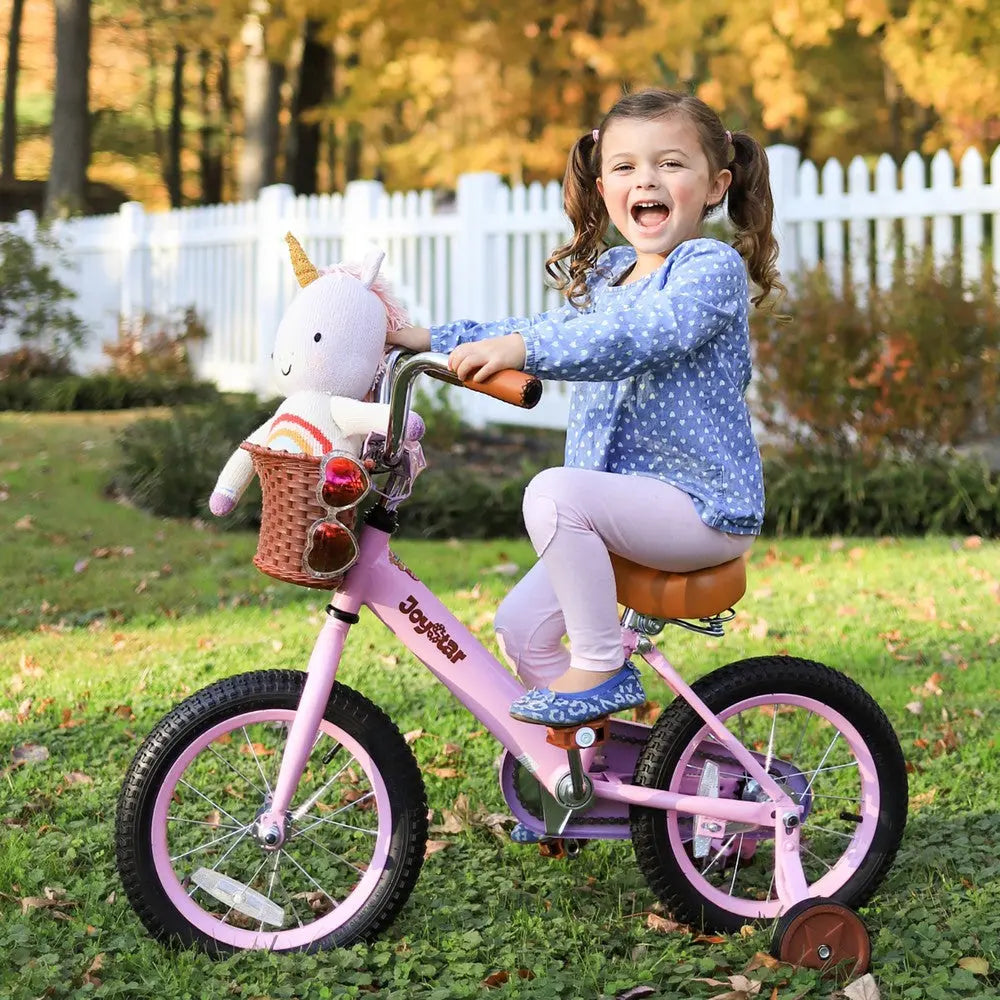
It is time to upgrade when your child struggles to pedal or reach the ground. Riding comfort and control are signs to change size.
Also check if your child’s knees touch the handlebars or if their feet can’t reach the pedals. These signs show the bike is too small now.
- Child cannot sit with feet flat on the ground.
- Child’s knees hit the handlebars while riding.
- Child feels unstable or uncomfortable on the bike.
- Child wants to ride faster or longer distances.
Credit: joystarbikes.com
Safety Features
Choosing the right bike size is important for safety. Both 12 inch and 14 inch bikes have features that protect riders. Understanding these features helps make a smart choice.
Safety depends on many parts of the bike. This guide looks at braking systems, stability and balance, and extra safety gear.
Braking Systems
Good brakes stop the bike quickly and safely. Smaller bikes often have simpler brakes. Larger bikes may have better brakes for faster stops.
Check if the bike has hand brakes or coaster brakes. Hand brakes give more control but need stronger hands. Coaster brakes stop when you pedal backward, which is easier for young riders.
- 12 inch bikes usually have coaster brakes
- 14 inch bikes may have hand brakes or coaster brakes
- Test brakes before buying to ensure easy use
Stability And Balance
Balance is key to staying safe while riding. Smaller bikes can be easier to balance for very young children. Larger bikes help as children grow and gain strength.
Look for wide tires and a low center of gravity. These features improve stability. Some bikes have training wheels that help beginners keep balance.
- 12 inch bikes often have training wheels for extra support
- 14 inch bikes may offer better balance for older kids
- Wide tires improve grip and reduce slipping
Additional Safety Gear
Extra gear helps protect the rider beyond the bike itself. Helmets, knee pads, and elbow pads reduce injury risks. Make sure the gear fits well for comfort and protection.
Reflectors and lights increase visibility. These help others see the rider, especially in low light. Choose bikes that allow easy attachment of safety gear.
- Always use a properly fitting helmet
- Wear knee and elbow pads for falls
- Use lights or reflectors for visibility
- Check if the bike frame allows gear mounting
Budget And Value
Choosing between a 12 inch and 14 inch bike depends on your budget and value needs. Both sizes serve different purposes and price points.
Understanding the cost differences and future value helps you make a smart choice. Focus on price, investment, and durability.
Price Differences
12 inch bikes usually cost less than 14 inch bikes. They have smaller parts and use less material, lowering the price.
14 inch bikes tend to be pricier because they offer more features and support bigger riders. The price reflects the added size and strength.
- 12 inch bikes fit younger children and smaller budgets
- 14 inch bikes fit older kids or those needing more comfort
- Price difference can be 10% to 30%, depending on brand
Long-term Investment
Think about how long the bike will last. A 14 inch bike often grows with the child, giving more use over time.
12 inch bikes may need replacement sooner as kids outgrow them quickly. This can mean extra costs later.
- 14 inch bikes offer longer use for bigger kids
- 12 inch bikes are best for short-term needs
- Investing in a larger bike can save money over time
Resale And Durability
14 inch bikes usually hold value better because they last longer and fit more kids. Buyers look for durable bikes.
12 inch bikes may wear out faster. Their resale price is often lower due to limited use and smaller size.
- 14 inch bikes are built stronger for longer life
- 12 inch bikes can be less durable and sell for less
- Durability affects how much money you get back later
Frequently Asked Questions
What Factors Determine Choosing Between 12 Inch And 14 Inch Bikes?
The key factors include rider age, height, and skill level. A 12 inch bike suits younger, smaller riders. A 14 inch bike fits slightly older or taller kids. Always consider comfort and safety when choosing bike size.
Is 14 Inch Bike Better For Older Children?
Yes, a 14 inch bike generally suits older children aged 4 to 6. It offers better stability and control for growing kids. It helps improve riding confidence and supports longer usage compared to 12 inch bikes.
How Does Bike Size Affect A Child’s Riding Experience?
Bike size impacts comfort, control, and safety. Proper size ensures easier handling and balance. A too-small or too-large bike can cause discomfort and reduce riding enjoyment. Correct size boosts confidence and skill development.
Can A 12 Inch Bike Be Used For Learning To Ride?
Absolutely, 12 inch bikes are ideal for beginners aged 2 to 4. They are lightweight and easy to maneuver. These bikes help children gain basic balance and coordination skills before moving to larger sizes.
Conclusion
Choosing between a 12 inch and 14 inch bike depends on your child’s size and skill. Measure their height and leg length before deciding. A smaller bike suits beginners and younger kids. A slightly bigger bike fits growing children and those with more balance.
Comfort and control matter most for safe riding. Test rides help find the best fit and feel. Remember, the right size encourages fun and confidence on the road. Take your time and pick the bike that matches your child’s needs perfectly.



