
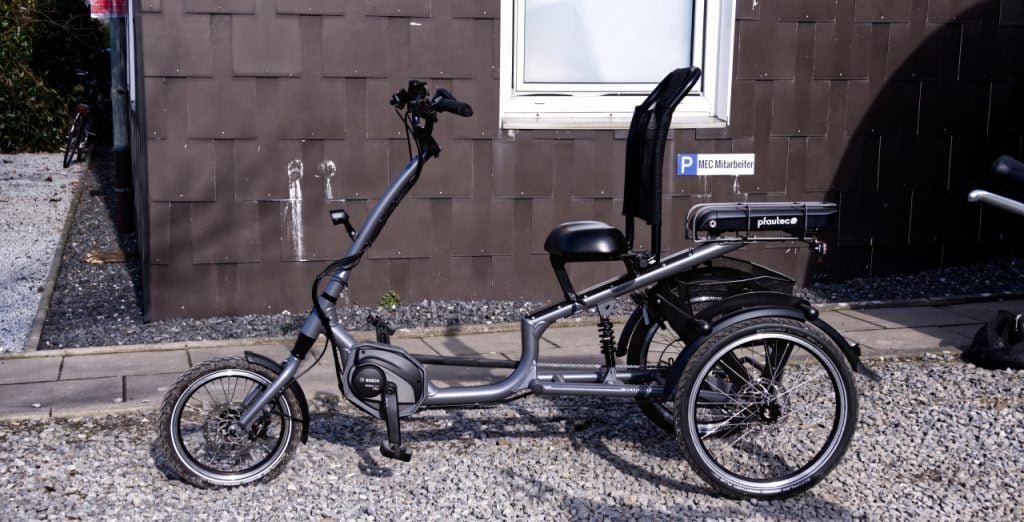
Are you tired of the daily commute feeling like a chore? Imagine a ride that’s comfortable, stable, and turns heads as you glide by.
Adaptive trikes might just be the game-changer you’ve been searching for. But are they really suitable for your everyday commute? You’ll discover how adaptive trikes can transform your travel experience, offering a unique blend of ease, safety, and style. Keep reading to find out if this could be the perfect fit for your daily journey.
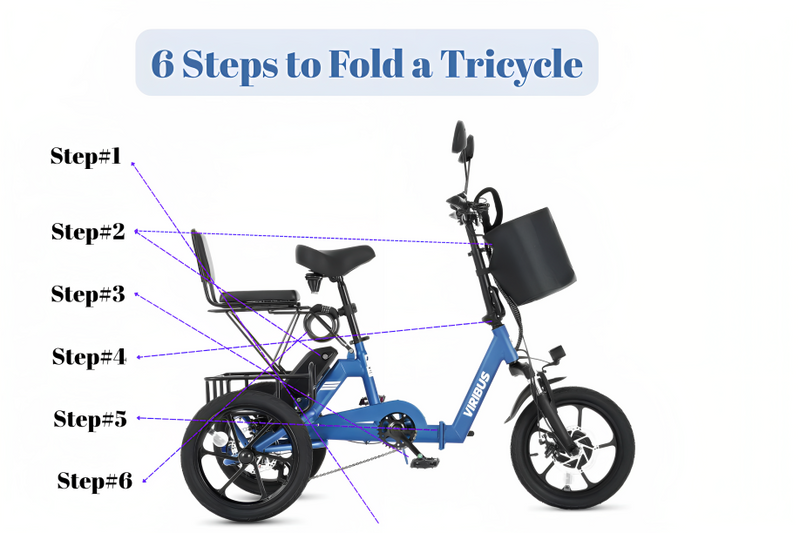
Credit: viribusbikes.com
Adaptive Trikes Overview
Adaptive trikes are three-wheeled cycles designed for people with different physical needs. They offer stability and comfort for riders who find regular bikes hard to use.
These trikes help users enjoy cycling and can be a good option for daily commuting. They come in various styles to suit different abilities and preferences.
Types Of Adaptive Trikes
Adaptive trikes come in several types. Each type meets different needs and riding styles. Choosing the right type depends on the rider’s ability and purpose.
- Recumbent Trikes:The rider sits in a reclined position. This type offers good back support and comfort.
- Upright Trikes:These look like traditional bikes but have three wheels for balance.
- Handcycles:They use hand pedals instead of foot pedals. Good for riders with limited leg use.
- Electric Adaptive Trikes:These include a motor to assist pedaling. Useful for longer commutes or hilly areas.
Key Features
Adaptive trikes have special features that make riding easier and safer. These features focus on support, control, and comfort.
| Feature | Description |
| Stability | Three wheels provide balance and prevent tipping. |
| Adjustable Seats | Seats can be moved for better posture and comfort. |
| Easy Controls | Handles and brakes are designed for easy reach and use. |
| Durability | Frames and parts are strong to support different weights. |
| Transport Options | Some models fold or disassemble for easy transport. |
Benefits For Commuters
Adaptive trikes offer a unique way to travel to work or school. They provide many benefits for daily commuters.
These vehicles combine the ease of cycling with extra support. They help people enjoy safe and comfortable rides every day.
Enhanced Stability
Adaptive trikes have three wheels, which make them very stable. This design lowers the risk of falling while riding.
Stability is important for commuting, especially on busy streets or uneven paths. Riders can feel more secure and confident.
- Three wheels prevent tipping over
- Stable ride on rough or slippery surfaces
- Better balance for all skill levels
Comfort And Ergonomics
Adaptive trikes offer a comfortable seating position. Riders sit low and supported, which reduces strain on the back and neck.
Ergonomic design helps reduce fatigue during long commutes. Many models come with adjustable seats and handlebars for a perfect fit.
- Supportive seats reduce pressure points
- Easy to adjust for different body sizes
- Less effort needed to pedal for longer rides
Accessibility Advantages
Adaptive trikes are easier to use for people with mobility challenges. They offer better access than traditional bicycles.
These trikes make commuting possible for more people. They help riders get around independently and safely.
- Low step-through frames for easy mounting
- Stable design supports riders with balance issues
- Options for hand pedaling or electric assist
Performance On Urban Routes
Adaptive trikes offer a different way to commute in cities. They provide stability and comfort for riders.
Understanding their performance on urban routes helps riders decide if they suit daily travel needs.
Maneuverability In Traffic
Adaptive trikes handle well in city traffic. Their three wheels make balancing easier than bikes.
They can turn sharply and fit into tight spaces, which is useful in busy streets.
- Stable during stop-and-go traffic
- Easy to control at low speeds
- Good visibility due to low seating position
Handling Different Terrains
Urban routes often include smooth roads and rough patches. Adaptive trikes can manage both well.
They provide a comfortable ride over bumps and uneven surfaces thanks to their design.
- Wide tires improve grip on slippery or rough surfaces
- Suspension options reduce impact from potholes
- Low center of gravity adds to stability on uneven ground

Credit: ferlafamilybikes.com
Safety Aspects
Adaptive trikes are designed to provide a safe riding experience. Safety is key when using them for commuting.
This section looks at important safety features of adaptive trikes. These include visibility, balance, braking, and control.
Visibility And Balance
Visibility helps riders stay seen by other road users. Adaptive trikes often sit lower than bikes, so extra visibility tools help.
Balance is easier with three wheels. Adaptive trikes offer more stability than two-wheeled bikes, reducing fall risks.
- Use bright colors or reflective materials on the trike
- Add lights or flags to increase visibility
- Three wheels keep the trike steady on uneven roads
- Low center of gravity improves rider balance
Braking And Control
Good brakes let riders stop safely and quickly. Adaptive trikes often have hand brakes on front or rear wheels.
Control is important for safe turning and riding on traffic roads. Adaptive trikes provide strong steering and easy handling.
- Use brakes that respond well without delay
- Check brakes regularly for wear or damage
- Practice steering to get smooth, safe turns
- Control helps avoid accidents in busy areas
Maintenance And Durability
Adaptive trikes can be a good choice for commuting. Their maintenance and durability affect how well they work over time.
Knowing what to check and care for helps keep your trike safe and reliable on your daily trips.
Common Maintenance Needs
Adaptive trikes need regular checks to stay in good shape. Tires, brakes, and chains often need attention.
Cleaning parts and tightening bolts help prevent breakdowns. Regular oiling keeps the chain smooth.
- Check tire pressure and look for wear
- Test brake function and adjust if needed
- Clean and oil the chain regularly
- Tighten loose nuts and bolts
- Inspect gears and shift smoothly
Longevity Factors
The lifespan of adaptive trikes depends on materials and care. Strong frames last longer with less wear.
Riding on smooth roads and storing the trike indoors also help it last many years.
- Choose trikes made with durable metal frames
- Avoid rough terrain to reduce damage
- Store trikes in dry, sheltered places
- Perform regular maintenance checks
- Replace worn parts promptly
Cost And Accessibility
Adaptive trikes offer a practical choice for many commuters. Understanding their cost and accessibility is important before deciding.
This section covers the price range and how easy it is to find and customize these trikes.
Price Range
Adaptive trikes vary widely in price. Basic models cost less than advanced ones with special features.
- Entry-level trikes start around $500.
- Mid-range models range from $1,000 to $2,500.
- High-end trikes with custom parts can exceed $4,000.
Availability And Customization
Finding the right adaptive trike depends on your location and needs. Many shops offer customization to fit individual requirements.
| Feature | Availability | Customization Options |
| Standard models | Widely available | Limited customization |
| Specialized trikes | Available in select stores | High customization |
| Online purchase | Global reach | Custom parts on request |
User Experiences
Many people use adaptive trikes for their daily commute. Their stories help us understand if these trikes fit well with everyday travel.
We look at real user feedback and examples to see the benefits and challenges of adaptive trikes on the road.
Commuter Testimonials
Users report that adaptive trikes offer great stability and comfort. Many feel safer compared to two-wheel bikes.
- Easy to balance, even in traffic
- Good for longer rides without tiring quickly
- Can carry extra bags or groceries
- Some find it harder to store due to size
- Less visible in busy areas but easier to control
Real-life Scenarios
Below is a comparison of different users’ commute types and how adaptive trikes fit their needs.
| Commuter Type | Distance | Experience with Adaptive Trike |
| Office Worker | 5 miles | Comfortable ride, good for carrying laptop bag |
| Student | 3 miles | Easy to park and stable on busy roads |
| Delivery Driver | 10 miles | Can carry parcels, but slower on hills |
| Senior Rider | 2 miles | Feels very safe and steady |
Comparing With Other Commuting Options
Adaptive trikes offer a unique way to commute. They provide stability and comfort for riders with different needs.
It is useful to compare adaptive trikes with bikes and public transport. This helps to see which option fits best.
Bikes Vs Adaptive Trikes
Bikes are fast and easy to park. They need good balance and can be hard for some riders.
Adaptive trikes are more stable. They have three wheels and do not fall over easily. This helps people with balance issues.
- Bikes are lighter and faster on smooth roads
- Adaptive trikes provide more comfort and support
- Trikes are easier to stop and start without falling
- Bikes require more skill for safe riding
Public Transport Alternatives
Public transport includes buses, trains, and subways. It is useful for long distances and crowded cities.
Adaptive trikes offer more independence. They let riders control their travel time and route freely.
- Public transport has fixed schedules and stops
- Adaptive trikes allow flexible travel hours
- Public transport may be crowded and less accessible
- Trikes can reach places public transport does not serve
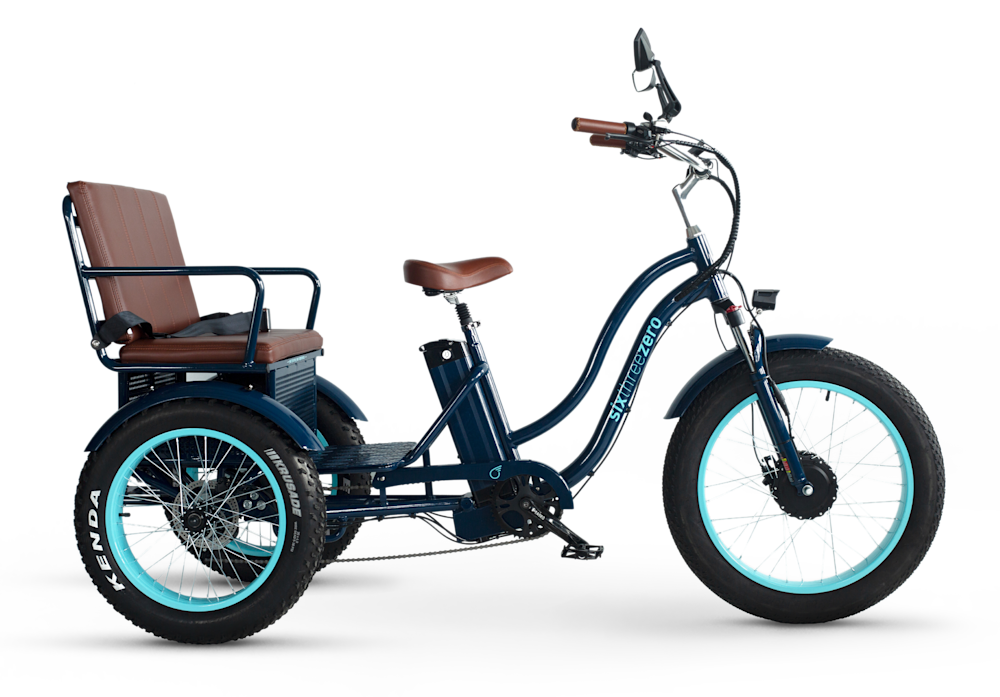
Credit: www.sixthreezero.com
Frequently Asked Questions
What Makes Adaptive Trikes Good For Commuting?
Adaptive trikes offer stability, comfort, and ease of use, ideal for daily travel. Their three-wheel design improves balance and safety on urban roads. They also support various physical abilities, making commuting accessible to more people.
Can Adaptive Trikes Handle Long-distance Commutes?
Yes, adaptive trikes can cover long distances efficiently. They provide ergonomic seating and smooth rides, reducing fatigue. Many models feature multiple gears for varied terrains, ensuring a comfortable commute regardless of distance.
Are Adaptive Trikes Easy To Store And Park?
Adaptive trikes are generally larger than bicycles but can fit in many storage spaces. Folding or compact models exist, making parking easier. Their stable design also allows for secure parking in urban areas.
How Do Adaptive Trikes Compare To Traditional Bikes For Commuting?
Adaptive trikes offer superior stability and comfort over traditional bikes. They suit riders with balance or mobility challenges. While slightly bulkier, they provide safer and more inclusive commuting options.
Conclusion
Adaptive trikes offer a stable and comfortable ride for daily travel. They handle well on city streets and bike paths. Riders enjoy better balance and less strain on joints. These trikes can carry bags or small loads easily. They suit people who want a safe, steady commute.
Choosing the right model depends on your needs and route. Overall, adaptive trikes can be a practical choice for many commuters. They bring ease and safety to everyday travel. Worth trying if you want a different way to move.



