
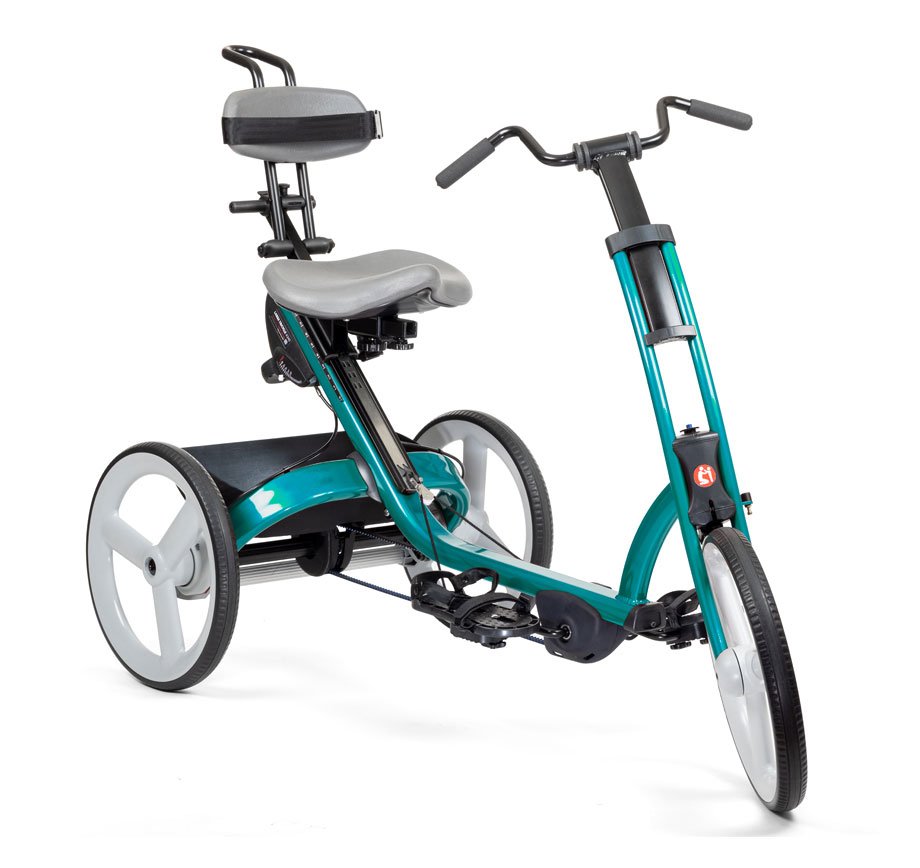
Have you ever wanted to enjoy the freedom and fun of biking but felt held back by physical challenges? An adaptive bike might be exactly what you need.
This special type of bike is designed to fit your unique needs, making riding easier and more comfortable. Whether you’re recovering from an injury, living with a disability, or simply looking for a new way to get around, understanding what an adaptive bike is can open up a whole new world for you.
Keep reading to discover how these bikes work and why they could change the way you move.
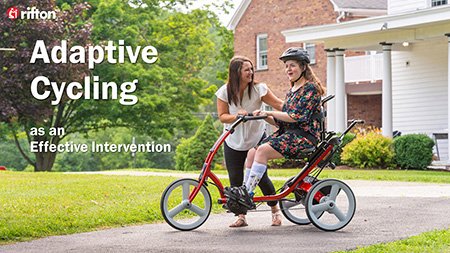
Credit: www.rifton.com
Adaptive Bike Basics
An adaptive bike is a special bicycle designed for people with different abilities. It helps riders who need extra support or adjustments.
These bikes make cycling easier and safer for many people who cannot use regular bikes.
Key Features
Adaptive bikes have unique parts to fit different needs. They often include extra supports and controls.
- Sturdy frames for stability and safety
- Special seats with extra support
- Hand or foot pedals depending on ability
- Adjustable handlebars and seats
- Additional wheels for balance
- Brakes designed for easy use
Types Of Adaptive Bikes
There are many types of adaptive bikes. Each type helps different users enjoy cycling.
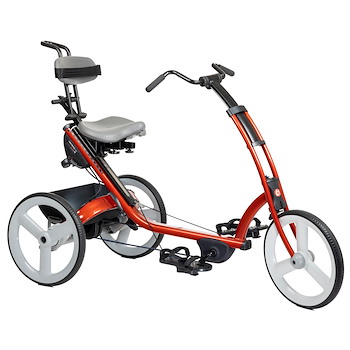
- Tricycles:Three wheels for extra balance
- Tandem bikes:Two riders, one helps steer or pedal
- Recumbent bikes:Reclined seating for comfort
- Handcycles:Pedaled by hand, not feet
- Balance bikes:No pedals, helps with balance training
Who Benefits Most
Adaptive bikes help people with physical or developmental challenges. They give more freedom and fun.
- Children with disabilities
- Adults with mobility issues
- People recovering from injury
- Individuals with balance problems
- Anyone needing extra bike support
Design And Technology
An adaptive bike is built to help people with different physical needs ride comfortably. It uses smart design and technology to adjust and support the rider.
These bikes focus on safety, comfort, and durability by using special parts and materials. They make biking easier and safer for everyone.
Adjustable Components
Adaptive bikes come with parts that change size and position. This helps fit riders of all shapes and sizes.
- Seat height and angle can be changed for comfort
- Handlebars adjust to different arm lengths
- Pedals can move to match leg reach
- Backrests provide extra support and adjust as needed
- Footrests adapt to different foot sizes and positions
Safety Enhancements
Safety is key in adaptive bike design. These bikes include features to protect riders and prevent accidents.
| Feature | Purpose |
|---|---|
| Reflective tape | Improves visibility in low light |
| Sturdy brakes | Allow quick and reliable stopping |
| Wheel guards | Prevent feet or clothing from getting caught |
| Non-slip pedals | Keep feet stable while riding |
| Seat belts or straps | Secure rider safely in place |
Materials And Build
Adaptive bikes use strong yet lightweight materials. This makes them easy to handle and long-lasting.
| Material | Benefit |
|---|---|
| Aluminum | Light and rust-resistant |
| Steel | Strong and durable |
| Carbon fiber | Very light and flexible |
| Foam padding | Comfortable seating and cushioning |
Mobility And Independence
An adaptive bike helps people with different needs to move freely. It supports balance and strength, making riding easier.
This special bike gives riders a chance to enjoy outdoor fun and feel more independent in daily life.
Enhancing Accessibility
Adaptive bikes come in many types. They fit different abilities and body sizes. This allows more people to ride safely and comfortably.
- Tricycles for better balance
- Handcycles for arm power
- Recumbent bikes for back support
- Tandem bikes for shared riding
Improving Confidence
Riding an adaptive bike builds self-trust. It helps riders feel strong and proud. They can try new routes without fear.
| Benefit | How It Helps |
| Balance Support | Reduces falls and wobbling |
| Custom Fit | Increases comfort and control |
| Easy Controls | Makes steering and braking simple |
| Safe Design | Protects rider during trips |
Expanding Outdoor Activities
Adaptive bikes open doors to parks, trails, and bike paths. Riders join family and friends on adventures outside.
Tips for enjoying outdoor rides:
- Choose smooth and flat trails
- Wear a helmet for safety
- Bring water and snacks
- Ride with a buddy or group
Choosing The Right Adaptive Bike
Adaptive bikes help people with special needs enjoy cycling. Choosing the right one makes riding safer and more fun.
Think about personal needs, bike features, and costs before buying. This guide helps you choose the best adaptive bike.
Assessing Needs
Start by understanding the rider’s abilities and challenges. Consider balance, strength, and mobility limits.
Look at where the bike will be used. Will it be for outdoors, indoors, or both? This affects the type of bike needed.
- Check rider’s physical and cognitive skills
- Consider safety needs and stability
- Think about terrain and riding environment
Customization Options
Adaptive bikes can be changed to fit the rider better. Look for adjustable seats, handlebars, and pedals.
Extra support like harnesses or special controls can improve comfort and control. Choose parts that match the rider’s needs.
- Adjustable seat height and angle
- Handlebars suited for grip and reach
- Pedals with straps or footrests
- Supportive cushions or harnesses
Budget Considerations
Adaptive bikes come in different price ranges. Set a budget before shopping to narrow choices.
Think about extra costs like maintenance and accessories. Sometimes spending more upfront saves money later.
- Compare prices of different bike models
- Include costs for custom parts and repairs
- Look for possible financial help or grants
Maintaining Adaptive Bikes
Adaptive bikes help many people enjoy riding safely. Keeping these bikes in good shape is important. Proper care makes riding smooth and safe.
This guide covers routine care tips, common repairs, and where to find service providers for adaptive bikes.
Routine Care Tips
Regular care keeps adaptive bikes working well. Simple checks and cleaning can prevent bigger problems.
- Check tire pressure before each ride.
- Clean the bike frame and parts regularly.
- Lubricate the chain and moving parts monthly.
- Inspect brakes and cables for wear.
- Tighten loose bolts and screws.
- Store the bike in a dry place to avoid rust.
Common Repairs
Some repairs happen often with adaptive bikes. Knowing what to fix helps riders stay safe and comfortable.
| Issue | Cause | Fix |
| Flat tire | Puncture or worn tire | Replace or patch the tube |
| Loose brakes | Worn pads or cable stretch | Adjust or replace parts |
| Chain slipping | Dirty or stretched chain | Clean and lubricate or replace chain |
| Seat discomfort | Improper fit or worn padding | Adjust or change the seat |
Finding Service Providers
Specialized help is useful for adaptive bikes. Look for experts who understand the unique needs of these bikes.
- Search for local bike shops with adaptive bike services.
- Ask community groups for trusted mechanics.
- Check online reviews for service quality.
- Contact manufacturers for recommended service centers.
Credit: www.spinlife.com
Stories Of Impact
An adaptive bike is a special type of bike made for people with different abilities. It helps users enjoy riding safely and comfortably.
Many stories show how adaptive bikes change lives. They bring freedom, joy, and new experiences to riders.
User Experiences
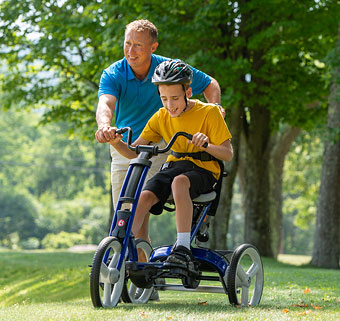
People who use adaptive bikes often share how their lives improve. They feel more confident and independent.
Riders talk about the fun of exploring outdoors. They say it helps their physical health and mental well-being.
- A young boy with limited leg movement learned to ride with a hand cycle.
- An adult with balance challenges enjoys group bike rides safely.
- A senior with arthritis found pain relief through regular cycling.
Community Programs
Community groups use adaptive bikes to include everyone in activities. They organize events for riders of all ages.
These programs teach safe riding skills and provide support. Volunteers help users try different adaptive bikes.
- Weekly rides for children with disabilities
- Adaptive bike lending libraries in local parks
- Workshops on bike maintenance for all participants
Advocacy And Awareness
Groups advocate for better access to adaptive bikes. They want public spaces to be more welcoming and safe.
Awareness campaigns show the benefits of adaptive bikes. They encourage businesses and governments to support riders.
- Campaigns for inclusive bike trails
- Public talks about mobility and independence
- Fundraising to provide adaptive bikes to those in need
Credit: www.rifton.com
Frequently Asked Questions
What Is An Adaptive Bike Used For?
An adaptive bike helps individuals with physical disabilities enjoy cycling. It offers customized support and stability. This bike promotes mobility and exercise. It adapts to various needs, enabling safe riding for all ages.
Who Benefits Most From Adaptive Bikes?
People with mobility challenges, disabilities, or balance issues benefit most. Adaptive bikes assist children and adults alike. They improve physical fitness and independence. These bikes are ideal for therapy and recreational use.
How Does An Adaptive Bike Differ From Regular Bikes?
Adaptive bikes feature unique designs like extra stability, support seats, and hand controls. They cater to specific physical needs. Unlike regular bikes, they provide enhanced balance and comfort. This ensures safer and easier riding experiences.
Can Adaptive Bikes Improve Physical Health?
Yes, adaptive bikes boost cardiovascular fitness and muscle strength. They encourage regular exercise tailored to individual abilities. Riding these bikes enhances coordination and balance. This promotes overall health and well-being.
Conclusion
Adaptive bikes help many people enjoy cycling safely and comfortably. They offer support and control for different needs. These bikes make outdoor activities more fun and accessible. Choosing the right adaptive bike can improve freedom and confidence. Everyone deserves to experience the joy of riding a bike.
Adaptive bikes open doors to new adventures and healthy living. Keep exploring options to find the best fit for you or your loved ones. Simple, helpful, and inclusive—adaptive bikes bring cycling to all.



