
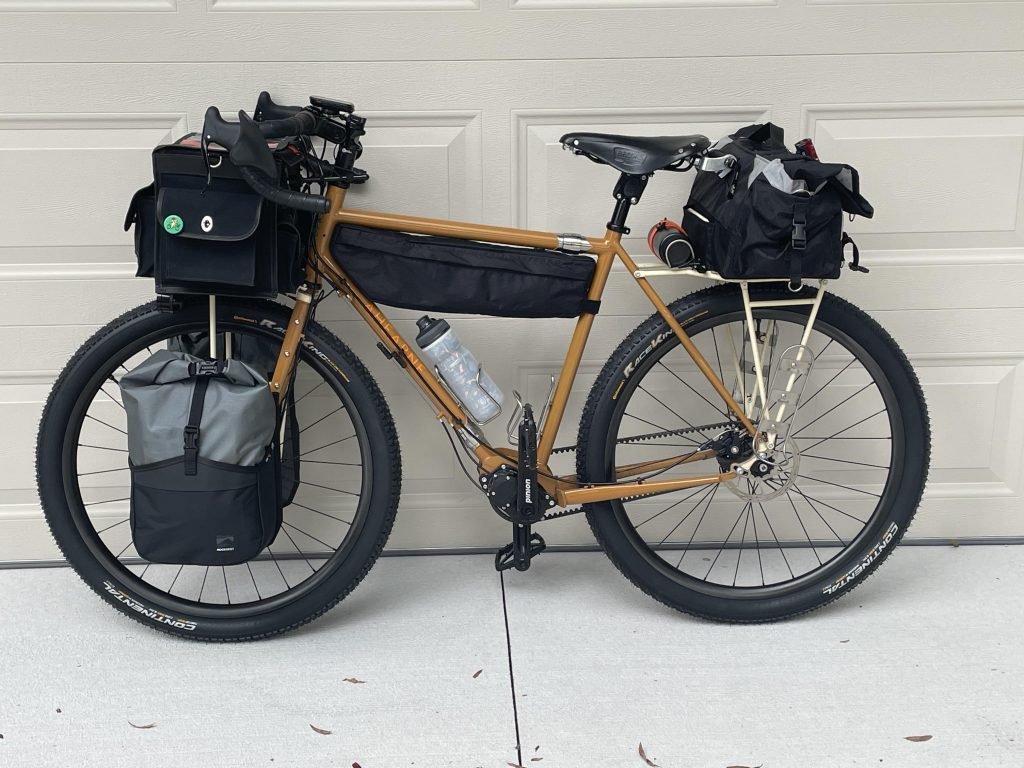
Packing your sleeping gear for a bikepacking trip can feel tricky. You want to stay comfortable and get a good night’s rest, but carrying too much weight can slow you down.
If you’ve ever wondered how to fit your sleeping bag, pad, and tent without overloading your bike, you’re in the right place. This guide will show you smart, simple ways to carry your sleeping gear so you can ride farther and sleep better.
Keep reading to discover easy tips that make your bikepacking trips lighter and more enjoyable.
Choosing The Right Sleeping Gear
Carrying the right sleeping gear makes bikepacking trips more comfortable. You need gear that fits well and is easy to carry on your bike.
Focus on lightweight and compact items. These save space and keep your bike balanced on the road.
Lightweight Sleeping Bags
Choose sleeping bags that are light but warm. Synthetic or down insulation works well for bikepacking.
Look for bags that compress small. This helps you fit them easily into your bike bags.
- Check temperature ratings for your trip
- Pick bags with a good weight-to-warmth ratio
- Use stuff sacks to compress the bag tightly
Compact Sleeping Pads
Sleeping pads add comfort and insulation from the ground. Choose pads that fold or roll into small sizes.
Inflatable pads are light and pack down small. Foam pads are durable but bulkier.
- Inflatable pads save space but need care
- Foam pads last longer and are cheaper
- Consider pad thickness for comfort
Versatile Tents And Shelters
Pick tents or shelters that are light and easy to set up. Look for models that pack small for your bike bags.
Options include single-wall tents, tarps, and bivy sacks. Choose what fits your weather and weight needs.
- Single-wall tents reduce weight but may sweat more
- Tarps are very light but need good site choice
- Bivy sacks protect you with minimal bulk
Credit: eaglesnestoutfittersinc.com
Packing Strategies For Bikepacking
Carrying sleeping gear while bikepacking needs smart packing. You want to save space and keep weight balanced. Good packing helps you ride comfortably and stay organized.
This guide covers key tips to carry your sleeping gear well. Learn how to balance weight, use dry bags, and organize for easy access.
Balancing Weight And Space
Keep your bike stable by placing heavy items low and close to the center. Sleeping bags and pads should go in spots that do not affect balance. Avoid putting all weight on one side.
- Pack heavier gear near the bike frame
- Distribute weight evenly on both sides
- Use frame bags for medium-weight items
- Place lighter items on the handlebars or seat post
Using Dry Bags And Compression Sacks
Dry bags keep your sleeping gear dry and protect it from rain. Compression sacks shrink your gear to save space. Use both to keep things tight and dry on your bike.
| Gear Type | Recommended Bag | Benefit |
| Sleeping Bag | Compression Sack | Saves space by reducing volume |
| Sleeping Pad | Dry Bag | Protects from water and dirt |
| Pillow or Clothes | Dry Bag | Keeps items dry and organized |
Organizing Gear For Easy Access
Pack your sleeping gear so you can reach it quickly at camp. Keep items you need first near the top or outside. Use separate bags to avoid digging through everything.
- Store sleeping bag and pad in a dry bag on the rear rack
- Keep a small bag with a pillow or clothes on top
- Use handlebar bag for quick access items
- Label bags or use different colors for easy sorting
Mounting Options For Sleeping Gear
Carrying sleeping gear on a bike requires smart packing. You want your gear safe and easy to reach.
There are several ways to mount sleeping bags and mats on your bike. Choose what fits your style and bike type.
Rear Rack And Panniers
A rear rack is a strong way to carry sleeping gear. You can attach panniers or tie your gear directly on top.
- Panniers keep gear dry and protected.
- Use waterproof covers for extra protection.
- Secure your sleeping bag tightly to avoid movement.
- Balance weight evenly to keep the bike stable.
Handlebar Rolls
Handlebar rolls are great for lightweight and bulky sleeping mats. They free space on the rear rack.
| Advantage | Consideration |
| Keeps gear accessible | May affect steering if too heavy |
| Saves rear rack space | Needs good straps to stay secure |
| Easy to remove | Not ideal for wet conditions unless waterproof |
Frame Bags And Seat Packs
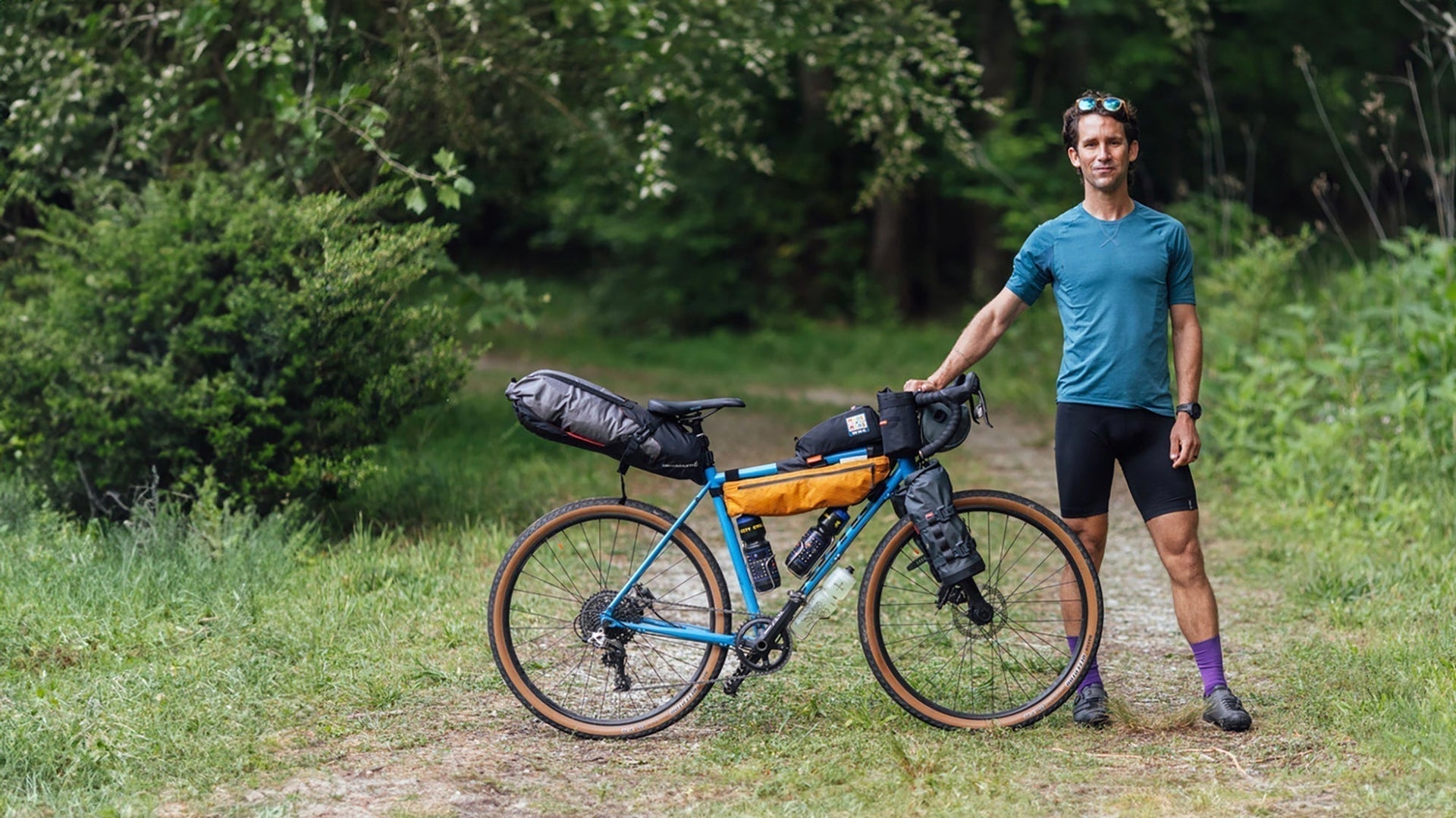
Frame bags and seat packs fit inside or under your bike frame. They keep sleeping gear compact and close to the bike.
- Frame bags fit in the bike triangle area.
- Seat packs hang under the saddle, good for sleeping bags.
- Both protect gear from rain if made with waterproof fabric.
- Easy to access while riding or stopping.
Securing Gear For Stability
Carrying sleeping gear while bikepacking needs careful packing. Properly secured gear keeps you safe and balanced.
Loose items can shift and cause noise or danger. Use good methods to keep gear tight and stable.
Straps And Bungee Cords
Straps and bungee cords hold your sleeping gear tightly to the bike. They stop gear from moving on rough trails.
Use strong straps with buckles for heavy items. Bungee cords work well for lighter or oddly shaped gear.
- Wrap straps around frame or racks
- Secure knots or buckles firmly
- Check tension often during rides
- Avoid over-tightening that can damage gear
Waterproof Covers
Waterproof covers protect sleeping gear from rain and mud. Wet gear can be heavy and uncomfortable.
Choose covers that fit snugly. This helps keep water out and gear compact.
- Use covers made of durable waterproof material
- Seal openings tightly with cords or straps
- Check covers for holes before packing
- Dry gear if it gets wet to avoid smell
Avoiding Movement And Noise
Moving gear can distract you and create noise. Noise can also scare wildlife on trails.
Fill gaps between items with soft materials. This stops gear from rubbing and sliding.
- Use foam or clothes to fill empty spaces
- Double-check all straps before starting
- Test stability by shaking the bike gently
- Adjust packing if you hear rattling sounds
Tips For Comfort And Safety
Carrying sleeping gear while bikepacking needs careful planning. Your comfort and safety depend on how you pack.
Properly packed gear keeps you dry, balanced, and ready for any weather. Use smart methods to save time and effort.
Protecting Gear From Weather
Always keep your sleeping bag and pad dry. Wet gear can make you cold and uncomfortable at night.
Use waterproof bags or dry sacks to protect your gear. Wrap your sleeping bag in a rain cover or plastic bag.
- Choose waterproof stuff sacks for your sleeping bag
- Store gear under a waterproof layer on your bike
- Check weather forecasts to prepare better
- Use a tarp or rainfly if camping in wet areas
Quick Setup Techniques
Set up your sleeping gear quickly to save energy and time. Practice packing and unpacking before your trip.
Keep your gear easy to reach on your bike. Use bags that open wide and pack in order of use.
- Pack your sleeping bag at the top or outside of your bags
- Use compression sacks to save space
- Keep your sleeping pad rolled and fastened for quick use
- Practice setting up your tent or shelter in low light
Maintaining Gear On The Road
Keep your sleeping gear clean and dry during your trip. Dirty or wet gear can damage materials and reduce comfort.
Air out your sleeping bag each morning. Fix small tears or damage quickly to avoid bigger problems.
- Shake out dirt and debris daily
- Dry your sleeping bag and pad when possible
- Use repair tape or patches for minor tears
- Store gear loosely to keep its shape

Credit: off.road.cc

Credit: www.reddit.com
Frequently Asked Questions
What Are The Best Bags For Carrying Sleeping Gear Bikepacking?
Frame bags and seat packs are ideal for sleeping gear. They balance weight and keep your gear dry. Choose waterproof, lightweight bags for durability and convenience.
How To Pack A Sleeping Bag Efficiently On A Bike?
Compress your sleeping bag with a stuff sack or compression sack. Attach it securely to your bike frame or seat post to save space and maintain balance.
Can I Carry Sleeping Pads While Bikepacking?
Yes, use straps or bungee cords to attach sleeping pads externally. Roll or fold them compactly to reduce bulk and keep your bike balanced.
Should I Prioritize Weight Or Comfort In Sleeping Gear Packing?
Balance weight and comfort. Lightweight gear reduces fatigue, while comfortable gear ensures restful sleep. Choose compact, insulated gear for efficient packing and warmth.
Conclusion
Carrying sleeping gear on a bikepacking trip needs smart planning. Choose lightweight, compact gear to save space. Use bike bags and straps to keep items secure. Balance the weight to ride comfortably and safely. Pack only what you really need to avoid extra load.
Remember, good rest helps enjoy your adventure more. Practice packing before your trip for smooth rides. This way, you stay ready for any night under the stars. Safe travels and happy bikepacking!



