
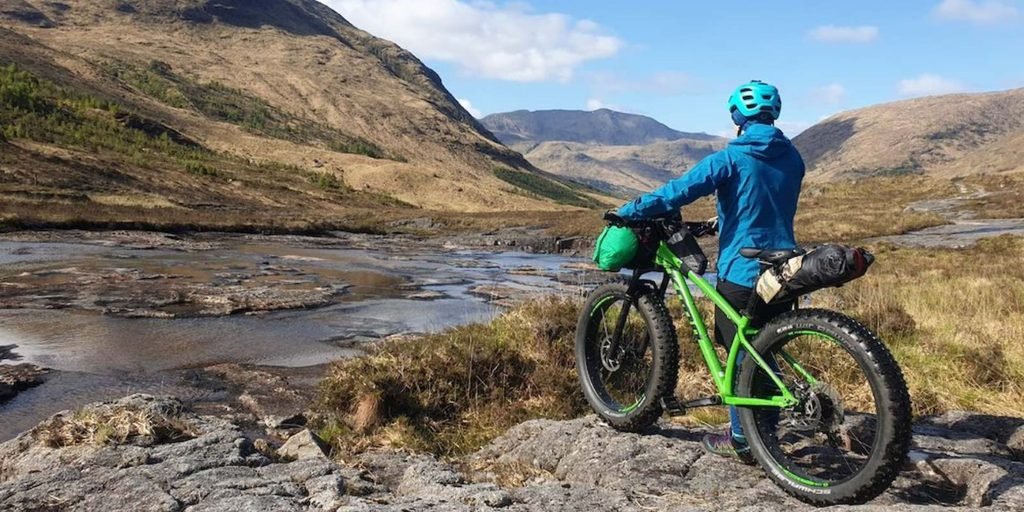
Riding on bikepacking trails is an adventure like no other, but it comes with its own set of challenges. If you want to enjoy every mile without risking injury or damage to your gear, you need to know how to ride safely.
This guide will help you master the skills and strategies that keep you in control and confident on every trail. Whether you’re new to bikepacking or looking to improve, the tips ahead will make your rides smoother and more enjoyable.
Ready to take your trail skills to the next level? Let’s dive in.
Gear Essentials
Riding safely on bikepacking trails needs the right gear. Good equipment helps you stay safe and enjoy your trip.
This guide covers the key gear essentials you need to prepare for your bikepacking adventure.
Choosing The Right Bike
Select a bike that fits the trail type and your riding style. It should be strong and comfortable.
Look for bikes with wide tires and good suspension to handle rough paths.
- Mountain bikes or gravel bikes work well on most trails
- Check tire size and tread for better grip
- Test the bike for comfort before long rides
Safety Equipment Must-haves
Wear safety gear to protect yourself from falls and accidents. It helps reduce injuries.
Always carry tools and lights for emergencies and low visibility.
- Helmet to protect your head
- Gloves for hand protection and grip
- Reflective clothing or gear for visibility
- Front and rear bike lights
- Basic repair kit with tire levers and pump
Packing Smart And Light
Pack only what you need to keep your bike light. Heavy loads make riding harder and less safe.
Organize gear to balance weight on your bike for better control.
- Choose compact and multi-use items
- Bring enough food and water without overpacking
- Use waterproof bags to protect your gear
- Distribute weight evenly on front and rear racks
- Limit extra clothes to essential layers
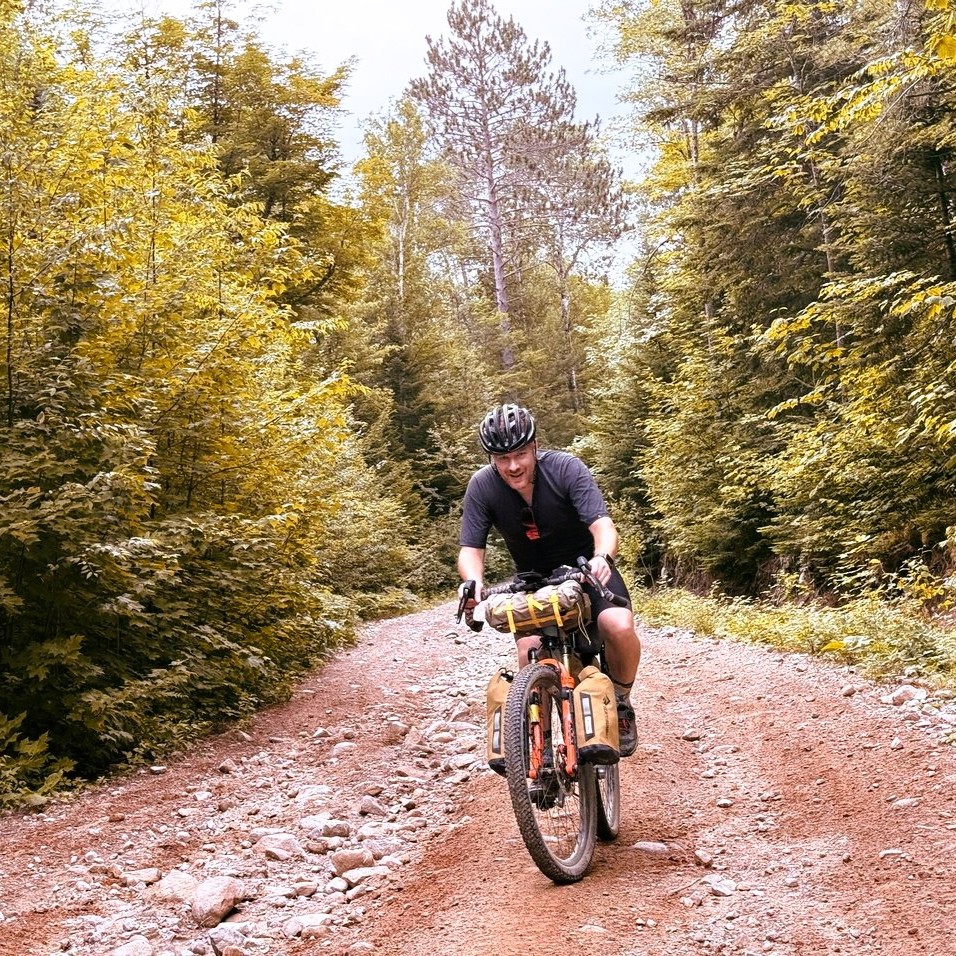
Credit: www.bikepackadventures.ca
Trail Preparation
Riding safely on bikepacking trails starts with good preparation. Knowing the trail and planning ahead helps keep you safe and enjoy the ride.
Getting ready before you start your trip can prevent problems on the trail. Focus on key steps like checking trail conditions, weather, and your route.
Researching Trail Conditions
Learn about the trail before you ride. Check if the path is open and safe for biking. Look for any hazards or repairs needed.
Find out the trail surface type. Some trails have rocks, roots, or mud. This helps you choose the right bike and gear.
- Look for recent trail reports online
- Ask local bike shops or riders for advice
- Check for trail closures or restrictions
- Note any difficult sections or steep climbs
Checking Weather Forecasts
Weather affects trail safety and comfort. Always check the forecast before you go. Rain can make trails slippery and dangerous.
Heat and cold also affect your ride. Dress in layers and bring enough water. Plan for changes in weather during your trip.
- Check temperature and chance of rain
- Watch for strong winds or storms
- Prepare for day and night weather changes
- Adjust your plans if bad weather is expected
Planning Your Route
Map your route carefully. Know where you will start and finish. Identify rest stops and water sources along the way.
Estimate how long the trip will take. Plan your daily distances based on your fitness and trail difficulty.
- Use trail maps or GPS apps
- Mark key points like campsites and repair spots
- Share your route with someone you trust
- Plan alternative routes in case of obstacles
Riding Techniques
Riding safely on bikepacking trails needs good skills. You must control your bike on different surfaces. Learning key techniques helps you stay safe and enjoy the ride.
This guide covers how to keep balance, brake well, and pass obstacles safely. Practice these tips to improve your trail riding.
Maintaining Balance On Rough Terrain
Balance is key when riding on rough trails. Keep your body relaxed and your eyes looking ahead. Adjust your weight to match the trail’s ups and downs.
- Stand on the pedals with knees slightly bent
- Keep your arms loose to absorb shocks
- Shift your weight back on downhill sections
- Lean forward when climbing steep parts
- Look where you want to go, not at obstacles
Effective Braking Methods
Good braking helps control your speed and avoid crashes. Use both brakes gently to keep traction. Avoid sudden stops that can make you lose control.
| Braking Technique | When to Use | Tip |
| Front Brake | For quick stops on flat ground | Apply smoothly, not too hard |
| Rear Brake | To slow down gradually | Use more on slippery surfaces |
| Both Brakes Together | On steep or rough descents | Balance pressure between both |
Navigating Obstacles Safely
Obstacles like rocks and roots need careful riding. Approach them slowly and choose the best path. Lift your front wheel when needed to clear obstacles.
- Scan the trail ahead for obstacles
- Keep your pedals level when crossing
- Use a light push on the handlebars to lift the front wheel
- Stay seated on small bumps for stability
- Practice bunny hops for bigger obstacles
Health And Hydration
Biking on trails takes energy and strength. Staying healthy helps you enjoy the ride. Drinking enough water and eating well are key parts of this.
Knowing when your body is tired can keep you safe. This guide shows how to drink, eat, and spot signs of fatigue on bikepacking trails.
Staying Hydrated On Long Rides
Water keeps your body cool and working well. Drink small amounts often. Don’t wait until you feel thirsty to drink.
- Carry enough water for the whole ride
- Use a hydration pack or water bottles
- Add electrolyte drinks to replace salts
- Drink before, during, and after the ride
Managing Energy And Nutrition
Your body needs fuel to keep going. Eat foods that give you energy without feeling heavy. Balance carbs, protein, and fats.
| Food Type | Examples | Best Time to Eat |
| Carbohydrates | Bananas, energy bars, rice cakes | Before and during ride |
| Protein | Peanut butter, nuts, jerky | During breaks and after ride |
| Fats | Avocado, cheese, trail mix | During long rides |
Recognizing Signs Of Fatigue
Fatigue can hurt your safety on the trail. Watch for warning signs in your body and mind. Stop and rest if needed.
- Feeling very tired or weak
- Slow reaction times or poor balance
- Muscle cramps or stiffness
- Confusion or trouble focusing
- Dizziness or headache
Emergency Preparedness
Riding safely on bikepacking trails means being ready for emergencies. Trails can be remote and help may take time to arrive.
Preparing for problems helps you stay safe and enjoy your ride. Know what to do if your bike breaks or if you get hurt.
Basic Bike Repairs On Trail
Carry tools and parts for simple bike fixes. Learn to fix flat tires and adjust brakes or gears on the trail.
- Patch or replace inner tubes
- Use a multi-tool for bolts and screws
- Adjust brake pads and gear shifters
- Lubricate the chain if it feels stiff
- Carry spare spokes and a tire lever
First Aid Tips
Bring a small first aid kit for cuts, scrapes, or insect bites. Know how to clean and bandage wounds quickly.
- Clean wounds with antiseptic wipes
- Use sterile bandages to stop bleeding
- Apply insect repellent to prevent bites
- Carry pain relievers and allergy medicine
- Learn basic CPR and injury care
Communication Tools For Safety
Bring devices to call for help if needed. Cell phone signals can be weak or missing on trails.
- Carry a fully charged cell phone
- Use a GPS device with emergency features
- Consider a satellite messenger for remote areas
- Inform someone about your route and schedule
- Carry a whistle to signal for help
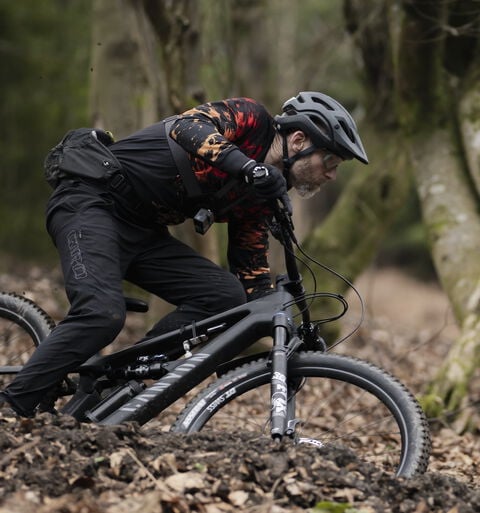
Credit: www.canyon.com
Environmental Respect
Riding safely on bikepacking trails means taking care of nature. Protecting the environment helps keep trails fun for everyone.
Respect for the environment includes how you ride, where you stop, and how you treat plants and animals. This keeps wild places healthy.
Leave No Trace Principles
Leave No Trace means leaving the trail as you found it. Do not leave trash or damage plants and soil.
Carry out all your garbage, stay on marked trails, and avoid cutting corners. These actions reduce trail damage and pollution.
- Pack out all trash and leftover food
- Ride only on established trails
- Do not pick plants or disturb natural features
- Camp in designated areas if staying overnight
Respecting Wildlife
Wild animals live along the trails. Keep a safe distance and do not feed them. Feeding can harm their health.
Be quiet and avoid sudden moves to prevent scaring animals. Watch wildlife from afar without disturbing their homes.
- Observe animals quietly and from a distance
- Do not feed or touch wildlife
- Keep pets under control or leave them at home
- Respect animal breeding and nesting areas
Trail Etiquette
Good trail manners help everyone enjoy bikepacking safely. Yield to hikers and horses and signal when passing.
Keep noise low and avoid blocking the trail. Stay in control of your bike to prevent accidents and damage.
- Yield to hikers and horses
- Announce your presence when passing others
- Keep noise to a minimum
- Ride at safe speeds to avoid accidents
- Do not block the trail when stopping
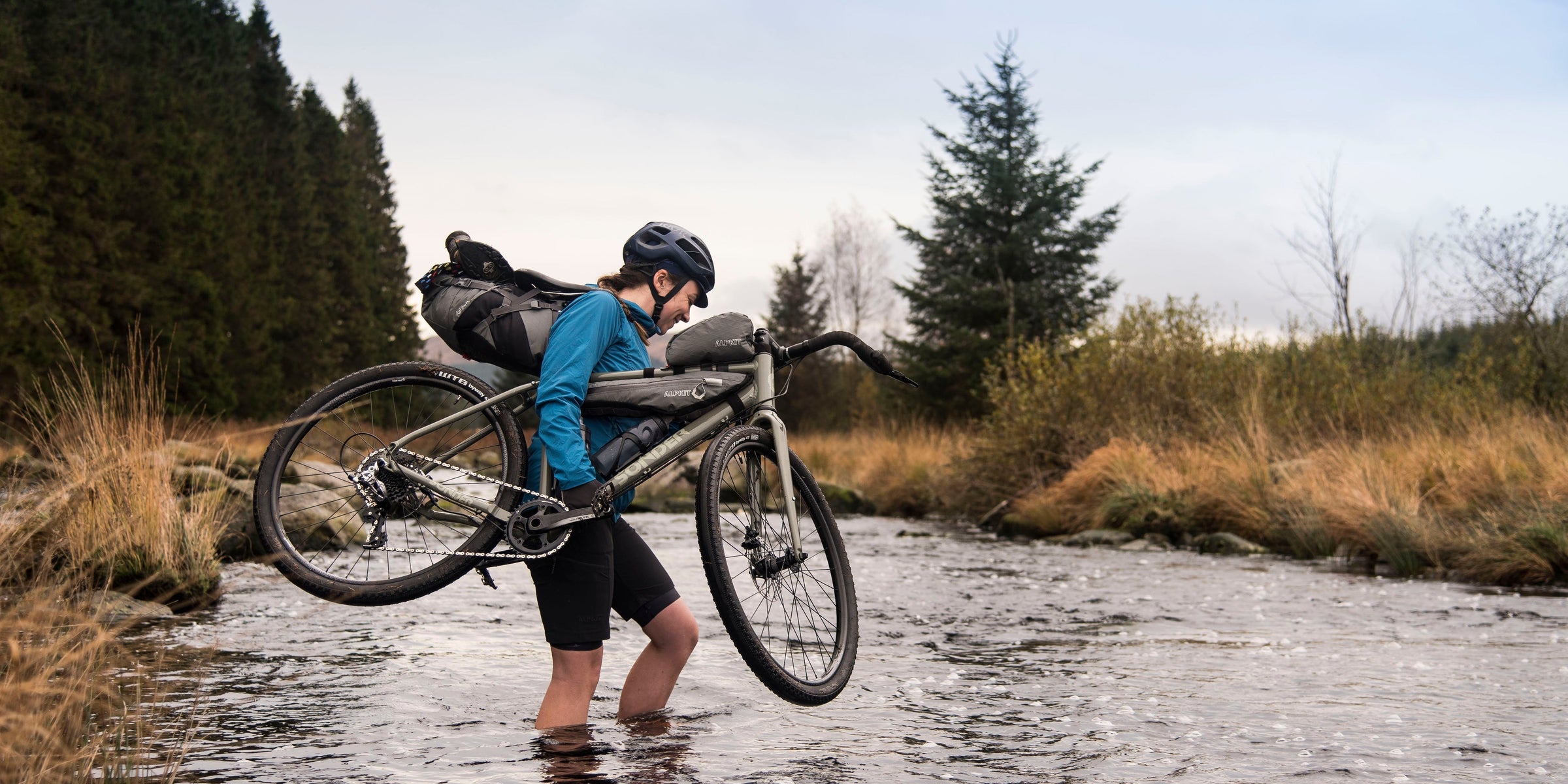
Credit: us.alpkit.com
Frequently Asked Questions
How To Prepare For Bikepacking Trail Safety?
Prepare by checking your bike, packing essential gear, and planning your route. Wear protective gear and inform someone of your trip details.
What Safety Gear Is Essential For Bikepacking?
Helmet, gloves, knee pads, and reflective clothing are essential. Carry a first aid kit and tools for bike repairs.
How To Handle Rough Terrain Safely On Bikepacking Trails?
Maintain a steady speed, keep a relaxed grip, and choose a stable line. Use your body to absorb shocks and stay balanced.
What Are The Best Practices For Night Riding Safety?
Use bright front and rear lights, wear reflective gear, and reduce your speed. Stay alert and avoid unfamiliar trails in the dark.
Conclusion
Riding safely on bikepacking trails keeps your adventure fun and injury-free. Always wear a helmet and check your bike before starting. Stay alert to trail conditions and respect other riders. Carry enough water and simple tools for quick repairs. Take breaks to rest and enjoy nature around you.
Safe riding helps you explore more trails with confidence. Keep learning and improving your skills step by step. Enjoy every moment on the trail. Safe journeys!



