
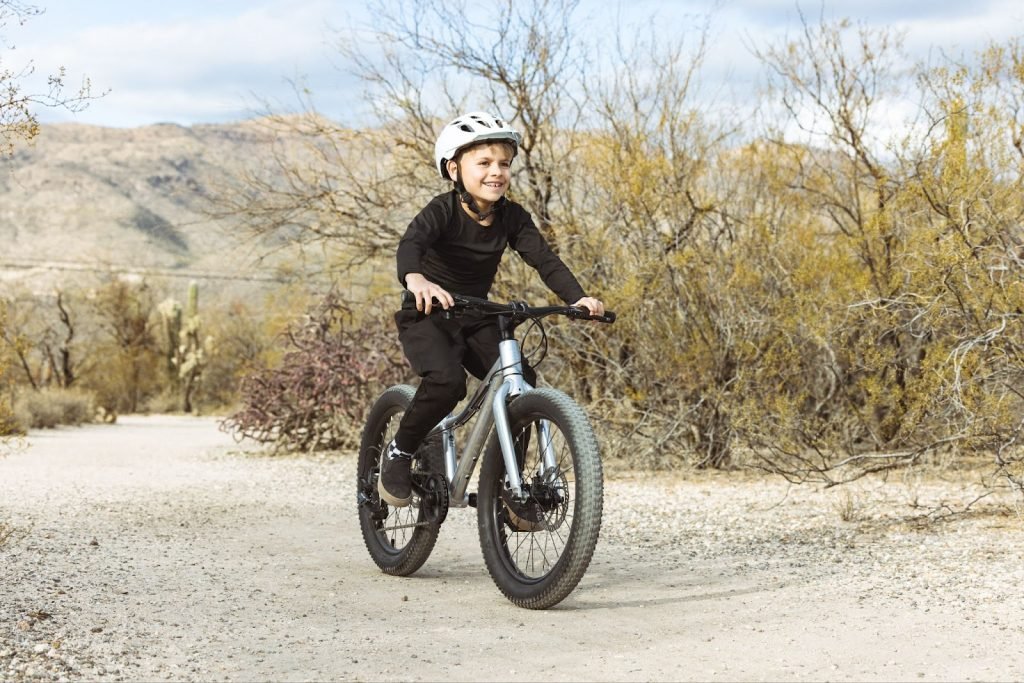
Choosing the right fat tire bike for your kid can feel overwhelming. You want a bike that’s safe, fun, and easy to ride.
But with so many options out there, how do you know which one is best for your child? This guide will help you make a smart choice, so your little rider can enjoy every adventure with confidence. Keep reading to discover the key tips that will make picking the perfect fat tire bike simple and stress-free.
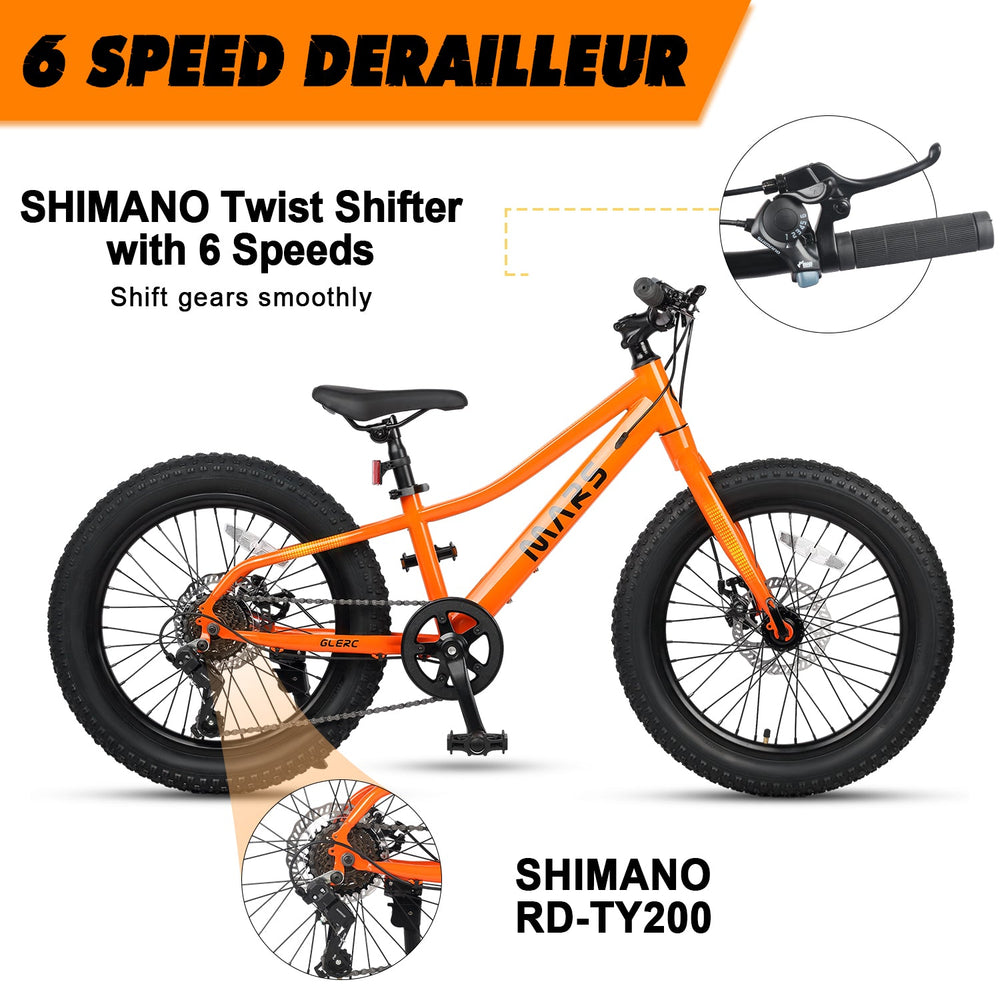
Credit: www.glercbikes.com
Benefits Of Fat Tire Bikes For Kids
Fat tire bikes have wider tires than normal bikes. These bikes help kids ride easily on many surfaces. They give kids a better riding experience.
Choosing the right fat tire bike can help children enjoy cycling more and stay safer. Let’s look at the main benefits of these bikes for kids.
Improved Stability And Balance
Fat tires are wider and bigger. This gives kids more contact with the ground. It helps them keep balance better. The bike feels steady, so kids do not wobble as much.
- Wider tires give more support
- Lower risk of falling
- Easy to learn riding skills
Enhanced Traction On Various Surfaces
Fat tire bikes grip the ground well. They work on mud, sand, snow, and grass. Kids can ride on different paths without slipping.
| Surface | Traction Level |
| Sand | High |
| Mud | High |
| Snow | Good |
| Grass | Good |
| Pavement | Stable |
Increased Confidence And Safety
Kids feel safer on fat tire bikes. The strong grip and steady ride make them less afraid of falling. This builds their confidence to ride longer and explore more.
Here are key safety benefits:
- Less chance of slipping
- Better control in turns
- Comfortable ride reduces tiredness
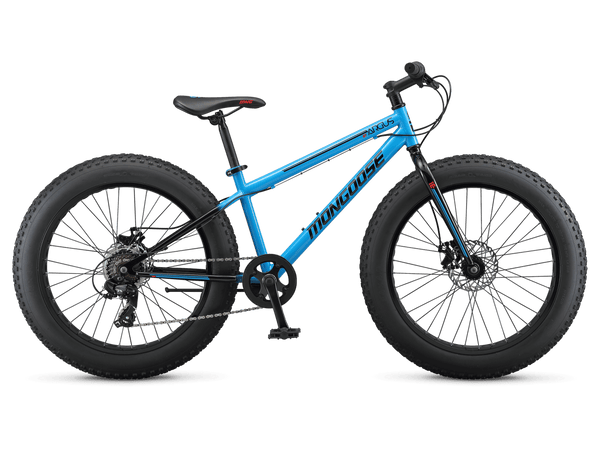
Credit: www.mongoose.com
Key Factors To Consider
Choosing the right fat tire bike for kids takes some thought. Kids need bikes that fit well and are easy to handle.
This guide looks at key points to help pick the best bike for your child.
Bike Size And Fit
Bike size is very important for safety and comfort. The bike should match your child’s height and leg length. A bike that is too big or too small can be hard to control.
Check that your child can reach the handlebars and pedals easily. The seat height should allow the child to touch the ground with their feet.
Tire Width And Type
Fat tires are wider than normal tires. They provide more balance and grip on different surfaces like sand and snow. For kids, tire width affects how stable the bike feels.
- Choose tires wide enough for good balance but not too heavy.
- Look for tires with thick tread for better grip.
- Consider tires that can work on many surfaces.
Frame Material And Weight
The bike’s frame should be strong but light. Heavy bikes tire kids quickly and are harder to control. Common materials include steel and aluminum.
| Material | Weight | Durability |
| Steel | Heavier | Very strong |
| Aluminum | Lighter | Strong but less heavy |
Brake Systems
Good brakes are key for safety. Kids’ bikes often have two types: rim brakes and disc brakes. Rim brakes are simple and easy to fix. Disc brakes work well in wet or muddy conditions.
Choose brakes that your child can use comfortably and that suit the riding conditions.
Gear Options
Gears help kids ride up hills and control speed. Some fat tire bikes have single-speed gears, while others have multiple gears.
For beginners, a single-speed bike is easier to use. Older kids might benefit from multiple gears for more control.
Age And Skill Level Appropriateness
Choosing the right fat tire bike for kids depends on their age and skill level. A proper fit helps them enjoy riding safely and confidently.
Understanding the child’s abilities and growth helps pick a bike that suits their needs and encourages learning.
Recommended Age Ranges
Fat tire bikes come in sizes designed for specific age groups. Selecting the right size ensures comfort and control.
- Ages 3-5: Small bikes with 12-14 inch wheels work best for beginners.
- Ages 6-8: Medium bikes with 16-18 inch wheels fit growing kids with some riding experience.
- Ages 9-12: Larger bikes with 20-24 inch wheels suit kids ready for more challenging rides.
Skill Level Matching
Match the bike features to the child’s riding skill. This helps them learn and have fun without frustration.
| Skill Level | Bike Features |
| Beginner | Simple gears, easy brakes, stable frame |
| Intermediate | Multiple gears, responsive brakes, lightweight frame |
| Advanced | Wide gear range, advanced suspension, strong frame |
Adjustability Features
Look for bikes with adjustable parts. These features help the bike grow with the child and improve comfort.
- Adjustable seat height for proper leg extension.
- Handlebar height adjustment for better control.
- Removable training wheels for beginners.
- Quick-release mechanisms for easy changes.
Safety Features To Look For
Choosing a fat tire bike for kids means focusing on safety. Bikes with the right features protect children during rides. Parents should check key safety elements before buying.
Good safety features give kids confidence and reduce accidents. Look for parts that help control and visibility on the bike.
Reliable Brakes
Reliable brakes help kids stop quickly and safely. Look for brakes that are easy to use and strong enough for quick stops. Rim brakes and disc brakes are common types for kids’ bikes.
- Check that brake levers fit small hands comfortably.
- Test if brakes respond well without too much force.
- Choose bikes with both front and rear brakes for better control.
Reflectors And Lights
Reflectors and lights increase a child’s visibility in low light. These features help drivers and others see the bike from a distance.
| Feature | Purpose | Placement |
| Front Light | Lights the path ahead | Handlebars |
| Rear Light | Makes bike visible from behind | Seat post |
| Wheel Reflectors | Increase side visibility | Spokes |
| Pedal Reflectors | Show motion and movement | Pedals |
Helmet Compatibility
The bike should allow space for a properly fitting helmet. Helmets protect kids from head injuries during falls or crashes. Check that the bike design does not block helmet use.
- Choose a helmet that fits snugly without gaps.
- Look for bikes with adjustable seats and handlebars to fit helmet size.
- Teach kids to always wear helmets before riding.
Budget And Brand Considerations
Choosing a fat tire bike for kids needs care in budget and brand. Picking the right bike helps your child enjoy riding safely.
Think about how much you want to spend and which brands you trust. These choices affect the bike’s quality and durability.
Affordable Vs Premium Models
Affordable bikes usually cost less but may have fewer features. They work well for beginners or kids who ride sometimes.
Premium models have better parts and last longer. They are good for kids who ride often or on rough trails.
- Affordable models: lower price, basic features, lighter use
- Premium models: higher price, strong build, frequent riding
Trusted Brands
Choose brands known for making quality kids’ bikes. Trusted brands use safe materials and good designs.
These brands often have better reviews and customer support. They can give you peace of mind about your purchase.
- Look for brands with good safety records
- Check for positive feedback from other parents
- Choose brands that specialize in kids’ bikes
Warranty And Support
A solid warranty protects your investment. It covers repairs or defects for a certain time after purchase.
Good customer support helps if you have questions or need parts. This support is important for a smooth experience.
- Check the length and coverage of the warranty
- See if spare parts are easy to find
- Choose brands with helpful customer service
Maintenance Tips For Longevity
Keeping a fat tire bike in good shape helps it last longer. Regular care saves money and keeps kids safe.
Simple maintenance steps can prevent bigger problems. Check the bike often and fix small issues quickly.
Regular Tire Checks
Fat tires need regular checks for proper air pressure. Too low or high pressure can damage tires or cause accidents.
Look for cuts, cracks, or objects stuck in the tires. Remove debris and fix any damage before riding.
- Check tire pressure before every ride
- Use a pump with a gauge for accuracy
- Inspect tire surface for damage weekly
- Remove stones or sticks from treads
Brake Adjustments
Brakes must work well to keep kids safe. Check brake pads for wear and replace them if thin.
Adjust brake cables if brakes feel loose or tight. Proper brake response means faster stops and fewer accidents.
- Test brakes before every ride
- Replace worn brake pads quickly
- Tighten or loosen brake cables as needed
- Clean brakes to remove dirt and dust
Frame Care
Keep the frame clean and dry to prevent rust. Wipe off mud and water after rides, especially in rain.
Check the frame for cracks or dents. Fix small damage early to avoid bigger problems later.
- Wash the bike with mild soap and water
- Dry the frame completely after cleaning
- Look for cracks or dents monthly
- Store the bike indoors to protect it
Credit: www.walmart.com
Frequently Asked Questions
What Size Fat Tire Bike Suits Kids Best?
Choose a bike size based on your child’s height and age. Typically, 16-20 inch wheels work well for kids aged 4-10. Proper size ensures comfort, safety, and easier handling on various terrains.
How To Choose The Right Tire Width For Kids?
Select tire width that offers stability but isn’t too heavy. For kids, 3 to 4-inch wide fat tires provide excellent balance and traction on different surfaces like sand, snow, or dirt.
What Safety Features Should Fat Tire Bikes Have?
Look for bikes with reliable brakes, sturdy frames, and adjustable seats. Reflectors and proper grip handles also enhance safety. These features keep kids secure during rides on rough or uneven terrain.
How Important Is Bike Weight For Kids’ Fat Tire Bikes?
Bike weight is crucial for kids to control and maneuver easily. Lightweight frames made of aluminum or carbon fiber are ideal. They reduce fatigue and make riding more enjoyable for children.
Conclusion
Choosing the right fat tire bike helps kids enjoy riding safely. Check the bike size and tire width for comfort and balance. Think about the bike’s weight so your child can control it easily. Look for sturdy materials that last through rough play.
Make sure the bike matches your child’s skill level and riding style. A good fat tire bike can make outdoor fun better and build confidence. Take time to compare options and find the best fit. Happy riding starts with the right bike choice.



