
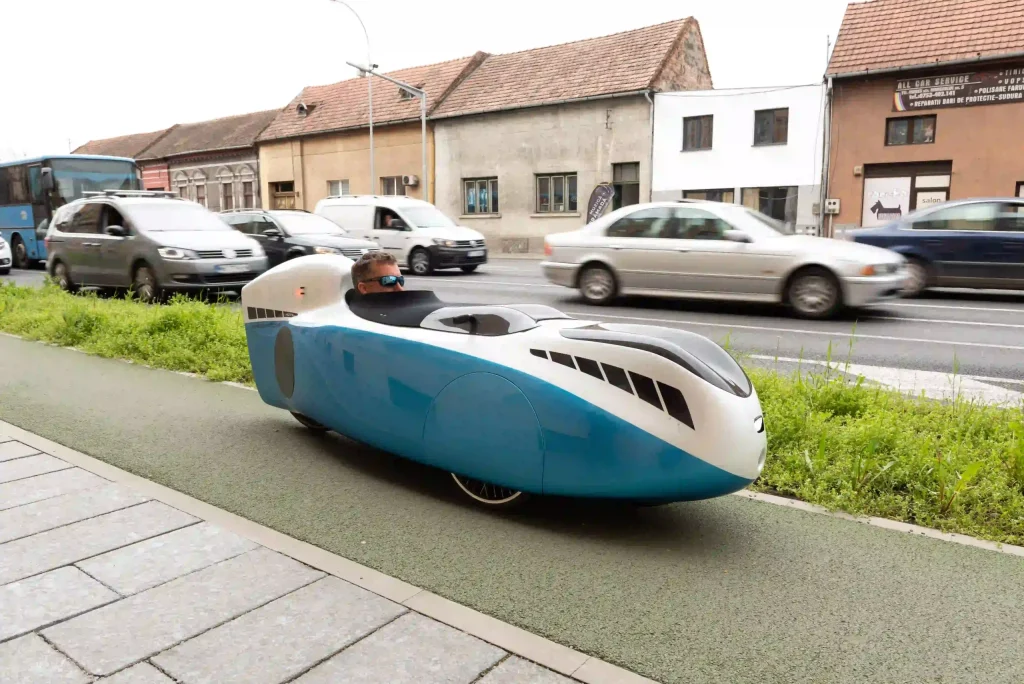
Have you ever wondered if velomobiles are easy to ride? You might think they look complicated or hard to control, but what if it’s actually quite simple?
Imagine gliding smoothly on a sleek, enclosed bike that protects you from wind and rain. Whether you’re new to cycling or looking for a fresh way to get around, understanding how easy—or challenging—velomobiles really are can change the way you see them.
Keep reading, and you’ll discover everything you need to know about riding these unique machines with confidence and ease.
What Are Velomobiles
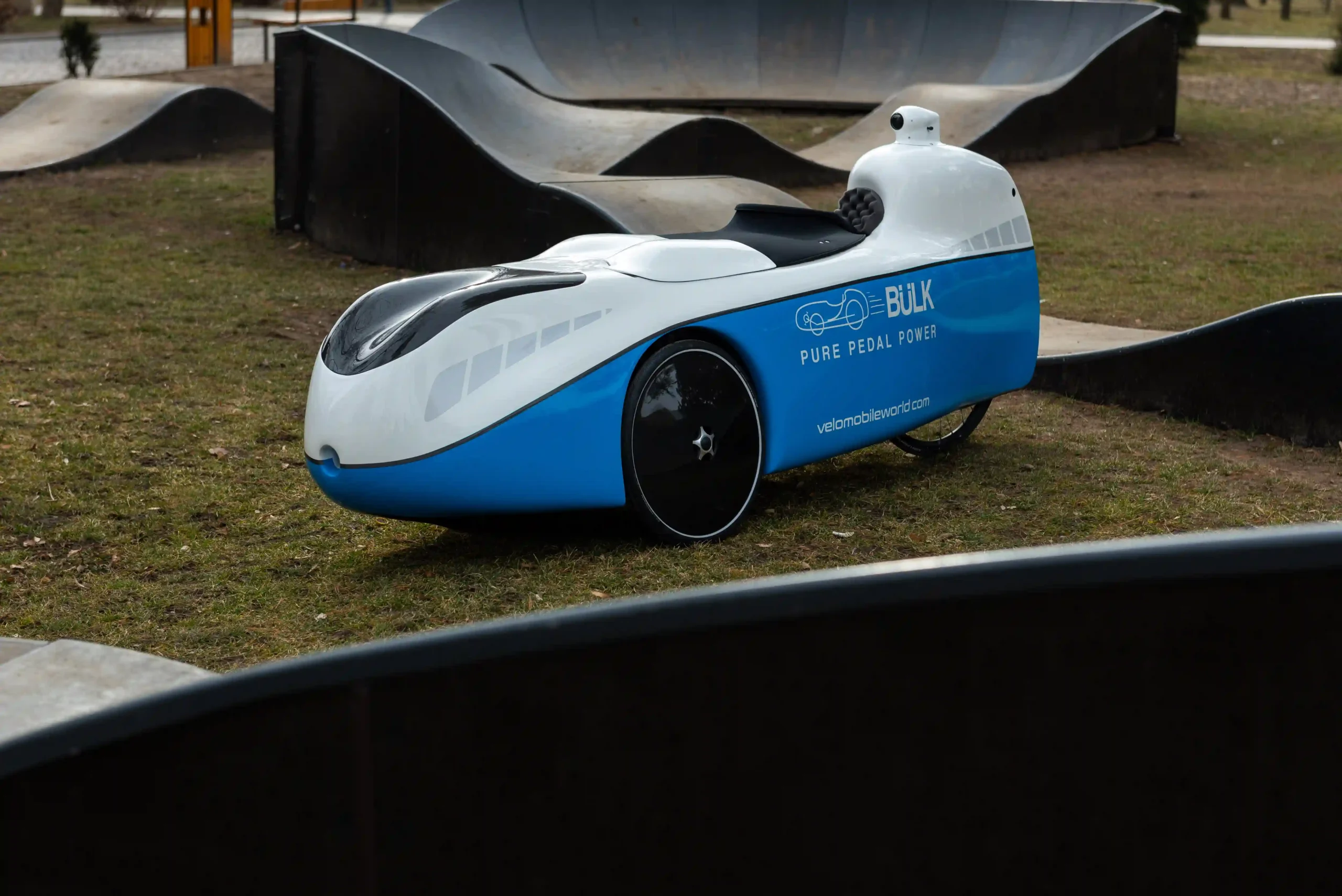
Velomobiles are human-powered vehicles with a shell around them. They look like bikes but have a full or partial body. This body helps protect the rider from weather and wind.
They use pedals like bicycles but often have three or four wheels. Velomobiles can be fast and efficient for travel and exercise.
Design And Structure
Velomobiles have an aerodynamic shape to reduce air resistance. The body is usually made from lightweight materials such as fiberglass or carbon fiber. This design helps riders use less energy when pedaling.
- Three or four wheels for stability
- Enclosed body for weather protection
- Lightweight frame for speed
- Pedals like a bicycle
How Velomobiles Work
Riders sit inside the shell and pedal to move the vehicle. The wheels roll on the ground, and the aerodynamic shape cuts through the air. This setup makes velomobiles faster than regular bikes on flat roads.
| Feature | Description |
| Power | Human pedaling |
| Speed | Faster than normal bicycles |
| Protection | Shield from rain, wind, and cold |
| Comfort | Seated position inside shell |
Uses Of Velomobiles
People use velomobiles for commuting, exercise, and leisure. They are good for longer rides because of their speed and weather protection. Some use them for errands or even racing.
- Daily commuting in all weather
- Long-distance riding
- Exercise and fitness
- Fun and recreation

Credit: www.reddit.com
Key Features That Affect Rideability
Velomobiles are a unique type of bike with a full body shell. This shell changes how they ride compared to regular bikes.
Some key features affect how easy or hard it is to ride a velomobile. These include shape, weight, and seating style.
Aerodynamics And Design
Velomobiles have a smooth, rounded shape to cut through the air. This design helps riders go faster with less effort.
- Streamlined body reduces wind resistance
- Enclosed wheels protect from debris and air drag
- Low profile helps maintain balance at high speeds
- Large shells can limit visibility or turning radius
Weight And Materials
Weight affects how easy it is to pedal and control the velomobile. Most use light materials like fiberglass or carbon fiber.
| Material | Weight | Durability |
| Fiberglass | Light | Good |
| Carbon Fiber | Very Light | Excellent |
| Aluminum | Moderate | Good |
| Steel | Heavy | Very Strong |
Seating Position
Most velomobiles have a reclined seat. This position affects comfort and how well you can control the vehicle.
- Reclined seating lowers the center of gravity
- It reduces wind exposure for the rider
- May be harder to see or signal to others
- Comfort varies by seat design and padding
How Velomobiles Compare To Traditional Bikes
Velomobiles are a type of bike with a full shell around them. This shell helps with speed and protection. Many people wonder if velomobiles are easy to ride compared to normal bikes.
This guide looks at how velomobiles differ from traditional bikes in three key areas: stability and balance, speed and efficiency, and maneuverability.
Stability And Balance
Velomobiles often have three or four wheels, which makes them more stable. Riders do not need to balance as much as on a two-wheeled bike. This can help new riders feel safer.
Traditional bikes need the rider to balance on two wheels. This can be harder for beginners or in slow traffic. Velomobiles stay upright even when stopped, which some riders like.
Speed And Efficiency
Velomobiles have a streamlined shape that cuts air resistance. This lets them go faster with less effort. They are good for long rides and commuting.
Traditional bikes usually face more wind resistance. Riders need to work harder to keep high speeds. However, they are lighter and easier to carry or store.
- Velomobiles save energy on flat and long routes
- Traditional bikes are lighter and simpler
- Speed depends on the rider’s strength and terrain
Maneuverability
Traditional bikes are easier to turn quickly and fit through tight spaces. This makes them good for city riding and crowded areas.
Velomobiles are wider and heavier, so turning takes more space and effort. They need more room on roads and paths. Riders must plan turns ahead.
- Traditional bikes turn sharply and fit in narrow spots
- Velomobiles need wider paths for safe turns
- Maneuvering speed is slower in velomobiles
Rider Experience And Comfort
Velomobiles offer a unique riding experience. They combine speed with comfort in a special way.
Comfort is important for long rides. Many riders want to know if velomobiles are easy to handle.
Ease Of Pedaling
Pedaling a velomobile feels smooth and natural. The design helps reduce effort while riding.
Most velomobiles have good gears. These make it easier to climb hills and ride faster on flat roads.
- Low resistance tires improve pedaling
- Streamlined shape cuts through air smoothly
- Gears help adjust effort for different terrains
Weather Protection
Velomobiles protect riders from wind and rain. The enclosed shell keeps you dry and warm.
This protection makes rides more comfortable in bad weather. You can ride longer without feeling cold.
- Full body coverage blocks wind
- Water-resistant shells keep rain out
- Some models have ventilation to prevent fog
Visibility And Safety
Velomobiles have lights and reflectors to improve visibility. This helps drivers see you on the road.
The low seating position feels safe and stable. You stay balanced even on turns and rough surfaces.
- Bright lights on front and rear
- Reflective surfaces for night riding
- Stable design reduces risk of falling
Learning Curve And Skill Requirements
Velomobiles are a type of human-powered vehicle with a shell. They look different from regular bikes. Riding one needs some practice and skills.
Understanding the learning curve helps new riders feel confident. Skills like balance, steering, and braking are important to ride safely.
Getting Started
Starting with a velomobile can feel strange at first. It sits lower to the ground and has a wider body than a bike.
New riders should take time to get used to the seating position and controls. It is best to practice in a quiet, open space.
Handling Turns And Stops
Turning a velomobile requires smooth steering due to its size and weight. Sharp turns need slower speeds and wider arcs.
Stopping takes longer than a bike because of the extra weight. Riders must plan stops ahead and brake gently to avoid skidding.
- Use gradual steering to avoid tipping
- Slow down before sharp turns
- Brake early and smoothly
- Keep both hands on the controls
Adjusting To Different Terrains
Velomobiles perform best on smooth roads. Rough or steep terrain can be challenging because of their shape and weight.
Riders must adapt their speed and riding style for hills, gravel, or wet surfaces. Careful control helps keep balance and traction.
- Slow down on uneven ground
- Use lower gears on hills
- Avoid sharp rocks or deep gravel
- Stay alert for slippery spots

Credit: newatlas.com
Maintenance And Practical Considerations
Velomobiles offer a unique riding experience with protection and speed. Before buying, think about maintenance and daily use. These factors affect how easy they are to ride.
Understanding storage, repairs, and costs helps decide if a velomobile fits your lifestyle.
Storage And Transport
Velomobiles need more space than regular bikes. Their shape and size require careful storage. Transport can also be tricky due to their width and length.
- Store indoors to protect from weather
- Use a cover for dust and sun protection
- Transport on roof racks or trailers designed for wide loads
- Check local rules for transporting wide vehicles
Repairs And Upkeep
Velomobiles have parts similar to bicycles but also unique components. Regular checks keep them safe and efficient. Some repairs may need special tools or skills.
| Maintenance Task | Frequency | Notes |
| Tire Pressure Check | Weekly | Use a pressure gauge |
| Chain Lubrication | Every 200 miles | Use bike chain oil |
| Body Inspection | Monthly | Look for cracks or dents |
| Brake Adjustment | Monthly | Ensure brakes respond well |
| Professional Tune-up | Yearly | Visit a specialist shop |
Cost And Accessibility
Velomobiles cost more than normal bikes. Parts may be expensive or hard to find. Not all bike shops work on velomobiles. Planning your budget is important.
- Initial purchase price is high
- Spare parts may take time to order
- Special tools might be needed for repairs
- Limited local service centers available
Credit: www.velomobileworld.com
Frequently Asked Questions
Are Velomobiles Difficult To Learn For Beginners?
Velomobiles are generally easy to learn with basic cycling skills. Their stability and enclosed design provide comfort. Initial practice on flat terrain helps build confidence quickly.
How Fast Can You Ride A Velomobile?
Velomobiles typically reach speeds between 20 to 40 mph. Their aerodynamic shape reduces wind resistance, making them faster than regular bikes. Speed depends on rider effort and terrain.
Can Velomobiles Handle Hills Easily?
Velomobiles perform well on moderate hills due to low weight and gearing. Steeper hills may require more effort, but the recumbent position helps maintain power efficiently.
Are Velomobiles Safe For Urban Riding?
Velomobiles offer good protection with their shell and visibility. Their low profile requires extra caution around cars. Using lights and reflective gear enhances safety in traffic.
Conclusion
Velomobiles offer a smooth and fun riding experience. They are stable and easy to control on flat roads. Some learning is needed for turns and hills. Once you get used to them, riding feels natural. They protect you from wind and rain well.
Velomobiles suit many riders who enjoy cycling differently. Trying one for a short ride helps understand its ease. Overall, they provide a unique way to travel comfortably and efficiently.



