
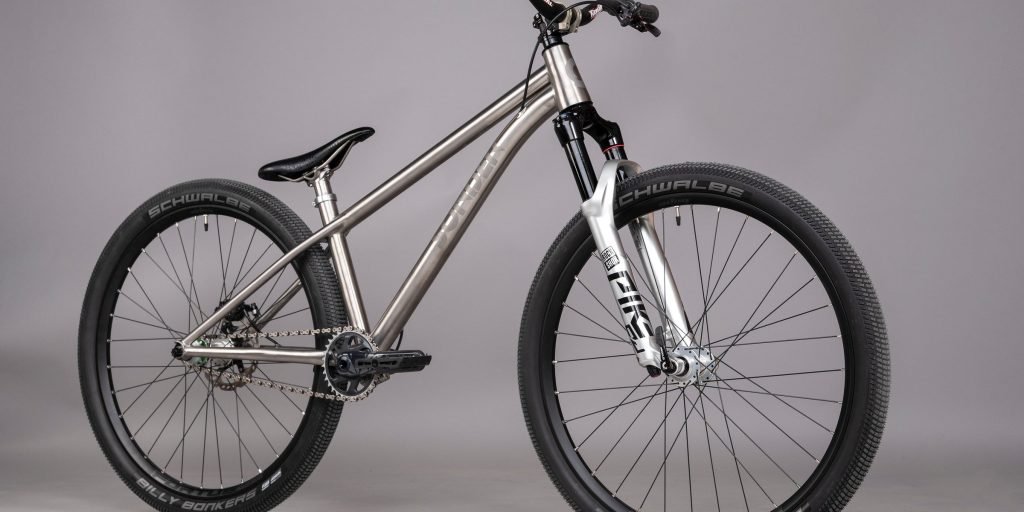
Choosing the right tire for your dirt jump bike can make all the difference in your performance and fun. You want tires that grip well, absorb shocks, and handle rough landings without slowing you down.
But with so many options out there, how do you know which one fits your style and terrain best? You’ll discover the key factors to consider and the top tire choices that can take your dirt jumping to the next level.
Keep reading to find the perfect tire that keeps you in control and ready for every jump.
Choosing The Right Tire Size
Picking the right tire size is key for dirt jump bikes. Tires affect ride control and bike handling.
Understanding sizes helps you find the best tire for your jumps and trails.
Standard Sizes For Dirt Jump Bikes
Dirt jump bikes usually use tires with specific diameters and widths. The most common size is 26 inches in diameter.
- 26 inches: Popular size for control and strength.
- 24 inches: Smaller bikes for younger riders or tight spaces.
- 27.5 inches: Offers a balance between speed and control.
Impact Of Tire Width And Diameter
Tire width and diameter change how your bike handles. Wider tires give more grip but add weight. Larger diameters roll over obstacles easier.
| Width | Effect |
|---|---|
| 1.95″ – 2.1″ | Good balance of speed and grip for dirt jumping. |
| 2.2″ – 2.4″ | Extra grip and cushion but slower acceleration. |
| 26″ Diameter | Classic size for strength and control. |
| 27.5″ Diameter | Smoother ride over rough terrain. |
Tread Patterns For Dirt Jumping
Dirt jump biking needs the right tire tread for control and speed.
Choosing the correct tread pattern helps you ride better on dirt tracks.
Knobby Vs. Smooth Treads
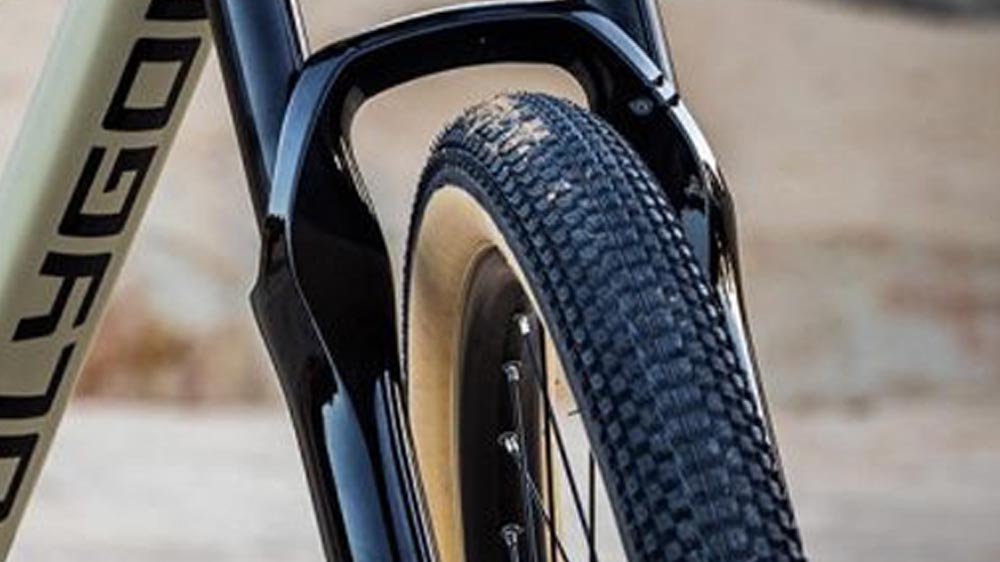
Knobby tires have raised knobs that dig into soft dirt. They give good grip on loose surfaces.
Smooth tires have a flatter surface. They roll faster on hard dirt and packed trails.
- Knobby treads: better for loose or muddy dirt
- Smooth treads: best for hard-packed dirt and smooth ramps
- Knobby tires may slow you on smooth surfaces
- Smooth tires may slip on loose dirt
Best Patterns For Different Terrains
| Terrain | Tread Pattern | Reason |
| Loose Dirt | Knobby | Deep knobs dig into soft dirt for grip |
| Hard-packed Dirt | Smooth | Flat surface rolls faster and grips well |
| Wet or Muddy | Wide Knobby | Wide knobs clear mud and hold traction |
| Mixed Terrain | Mixed Pattern | Combination of knobs and smooth sections |
Tire Pressure Tips
Choosing the right tire pressure is key for dirt jump biking. It affects how your bike handles and performs on jumps.
Lower or higher pressure changes grip, speed, and control. Understanding these effects helps you ride better.
Optimal Pressure For Control
Control depends on how well your tires absorb shocks and keep contact with the ground. Too much pressure makes the ride harsh. Too little pressure can cause tire squirm or pinch flats.
- Keep pressure mid-range for smooth landings.
- Adjust slightly based on rider weight.
- Check pressure before every ride.
- Use a reliable gauge for accuracy.
Balancing Grip And Speed
| Pressure (psi) | Grip Level | Speed Effect |
| 20-25 | High grip, good for loose dirt | Lower speed, more rolling resistance |
| 26-30 | Balanced grip and speed | Good for mixed terrain |
| 31-35 | Lower grip, less traction | Higher speed, smooth surfaces |
Tubeless Vs. Tubed Tires
Dirt jump biking needs strong tires that handle rough landings. Choosing between tubeless and tubed tires affects your ride.
Both tire types have good and bad points. Understanding these helps you pick the right one for your bike and style.
Pros And Cons Of Tubeless
Tubeless tires do not use an inner tube. They seal directly to the rim and often use sealant to fix small punctures.
- Pros:Less chance of flats from pinch punctures.
- Pros:You can run lower air pressure for better grip and control.
- Pros:They can self-seal small holes during rides.
- Cons:Tubeless setup can be tricky and needs special rims and valves.
- Cons:Sealant needs to be refilled regularly.
- Cons:Repairing a big tear is harder on the trail.
Installation Considerations
Installing tubeless tires takes more time and tools than tubed tires. You need a tubeless-ready rim and tire.
| Step | Requirement | Notes |
|---|---|---|
| 1 | Clean rim and tire | Remove dirt and old tape for a tight seal |
| 2 | Install tubeless tape | Cover spoke holes to prevent air leaks |
| 3 | Insert tubeless valve | Valve must fit tightly in rim hole |
| 4 | Mount tire | Use tire levers carefully to avoid damage |
| 5 | Add sealant | Sealant fixes small punctures automatically |
| 6 | Inflate tire quickly | High pressure helps tire bead seat on rim |
Durability And Puncture Resistance
Dirt jump bike tires face tough conditions. They need to last long and resist punctures well.
Choosing the right tire helps you ride harder without worrying about damage.
Materials That Enhance Longevity
Tire materials affect how long they last. Strong rubber compounds make tires last longer.
Some tires use special blends that resist wear and tear from rough dirt jumps.
- Butyl rubber for good toughness
- Silica added to improve grip and wear
- Kevlar layers for extra strength
Reinforcements For Rough Riding
Reinforcements protect tires from sharp rocks and roots. They stop punctures during jumps.
Extra layers inside the tire help keep air in and prevent flats.
- Bead protectors keep tire edges strong
- Sidewall reinforcements stop cuts and tears
- Puncture-resistant belts shield the tire tread

Credit: www.reddit.com
Top Tire Brands For Dirt Jumping
Dirt jump biking needs strong and reliable tires. The right tire helps you land safely and ride smoothly. Choosing a top brand ensures good quality and performance.
Many brands make tires just for dirt jumping. They focus on grip, durability, and fast rolling. Let’s look at some popular models and budget choices.
Popular Models And Features
Top brands offer tires with tough rubber and strong sidewalls. These tires grip dirt well and last long. Some tires have special knobs for better control on jumps.
- Maxxis DTH:Lightweight, fast rolling, and strong grip.
- Schwalbe Table Top:Smooth center tread, great for speed and control.
- Continental Race King:Durable with excellent traction on dirt.
- WTB Judge:Wide knobs for extra grip and stability.
Most of these tires come in different sizes. Choose a size that fits your bike and riding style. Wider tires give more grip but may be heavier.
Budget-friendly Options
You can find dirt jump tires that work well without high costs. Some brands offer good quality tires for less money. These are great for beginners or casual riders.
- Kenda Small Block 8:Affordable, reliable, and decent grip.
- Vee Tire Flow Snap:Good traction at a low price.
- Maxxis Hookworm:Durable and budget-friendly for street and dirt.
Check tire reviews and ask local riders for advice. You can get solid tires without spending a lot. This keeps your bike ready for dirt jumps and saves money.
Maintenance And Tire Care
Taking care of your dirt jump bike tires helps them last longer. Good maintenance keeps your rides safe and smooth.
Regular checks and cleaning prevent damage and improve tire performance. Learn simple ways to care for your tires.
Inspecting For Wear And Damage
Check your tires often for signs of wear or damage. Look for cuts, cracks, or worn tread patterns.
Damaged tires can cause accidents or poor handling. Replace them if you find deep cuts or bald spots.
- Look for cracks on the sidewalls
- Check for punctures or embedded objects
- Examine tread depth and pattern wear
- Feel for soft or weak spots on the tire
Cleaning Tips For Longevity
Clean your tires after every ride to remove dirt and mud. This stops buildup that can damage the rubber.
Use water and mild soap with a soft brush. Avoid harsh chemicals that break down the tire material.
- Rinse tires with clean water
- Use a soft brush to scrub dirt gently
- Dry tires completely before storing
- Store bike in a cool, dry place away from sunlight

Credit: bikesupplies.ca
Credit: www.polygonbikes.com
Frequently Asked Questions
What Tire Size Is Best For Dirt Jump Bikes?
For dirt jump bikes, 24 to 26-inch tires are ideal. These sizes offer a balance of control and agility on dirt tracks. Choose based on your bike frame and riding style for optimal performance.
Which Tire Tread Pattern Suits Dirt Jumping?
Knobby or semi-slick tread patterns work best for dirt jumping. Knobby tires provide excellent grip on loose dirt. Semi-slick tires offer better rolling speed on hard-packed trails. Pick tread based on terrain conditions.
Should I Use Tubeless Tires For Dirt Jumping?
Yes, tubeless tires are recommended for dirt jumping. They reduce the risk of pinch flats and allow lower tire pressure. This improves traction and shock absorption on rough jumps.
How Much Tire Pressure Is Ideal For Dirt Jump Tires?
Maintain tire pressure between 25-35 PSI for dirt jump tires. Lower pressure improves grip and cushioning, while too low risks rim damage. Adjust pressure based on rider weight and trail conditions.
Conclusion
Choosing the right dirt jump bike tire affects your ride a lot. Tires with good grip help you land safely and control better. Think about the terrain and your style before picking tires. Lighter tires make jumps easier but may wear out fast.
Stronger tires last longer but can feel heavy. Test different options to find what suits you best. Good tires make your dirt jumping more fun and safe. Keep your bike ready and enjoy every jump with confidence.



