
Are you ready to take your bikepacking adventures to the next level? Building endurance for long-distance rides is the key to enjoying every mile without feeling drained or overwhelmed.
Whether you’re planning your first multi-day trip or aiming to tackle tougher routes, improving your stamina will make all the difference. In this guide, you’ll discover simple, effective ways to boost your endurance so you can ride farther, feel stronger, and fully enjoy the freedom of the open road.
Keep reading to unlock the secrets that will transform your bikepacking experience.

Credit: bikepacking.com
Preparing Your Body
Building endurance for long-distance bikepacking requires a strong and prepared body. Preparing well helps you ride longer with less fatigue.
This guide covers how to start with your fitness level, add strength training, and improve flexibility and mobility.
Starting With A Base Fitness Level
Begin by assessing your current fitness. Start with regular cycling or cardio exercises to build stamina.
- Ride short distances regularly
- Increase your ride time gradually
- Include rest days to avoid injury
- Track your progress weekly
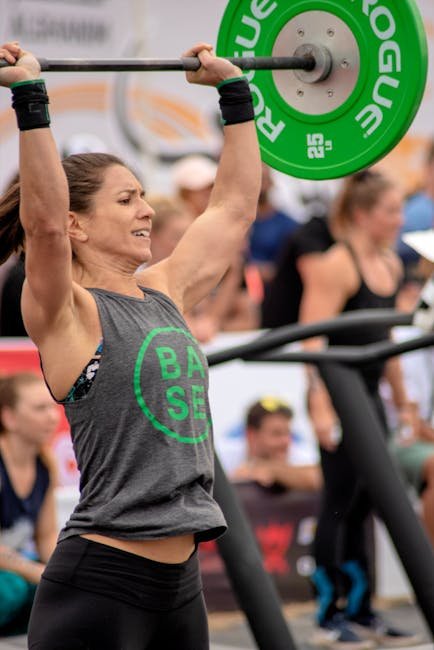
Incorporating Strength Training
Strength training supports your muscles for long rides. Focus on leg, core, and upper body exercises.
| Muscle Group | Recommended Exercises |
| Legs | Squats, Lunges, Leg Press |
| Core | Planks, Russian Twists, Bicycle Crunches |
| Upper Body | Push-ups, Pull-ups, Dumbbell Rows |
Flexibility And Mobility Exercises
Stretching and mobility help prevent injuries and improve movement. Include these exercises daily.
- Hamstring stretches
- Hip flexor stretches
- Shoulder rolls and stretches
- Foam rolling for muscle release
- Dynamic warm-ups before riding
Credit: bikepacking.com
Training Strategies
Building endurance is key for long-distance bikepacking. Training smart helps you ride longer without feeling tired.
This guide covers important training strategies. Use these tips to improve your stamina on the bike.
Gradual Mileage Increase
Start with shorter rides and slowly add distance each week. This helps your body adjust to longer rides safely.
Increase your weekly mileage by about 10% to avoid injury. Rest days are important to recover and grow stronger.
- Begin with comfortable distances
- Add small distance increments weekly
- Take regular rest days
- Listen to your body’s signals
Interval Training Benefits
Interval training means riding hard for short times, then resting briefly. This improves your heart and lung strength.
This type of training increases your speed and endurance. It also makes steady riding feel easier over time.
- Boosts cardiovascular fitness
- Increases power and speed
- Improves recovery during rides
- Can be done on any terrain
Cross-training For Endurance
Cross-training means doing other exercises besides biking. This builds overall fitness and reduces injury risk.
Activities like swimming, running, or yoga help your muscles and heart stay strong. They also keep training fun and fresh.
- Improves muscle balance
- Reduces strain on cycling muscles
- Boosts overall endurance
- Helps prevent burnout
Nutrition And Hydration
Building endurance for long-distance bikepacking needs good nutrition and hydration. Eating the right foods helps keep your energy up. Drinking enough water stops dehydration and keeps you strong.
Focus on what you eat before, during, and after rides. Also, learn how to stay hydrated on the trail. These habits help your body perform well and recover faster.
Fueling Before And During Rides
Eat a balanced meal before your ride to fill your energy stores. Include carbs, some protein, and healthy fats. During rides, keep eating small amounts often. This keeps your energy steady.
- Before riding: oatmeal, bananas, peanut butter
- During riding: energy bars, nuts, dried fruits
- Eat every 45 minutes on long rides
- Avoid heavy or greasy foods before riding
Hydration Techniques
Drink water regularly to avoid feeling tired. Use a mix of water and electrolyte drinks to replace salts lost by sweat. Drink small amounts often instead of large amounts at once.
| Hydration Tip | Why It Helps |
| Drink 500ml before ride | Keeps body hydrated from start |
| Drink 150-250ml every 15-20 minutes | Prevents dehydration and cramps |
| Use electrolyte drinks | Replaces lost salts and minerals |
| Carry a water filter | Access clean water on trails |
Post-ride Recovery Nutrition
After a long ride, refuel with carbs and protein. This helps muscles recover and rebuild. Drink plenty of fluids to replace what you lost. Eating soon after riding works best.
- Eat fruits, whole grains, and lean protein
- Drink water or a recovery shake
- Aim to eat within 30 minutes after riding
- Rest and stretch to help muscle repair
Gear And Equipment Tips
Building endurance for long-distance bikepacking requires the right gear. Good equipment helps you ride longer and stay comfortable.
Choosing what to carry and how to care for your gear makes your trip easier. Let’s look at some important tips.
Choosing The Right Bike And Setup
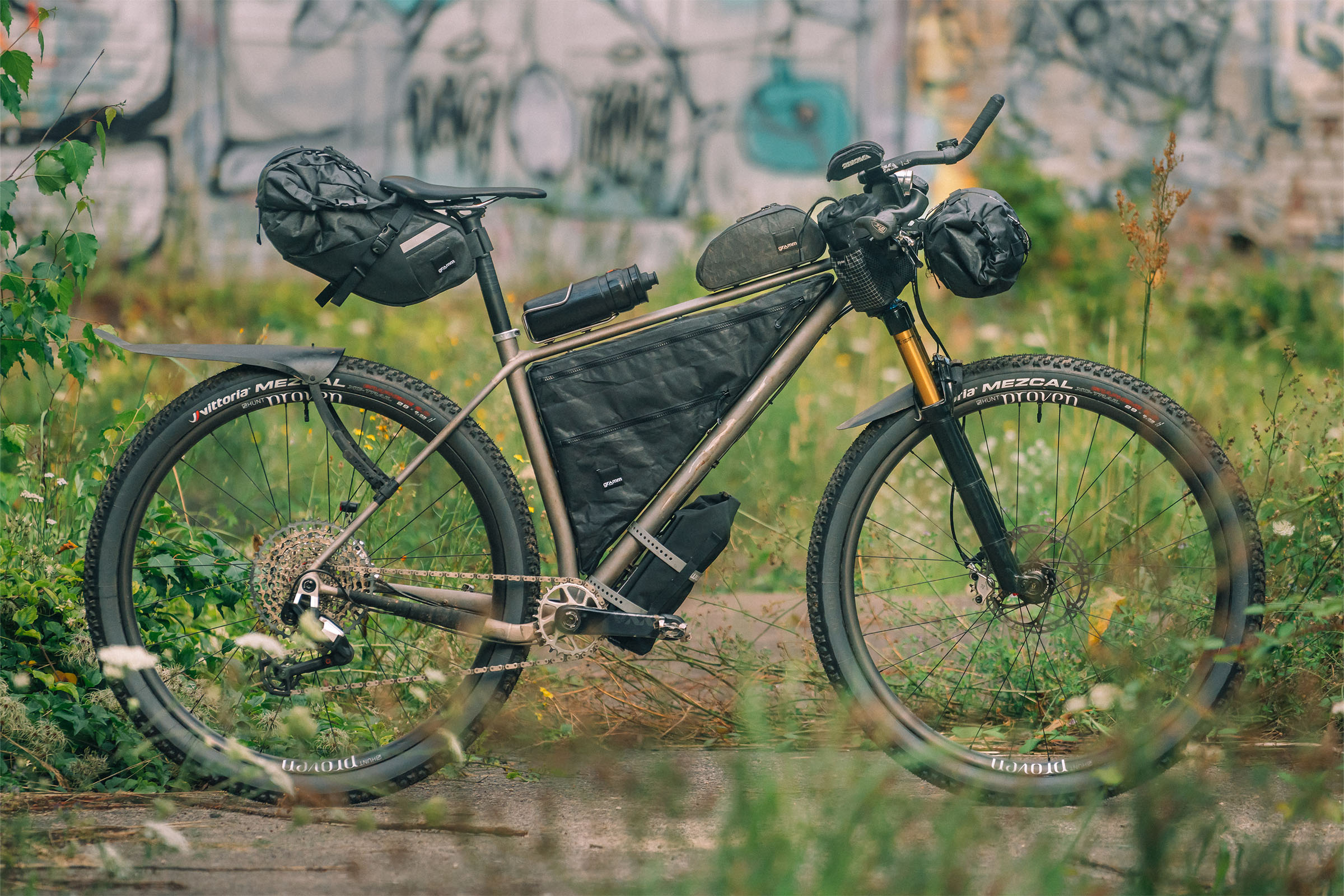
Pick a bike designed for long rides and rough roads. A sturdy frame and wide tires help you stay stable and comfortable.
Adjust your bike setup to fit your body. A good fit lowers fatigue and reduces injury risks during long rides.
- Use a bike with strong tires that suit different terrains
- Choose a frame size that fits your height and reach
- Add racks or bags to carry gear securely
- Check brakes and gears often for smooth performance
Packing Light And Efficiently
Carry only what you need to keep your bike light. A lighter load helps you ride farther with less effort.
Organize your items so you can find them easily. Packing smart saves time and energy on the road.
- Choose lightweight and compact gear
- Pack clothes for multiple uses and layers
- Keep tools and repair kits easy to reach
- Use waterproof bags to protect your items
Maintaining Your Gear On The Road
Regularly check your bike and gear during your trip. Fix small problems before they get worse.
Clean and dry your equipment to avoid damage. Taking care of your gear helps it last longer and perform well.
- Inspect tires for cuts and proper pressure
- Lubricate the chain to keep it smooth
- Tighten bolts and screws often
- Clean your gear after rainy or muddy rides
Mental Endurance
Mental endurance is key for long-distance bikepacking. It helps you keep going when the ride gets tough. Building this strength prepares your mind for challenges on the road.
Strong mental endurance lets you focus on your journey. It reduces stress and keeps motivation high. This guide covers how to set goals, stay motivated, and handle fatigue.
Setting Realistic Goals
Start with clear, achievable goals for your bikepacking trips. Realistic goals prevent frustration and boost confidence. Break big rides into smaller sections to track progress easily.
- Set daily distance targets you can manage
- Include rest days in your plan
- Adjust goals based on weather and terrain
- Celebrate small wins along the way
Staying Motivated On Long Rides
Keeping your motivation high helps you push through tough moments. Find ways to keep your mind engaged and excited during long hours on the bike.
| Motivation Tip | Description |
| Music or Podcasts | Listen to something interesting to pass time |
| Visualize the Finish | Imagine completing the ride successfully |
| Ride with Friends | Share the journey to boost morale |
| Take Photos | Capture moments to remember the experience |
Dealing With Fatigue And Challenges
Fatigue and setbacks are normal in bikepacking. Your mind must stay strong to handle these problems without giving up.
Use this checklist to manage fatigue and stay focused:
- Take short breaks to rest and hydrate
- Eat snacks to keep energy levels steady
- Practice deep breathing to calm your mind
- Remind yourself why you started
- Adjust your pace to avoid burnout

Credit: bikepacking.com
Rest And Recovery
Rest and recovery are key parts of building endurance for long-distance bikepacking. Your body needs time to heal and get stronger after rides.
Ignoring rest can cause fatigue and injury. Proper recovery helps you ride longer and feel better.
Importance Of Rest Days
Rest days let your muscles repair and your energy stores refill. They reduce the risk of burnout and injury.
- Promote muscle recovery and growth
- Prevent overuse injuries
- Improve mental focus and motivation
- Allow your body to adapt to training
Sleep For Endurance
Sleep is vital for endurance. It helps your body repair and your brain stay sharp for long rides.
| Sleep Factor | Benefit for Endurance |
| 7-9 hours per night | Improves muscle repair and energy |
| Deep sleep | Boosts hormone release for recovery |
| Consistent sleep schedule | Enhances mental focus and alertness |
| Short naps | Quickly restores energy during multi-day trips |
Active Recovery Techniques
Active recovery means light activity that helps muscles heal without strain. It speeds up recovery and reduces soreness.
- Easy cycling at low intensity
- Gentle stretching to improve flexibility
- Walking to increase blood flow
- Foam rolling to ease muscle tightness
Frequently Asked Questions
How Long Does It Take To Build Endurance For Bikepacking?
Building endurance typically takes 6 to 12 weeks of consistent training. Gradually increase your riding distance and intensity. Focus on steady, moderate-paced rides to build aerobic capacity and stamina.
What Are The Best Exercises To Improve Bikepacking Endurance?
Cycling regularly, combined with strength training and core workouts, boosts endurance. Interval training and long, slow distance rides are especially effective. Cross-training with running or swimming can also enhance overall fitness.
How Often Should I Train For Long-distance Bikepacking?
Aim to train at least 3 to 5 times per week. Include a mix of long rides, recovery rides, and interval sessions. Consistency is key to gradually increase your endurance and avoid injury.
What Nutrition Helps Build Endurance For Long Rides?
Eat balanced meals rich in carbohydrates, proteins, and healthy fats. Stay hydrated and consume electrolytes during rides. Before long rides, focus on carb-loading to maximize energy stores.
Conclusion
Building endurance for long-distance bikepacking takes time and effort. Start slow, increase your rides step by step. Rest days help your body recover and grow stronger. Eat well and stay hydrated during your training. Consistency beats speed; keep riding regularly.
Listen to your body to avoid injuries. Enjoy the journey and celebrate small progress. With patience and practice, you will go farther. Keep your focus on your goal and ride on.



