
Are you ready to take your dirt jumping skills to the next level? Understanding your bike parts is the key to mastering every jump and landing with confidence.
Whether you’re new to dirt jumping or looking to upgrade your setup, knowing how each part works will help you ride smoother and safer. In this guide, you’ll discover exactly what makes your bike tick and how to choose the right components for your style.
Get ready to unlock the full potential of your dirt jump bike!
Frame Materials
Choosing the right frame material is important for dirt jump bikes. It affects weight, strength, and ride feel. Different materials suit different riders and styles.
Below are the main types of frame materials used in dirt jump bikes. Each has its own benefits and drawbacks.
Aluminum Frames
Aluminum is a popular frame material for dirt jump bikes. It is light and strong, making it easier to jump and control the bike.
- Lightweight for better air time
- Resists rust and corrosion
- Stiff frame for quick handling
- Can be less forgiving on rough landings
Steel Frames
Steel frames are heavier but very durable. They provide a smooth ride by absorbing shocks well.
| Feature | Aluminum | Steel |
|---|---|---|
| Weight | Light | Heavier |
| Strength | Strong | Very strong |
| Shock Absorption | Low | High |
| Rust Resistance | High | Low |
Carbon Frames
Carbon frames are very light and stiff. They offer excellent performance but usually cost more.
- Extremely lightweight
- Strong and stiff for fast riding
- Good vibration damping
- Can be fragile on hard impacts
Suspension Components
Dirt jump bikes need strong suspension parts to handle big jumps. Suspension helps absorb the impact on landing. Good suspension keeps the ride smooth and safe.
This guide explains the main suspension parts of a dirt jump bike. Learn about front forks, rear suspension, and how to adjust settings.
Front Fork Types
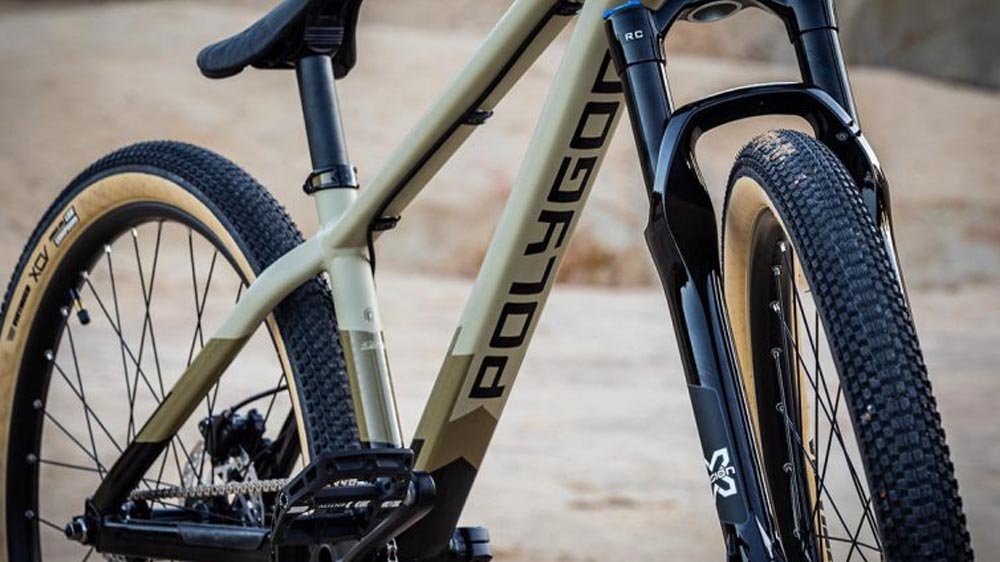
The front fork is a key part of the suspension. It controls how the front wheel moves and absorbs shocks. There are different types of front forks for dirt jump bikes.
- Rigid Forks:No suspension, very light, best for smooth tracks.
- Coil Spring Forks:Use metal springs, offer good support and durability.
- Air Suspension Forks:Use air pressure, easy to adjust stiffness and travel.
- Inverted Forks:Strong and stiff, often used in professional dirt jump bikes.
Rear Suspension Options
Rear suspension adds comfort and control by absorbing shocks from the back wheel. Dirt jump bikes use different setups based on rider style and terrain.
| Type | Description | Pros | Cons |
|---|---|---|---|
| Hardtail | No rear suspension, solid frame | Lightweight, less maintenance | Less shock absorption |
| Full Suspension | Rear shock absorber included | Better control and comfort | Heavier and more complex |
Adjusting Suspension Settings
Adjusting suspension settings improves bike performance. You can change firmness, travel length, and rebound speed.
- Set Sag:Adjust the preload so the suspension compresses about 20-30% under your weight.
- Adjust Rebound:Control how fast the suspension returns after a bump.
- Change Compression:Control how much force is needed to compress the suspension.
- Test and Fine-Tune:Ride and adjust settings for comfort and control.
Wheels And Tires
Wheels and tires are key parts of a dirt jump bike. They affect how the bike rides and handles jumps. Choosing the right wheels and tires helps you ride safely and confidently.
This guide explains important features of wheels and tires for dirt jumping. You will learn about sizes, tire types, and the difference between tubeless and tubed tires.
Wheel Sizes
Dirt jump bikes usually use two main wheel sizes: 26 inches and 24 inches. The size changes how the bike feels and performs on jumps and landings.
- 26-inch wheelsare common and offer good speed and roll-over ability.
- 24-inch wheelsare smaller and lighter, making the bike easier to control in the air.
- Some riders use 27.5-inch wheels for a mix of control and smooth ride.
Choose wheel size based on your riding style and bike frame size. Smaller wheels help with tricks, while larger wheels help with fast landings.
Tire Types And Tread
Tires come in different types and treads to match dirt jump conditions. The tread pattern affects grip and how the bike moves on dirt and rough surfaces.
| Tire Type | Description | Best Use |
|---|---|---|
| Slick | Smooth tread with little grip | Hard-packed dirt and smooth tracks |
| Knobby | Large knobs for better grip | Loose dirt and rough trails |
| Semi-slick | Mixed tread for grip and speed | Varied dirt conditions |
Pick tires that fit your jump terrain. Knobby tires give more control on loose dirt. Slick tires roll faster on smooth surfaces.
Tubeless Vs Tubed Tires
There are two main tire setups: tubed and tubeless. Each has pros and cons for dirt jumping.
- Tubed tiresuse an inner tube to hold air. They are easy to fix and common on many bikes.
- Tubeless tiresdo not use tubes. They seal directly to the rim and can run lower air pressure for better grip.
Tubeless tires reduce the chance of pinch flats. Tubed tires are simpler to repair after a puncture. Choose based on your comfort and riding needs.
Drivetrain Essentials
The drivetrain moves power from your legs to the bike’s wheels. Dirt jump bikes need strong, simple parts for quick, smooth rides.
Good drivetrain parts help you pedal fast and handle jumps well. Learn about cranksets, chains, and shifting parts here.
Cranksets And Chainrings
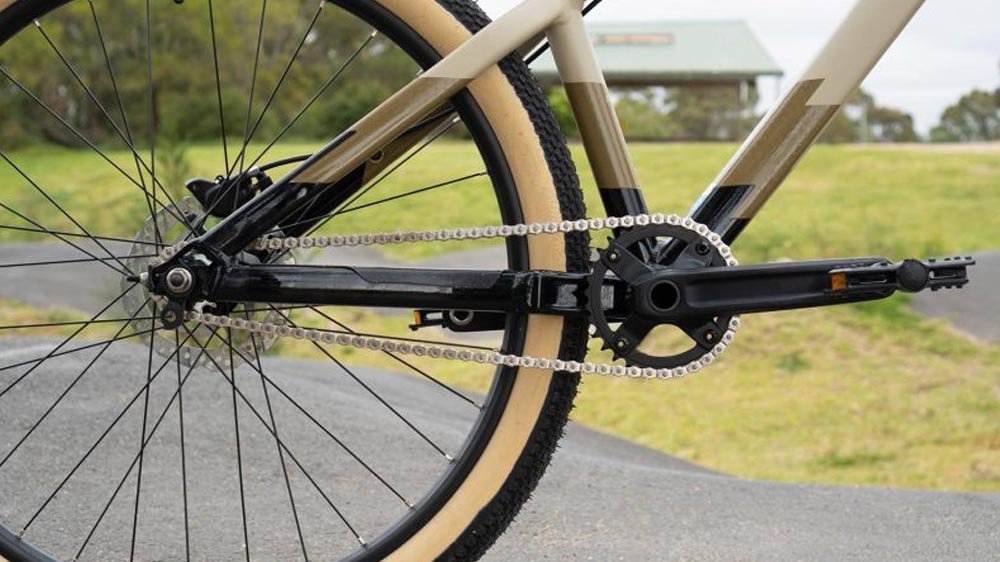
Cranksets connect your pedals to the bike. Chainrings are the toothed rings on the crankset that move the chain. Dirt jump bikes often use one chainring to keep things simple and strong.
- One chainring reduces weight and maintenance
- Strong materials like aluminum handle rough landings
- Smaller chainrings help with quick acceleration
- Crank arms come in different lengths for rider comfort
Chains And Cassettes
The chain links the crankset to the cassette on the rear wheel. Cassettes have multiple gears, but dirt jump bikes often use fewer gears for durability.
| Component | Purpose | Typical Feature |
| Chain | Transfers pedal power | Thicker for strength |
| Cassette | Holds rear gears | Single or few sprockets |
| Gear Range | Speed options | Narrow for dirt jump |
Derailleurs And Shifters
Derailleurs move the chain between gears. Shifters control the derailleurs. Dirt jump bikes may skip these parts to keep the bike light and simple.
- Some bikes use single-speed setups with no derailleurs
- Shifters are usually thumb or trigger style
- Fewer gears mean less chance of mechanical issues
- Derailleurs need protection during jumps and crashes
Braking Systems
Braking systems are very important for dirt jump bikes. They help you stop quickly and safely. Good brakes give you control during jumps and landings.
There are different types of brakes used on dirt jump bikes. Each type has its own features and benefits. Understanding these parts helps you choose the right brake system.
Hydraulic Disc Brakes
Hydraulic disc brakes use fluid to transfer force from the lever to the brake pads. This makes braking smooth and strong. They work well in wet and muddy conditions.
These brakes need less hand effort. They also provide better modulation, so you can control your speed easily. Maintenance is a bit more complex because of the hydraulic system.
Mechanical Disc Brakes
Mechanical disc brakes use cables to move the brake pads. They are simpler and easier to fix than hydraulic brakes. This makes them popular for beginner riders.
They may require more hand force to stop the bike. Mechanical brakes can be less powerful in tough conditions like mud or rain. Adjusting the cable tension is important for good performance.
Brake Pads And Rotors
Brake pads press against rotors to stop the bike. Pads come in different materials like organic or metallic. Each type affects stopping power and pad life.
Rotors are the round discs attached to the wheels. Their size affects braking strength and heat dissipation. Larger rotors give more stopping power but add weight.
- Organic pads: quieter, softer, wear faster
- Metallic pads: stronger, last longer, noisier
- Small rotors: lighter, less stopping power
- Large rotors: stronger brakes, more weight

Credit: rinascltabike.com
Handlebars And Controls
Dirt jump bikes need strong handlebars and controls. They help riders steer and stay balanced.
This guide explains important parts like handlebar types, grips, bar ends, brake levers, and shifters.
Handlebar Types
Handlebars come in different shapes and sizes. The right type gives better control and comfort.
Flat bars are simple and wide for stability. Riser bars rise up for a more upright position.
- Flat Bars:Straight and wide, good for speed and control.
- Riser Bars:Curve upward, help with balance and posture.
- Bullhorn Bars:Curve forward, less common but good for tricks.
Grips And Bar Ends
Grips cover the handlebars to give a firm hold. They reduce slipping and absorb shocks.
Bar ends protect hands and handlebars from damage. They also help with control in rough rides.
- Rubber Grips:Soft and comfortable, common for dirt jump bikes.
- Lock-On Grips:Secure tightly to avoid spinning.
- Bar Ends:Made of metal or plastic, protect and add grip area.
Brake Levers And Shifters
Brake levers control the brakes and must be easy to reach. Good levers help stop safely.
Shifters change gears. Some dirt jump bikes have simple setups with one gear or no shifters.
- Brake Levers:Usually made of aluminum for strength and light weight.
- Hydraulic Brakes:Offer smooth and strong stopping power.
- Mechanical Brakes:Easier to maintain but less smooth.
- Shifters:Often trigger or twist types for quick gear changes.
Seats And Posts
Dirt jump bikes need strong and comfy seats. Riders spend a lot of time in the air and on rough landings.
Choosing the right seat and post helps with control and comfort during jumps.
Saddle Choices
Dirt jump saddles are smaller and tougher than regular bike seats. They focus on durability, not long rides.
Many riders pick slim saddles with extra padding. This helps absorb shock from landings.
- Compact design for easy movement
- Thick padding to protect hips
- Strong cover materials to resist wear
- Flat or slightly curved shape for better balance
Seatpost Types
Seatposts connect the saddle to the bike frame. Dirt jump riders need posts that stay firm during tricks.
Steel or aluminum posts are common. They offer good strength and resist bending or breaking.
- Steel posts are strong but heavier
- Aluminum posts are lighter but still tough
- Shorter posts give better control and clearance
- Thicker posts add durability for hard landings
Dropper Posts
Dropper posts let riders lower the seat quickly. This helps during jumps and fast moves.
They use a lever or remote to slide the seat down or up. This improves bike handling on rough terrain.
- Lower seat helps with bike control in the air
- Raises seat for pedaling after the jump
- Common in mountain biking, less in dirt jumping
- Heavier and more complex than fixed posts
Pedals And Footwear
Dirt jump biking needs the right pedals and shoes. These parts keep you safe and help you control the bike.
Choosing the right pedals and footwear improves your jumps and landings. Let’s look at the main options.
Platform Pedals
Platform pedals are flat and wide. They give your feet space to move and grip the pedal surface.
These pedals work well with many shoe types. They let you put your foot down fast when you land.
- Good grip with pins or textured surface
- Easy to use with any shoes
- Allow quick foot release after jumps
Clipless Pedals
Clipless pedals attach your shoes to the pedals. They use a cleat on the shoe that clicks in place.
This connection gives better control during tricks. You stay connected but can still release your feet quickly.
- Improves pedal power and control
- Requires special shoes with cleats
- Can be tricky to get used to
Shoe Compatibility
Shoes must match your pedal type. Platform pedals work with flat-soled shoes.
Clipless pedals need shoes made for cleats. These shoes have stiff soles for better power transfer.
- Flat shoes: use with platform pedals
- Clipless shoes: have cleats on the sole
- Choose shoes with good grip and support
Protection And Accessories
Dirt jump biking is fun but tough on your bike. Good protection parts help keep your bike safe. Accessories also make riding easier and safer.
This guide explains some key protection parts and tools for dirt jump bikes. Learn about chain guards, frame protection, and maintenance tools.
Chain Guards And Bash Guards
Chain guards stop your chain from falling off during jumps. Bash guards protect the chainring from rocks and crashes. Both parts help your bike last longer.
- Prevent chain drops
- Shield chainring from impact
- Reduce bike damage in rough landings
- Make maintenance easier by keeping parts clean
Frame Protection
Frame protection keeps your bike’s frame safe from scratches and dents. It also stops damage from rocks and crashes. You can add tape, guards, or covers to protect key parts.
| Protection Type | Purpose | Common Material |
| Frame Tape | Protects against scratches | Clear Vinyl |
| Frame Guards | Shields frame from impacts | Plastic or Rubber |
| Bumper Covers | Covers vulnerable areas | Foam or Silicone |
Bike Maintenance Tools
Keeping your bike in shape needs the right tools. They help you fix small problems fast and keep your bike ready for jumps.
- Chain lubricant to reduce wear
- Multi-tool with Allen keys and screwdrivers
- Tire pump for correct pressure
- Cleaning brushes to remove dirt
- Spare tubes for quick tire fixes
Credit: www.polygonbikes.com
Credit: www.polygonbikes.com
Frequently Asked Questions
What Are Essential Dirt Jump Bike Parts?
Essential parts include a strong frame, front suspension fork, wide handlebars, single-speed drivetrain, and durable wheels. These components ensure stability, control, and durability for dirt jumping.
How Does Suspension Affect Dirt Jump Bikes?
Suspension absorbs shock from landings, improving comfort and control. Most dirt jump bikes use a rigid frame with a front suspension fork for optimal performance.
Why Are Wide Handlebars Important For Dirt Jumping?
Wide handlebars offer better leverage and control during jumps and tricks. They help riders maintain balance and steer precisely on dirt tracks.
What Type Of Tires Work Best For Dirt Jumping?
Knobby tires with firm sidewalls provide grip and stability on dirt surfaces. They also resist punctures and handle rough terrain well.
Conclusion
Dirt jump bike parts shape your riding experience. Choosing the right parts helps you jump higher and ride safer. Focus on strong frames, good suspension, and reliable brakes. Tires and wheels also affect your control and speed. Regularly check and maintain your bike parts.
A well-kept bike lasts longer and performs better. Enjoy every jump with confidence and skill. Keep learning and upgrading your bike step by step. Dirt jumping is fun and rewarding with the right setup.



