
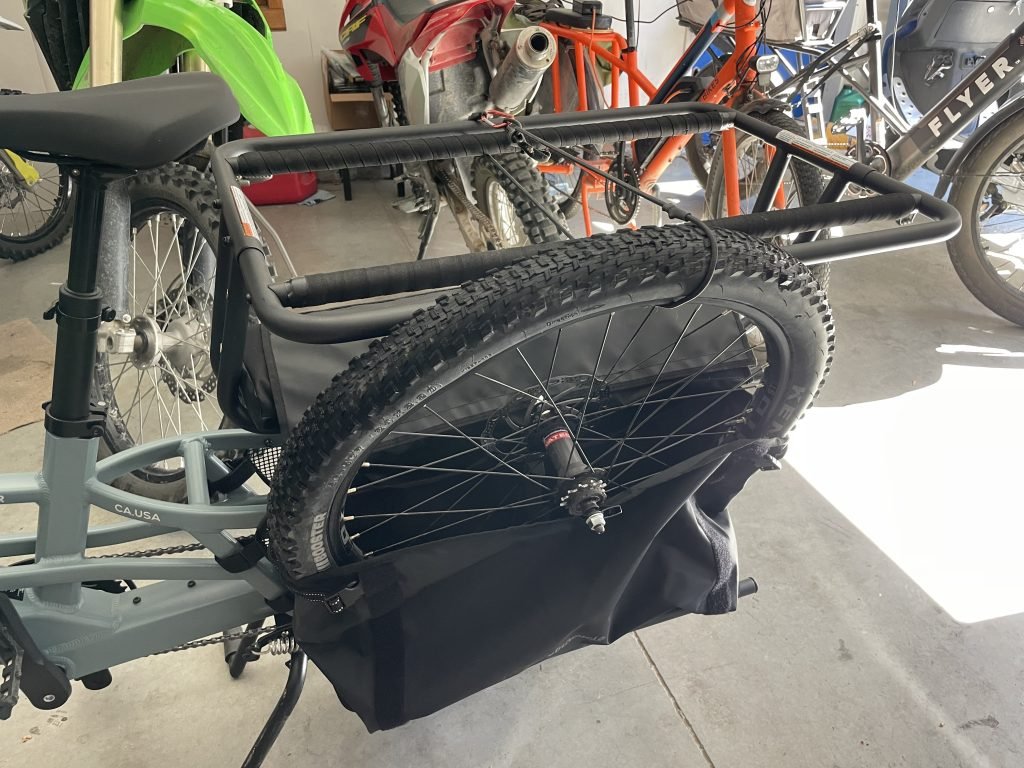
Transporting your dirt jump bike can be tricky if you don’t know the right steps. You want to keep your bike safe, avoid damage, and make the whole process smooth and stress-free.
Whether you’re heading to a new trail, a competition, or just a weekend ride, getting your bike there in perfect shape is key. In this guide, you’ll discover simple tips and smart tricks to transport your dirt jump bike like a pro.
Keep reading, and you’ll learn how to protect your bike and enjoy every ride without the hassle.
Choosing The Right Transport Method
Transporting a dirt jump bike needs care. The right method keeps your bike safe and easy to move.
Think about your travel needs and vehicle type. This helps you pick the best way to carry your bike.
Car Racks Vs. Truck Beds
Car racks hold your dirt jump bike outside your car. They fit on the roof or back of your vehicle.
Truck beds offer a flat space to lay your bike down. This keeps your bike inside the truck and protected.
- Car racks save space inside your vehicle
- Truck beds protect your bike from wind and dirt
- Car racks can be easier to load for one bike
- Truck beds need tie-down straps to keep the bike steady
Using Bike Trailers
Bike trailers attach to your car or bike and carry one or more dirt jump bikes. They keep bikes secure during travel.
Trailers work well for long trips or when you carry several bikes. They also protect bikes from weather and road damage.
- Easy to load and unload multiple bikes
- Good for longer trips or rough roads
- Extra storage space for gear and tools
- Need space to park and attach the trailer
Public Transport Considerations
Using buses or trains to move your dirt jump bike needs planning. Rules about bikes vary by city and service.
Some public transport allows bikes during certain hours. Others require bike bags or covers to protect the bike and passengers.
- Check local rules before bringing your bike
- Use a bike bag to avoid damage or dirt
- Plan trips outside busy hours for space
- Fold or disassemble parts if needed

Credit: www.youtube.com
Preparing Your Dirt Jump Bike
Transporting your dirt jump bike safely starts with good preparation. Taking time to get your bike ready protects it from damage. You can avoid costly repairs by following a few simple steps.
Focus on cleaning your bike, protecting sensitive parts, and removing loose accessories. These tasks make your bike secure and ready for travel.
Cleaning Before Transport
Start by cleaning your bike. Dirt and mud can cause damage during transport. A clean bike also helps you spot any issues before the trip.
- Use a soft brush to remove loose dirt and mud.
- Rinse the bike with water, avoiding high pressure near bearings.
- Dry the bike with a clean cloth to prevent rust.
- Check for any stuck debris in the chain or gears.
Protecting Sensitive Parts
Covering sensitive parts prevents scratches and damage. Focus on the frame, suspension, and drivetrain. Use padding materials for extra safety.
| Part | Protection Method |
| Frame | Wrap with foam or bubble wrap |
| Suspension Fork | Use fork protectors or soft cloth |
| Drivetrain | Cover chain and gears with plastic wrap |
| Handlebars | Secure with padding or soft straps |
Removing Accessories
Remove loose accessories to avoid loss or damage. Small parts can break or fall off during transport. Keep them safe in a box or bag.
- Take off water bottle cages
- Remove bike lights and mounts
- Detach any GPS devices or phone holders
- Take off pedals if possible to save space
- Store all accessories securely for reattachment
Securing The Bike Safely
Transporting a dirt jump bike needs careful handling to keep it safe. Proper securing prevents damage during travel.
Using the right tools and methods helps protect your bike’s frame and parts from scratches and breaks.
Using Straps And Tie-downs
Straps and tie-downs hold the bike firmly in place. Use soft straps that won’t scratch the paint or frame.
- Attach straps to solid bike parts like the frame or wheels.
- Do not tighten straps too much to avoid bending the frame.
- Use multiple straps to keep the bike steady from all sides.
- Check straps during travel to make sure they stay tight.
Padding And Frame Protection
Use padding to shield the bike frame from impacts and scratches. Foam or cloth works well for this.
| Bike Part | Recommended Padding |
|---|---|
| Top Tube | Foam Wrap or Bubble Wrap |
| Handlebars | Soft Cloth or Foam Padding |
| Forks | Foam Sleeves or Towels |
| Wheels | Bubble Wrap or Old Towels |
Avoiding Common Transport Damage
Damage can happen if the bike moves or hits hard surfaces. Avoid these common issues by following simple tips.
- Do not rest the bike against rough or sharp surfaces.
- Keep the bike dry to prevent rust and corrosion.
- Remove or secure loose parts like pedals or accessories.
- Inspect the bike after transport for any new damage.

Credit: alpkit.com
Tips For Long-distance Transport
Transporting a dirt jump bike over a long distance needs careful planning. You want to keep your bike safe and ready to ride.
These tips help you prepare your bike and make the trip smooth and trouble-free.
Packing Extra Tools And Supplies
Bring extra tools and supplies for any repairs during the trip. A small kit keeps you ready for unexpected issues.
Include basic tools that fit your bike and common fixes you might need on the road.
- Multi-tool with Allen keys and screwdrivers
- Spare tubes and tire levers
- Mini pump or CO2 inflator
- Chain lubricant and cleaning cloth
- Patches and glue for tire repair
Checking Tire Pressure
Check tire pressure before the trip to avoid flats or damage. Correct pressure keeps the tires firm and safe.
Look at the recommended PSI on your tire sidewall. Adjust it for the type of ride and road conditions.
- Use a reliable pressure gauge
- Inflate tires to the recommended PSI
- Check pressure again after long stops
- Carry a pump to fix pressure on the go
Planning Rest Stops
Plan rest stops to inspect your bike and stretch your legs. Short breaks help keep you and your bike in good shape.
Use stops to check tires, brakes, and other parts. It helps catch issues before they become bigger problems.
- Choose safe, accessible rest areas
- Inspect bike parts at each stop
- Refuel yourself with water and snacks
- Keep rest stops regular for safety
Legal And Safety Considerations
Transporting a dirt jump bike requires attention to laws and safety. Proper care protects you and others.
Knowing the rules helps avoid fines and accidents. Follow these guidelines for safe transport.
Transport Regulations
Different places have rules for carrying bikes on vehicles. Check local laws before you travel.
- Secure the bike firmly to avoid movement.
- Use approved racks or carriers.
- Keep the bike within legal width limits.
- Do not block license plates or lights.
- Follow speed limits with loaded bikes.
Visibility And Lighting
Make sure your bike and rack do not hide your vehicle’s lights or signals. Visibility is key for safety.
| Visibility Tip | Why It Matters |
| Use reflective tape on bike frame | Improves night visibility |
| Attach rear lights to bike rack | Keeps signals visible to others |
| Check for obstructions before driving | Prevents hidden brake lights |
Insurance For Your Bike
Insurance can protect your bike during transport. Check if your policy covers theft or damage.
- Ask your insurer about coverage for bikes on vehicles.
- Consider adding a rider for valuable bikes.
- Keep receipts and photos for proof of ownership.
- Report any damage or loss quickly to your insurer.
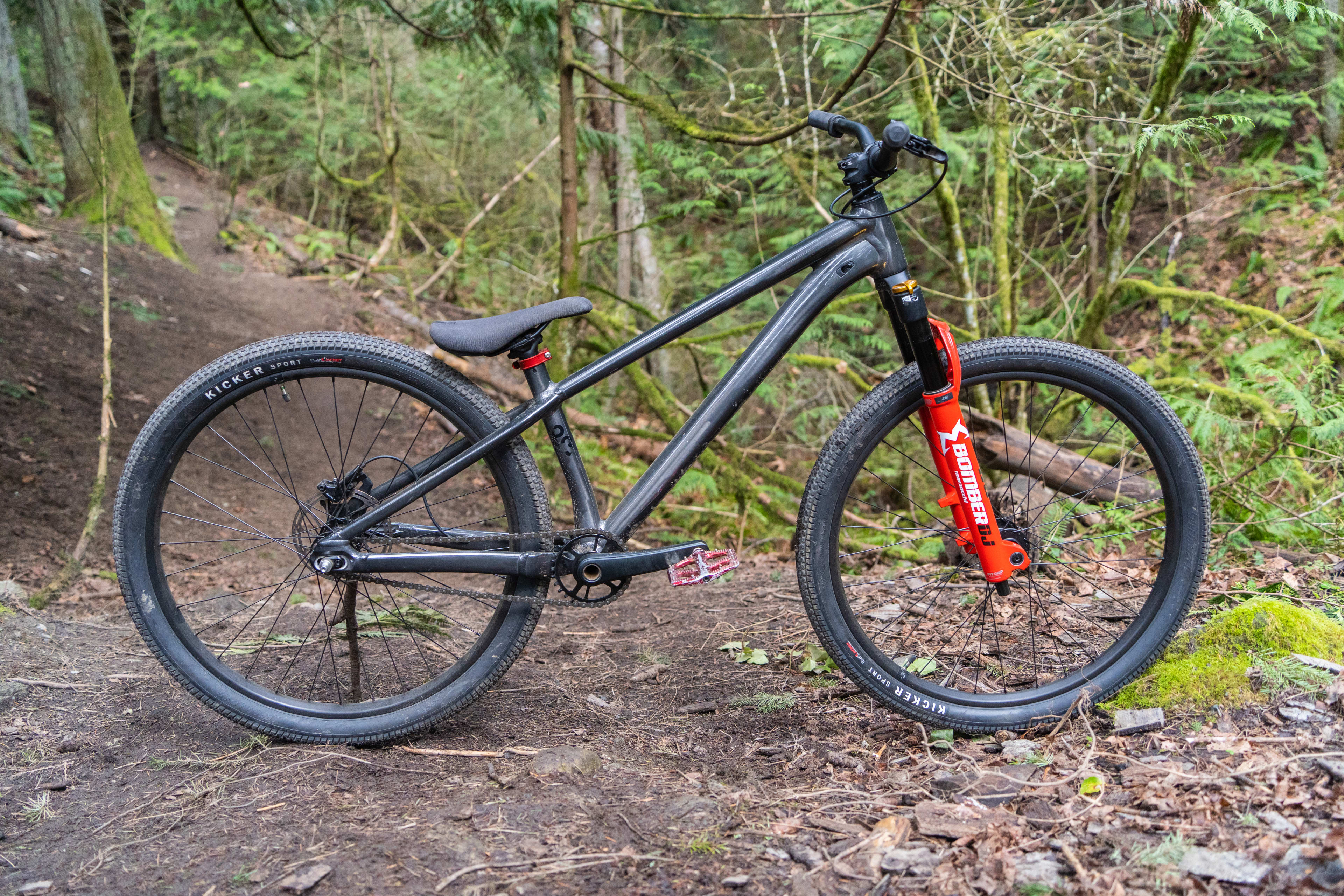
Credit: www.bikemag.com
Frequently Asked Questions
How Do I Prepare A Dirt Jump Bike For Transport?
Clean your bike thoroughly and check for loose parts. Remove or secure pedals and handlebars. Deflate tires slightly to avoid pressure changes. Use a bike bag or padded case for protection during transport.
What Is The Best Vehicle For Transporting A Dirt Jump Bike?
A car with a bike rack or a pickup truck works best. Ensure the rack fits your bike’s frame securely. Inside a spacious vehicle, use padded stands or boxes to prevent damage.
Should I Disassemble My Dirt Jump Bike For Transport?
Partial disassembly is recommended for long trips. Remove the front wheel and pedals to save space. Secure loose parts carefully. This reduces damage risk and makes packing easier.
How Can I Protect My Dirt Jump Bike During Transport?
Use foam padding, bubble wrap, or bike-specific covers. Secure the bike tightly to prevent movement. Avoid stacking heavy items on the bike. Check straps and padding frequently during stops.
Conclusion
Transporting a dirt jump bike can be simple with the right steps. Choose a secure method to keep the bike safe. Protect the frame and parts from scratches and damage. Plan your route and timing to avoid stress. A well-prepared trip helps you enjoy riding more.
Keep tools handy for quick fixes on the way. Follow these tips to move your bike with ease. Ready to hit the trails without worries?



