
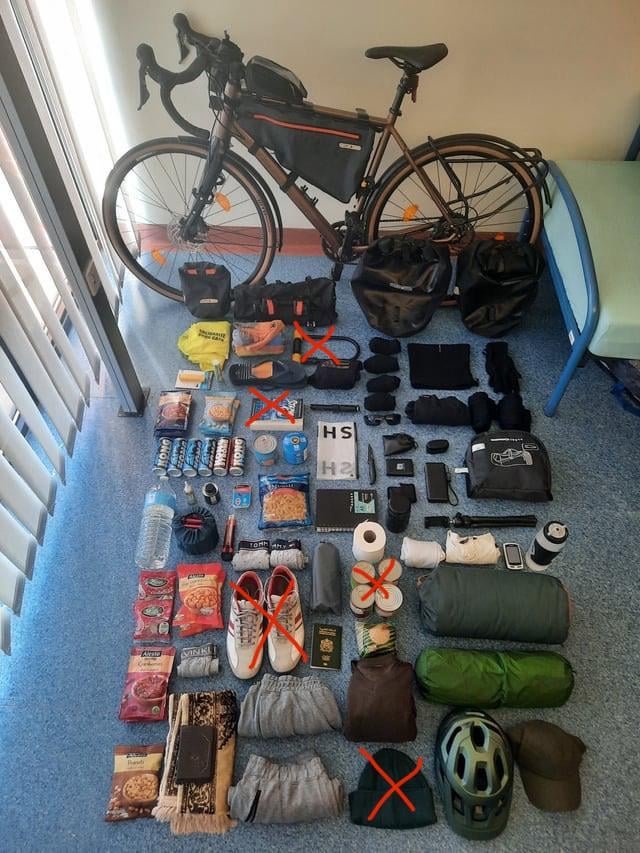
When you’re planning a cold bikepacking trip, staying warm isn’t just about comfort—it’s about safety. Choosing the right insulated gear can make the difference between an unforgettable adventure and a tough, uncomfortable ride.
But with so many options out there, how do you pick the gear that truly works for your needs? You’ll discover simple, effective tips to help you select insulated gear that keeps you warm, light, and ready to tackle the cold.
Keep reading, because your next trip depends on making the right choices now.
Cold Weather Challenges
Bikepacking in cold weather requires special gear and preparation. The cold affects your body and cycling performance.
Understanding these challenges helps you choose the right insulated gear. This keeps you safe and comfortable on your trip.
Impact Of Cold On Cycling
Cold weather changes how your body works during cycling. Your muscles get stiff and your energy drops faster.
- Reduced muscle function makes pedaling harder.
- Lower body temperature can cause numbness in fingers and toes.
- Cold air can dry out your lungs and throat.
- Energy burns faster to keep warm, causing fatigue.
- Wet conditions increase heat loss and discomfort.
Common Cold Weather Risks
Cold weather brings risks that can harm your health and safety. Knowing these risks helps you prepare better.
| Risk | Effect | Precaution |
| Hypothermia | Body loses heat fast | Wear insulated layers |
| Frostbite | Skin freezes on extremities | Protect fingers, toes, and face |
| Dehydration | Less thirst leads to low fluids | Drink water regularly |
| Slippery roads | More chance of falls | Use tires with good grip |
| Reduced visibility | Hard to see and be seen | Use lights and bright clothing |
Key Insulation Types
Choosing the right insulated gear helps you stay warm on cold bikepacking trips. Insulation keeps your body heat close and blocks cold air.
There are different types of insulation materials. Each has benefits and fits different needs on the trail.
Synthetic Vs Natural Materials
Synthetic insulation is made from man-made fibers. It works well when wet and dries fast. It is also lighter and often cheaper.
Natural insulation comes from animal fibers like down. It is very warm and compresses small. It loses warmth when wet and takes longer to dry.
- Synthetic:Dries quickly, good for wet conditions
- Synthetic:Usually less expensive
- Natural:Very warm and lightweight
- Natural:Compresses well for packing
- Natural:Needs to stay dry for best warmth
Layering Strategies
Layering helps you adjust your warmth during your trip. You can add or remove layers based on temperature and activity level.
Start with a base layer that wicks moisture. Add an insulating middle layer for warmth. Use an outer layer to block wind and rain.
- Base layer:Thin, moisture-wicking fabric
- Middle layer:Insulating jacket or fleece
- Outer layer:Windproof and waterproof shell
- Adjust layers to avoid sweating or getting cold
Choosing The Right Jacket
Picking the right jacket is key for cold bikepacking trips. It keeps you warm and comfortable.
A good jacket protects you from cold weather and wind during your ride.
Insulation Thickness
The thickness of insulation decides how warm your jacket is. Thicker insulation means more heat.
Choose insulation that fits the cold you expect. Too thick can cause sweating, too thin leaves you cold.
- Light insulation for mild cold
- Medium insulation for cold weather
- Heavy insulation for very cold conditions
Breathability And Waterproofing
A breathable jacket lets sweat escape. This stops you from getting wet inside.
Waterproofing keeps rain and snow out. It helps keep you dry during wet rides.
- Look for jackets with breathable fabrics
- Choose waterproof materials for wet conditions
- Good jackets balance breathability and waterproofing
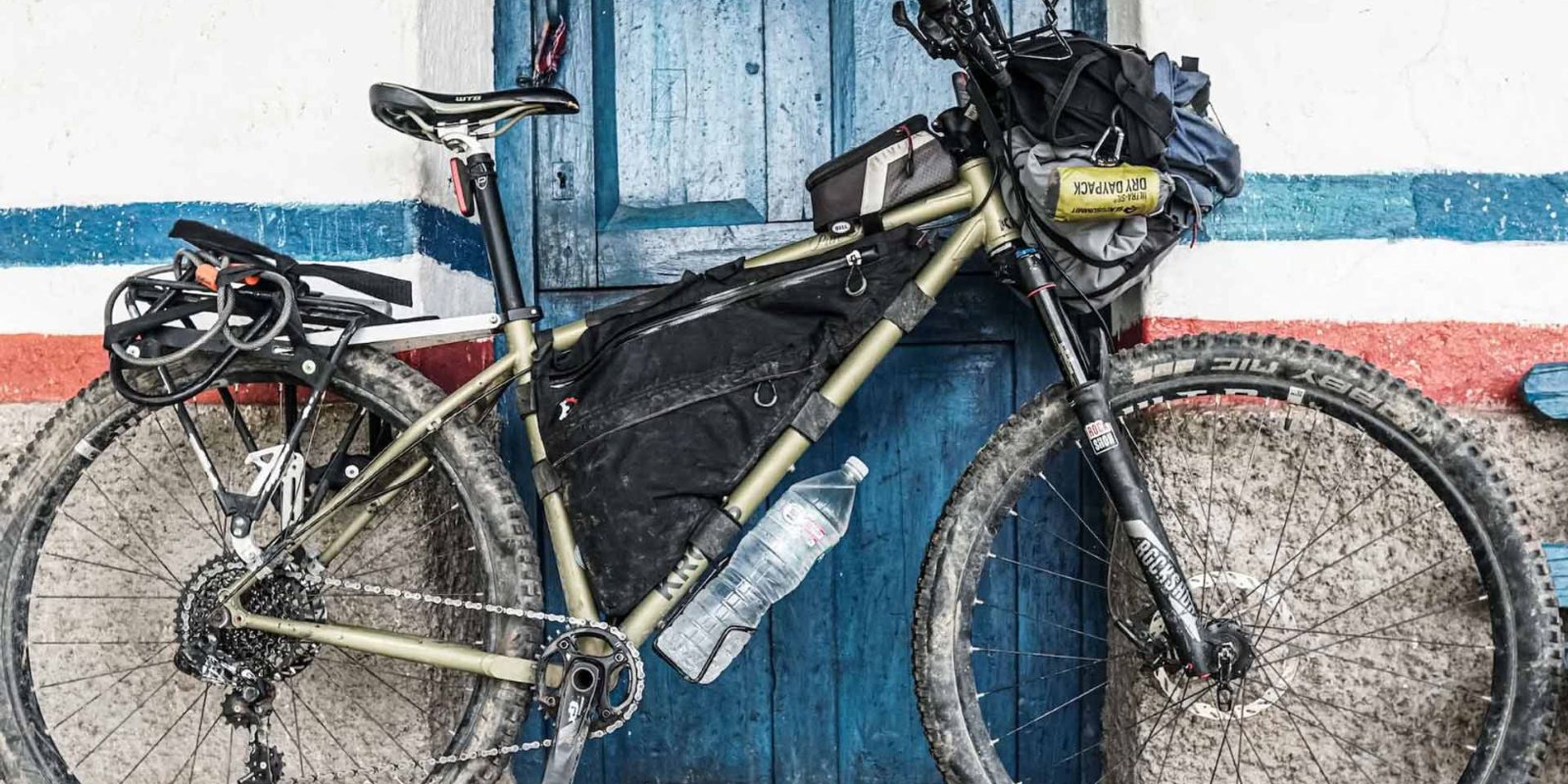
Credit: www.calltoadventure.uk
Selecting Pants And Base Layers
Choosing the right insulated gear is key for cold bikepacking trips. Pants and base layers keep you warm and dry.
Good choices help keep your body heat without making you sweat. This keeps you comfortable during long rides.
Material Options
Materials affect warmth, breathability, and moisture control. Wool and synthetic fabrics are popular choices.
Wool keeps heat even when wet. Synthetics dry fast and wick sweat away from your skin.
- Merino wool: warm, soft, and odor-resistant
- Polyester: light, quick-drying, and breathable
- Nylon: strong and abrasion-resistant
- Fleece: good for extra insulation
Fit And Mobility
Pants and base layers must allow easy movement. Tight gear can stop blood flow and cause cold spots.
Look for stretchy fabrics and designs that follow your body shape. This keeps you comfortable on the bike.
- Choose slim but not tight fit
- Check for stretch panels or elastic waistbands
- Avoid bulky or stiff materials
- Test gear by moving in it before your trip
Gloves And Footwear Essentials
Choosing the right insulated gear keeps you warm on cold bikepacking trips. Gloves and footwear protect your hands and feet from harsh weather.
Good gear helps you stay comfortable and safe during long rides in freezing conditions.
Thermal Gloves Features
Thermal gloves need to keep your fingers warm and dry. Look for materials that block wind and water.
- Insulation: Choose gloves with synthetic or down insulation for warmth.
- Waterproofing: Gloves with a waterproof layer prevent moisture inside.
- Breathability: Good gloves let sweat escape to keep hands dry.
- Grip: Look for textured palms for better handlebar control.
- Fit: Gloves should be snug but allow finger movement.
- Durability: Reinforced areas help gloves last on rough trails.
Insulated Boot Options
Boots keep your feet warm and dry in cold weather. Different insulation types suit various temperatures.
| Boot Type | Insulation | Best Use | Weight |
|---|---|---|---|
| Thinsulate Boots | Thinsulate synthetic | Light cold, dry rides | Lightweight |
| Down Insulated Boots | Down feathers | Very cold, dry conditions | Medium |
| Waterproof Insulated Boots | Synthetic + waterproof membrane | Wet and cold weather | Heavy |
| Hybrid Boots | Combination synthetic and down | Variable cold and moisture | Medium |

Credit: www.reddit.com
Helmet And Head Protection
Keeping your head warm is key on cold bikepacking trips. Proper insulation protects you from cold winds and low temperatures.
Choosing the right gear for your helmet helps maintain warmth and comfort throughout your ride.
Insulated Helmet Liners
Insulated helmet liners fit under your helmet to keep your head warm. They add a layer of protection without making your helmet tight.
Look for liners made from materials like fleece or wool. These fabrics trap heat and wick away sweat to keep you dry.
- Choose liners that fit snugly but comfortably under your helmet
- Pick moisture-wicking fabrics to avoid dampness
- Opt for thin liners to maintain helmet safety and fit
Balaclavas And Neck Gaiters
Balaclavas cover your head, face, and neck for full protection against cold air. They fit well under helmets and block wind.
Neck gaiters protect your neck and lower face. They are easy to pull up or down as needed during your trip.
- Pick balaclavas made from soft, breathable materials
- Choose neck gaiters that stretch and fit snugly
- Use these items to protect exposed skin from frostbite and windburn
Packing And Weight Considerations
Packing insulated gear for cold bikepacking trips requires careful thought. You need to stay warm without carrying too much weight.
Choosing the right gear helps you balance comfort, space, and the effort needed to pedal through cold weather.
Balancing Warmth And Weight
Warmth is important, but heavy gear can slow you down. Look for insulation that keeps heat but stays light.
- Pick materials with high warmth-to-weight ratio like down or synthetic fibers.
- Wear layers you can add or remove depending on the temperature.
- Avoid bulky items that take up too much space in your bags.
- Test your gear’s warmth in cold conditions before your trip.
Compressibility Of Gear
Compressible gear saves space and reduces pack volume. This helps keep your bike balanced and your load manageable.
| Gear Type | Compressibility | Weight |
| Down Jacket | High | Light |
| Synthetic Insulated Jacket | Medium | Medium |
| Thick Wool Sweater | Low | Heavy |
| Fleece Layer | Medium | Light |
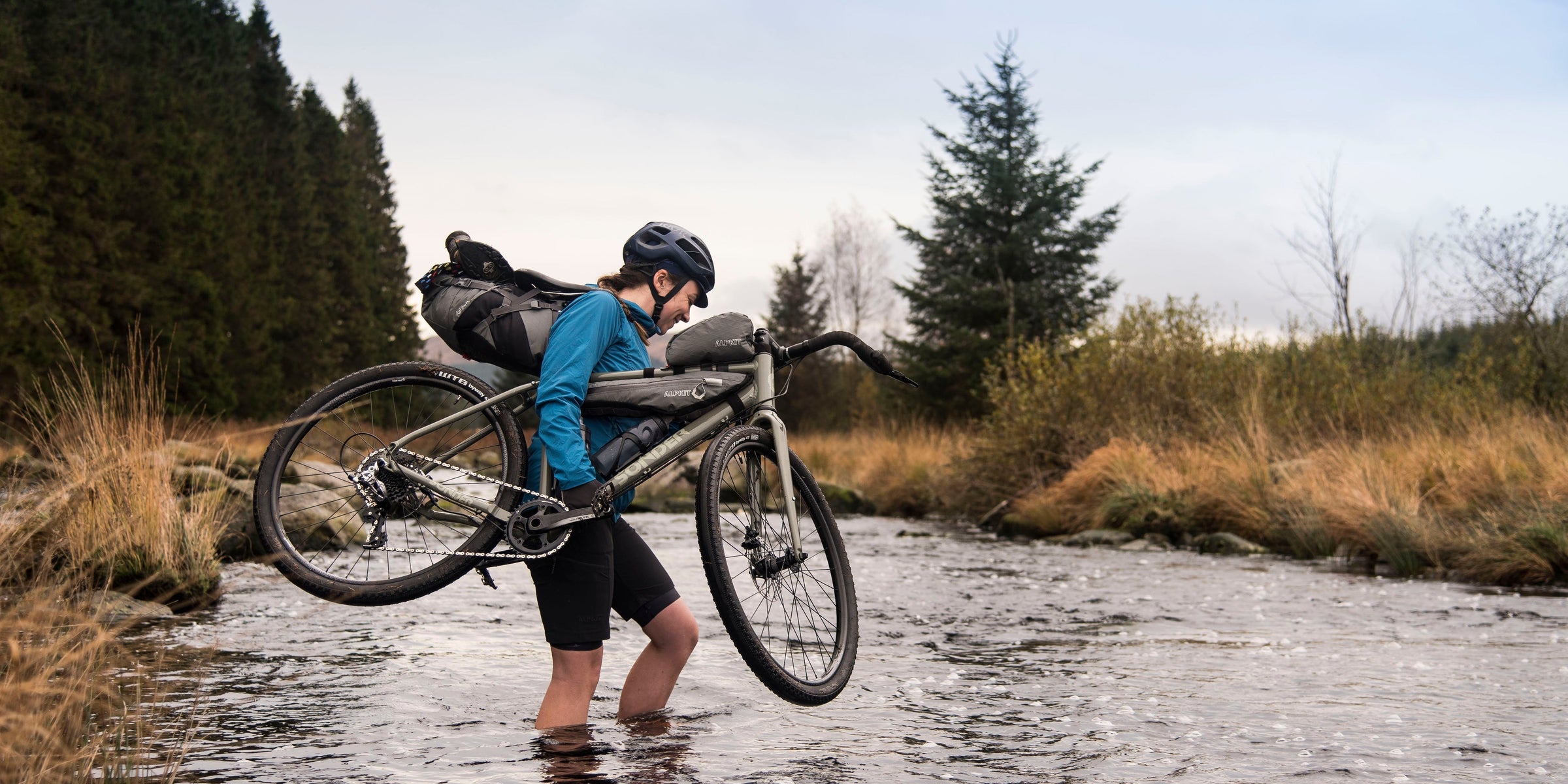
Credit: us.alpkit.com
Maintenance And Care Tips
Keeping your insulated gear clean and stored properly helps it last longer. Good care keeps the insulation working well on cold bikepacking trips.
Follow simple steps to clean and store your gear. This protects the materials and keeps you warm on your rides.
Cleaning Insulated Gear
Wash insulated gear gently to keep its warmth. Avoid harsh detergents and high heat, which can damage the insulation.
- Use cold water and mild soap or special cleaner made for insulated gear.
- Hand wash or use the gentle cycle in your washing machine.
- Do not use bleach or fabric softeners.
- Rinse thoroughly to remove all soap.
- Air dry flat or hang in a shaded area, away from direct sunlight.
- Do not tumble dry unless the label says it is safe.
Storage Recommendations
Store insulated gear in a way that keeps its shape and dryness. Avoid tight packing that crushes the insulation.
| Storage Tip | Reason |
| Store in a cool, dry place | Prevents mold and material damage |
| Use a large breathable bag or hang loosely | Keeps insulation loft and shape |
| Avoid plastic bags or compression sacks for long term | Traps moisture and crushes insulation |
| Check gear regularly for dampness or smells | Allows early cleaning and drying |
Frequently Asked Questions
What Is Insulated Gear For Cold Bikepacking Trips?
Insulated gear keeps you warm by trapping body heat in cold conditions. It includes jackets, gloves, and sleeping bags designed for low temperatures. Proper insulation prevents hypothermia and improves comfort during cold bikepacking adventures.
How To Choose The Right Insulation Type?
Select insulation based on weight, warmth, and moisture resistance. Down insulation is lightweight and warm but less effective when wet. Synthetic insulation performs better in damp conditions and dries faster. Consider trip length and weather for the best choice.
Why Is Layering Important In Cold Bikepacking?
Layering allows you to adjust insulation based on temperature and activity. It helps regulate body heat and wick moisture away from skin. Combining base, mid, and outer layers ensures optimal comfort and protection during variable cold weather rides.
How Do I Maintain Insulated Gear During Trips?
Keep insulated gear dry and clean to maintain effectiveness. Avoid compressing down items for long periods. Store gear in breathable bags and air them out regularly. Proper care extends insulation life and keeps you warm on future trips.
Conclusion
Choosing the right insulated gear keeps you warm and safe on cold bike trips. Think about the weight, warmth, and pack size. Pick gear that fits your trip and weather conditions. Test your gear before the trip to avoid surprises.
Stay comfortable and enjoy your ride, no matter the cold. Good preparation makes all the difference. Stay warm, stay happy, and keep biking.



