
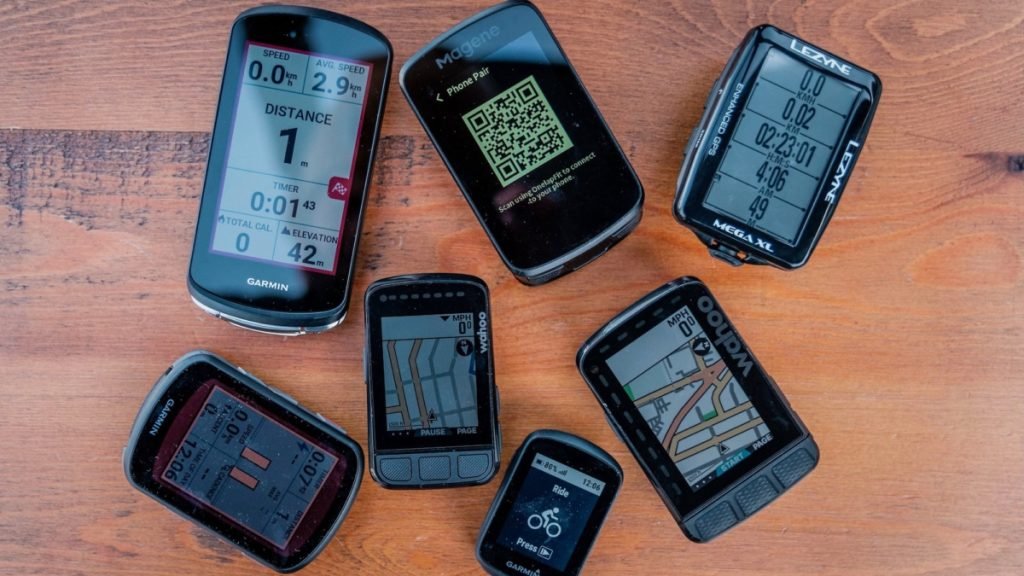
Choosing the right waterproof GPS device for your bikepacking adventures can make all the difference between a smooth ride and a frustrating one. You need a device that won’t quit when the weather turns or when you’re miles from help.
But with so many options out there, how do you know which one fits your needs best? This guide will help you cut through the noise and pick a GPS that keeps you on track, no matter the conditions. Keep reading, and you’ll discover exactly what to look for to make your next trip safer and more enjoyable.
Key Features Of Waterproof Gps Devices
Choosing the right waterproof GPS device is important for bikepacking trips. These devices help you navigate in wet and rough conditions.
Look for features that ensure the device works well in rain, mud, and long rides. This guide covers key features to consider.
Water Resistance Ratings
Water resistance ratings show how well the GPS device handles water. These ratings help you choose a device that works in wet weather.
Look for devices with at least an IPX7 rating. This means the device can survive being submerged in water for a short time.
- IPX5: Resists water splashes but not full immersion
- IPX6: Can handle powerful water jets
- IPX7: Safe for temporary submersion in water
- IPX8: Can be underwater longer than IPX7
Battery Life And Power Options
Long battery life is essential for bikepacking trips that last several days. Choose devices that can last many hours or days on a single charge.
Look for GPS devices with multiple power options. Some have rechargeable batteries and others can use replaceable batteries.
- Rechargeable batteries save money and waste
- Replaceable batteries are easy to carry as spares
- Some devices support solar charging
- Check how long the device lasts in GPS mode
Screen Visibility And Durability
The screen must be easy to read in bright sunlight and during night rides. Look for anti-glare and backlit screens.
The screen and device should resist scratches and impacts. A strong case and hardened glass help protect the GPS device.
- Matte screens reduce reflections
- Backlight helps in low light conditions
- Gorilla Glass or similar protects the screen
- Shockproof casing prevents damage from falls
Credit: www.gramm-tourpacking.com
Essential Gps Functions For Bikepacking
Choosing the right waterproof GPS device is key for bikepacking. It helps you find your way and stay safe on long rides.
Good GPS devices have features made for tough outdoor trips. They should work well in rain and rough conditions.
Navigation And Route Planning
Navigation is the core function of any GPS device. It guides you through trails and roads during your bikepacking trip.
Route planning lets you set your path before you start. Some devices allow you to create and save routes easily.
- Clear maps that show trails and roads
- Ability to load and save custom routes
- Turn-by-turn directions for easy guidance
- Offline map support for no signal areas
Tracking And Safety Features
Tracking features keep a record of your ride. They help you review your trip or share it with others.
Safety features alert others if you have an emergency. This can be very important in remote locations.
- Live tracking to share your location with friends
- Emergency SOS signal to call for help
- Automatic crash detection for quick alerts
- Battery life long enough for multi-day trips
Connectivity And Data Sync
Connectivity lets your GPS device connect with other gadgets or apps. This helps in syncing your data and updates.
Data sync is useful for saving your rides and updating maps. Some devices use Bluetooth or Wi-Fi to connect.
- Bluetooth to connect with phones and sensors
- Wi-Fi for faster map updates and data upload
- Compatibility with bikepacking apps and software
- Easy data transfer to keep your info safe
Factors Affecting Device Performance
Choosing the right waterproof GPS device for bikepacking depends on many factors. These affect how well the device works during your trips.
Understanding these factors helps you pick a device that lasts longer and stays accurate in different conditions.
Weather And Environmental Conditions
Weather can affect GPS device performance. Rain, fog, and extreme cold may reduce signal strength and battery life.
Devices must be waterproof to handle wet conditions. Dust and dirt also affect screen visibility and button function.
- Check for waterproof ratings like IPX7 or IPX8
- Choose devices with weather-resistant screens
- Look for GPS units with strong signal reception
- Consider battery life in cold and wet weather
Mounting And Accessibility
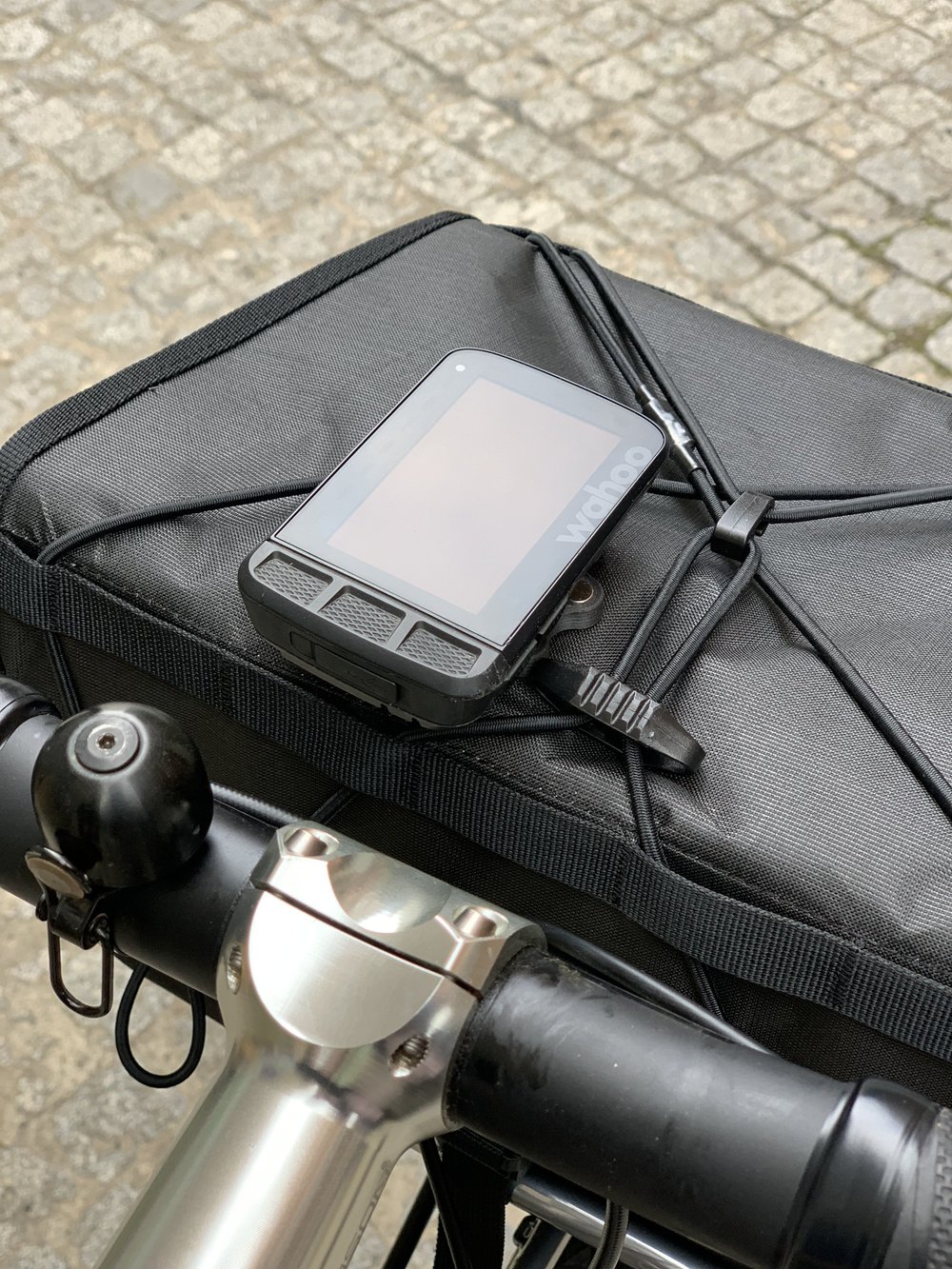
How you attach the GPS device to your bike affects use and safety. It must stay secure on rough trails.
The device should be easy to reach and operate while riding. Buttons and screens must work with gloves on.
- Use mounts that fit your bike’s handlebars or frame
- Choose devices with simple controls
- Test device visibility in sunlight
- Ensure quick removal and reattachment
Device Size And Weight
Lighter and smaller GPS units are easier to carry and mount. They add less weight to your bikepacking gear.
However, very small devices may have smaller screens, which can be harder to read on the trail.
- Balance size with screen readability
- Choose compact devices that fit your mount
- Consider battery size linked to device weight
- Look for durable materials that keep weight low
Credit: www.cyclingweekly.com
Top Brands And Models To Consider
Choosing the right waterproof GPS device is key for bikepacking trips. These devices help you stay on track and safe in all weather.
Many brands offer durable GPS models. Some are made for tough conditions, while others are budget-friendly.
High-end Options
High-end GPS devices have advanced features and strong waterproof ratings. They are built to last in harsh environments.
These models often include better screens, longer battery life, and more precise navigation tools.
- Garmin Edge 1040 Solar – Solar charging and rugged design
- Wahoo ELEMNT ROAM – Easy to use with bright screen
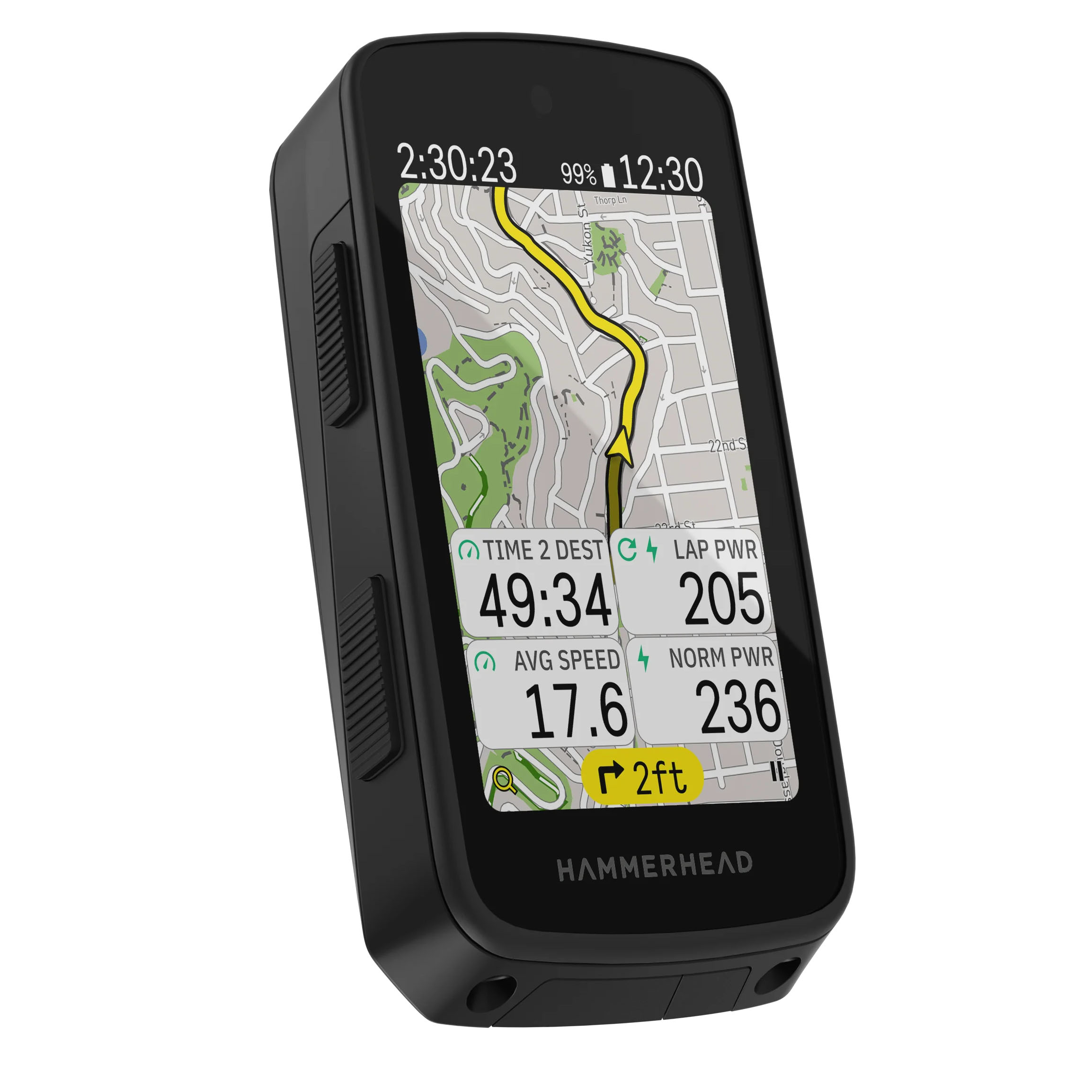
- Hammerhead Karoo 2 – High-resolution display and fast processor
Budget-friendly Choices
Budget-friendly GPS devices offer good performance without a high price. They are great for casual bikepackers.
These models may have fewer features but still provide reliable navigation and water resistance.
- Garmin Edge 130 – Compact and affordable with essential features
- Bryton Rider 15 – Simple interface and solid battery life
- Lezyne Micro GPS – Lightweight and basic tracking
User Reviews And Ratings
User reviews give insight into device performance in real conditions. Look for consistent feedback on durability and battery life.
Ratings can highlight common issues or praised features. Check multiple sources for balanced opinions.
- Garmin Edge models often score high for reliability and features
- Wahoo devices get praise for ease of use and clear screens
- Budget models receive mixed reviews on screen visibility in bright light
Tips For Maintaining Your Waterproof Gps
Keeping your waterproof GPS device in good shape helps it work well on every trip. Proper care extends its life and keeps the device accurate.
Simple maintenance steps protect your investment and ensure you get the best performance from your GPS while bikepacking.
Cleaning And Care
Clean your GPS device after every trip. Dirt and sweat can damage the surface and buttons over time.
Use a soft cloth and mild soap to wipe the device. Avoid harsh chemicals or abrasive materials that could scratch or harm it.
- Remove dirt with a damp cloth
- Dry the device completely before storing
- Check seals and covers for damage
- Keep the device away from extreme heat
Battery Management
Good battery care keeps your GPS ready for long rides. Charge it fully before you leave and avoid letting the battery drain completely.
Store the GPS with some battery power if you do not use it for a long time. Extreme cold or heat can reduce battery life.
- Charge the battery before trips
- Turn off the device when not in use
- Store with 50% battery if unused for weeks
- Avoid exposing the battery to extreme temperatures
Firmware Updates
Keep your GPS software up to date. Firmware updates fix bugs and improve device performance.
Connect your GPS to a computer or app regularly to check for updates. Install them as soon as they are available.
- Check for firmware updates monthly
- Download updates from the official source
- Follow instructions carefully during installation
- Do not turn off the device while updating
Credit: www.calltoadventure.uk
Frequently Asked Questions
What Features Make A Gps Device Waterproof For Bikepacking?
A waterproof GPS device has a durable, sealed casing and an IP rating of at least IPX7. This protects it against rain, splashes, and brief immersion. Look for devices specifically tested for water resistance to ensure reliability during bikepacking adventures.
How To Verify Gps Device Water Resistance Rating?
Check the product specifications for an IP (Ingress Protection) rating. An IPX7 or higher rating means the device can handle immersion up to 1 meter for 30 minutes. This rating is a reliable indicator of waterproof capability for outdoor use.
Why Is Battery Life Crucial In Waterproof Gps Devices?
Long battery life ensures your GPS works throughout extended bikepacking trips. Waterproof models often have power-saving modes. This prevents mid-ride shutdowns and helps maintain navigation in remote areas.
Can Waterproof Gps Devices Handle Extreme Weather Conditions?
Yes, most waterproof GPS units are built to endure rain, dust, and temperature variations. They often come with rugged designs and shock resistance. This durability makes them ideal for unpredictable bikepacking environments.
Conclusion
Choosing the right waterproof GPS device helps keep you safe on bike trips. Focus on durability, battery life, and ease of use. Make sure it fits your budget and riding style. A good GPS guides you through rough weather and unknown paths.
Take your time to compare features before buying. Your adventure depends on reliable navigation. Stay prepared and enjoy every ride.



