
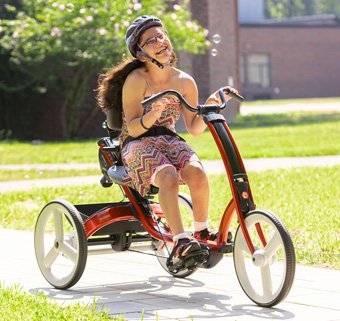
Have you ever wished your child could enjoy the freedom and fun of riding a bike, but found it challenging because of their unique needs? A pediatric adaptive bike might be exactly what you’re looking for.
These specially designed bikes help children with physical or developmental differences experience the joy of cycling safely and confidently. If you want to learn how these bikes can make a real difference in your child’s life and what to look for when choosing one, keep reading.
Your child’s next great adventure could be just a pedal away.

Credit: www.rifton.com
Pediatric Adaptive Bikes Explained
Pediatric adaptive bikes are special bicycles made for children with physical or developmental challenges. These bikes help kids enjoy riding safely and comfortably.
They come in many styles and sizes. Each bike is designed to fit the child’s unique needs and abilities.
What Makes Pediatric Adaptive Bikes Different?
These bikes have features that support balance, strength, and control. They often include extra supports or adjusted parts.
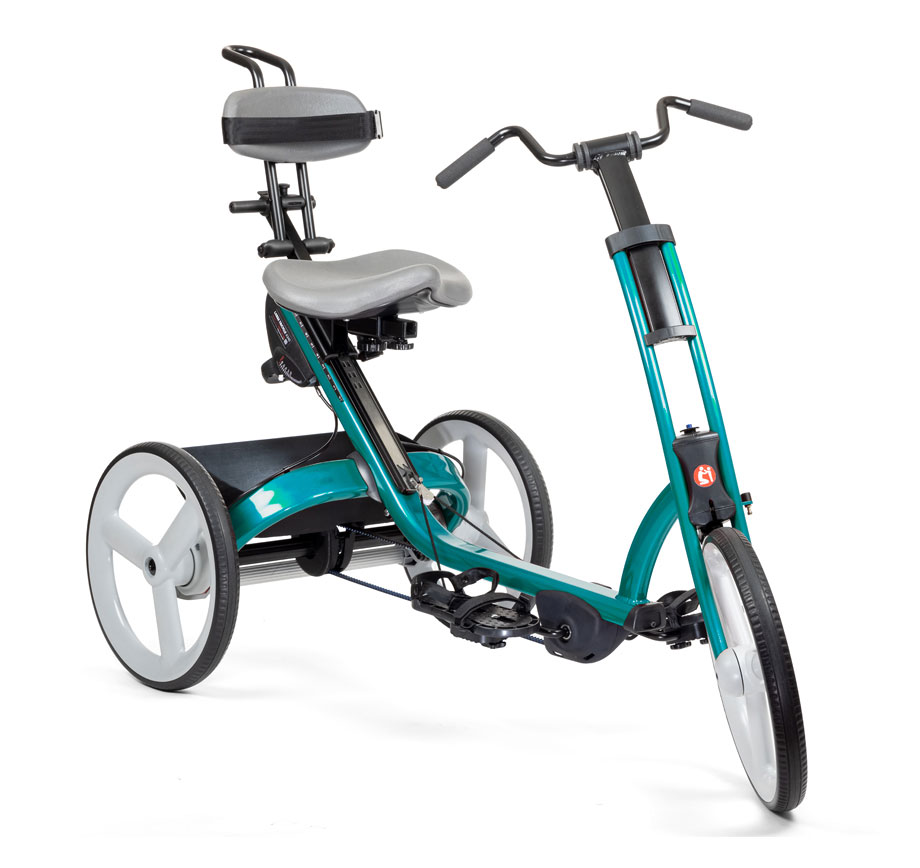
Some common features are wider seats, extra wheels for stability, and easy-to-use brakes or pedals.
- Additional balance wheels or trikes
- Adjustable seats and handlebars
- Hand pedals or foot pedals depending on ability
- Straps and supports for better stability
Who Can Benefit From These Bikes?
Children with disabilities or motor skill delays can use adaptive bikes. They help improve physical strength and coordination.
Kids with conditions like cerebral palsy, muscular dystrophy, or balance issues often find these bikes helpful.
Types Of Pediatric Adaptive Bikes
There are several types of adaptive bikes. Each type supports different needs and abilities of children.
- Tricycles with extra stability for beginners
- Recumbent bikes that support the back and legs
- Tandem bikes for riding with a helper
- Handcycles powered by arm strength
How Pediatric Adaptive Bikes Help Children
These bikes encourage exercise, independence, and confidence. Riding helps improve balance and muscle control.
They also allow children to join outdoor activities and have fun with friends and family.
Key Features Of Adaptive Bikes
Pediatric adaptive bikes help children with different abilities enjoy riding. These bikes have special features to support safety and comfort.
Understanding these key features can help choose the right bike for each child’s needs.
Adjustable Seating And Support
Adaptive bikes have seats that adjust to fit a child’s size and shape. This helps keep the child comfortable and stable while riding.
Extra support like backrests and harnesses help children stay secure on the bike.
- Height-adjustable seats
- Removable or adjustable backrests
- Safety harnesses for extra support
- Cushioned seating for comfort
Specialized Handlebars And Controls
These bikes come with handlebars designed for easier grip and control. Controls are adapted for children with limited hand strength or movement.
Some bikes include hand brakes, steering aids, or push-button controls to help the child steer and stop safely.
- Ergonomic grips for small or weak hands
- Hand brakes adapted for limited strength
- Steering aids for better control
- Push-button or lever controls
Enhanced Stability Options
Adaptive bikes use extra wheels or wide bases to keep balance. This helps children ride without falling.
Some bikes have training wheels or three-wheel designs for more stability.
- Wide wheelbase for better balance
- Training wheels for beginners
- Three-wheel tricycle styles
- Anti-tip features for safety
Durable And Lightweight Materials
Adaptive bikes use strong materials that last long but stay light. This helps children ride more easily and makes the bike easier to handle.
Common materials include aluminum frames and tough plastic parts that resist wear.
- Aluminum frames for light weight and strength
- Rust-resistant coatings
- Durable plastic for seats and grips
- Easy-to-clean surfaces
Benefits For Child Development
A pediatric adaptive bike helps children with different needs to enjoy biking safely. It supports their growth by making biking easier and more fun.
This special bike helps children develop skills and confidence. It adapts to their abilities, allowing them to ride and explore.
Improved Motor Skills
Riding an adaptive bike helps children improve their balance and coordination. They learn to use their muscles more effectively.
The bike encourages children to pedal, steer, and brake, which builds strength and control in their legs and arms.
- Enhances balance and stability
- Improves hand-eye coordination
- Strengthens leg and arm muscles
Increased Independence
Using an adaptive bike lets children move on their own without much help. This gives them a sense of freedom.
Children learn to control their bike and decide where to go, which builds their independence and decision-making skills.
- Encourages self-mobility
- Builds decision-making skills
- Promotes active play without constant help
Boosted Confidence And Social Interaction
Riding a bike helps children feel proud of their abilities. This boosts their confidence in trying new activities.
Being able to ride with friends encourages social skills and helps children make new friends.
- Increases self-esteem
- Encourages group play
- Improves communication skills
Who Can Benefit From Adaptive Bikes
Adaptive bikes help children who need extra support while riding. These bikes are made to fit different needs and abilities. Many kids can gain independence and confidence with the right bike.
Parents and therapists find adaptive bikes useful for kids who face challenges with regular bikes. These bikes offer safety and comfort to encourage outdoor activity.
Children With Physical Disabilities
Children with physical disabilities such as cerebral palsy, muscular dystrophy, or limb differences often need adaptive bikes. These bikes provide extra stability and support.
- Wider seats for comfort
- Extra support for legs and feet
- Adjustable frames to fit body size
- Hand pedals or foot pedals depending on ability
Kids With Balance Challenges
Some children have trouble keeping balance on a regular bike. Adaptive bikes can help by adding features that improve stability and control.
| Feature | Benefit |
| Training wheels | Prevent tipping over |
| Three or four wheels | Offer steady support |
| Lower center of gravity | Make balancing easier |
| Hand brakes | Improve stopping control |
Therapeutic And Recreational Uses
Adaptive bikes are used in therapy to build strength and coordination. They also allow children to enjoy outdoor play with friends.
Benefits include:
- Improves muscle tone and endurance
- Encourages social interaction
- Boosts confidence and independence
- Supports mental health and mood
Choosing The Right Adaptive Bike
Finding the right pediatric adaptive bike helps children enjoy riding safely. These bikes support different physical needs.
Parents should consider several factors to ensure the bike fits well and meets the child’s needs.
Assessing Child’s Needs
Start by understanding the child’s physical abilities and challenges. Consider balance, coordination, and muscle strength.
- Check if the child can pedal and steer independently.
- Identify any support needed for sitting or balance.
- Consider the child’s endurance and comfort level.
- Think about the child’s interest and motivation for biking.
Sizing And Adjustability
The bike should fit the child’s size now and allow room to grow. Adjustable parts help with this.
| Bike Part | Adjustability | Why It Matters |
| Seat Height | Up and down | Helps feet reach pedals comfortably |
| Handlebar Height | Up and down | Supports good posture and control |
| Frame Length | Some models adjustable | Fits the child’s leg length |
| Footrests | Position and size | Provides support if pedaling is difficult |
Consulting Therapists Or Specialists
Therapists can guide you to choose the best bike based on the child’s therapy goals.
Here are reasons to involve a specialist:
- They understand specific physical needs.
- They can recommend features that aid therapy.
- They can help with fitting and adjustments.
- They support safe use and training.
Credit: www.rifton.com
Maintenance And Safety Tips
Pediatric adaptive bikes help children with special needs enjoy riding safely. Proper care and safety checks keep the bike working well.
Following simple maintenance steps and safety rules ensures a fun and safe experience for young riders.
Regular Inspections
Check the bike before every ride to avoid accidents. Look for loose parts, worn tires, and brake issues.
- Check tire pressure and tread for wear
- Tighten all nuts and bolts securely
- Test brakes to ensure they stop the bike well
- Inspect the frame for cracks or damage
- Make sure the seat and handlebars are firmly attached
Proper Helmet Use
Wearing a helmet protects the child’s head during falls. Use the right size and fit it properly every time.
| Helmet Feature | Why It Matters |
| Correct Size | Prevents slipping or discomfort |
| Snug Fit | Protects the head fully |
| Strap Fastened | Keeps helmet in place |
| Undamaged Shell | Ensures impact protection |
Safe Riding Environments
Choose safe places for riding. Avoid busy streets and rough surfaces that can cause falls.
- Ride on smooth, flat paths or playgrounds
- Stay away from traffic and sharp turns
- Supervise children while riding
- Use bright clothing for visibility
- Keep the riding area free of obstacles
Credit: www.rifton.com
Frequently Asked Questions
What Is A Pediatric Adaptive Bike?
A pediatric adaptive bike is a specially designed bicycle for children with physical or developmental challenges. It offers customized support and stability. These bikes help kids improve mobility, balance, and confidence while enjoying outdoor activities safely.
Who Benefits From Using A Pediatric Adaptive Bike?
Children with mobility issues, muscle weakness, or coordination difficulties benefit most. These bikes provide tailored support. They encourage physical activity, promote independence, and enhance social interaction. Adaptive bikes are essential tools for inclusive play and therapy.
How Does A Pediatric Adaptive Bike Improve Child Development?
Adaptive bikes enhance muscle strength, balance, and coordination. They boost confidence by enabling independent movement. These bikes support physical therapy goals and improve cardiovascular health. Riding promotes social skills and outdoor engagement, contributing positively to overall development.
What Features Distinguish A Pediatric Adaptive Bike?
Key features include adjustable seats, extra stability through training wheels or trikes, and supportive harnesses. They often have lightweight frames and easy-to-use brakes. Customizable parts ensure comfort and safety tailored to each child’s needs.
Conclusion
A pediatric adaptive bike helps children enjoy riding safely. It supports different needs and abilities. These bikes build confidence and improve balance. Families find joy watching kids gain independence. Choosing the right bike means considering comfort and control. This simple tool creates fun moments and growth.
Every child deserves a chance to ride and explore. Adaptive bikes open doors to new adventures. They bring smiles and freedom to young riders. A small change can make a big difference.



