
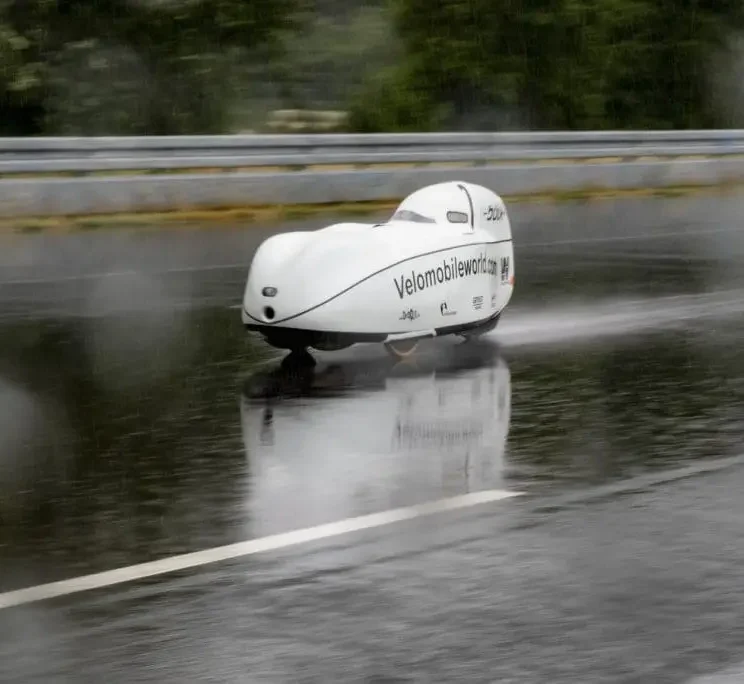
Have you ever wondered if you can ride a velomobile when the rain starts pouring? You might love the idea of cruising smoothly and staying dry, but is it really that simple?
Riding a velomobile in wet weather comes with surprises you need to know about before you hit the road. Keep reading to discover the truth about rain, safety, and how to make the most of your velomobile no matter the weather.

Credit: www.youtube.com
Velomobile Basics
Velomobiles are a unique type of human-powered vehicle. They look like bicycles but have a full shell around them.
These vehicles are designed for speed, comfort, and protection from weather. They can be used for daily travel or fun rides.
What Is A Velomobile
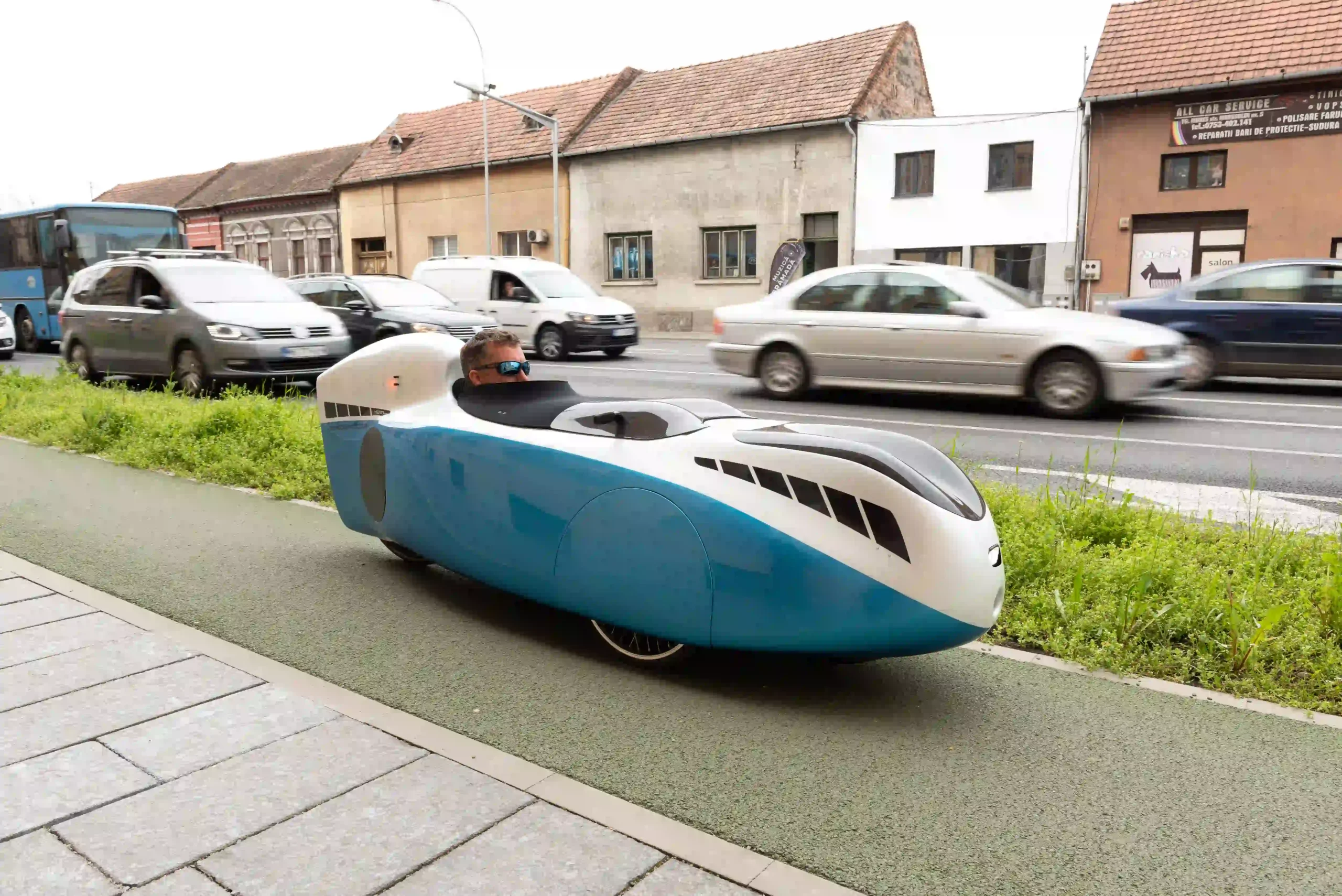
A velomobile is a bicycle or tricycle covered with a lightweight shell. This shell helps reduce air drag and protect the rider.
The shell is usually made from materials like fiberglass or carbon fiber. It keeps the rider dry and safe from wind and rain.
Types Of Velomobiles
There are several types of velomobiles based on design and wheels. Each type fits different rider needs and road conditions.
- Recumbent Tricycle Velomobiles:These have three wheels and a reclined seating position. They offer good stability and comfort.
- Two-Wheel Velomobiles:These look like streamlined bikes. They need more balance but are lighter and faster.
- Electric-Assisted Velomobiles:These include a motor to help with pedaling. They are good for longer distances or hills.
Rain And Velomobiles
Riding a velomobile in the rain is possible. Velomobiles are enclosed bikes that offer some protection.
Knowing how rain affects your ride helps you stay safe and comfortable.
Impact Of Rain On Ride
Rain can make roads slippery and reduce visibility. This means you must ride slower and be more careful.
Water can also cause parts to wear out faster if not cleaned and dried properly after rides.
- Wet roads increase stopping distances
- Visibility drops for you and others
- Water can cause rust on metal parts
- Brakes may be less effective when wet
Water Resistance Features
Many velomobiles have waterproof shells to keep you dry inside. The design helps block rain from reaching the rider.
Seals, covers, and drainage systems protect important parts from water damage.
- Waterproof outer shell made from strong materials
- Sealed joints to stop water leaks
- Drain holes to remove any collected water
- Covered chain and gears to reduce rust
Safety Tips For Rainy Rides
Riding a velomobile in the rain needs extra care. Wet weather can reduce your safety if you are not prepared.
Use these tips to stay safe and visible during rainy rides in your velomobile.
Visibility Enhancements
Rain lowers visibility for you and other drivers. Bright lights and reflective gear help you stay seen.
- Use front and rear lights with high brightness.
- Wear reflective clothing or attach reflective strips to your velomobile.
- Clean your lights and windows often to avoid dirt buildup.
- Use a brightly colored rain cover for better visibility.
Handling Wet Roads
Wet roads are slippery and can cause accidents. Adjust your riding style to stay safe.
| Tip | Reason |
| Slow down | Reduces risk of slipping on wet surfaces |
| Avoid sudden turns | Prevents loss of traction |
| Brake gently | Stops safely without skidding |
| Watch for puddles | May hide potholes or debris |
| Check tire tread | Better grip on wet roads |

Credit: www.velomobileworld.com
Maintenance After Rain
Riding a velomobile in the rain is possible, but you must care for it afterward. Rain can leave dirt and water on your vehicle. Proper maintenance helps keep your velomobile safe and working well.
Cleaning and protecting your velomobile after rain stops damage. This guide shows simple steps to keep it in good shape.
Cleaning And Drying
Start by rinsing off mud and dirt with clean water. Use a soft cloth or sponge to avoid scratches. Dry the velomobile with a clean towel or cloth to stop rust and water spots.
- Rinse wheels, frame, and body
- Use mild soap if needed
- Wipe all surfaces dry
- Check and clean the chain carefully
Protecting Components
Rain can harm parts like the chain, brakes, and bearings. After cleaning, apply lubricant to the chain and moving parts. This prevents rust and keeps everything smooth.
Inspect cables and seals for water damage. Replace any damaged parts quickly to avoid bigger problems. Store your velomobile in a dry place to protect it from future rain.
- Lubricate chain and gears
- Check brake function
- Inspect seals and cables
- Store indoors or under cover
Gear And Accessories
Riding a velomobile in the rain needs the right gear. Good accessories keep you dry and safe.
Choosing the right clothing and rain protection helps you enjoy your ride no matter the weather.
Waterproof Clothing
Waterproof clothing is important for riding in wet weather. It keeps your body dry and warm.
Look for jackets and pants made from breathable, waterproof materials. They stop water but allow sweat to escape.
- Wear a waterproof jacket with a hood
- Choose waterproof pants or rain trousers
- Use waterproof gloves to keep hands warm
- Wear waterproof shoes or shoe covers
- Use quick-dry base layers for comfort
Rain Covers And Shields
Rain covers and shields protect your velomobile and you from rain. They help keep water out of the cockpit.
Many velomobiles come with rain canopies or you can add covers to block rain and wind while riding.
- Use a transparent rain canopy for full protection
- Install splash guards to reduce spray from wheels
- Use side rain shields to block wind-driven rain
- Check that covers are easy to remove and store
- Make sure covers do not block your vision
Rider Experience In The Rain
Riding a velomobile in the rain offers a different experience than riding a bike. The enclosed design helps keep the rider dry. Still, rain can affect comfort and how the vehicle performs.
Understanding these effects can help riders prepare and enjoy their trips, no matter the weather.
Comfort Factors
Velomobiles protect riders from rain better than regular bikes. The shell covers the rider, shielding them from wind and water. This keeps the inside dry and warmer.
Some velomobiles have ventilation systems to reduce fogging on windows. Proper airflow helps keep visibility clear. Wet roads and damp air can make the ride feel cooler, so dress in layers.
- Enclosed shell blocks most rain and wind
- Good ventilation prevents window fogging
- Layered clothing keeps the rider warm
- Seats stay dry inside the velomobile
Performance Considerations
Rain makes roads slippery, so velomobile riders must be careful. Tires may lose grip on wet surfaces. Slowing down and avoiding sharp turns helps keep control.
Water can affect braking distance. Velomobiles are heavier than bikes, so they need more stopping space. Lights and reflectors are important to stay visible in rainy weather.
- Wet roads reduce tire grip
- Brake earlier and more gently
- Drive slower on sharp turns
- Use lights for better visibility
- Check tires for good tread depth
Credit: www.velomobileworld.com
Frequently Asked Questions
Can You Ride A Velomobile Safely In The Rain?
Yes, velomobiles are designed with enclosed shells that protect riders from rain. They provide better weather protection than regular bicycles, keeping you dry and comfortable during wet conditions.
How Does Rain Affect Velomobile Performance?
Rain can reduce tire grip and increase stopping distances. However, velomobiles have aerodynamic designs and enclosed bodies that help maintain stability even on wet roads.
Do Velomobiles Have Waterproof Features For Rain?
Most velomobiles come with waterproof or water-resistant shells and sealed cabins. These features prevent water from entering, ensuring the interior stays dry during rainy rides.
Is Visibility Compromised When Riding A Velomobile In Rain?
Rain can reduce visibility, but velomobiles usually have clear canopies and integrated lights. These features improve rider visibility and help others see you in wet weather.
Conclusion
Riding a velomobile in the rain is possible with care. The shell helps keep you dry and safe. Wet roads need slow speeds and extra attention. Good tires and brakes are important for control. Clear visibility matters, so use lights and wipers if available.
Rain can make the ride less fun but still doable. Always check weather and prepare well before riding. Stay alert and enjoy the unique feeling of riding a velomobile, even in wet weather. Safety first, comfort next.



