
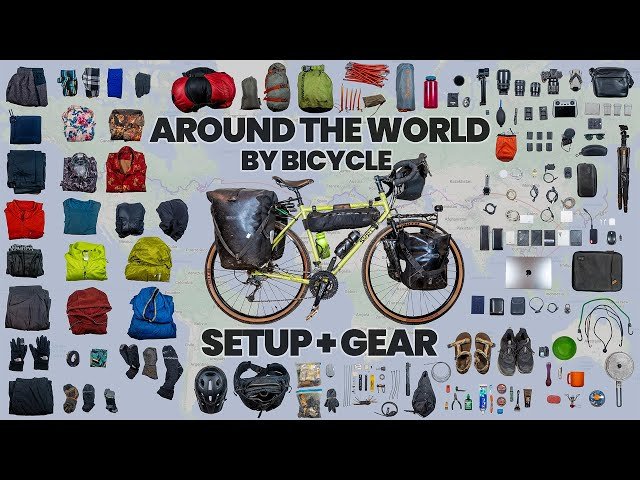
Packing your bikepacking bike the right way can make all the difference between a smooth camping adventure and a stressful trip. You want to bring everything you need without overloading your bike or losing balance on rough trails.
But where do you start? How do you organize your gear so it’s easy to reach, safe, and keeps your bike steady? You’ll discover simple, practical tips to pack your bikepacking bike like a pro. Whether you’re new to bikepacking or looking to improve your setup, you’ll find step-by-step advice that helps you ride farther, camp comfortably, and enjoy every moment of your adventure.
Ready to pack smarter and ride better? Let’s dive in.
Choosing The Right Bikepacking Bike
Packing a bike for camping adventures starts with picking the right bike. Your bike needs to be strong, comfortable, and fit your trip style.
Choosing the right bike helps you carry gear easily and ride safely on different terrains. This guide explains what to look for.
Types Of Bikes For Bikepacking
Different bikes work well for bikepacking. Pick one that fits the route and your gear weight. Each type has pros and cons.
- Mountain Bikes:Great for rough trails and dirt roads.
- Gravel Bikes:Fast on mixed surfaces and smooth enough for roads.
- Touring Bikes:Built to carry heavy loads and long trips.
- Fat Bikes:Best for sand, snow, and soft ground.
Frame And Tire Considerations
Frame material affects bike weight and strength. Common materials are aluminum, steel, and carbon fiber.
Tire size and width matter for comfort and control. Wider tires handle rough ground better. Check tire clearance on your bike.
- Steel Frames:Durable and easy to repair.
- Aluminum Frames:Lightweight and stiff.
- Carbon Frames:Very light but costly.
- Tires:Choose wider tires (2” or more) for stability.
- Clearance:Make sure frame fits larger tires and racks.
Essential Bikepacking Accessories
Good accessories help carry gear and keep your bike ready for the trip. Some items are must-haves for safety and storage.
- Frame bags for tools and small items
- Handlebar bags for easy access gear
- Saddle bags for clothes and sleeping gear
- Strong racks or mounts for extra weight
- Lights and reflectors for visibility
- Water bottle cages or hydration packs

Credit: www.reddit.com
Selecting Bikepacking Bags
Choosing the right bikepacking bags is key for a smooth camping trip. Bags must fit your bike and carry your gear safely.
Different bags serve different purposes. Think about where you want to store items and how much space you need.
Frame Bags And Their Uses
Frame bags fit inside your bike’s main triangle. They keep weight centered and low. These bags are great for heavy or bulky gear.
- Store tools, food, and water bladders
- Use for items you need quick access to
- Choose sizes that fit your frame shape
Handlebar And Seat Packs
Handlebar packs attach to the front bars. Seat packs hang behind the saddle. Both hold lightweight, compressible gear.
| Bag Type | Best For | Weight Limit |
|---|---|---|
| Handlebar Pack | Sleeping bags, tents | 5-7 kg |
| Seat Pack | Clothing, extra layers | 4-6 kg |
Top Tube And Fork Bags
Top tube bags sit on the bike’s top bar. Fork bags attach near the front wheel. Both hold small items and tools.
- Top tube bags offer easy access to snacks and phones
- Fork bags can carry extra water or small gear
- These bags help balance the bike’s load
Packing Essentials Efficiently
Packing for a bikepacking trip requires planning. Carry only what you need to save space.
Organize your gear so it is easy to reach and balanced on your bike. This helps on long rides.
Organizing Camping Gear
Sort your camping items by use and size. Keep daily items within quick reach.
- Pack your tent and sleeping bag in dry bags.
- Store cooking gear in a separate bag.
- Keep clothes rolled and compressed to save space.
- Use small containers for toiletries and first aid.
- Place tools and repair kits in a frame bag for easy access.
Distributing Weight For Balance
Balance the weight across your bike to improve control and comfort.
| Bike Area | Weight Type | Tips |
| Front Fork Bags | Light but bulky items | Use for sleeping pads and clothes |
| Frame Bag | Heavy, dense items | Place tools, food, and water here |
| Saddle Bag | Medium weight | Pack your tent and sleeping bag |
| Handlebar Bag | Light and quick access | Store electronics and snacks |
Water And Food Storage Tips
Keep water and food easy to reach. This saves time and energy on the road.
- Use water bottles in frame holders for balance.
- Carry a hydration bladder if you want quick sips while riding.
- Store snacks in handlebar bags or pockets.
- Pack food in airtight bags to avoid smells and leaks.
- Plan meals to reduce extra weight and waste.

Credit: www.reddit.com
Securing Gear On Your Bike
Packing your bike properly keeps your gear safe and balanced. Good packing helps you ride comfortably and avoid damage.
Use the right methods to attach your bags and equipment securely. This guide shows simple ways to keep everything in place.
Strapping Techniques
Use strong straps to hold your gear tight against your bike frame. Wrap straps around the frame and bags to stop movement.
- Place heavier items low and close to the frame
- Strap bags tightly without crushing them
- Double strap important gear for extra security
- Check straps for wear before every trip
Using Bungee Cords And Straps
Bungee cords stretch to hold odd-shaped items. They work well for quick attachment but must be used carefully.
| Type | Best Use | Tips |
| Elastic Bungee | Light gear or extra layers | Do not overstretch, inspect hooks |
| Non-elastic Straps | Heavy bags and equipment | Tighten firmly, avoid sharp edges |
| Ratchet Straps | Large, heavy items | Use carefully to avoid damage |
Avoiding Common Packing Mistakes
Packing errors can cause accidents or lost gear. Watch for these common problems.
- Overloading one side of the bike
- Using worn or broken straps
- Packing loose items without securing them
- Ignoring weather protection for sensitive gear
- Forgetting to test stability before riding
Preparing For Different Terrains
Bikepacking takes you through many types of land. You must prepare your bike well for each surface. Proper setup helps you ride safer and enjoy more.
Adjusting your bike parts and packing gear smartly makes a big difference. Here are key points to focus on for various terrains.
Adjusting Tire Pressure
Lower tire pressure gives better grip on rough or soft paths. Higher pressure works well on smooth roads for faster rides. Change pressure based on terrain type and your weight.
- For rocky trails, use low pressure for more traction.
- On sandy or muddy paths, reduce pressure to avoid slipping.
- Keep higher pressure on paved roads for less rolling resistance.
- Check tires often to prevent flats and damage.
Packing For Weather Variations
Weather can change fast on your route. Pack clothes and gear to stay dry, warm, or cool as needed. Layering clothes helps adjust to temperature shifts.
| Weather Condition | Recommended Gear |
| Rainy | Waterproof jacket, rain covers for bags |
| Cold | Insulating layers, gloves, warm hat |
| Hot | Lightweight clothing, sun hat, sunscreen |
| Windy | Windbreaker, secure packing to avoid noise |
Maintenance Tools And Spares
Bring basic tools and spare parts to fix common issues. This keeps your bike running well in remote areas. Pack light but cover key repairs.
- Multi-tool with Allen keys and screwdrivers
- Spare tubes or patch kit for tire repairs
- Mini pump or CO2 inflator
- Chain lube and a small rag
- Spare chain links and quick links
- Tire levers and a small wrench
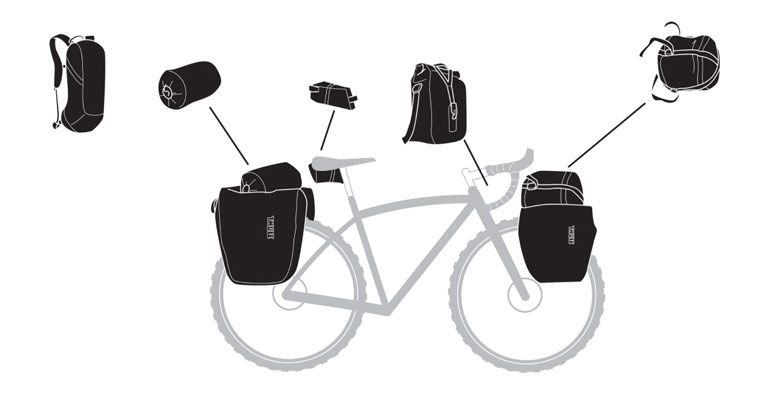
Credit: www.thule.com
Packing For Safety And Comfort
Packing your bikepacking bike right keeps you safe and comfortable. It helps you enjoy your camping adventure without problems.
Focus on visibility, protective gear, and first aid. These areas protect you on and off the bike.
Visibility And Lighting
Bright lights and reflective gear make you visible to others. This is very important for night rides and bad weather.
- Install front and rear bike lights with strong beams
- Wear reflective clothing or accessories
- Use reflective tape on your bike and bags
- Carry extra batteries or a power bank
- Check lights before each ride
Protective Clothing And Gear
Wear clothes that protect you from weather and injury. Good gear improves comfort and safety.
| Item | Purpose |
| Helmet | Protects your head in falls |
| Gloves | Protect hands and improve grip |
| Waterproof jacket | Keeps you dry and warm |
| Padded shorts | Increase comfort on long rides |
| Sturdy shoes | Protect feet and improve pedaling |
First Aid Kit Essentials
Carry a small first aid kit for emergencies. It helps treat cuts, scrapes, and other minor injuries quickly.
- Adhesive bandages in various sizes
- Antiseptic wipes and ointment
- Gauze pads and medical tape
- Tweezers for removing splinters
- Pain relievers like ibuprofen or acetaminophen
- Allergy medication if needed
- Small scissors and safety pins
- Emergency contact info card
Frequently Asked Questions
How Do I Choose The Right Bags For Bikepacking?
Select lightweight, durable bags with enough capacity for essentials. Consider frame bags, seat packs, and handlebar rolls for balanced load distribution.
What Essential Gear Should I Pack For Bikepacking Camping?
Pack a tent, sleeping bag, cooking gear, clothing layers, and repair tools. Prioritize lightweight, compact items to save space and reduce weight.
How Can I Secure My Bikepacking Gear Safely?
Use waterproof bags and secure straps tightly. Distribute weight evenly and check fastenings regularly to prevent gear shifting or loss during rides.
What’s The Best Way To Pack Food For Bikepacking Trips?
Choose high-calorie, non-perishable foods. Store them in accessible, waterproof containers to keep them fresh and easy to reach while riding.
Conclusion
Packing your bikepacking bike right makes camping trips easy. Keep your gear balanced and secure. Use bags designed for bikepacking to save space. Prioritize essential items like food, water, and tools. Test your setup before hitting the trail. Adjust as needed for comfort and safety.
Enjoy the freedom of exploring nature on two wheels. Adventure awaits with smart packing and planning.



