
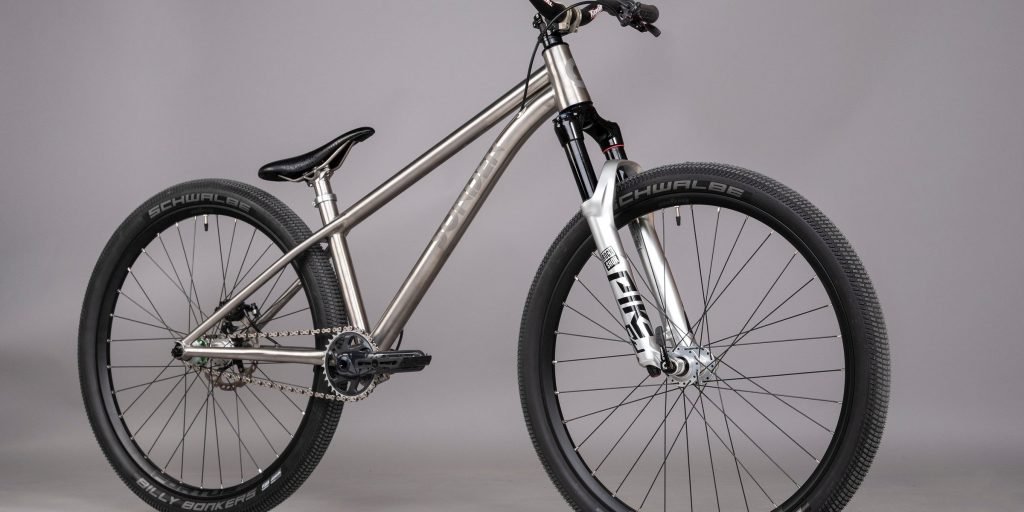
If you love dirt jumping, you know how tough your bike’s axle has to be. But do you know how to keep it in top shape?
Taking care of your dirt jump bike axle isn’t just about riding—it’s about making sure every jump feels smooth and safe. You’ll discover simple, effective ways to protect your axle from wear and tear. Keep reading to learn the secrets that will keep your bike performing at its best, jump after jump.
Your next ride depends on it.
Credit: alpkit.com
Choosing The Right Axle
Choosing the right axle is important for your dirt jump bike. It helps keep your bike strong and safe. A good axle fits well and lasts long.
This guide will help you learn about different types, materials, and sizes of axles. You can pick the best one for your bike.
Types Of Dirt Jump Bike Axles
There are a few common axle types for dirt jump bikes. Each type works differently and fits different wheels.
- Quick Release Axles: Easy to remove without tools. Good for quick repairs.
- Thru Axles: Strong and secure. They go through the frame and fork.
- Bolt-On Axles: Use bolts to hold the wheel. Very stable and reliable.
Materials And Durability
Axles come in different materials. The material affects how strong and long-lasting the axle is.
| Material | Strength | Weight | Durability |
| Steel | High | Heavy | Very durable |
| Aluminum | Medium | Light | Good durability |
| Titanium | High | Light | Excellent durability |
Size And Compatibility
Check the size of the axle before buying. It must fit your bike frame and wheels.
- Measure the axle length to match your bike.
- Check the diameter for proper fitting.
- Confirm if your bike needs a front or rear axle type.
- Look at the thread type if it uses bolts.
Credit: m.pinkbike.com
Tools Needed For Axle Maintenance
Taking care of your dirt jump bike axle keeps your ride smooth. Using the right tools makes maintenance easier and safer.
Below is a list of essential tools and some optional accessories. These help you check, clean, and fix your bike axle properly.
Essential Tools Checklist
- Allen wrench set for axle bolts
- Torque wrench to tighten nuts correctly
- Grease or lubricant for smooth axle movement
- Clean rags to wipe dirt and old grease
- Bike stand to hold the bike steady
- Flathead and Phillips screwdrivers for small screws
- Adjustable wrench for various bolt sizes
Having these tools ready helps you do basic axle care without trouble.
Optional Accessories For Precision
| Accessory | Purpose |
| Caliper | Measures axle spacing for perfect fit |
| Bearing press tool | Installs and removes bearings without damage |
| Cleaning brushes | Reaches small parts for thorough cleaning |
| Thread locker | Keeps bolts from loosening on rough trails |
| Digital torque meter | Ensures precise tightening to manufacturer specs |
These accessories are not required but improve the quality of your axle maintenance.
Regular Cleaning Techniques
Caring for your dirt jump bike axle keeps your rides smooth. Dirt and grime can cause damage if left unchecked.
Regular cleaning helps prevent wear and tear. It also extends the life of your bike parts.
Removing Dirt And Debris
Start by wiping off loose dirt and dust around the axle. Use a soft brush or cloth for this task.
- Rinse the axle gently with water to remove stubborn mud.
- Apply a bike-specific cleaner if needed for tough grime.
- Use a small brush to clean hard-to-reach spots.
- Dry the axle thoroughly with a clean cloth to avoid rust.
Cleaning Lubrication Points
Lubrication points need special care to keep the axle spinning freely. Clean these areas before applying lubricant.
| Lubrication Point | Cleaning Tip |
| Bearings | Wipe off old grease with a cloth |
| Axle threads | Use a brush to remove dirt |
| Seals | Check for damage and clean gently |
Lubrication Best Practices
Taking care of your dirt jump bike axle keeps your rides smooth. Proper lubrication helps avoid wear and rust. It also makes your bike last longer.
Knowing how to choose and apply lubricant saves time and protects your bike parts. Follow simple tips for the best results.
Choosing The Right Lubricant
Pick a lubricant that works well with dirt and water. Some lubricants are made for heavy dirt conditions. Others protect against water and rust. Use the right one to keep your axle clean and fast.
- Use waterproof lubricants for wet rides.
- Choose dry lubricants to avoid dirt buildup.
- Grease is best for heavy-load parts like axles.
- Avoid thick oils that attract dirt and grime.
- Check if the lubricant suits your bike’s materials.
Applying Lubricant Correctly
Clean the axle before you apply lubricant. Dirt and old grease can stop the new lubricant from working well. Use a rag or brush to remove grime. Then apply lubricant evenly to all moving parts.
| Action | Details |
| Clean Axle | Remove dirt and old grease with a cloth or brush |
| Apply Lubricant | Put a small amount on the axle and inside bearings |
| Spread Evenly | Rotate the axle to distribute lubricant well |
| Wipe Excess | Remove extra lubricant to avoid dirt sticking |
Inspection And Damage Signs
Taking care of your dirt jump bike axle is important for safe riding. Regular checks help find problems early. Look for damage signs to avoid accidents.
Inspect your axle often, especially after hard jumps or crashes. Spotting wear or cracks can save your bike and your safety.
Common Wear Indicators
Check for rust or corrosion on the axle. These signs weaken the metal and may cause failure. Also, look for bends or dents that affect bike handling.
Look closely at the threads on the axle. Worn or stripped threads can make the axle loose. Loose axles can cause wheel wobble and crashes.
- Rust or corrosion spots
- Bent or dented axle shaft
- Worn, stripped, or damaged threads
- Cracks or fractures in the metal
- Loose or shifting axle during rides
When To Replace Your Axle
Replace your axle if you see deep cracks or bends. These defects can cause sudden failure while riding. Do not ignore any damage that affects safety.
If threads are stripped or damaged, changing the axle is best. A loose axle affects bike control and can cause accidents. Also, replace the axle if rust is severe.
- Visible cracks or fractures
- Strong bends or dents
- Stripped or missing threads
- Severe rust or corrosion
- Axle does not stay tight
Tightening And Torque Guidelines
Taking care of your dirt jump bike axle is very important. Proper tightening helps keep the bike safe and working well.
Using the right torque settings stops damage and keeps the axle strong. Follow these simple tips for the best results.
Proper Torque Settings
The axle needs to be tightened to the right torque. This is the force used to turn the bolts or nuts. Too little or too much can cause problems.
Check your bike or axle manual for exact torque numbers. Use a torque wrench to get the correct tightness every time.
- Use a torque wrench for accuracy
- Follow the manufacturer’s torque specs
- Common torque range is 20-40 Nm (check your bike)
- Tighten bolts in steps and cross pattern if needed
Avoiding Over-tightening
Over-tightening can damage the axle or the bike frame. It can also cause parts to crack or strip threads.
Stop tightening as soon as you reach the right torque. If you feel much more force is needed, double-check your tool and settings.
- Do not use an impact wrench on axle bolts
- Apply even pressure when tightening
- Recheck torque after a few rides
- Replace damaged bolts or parts immediately
Preventive Measures For Longevity
Taking care of your dirt jump bike axle helps it last longer. Dirt, water, and impacts can damage it over time.
Regular care keeps the axle working well and prevents costly repairs. Simple steps can protect your bike.
Storage Tips
Store your bike in a dry place to stop rust on the axle. Avoid leaving it outside in rain or snow.
Keep the bike off the ground to prevent dirt and moisture buildup. Use a bike stand or hang it on a hook.
- Choose a dry, cool storage spot
- Keep the bike away from direct sunlight
- Use a cover to protect from dust
- Lift the bike to avoid ground moisture
Post-ride Maintenance Routine
After riding, clean the axle to remove dirt and mud. Use a soft brush and mild soap.
Dry the axle well and apply light oil or grease to keep it smooth. Check for any damage or loose parts.
- Rinse dirt off the axle carefully
- Dry the axle completely with a cloth
- Apply lubricant to prevent rust
- Tighten nuts and bolts if needed
- Inspect for cracks or bends
Credit: www.skatepro.com
Troubleshooting Common Issues
Dirt jump bike axles need regular care to work well. Problems like loose axles or noise can happen.
Fixing these issues helps keep your bike safe and fun to ride. Let’s look at common axle problems.
Fixing Axle Play
Axle play means the axle moves side to side. This can make your ride unstable.
Check if the axle nuts or quick-release levers are tight. Loose parts cause axle play.
- Tighten axle nuts with the right tool
- Adjust quick-release levers firmly
- Inspect bearings for damage or wear
- Replace damaged bearings if needed
Addressing Noise Problems
Noise from the axle area can mean dirt, rust, or worn parts.
Clean the axle and hub regularly. Use grease to keep parts moving smoothly.
- Remove dirt with a soft brush
- Apply grease to the axle and bearings
- Check for loose parts and tighten them
- Replace rusty or broken parts promptly
Frequently Asked Questions
How Often Should I Clean My Dirt Jump Bike Axle?
Clean your dirt jump bike axle after every few rides. Dirt and debris can cause wear and reduce performance. Regular cleaning prevents rust and ensures smooth spinning. Use a soft brush and mild cleaner for best results.
What Tools Are Needed For Bike Axle Maintenance?
You need a bike stand, hex wrenches, grease, and a cleaning brush. These tools help you disassemble, clean, lubricate, and reassemble the axle properly. Using the right tools prevents damage and extends axle life.
How Do I Lubricate A Dirt Jump Bike Axle Correctly?
Apply a thin layer of high-quality bike grease to the axle and bearings. Avoid over-greasing as it attracts dirt. Proper lubrication reduces friction, prevents rust, and ensures smooth rotation during jumps.
Can I Ride Immediately After Axle Maintenance?
Yes, after proper cleaning and lubrication, you can ride immediately. Just ensure all parts are securely tightened. Riding right after maintenance keeps your bike performing well and prevents axle damage.
Conclusion
Caring for your dirt jump bike axle keeps your rides smooth and safe. Regular cleaning removes dirt and prevents damage. Tighten the axle correctly to avoid problems while jumping. Check for wear and replace parts when needed. Simple care steps extend your bike’s life.
Enjoy better control and fewer repairs. Keep your bike ready for every jump. Dirt jump bike axle care matters for fun and safety.



