
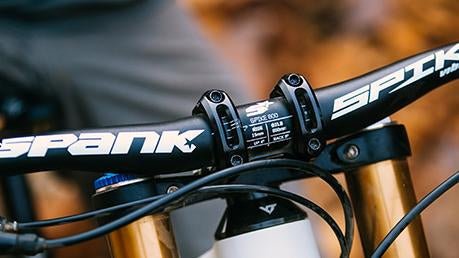
Are you ready to take your dirt jumping skills to the next level? Choosing the right bike handlebar can make all the difference in your control, comfort, and style while you’re in the air.
But with so many types out there, how do you know which one suits you best? In this guide, you’ll discover the key handlebar types designed for dirt jumping and how each can impact your ride. By the end, you’ll feel confident picking the perfect handlebar that matches your riding style and helps you land every jump with ease.
Let’s dive in and find the handlebar that’s made just for you!
Dirt Jumping Basics
Dirt jumping is a fun bike sport. Riders jump over dirt ramps and perform tricks. It needs a strong bike and good control.
This sport focuses on speed, balance, and air time. Choosing the right bike parts helps improve your ride and safety.
Key Features Of Dirt Jump Bikes
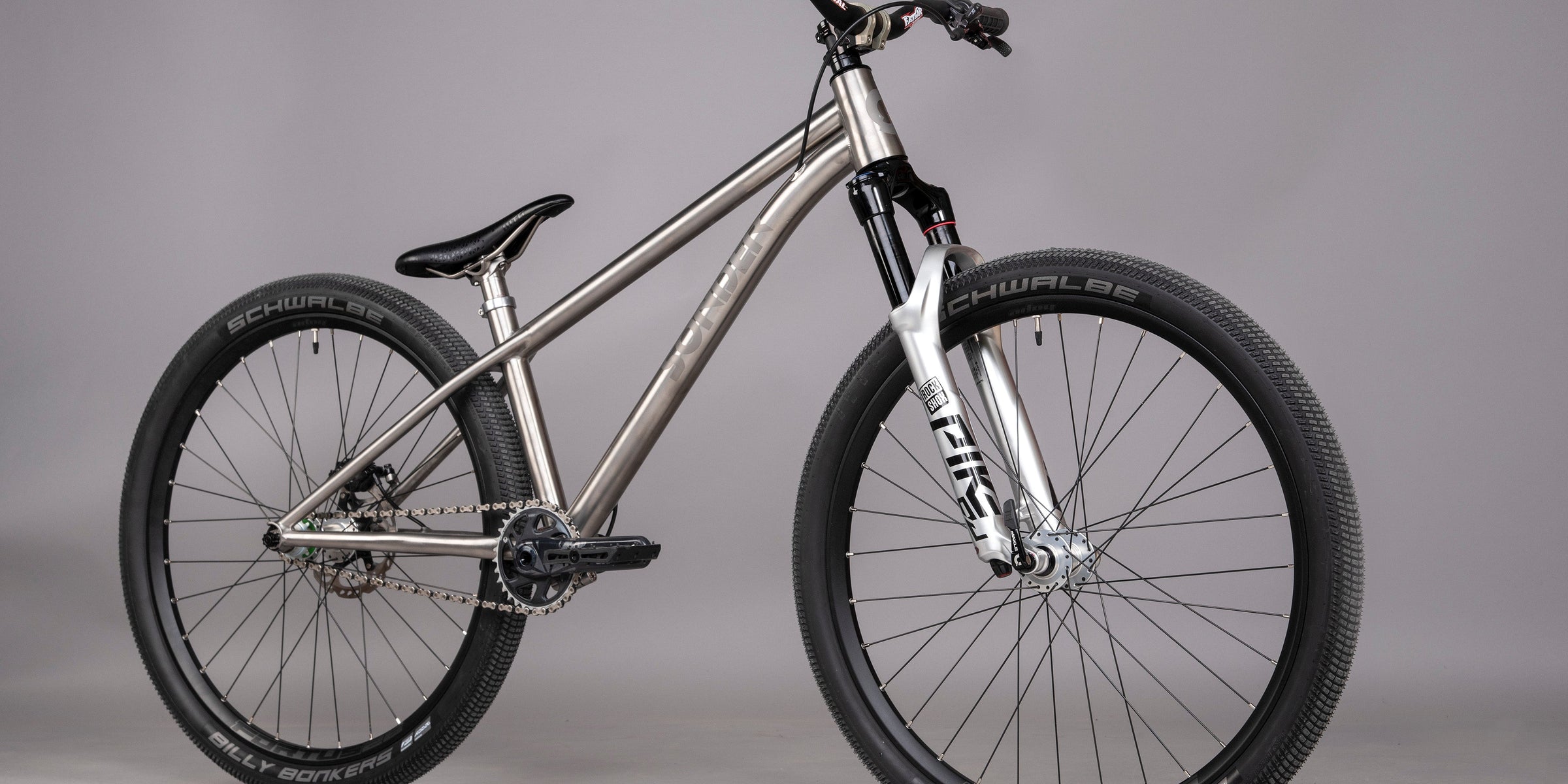
Dirt jump bikes have special parts for jumping and landing. They are strong and light. The frame is compact for easy control.
- Strong frame to handle impact
- Suspension forks for shock absorption
- Wide tires for better grip
- Single gear for simplicity and strength
- Powerful brakes for quick stops
The bike’s design helps you stay balanced in the air. It also makes landing smooth and safe.
Importance Of Handlebar Choice
Handlebars affect your control and comfort. The right handlebar helps you steer better during jumps and tricks.
Different bars offer different widths and shapes. Choose one that fits your riding style and body size.
- Wide bars give more control and stability
- Riser bars raise your hands for a comfortable grip
- Flat bars offer a low, aggressive position
- Strong materials prevent bending or breaking
Common Handlebar Types
Dirt jump bikes use different handlebar types to suit riding style. Choosing the right handlebar helps control and comfort.
Here are common handlebar types for dirt jump bikes. Each type offers unique features for riders.
Riser Bars
Riser bars have a slight rise from the center to the ends. This design gives a more upright riding position.
They offer good control and comfort on jumps and rough landings. Many riders prefer riser bars for better handling.
Flat Bars
Flat bars are straight with little to no rise. They provide a low and aggressive riding posture.
This type helps with speed and quick steering. Riders who want fast reactions often choose flat bars.
Bmx Style Bars
BMX style bars are tall and wide with a crossbar in the middle. They offer strong support and durability.
These bars work well for tricks and jumps. Many dirt jump riders like BMX bars for their strength and control.
Material Options
Choosing the right material for dirt jump bike handlebars affects strength and weight.
Each material offers different benefits and drawbacks for riders.
Aluminum
Aluminum handlebars are popular because they are light and strong.
They resist rust and are affordable for most riders.
- Lightweight for easier control
- Good strength for jumps and tricks
- Resistant to corrosion
- Moderate cost
Carbon Fiber
Carbon fiber handlebars are very light and absorb shocks well.
They help reduce rider fatigue but tend to be more expensive.
| Feature | Benefit | Drawback |
| Weight | Very light | Higher cost |
| Shock Absorption | Excellent | Can crack under impact |
| Durability | Good for normal use | Less impact-resistant than metal |
Steel
Steel handlebars are heavy but very strong and durable.
They can bend instead of breaking, which can be safer in crashes.
- High strength and toughness
- More weight than other materials
- Can rust if not protected
- Usually lower cost
Size And Shape Considerations
Choosing the right handlebar for your dirt jump bike affects your ride control. Size and shape are key to comfort and performance.
Handlebars come in many sizes and shapes. Knowing what fits your style helps you jump better and ride safer.
Width And Sweep
Handlebar width influences how stable you feel. Wider bars give more control but may slow your turns.
Sweep means how much the bars curve backward. It changes wrist comfort and riding posture.
- Wide bars help with balance on big jumps
- Narrow bars make quick turns easier
- More sweep suits riders who want a relaxed grip
- Less sweep fits riders who like a forward lean
Rise And Back Sweep
Rise is the height from the center clamp to the grips. Higher rise lifts your hands for better clearance.
Back sweep is how much the bars bend backward toward you. It changes how your wrists sit and affects comfort.
- High rise bars help riders who like a more upright position
- Low rise bars suit riders who prefer a low, aggressive stance
- More back sweep eases wrist strain on long rides
- Less back sweep gives a stronger, more direct feel
Handlebar Strength And Durability
Dirt jump bike handlebars must be strong and durable. They face heavy impacts during jumps and tricks. Choosing the right handlebar type helps avoid damage and keeps you safe.
Handlebar strength depends on the material and design. Durable handlebars last longer and handle rough rides better. Let’s look at key factors like impact resistance and weight versus strength.
Impact Resistance
Impact resistance means how well a handlebar can absorb shocks without breaking. Dirt jump handlebars must handle hard landings and crashes. Strong materials and good design improve impact resistance.
Steel handlebars offer high impact resistance and bend instead of breaking. Aluminum is lighter but can crack under heavy impacts. Carbon fiber is light but less impact resistant and may fail suddenly.
- Steel bends on impact, reducing break risk
- Aluminum is lighter but may crack
- Carbon fiber is very light but less impact resistant
Weight Vs Strength Trade-offs
Light handlebars make it easier to control the bike during jumps. But lighter materials often sacrifice some strength. Stronger handlebars may weigh more but last longer and handle stress better.
Choosing the right balance depends on riding style. Aggressive jumpers may prefer stronger, heavier bars. Casual riders might pick lighter bars for easier handling. Consider your needs before deciding.
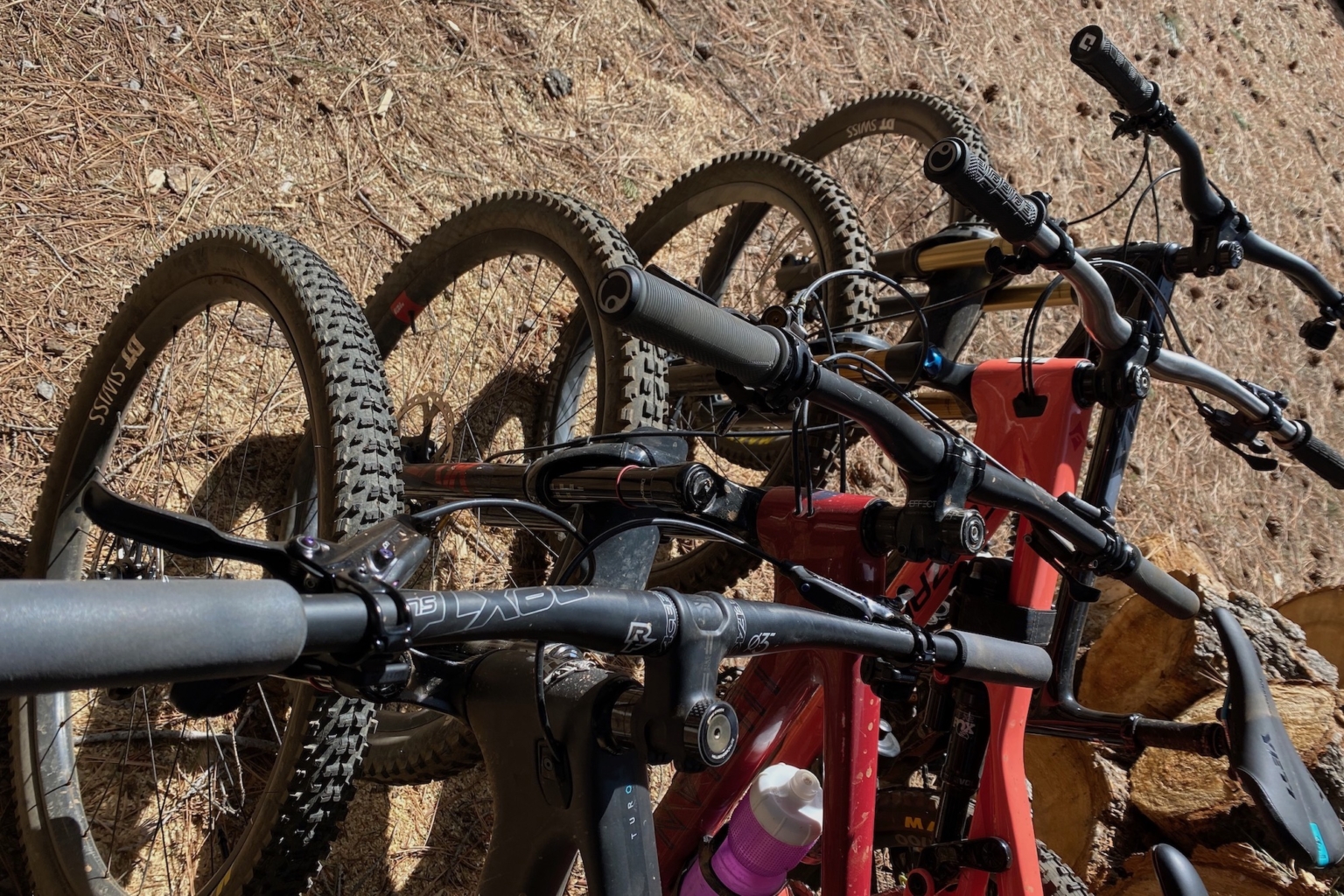
| Material | Weight | Strength | Best For |
|---|---|---|---|
| Steel | Heavier | High | Strong impact resistance, durability |
| Aluminum | Medium | Medium | Balance of lightness and strength |
| Carbon Fiber | Lightest | Lower impact resistance | Lightweight, less aggressive riding |
Credit: gearjunkie.com
Choosing The Right Handlebar For You
Picking the right handlebar helps improve your dirt jump bike rides. It affects how you control the bike and feel during jumps.
Different handlebars suit different riders and terrains. Knowing your needs makes choosing easier.
Riding Style And Terrain
Your riding style and where you ride impact the handlebar type. Some bars work better on rough trails, others on smooth tracks.
Wide handlebars give more control on rough terrain. Narrow bars help with quick turns and tricks.
- Wide bars: good for stability on bumpy terrain
- Narrow bars: better for tricks and tight spots
- Rise height: choose higher rise for rough trails, lower for smooth tracks
Personal Comfort And Control
Comfort affects how long and well you ride. Choose handlebars that fit your body size and riding posture.
Handlebar shape and width affect your grip and control. Some riders like a slight bend for better hand positioning.
- Check bar width to match shoulder width
- Pick a shape that feels natural to hold
- Consider the material for weight and durability
Installation And Maintenance Tips
Dirt jump bike handlebars need careful installation and upkeep. Proper care helps keep your rides safe and smooth.
This guide covers how to fit your handlebars correctly and how to check them regularly.
Proper Fit And Adjustment
Choose handlebars that match your riding style and body size. The right fit reduces strain and improves control.
- Measure your shoulder width to select handlebar width.
- Set the handlebar height for comfort and better balance.
- Tighten all bolts with a torque wrench to recommended settings.
- Adjust brake and gear levers for easy reach without strain.
Regular Inspection And Care
Inspect your handlebars before every ride. Look for cracks, bends, or loose parts.
| Inspection Item | What to Check | Frequency |
|---|---|---|
| Bolts | Ensure tightness, no rust | Before each ride |
| Handlebar Tube | Check for cracks or bends | Weekly |
| Grips | Look for wear or slipping | Monthly |
| Brake and Gear Levers | Test smooth operation | Before each ride |
Clean your handlebars with mild soap and water. Avoid harsh chemicals that damage materials.
Credit: us.alpkit.com
Credit: www.mtbr.com
Frequently Asked Questions
What Are The Main Types Of Dirt Jump Bike Handlebars?
The main types include riser bars, flat bars, and mini risers. Each offers different control and comfort levels for dirt jumping.
How Do Handlebar Types Affect Dirt Jump Performance?
Handlebar shape and width impact bike control, stability, and rider comfort during jumps and landings.
Which Handlebar Type Is Best For Beginners?
Riser bars are ideal for beginners. They provide better control and a comfortable riding position.
Can Handlebar Material Influence Dirt Jumping?
Yes, materials like aluminum and carbon affect weight, strength, and vibration absorption during jumps.
Conclusion
Choosing the right dirt jump bike handlebar type makes a big difference. Each type offers unique control and comfort for your ride. Think about your style and what feels best when you jump. Trying different handlebars helps find the perfect fit.
Remember, good handlebars help you ride safer and better. Keep practicing and enjoy every jump with confidence. Your bike handles your tricks, so choose wisely.



