
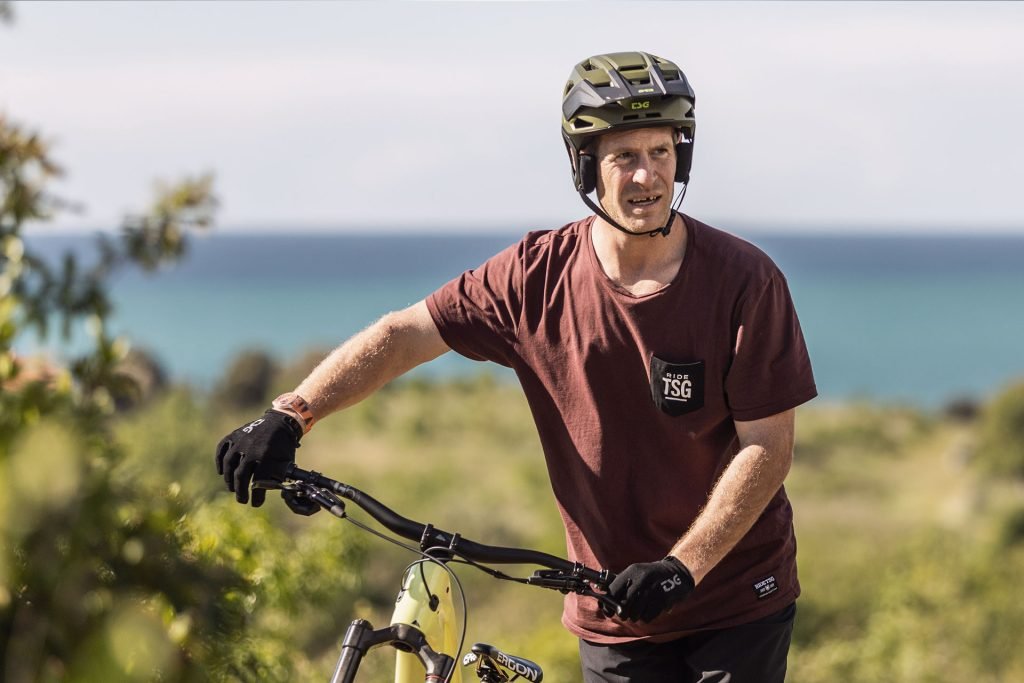
Are you ready to take your dirt jumping skills to the next level? Before you hit those ramps and land those tricks, making sure you have the right protective gear is a must.
Your safety should never take a back seat, and the right equipment can keep you confident and injury-free. In this guide, you’ll discover exactly what gear you need, how to choose it, and why each piece is essential. Keep reading to protect yourself like a pro and enjoy every jump with peace of mind.
Choosing The Right Helmet
Protective gear is essential for dirt jump biking. A helmet protects your head from injuries. Choosing the right helmet keeps you safe and comfortable.
There are different types of helmets. This guide helps you pick the best one for your dirt jump bike rides.
Full-face Vs. Open-face Helmets
Full-face helmets cover the entire head and face. Open-face helmets cover only the top and sides of the head. Each has pros and cons for dirt jumping.
- Full-Face Helmets:Offer full protection, especially for the chin and jaw.
- Open-Face Helmets:Are lighter and offer better ventilation.
- Full-face helmets are best for high-risk jumps.
- Open-face helmets suit riders who want more airflow.
Helmet Fit And Comfort
A helmet must fit snugly without feeling tight. Comfort keeps you focused and safe during rides. Measure your head and try helmets before buying.
| Fit Factor | How to Check |
|---|---|
| Snugness | The helmet should not move when you shake your head. |
| Padding | Look for soft inner pads that cushion your head. |
| Strap Adjustment | Straps should hold the helmet firmly without pinching. |
| Ventilation | Check for vents that allow air flow to keep you cool. |
Safety Certifications To Look For
Helmets must meet safety standards to protect your head well. Look for these common certifications when buying a helmet.
- CPSC:U.S. Consumer Product Safety Commission standard.
- EN 1078:European standard for bicycle helmets.
- ASTM F1952:For downhill mountain biking helmets.
- Snell B-95:High safety standard for bike helmets.
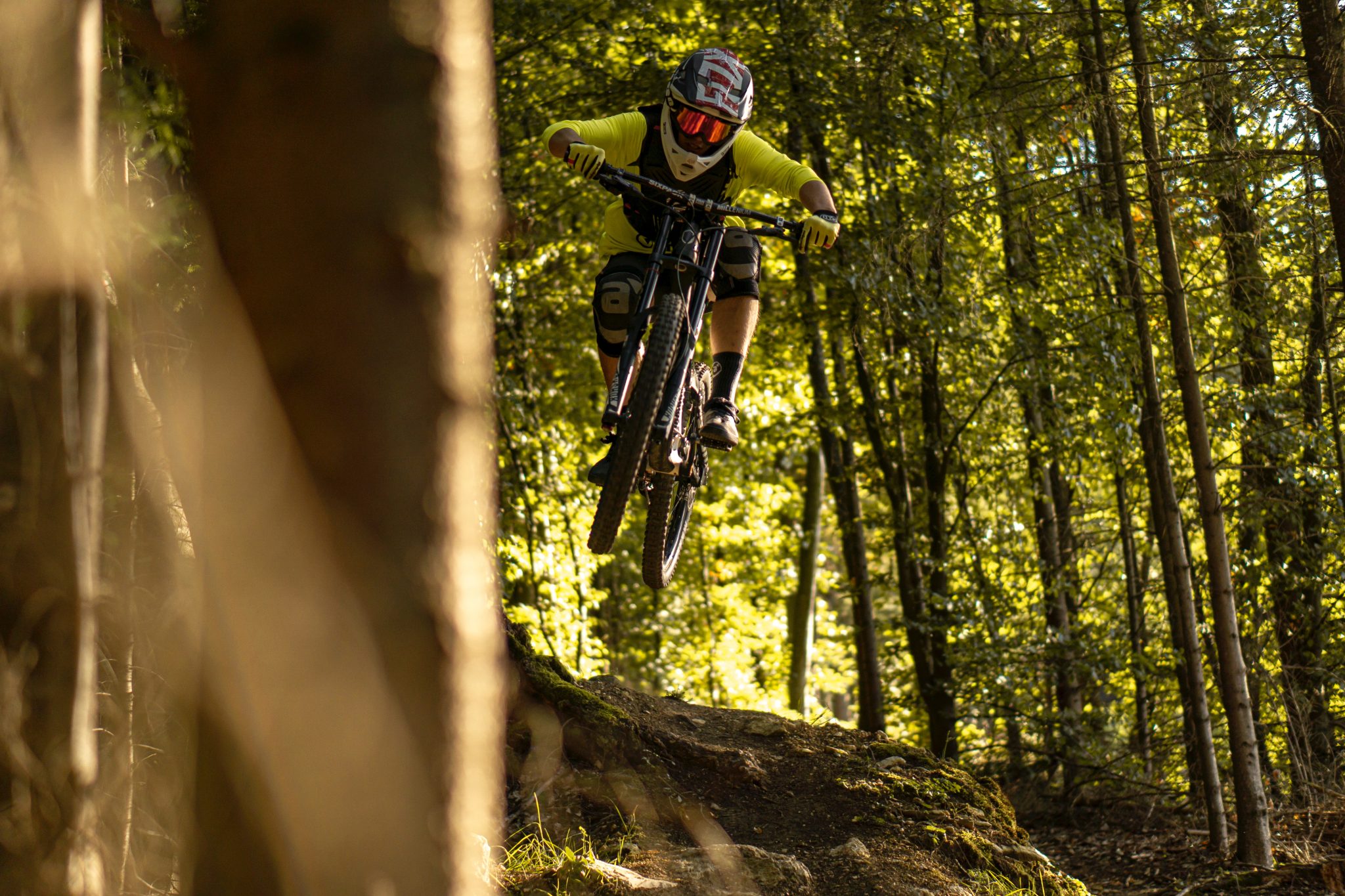
Credit: www.brittany.com.ph
Protective Clothing Essentials
Dirt jump biking is an exciting sport that needs the right clothes. Protective clothing helps keep you safe from falls and scrapes.
Wearing the right gear can reduce injuries and make riding more comfortable. Focus on strong and flexible clothing.
Durable Jerseys And Pants
Choose jerseys and pants made from tough materials. They protect your skin if you fall on rough dirt or rocks.
Durable clothing lasts longer and stands up to wear and tear from jumps and crashes.
Impact-resistant Gloves
Gloves protect your hands from impacts and scrapes. They help you hold the bike better, even when your hands sweat.
Look for gloves with padding on the palms and fingers. This adds extra protection during hard landings.
Breathable And Flexible Fabrics
Wear clothes made from fabrics that let air pass through. This keeps you cool and dry while riding hard.
Flexible fabrics allow you to move freely. This helps you control the bike and react quickly on jumps.
Body Armor And Pads
Dirt jump biking is an exciting sport that needs good protection. Wearing the right body armor and pads keeps you safe from injuries. This guide covers key gear you should wear.
Focus on protecting your knees, elbows, chest, back, and neck. Each part needs special gear designed for impact and comfort.
Knee And Elbow Pads
Knee and elbow pads protect your joints during falls and jumps. They help absorb shocks and stop scrapes and bruises. Choose pads with strong outer shells and soft inner padding.
- Look for adjustable straps for a snug fit
- Pick lightweight pads to avoid limiting movement
- Check for breathable materials to keep cool
- Choose pads certified for impact protection
Chest And Back Protectors
Chest and back protectors guard your torso from hard hits. They spread out the force of impacts and protect your ribs and spine. Most protectors have a tough plastic shell combined with foam padding inside.
| Feature | Why It Matters |
| Hard outer shell | Blocks sharp objects and strong impacts |
| Foam padding | Absorbs shocks and cushions your body |
| Adjustable straps | Keeps the protector in place |
| Ventilation holes | Improves airflow and comfort |
Neck Braces For Added Safety
Neck braces reduce the risk of serious neck injuries. They limit extreme head movement during crashes. Choose a brace that fits well and feels comfortable. Make sure it works with your helmet.
- Try different sizes before buying
- Wear the brace over a thin layer of clothing
- Check compatibility with your helmet model
- Regularly inspect for cracks or damage
Footwear For Dirt Jumping
Choosing the right footwear is key for dirt jumping safety and performance. Your shoes must support your feet and work well with your bike pedals.
Good dirt jumping shoes keep you stable, protect your feet, and last through tough rides.
Supportive Mountain Bike Shoes
Supportive shoes help keep your foot steady on the pedal. They reduce foot fatigue and prevent injuries. Look for shoes with firm soles and good ankle support.
Grip And Pedal Compatibility
Your shoes must grip the pedals tightly to avoid slipping. The sole pattern and material affect grip. Check if the shoes match your pedal type, such as flat or clipless pedals.
- Flat pedals need sticky rubber soles.
- Clipless pedals require shoes with cleat mounts.
- Test shoes with your pedals before riding.
- A good grip improves control and safety.
Durability And Protection
Dirt jumping can wear out shoes fast. Durable materials and strong construction help shoes last. Protection around toes and heels guards against impacts and scrapes.
| Feature | Benefit |
|---|---|
| Reinforced toe cap | Protects toes from rocks and crashes |
| Thick sole | Absorbs shock and lasts longer |
| Water-resistant fabric | Keeps feet dry in wet conditions |
| Strong stitching | Prevents shoe from falling apart |
Additional Safety Accessories
Protective gear is essential for dirt jump biking. Some extra accessories help keep you safer and more comfortable.
These add-ons improve your riding experience and help prevent injuries during jumps and tricks.
Goggles And Eye Protection
Goggles protect your eyes from dust, dirt, and debris. They help keep your vision clear while riding fast.
Look for goggles with a snug fit and anti-fog lenses. This keeps your eyes safe and your view clear.
- Protect eyes from flying debris
- Reduce glare in bright sunlight
- Prevent dust and wind irritation
- Provide UV protection
Hydration Packs
Staying hydrated during dirt jumping is important. A hydration pack lets you drink water without stopping.
These packs hold water and fit comfortably on your back. They keep you refreshed and ready for longer rides.
- Easy access to water on the trail
- Hands-free drinking with a tube
- Storage space for small items
- Lightweight and comfortable design
First Aid Kit Basics
A small first aid kit is a must-have accessory. It helps you treat minor cuts or scrapes quickly.
Your kit should include bandages, antiseptic wipes, and pain relievers. Keep it easy to carry on your rides.
- Adhesive bandages for small cuts
- Antiseptic wipes to clean wounds
- Pain relief medication
- Small scissors and tweezers
- Instructions for basic care
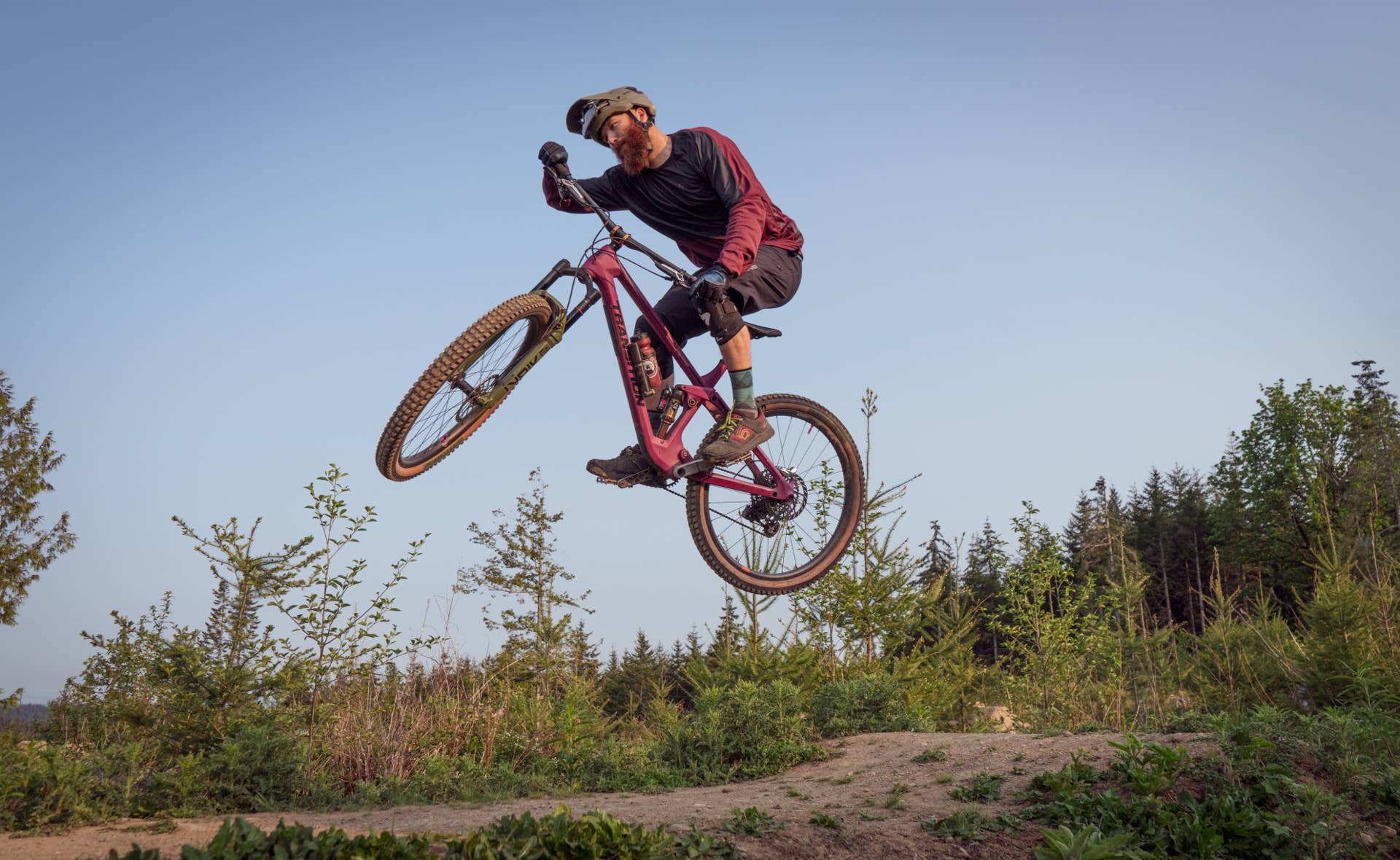
Credit: www.bikemag.com
Maintaining Your Gear
Keeping your dirt jump bike protective gear clean and in good shape is very important. Proper care helps your gear last longer and keeps you safe while riding.
Regular checks and cleaning make sure your gear works well every time you use it. Let’s look at how to maintain your gear.
Cleaning And Care Tips
Clean your protective gear after each ride. Dirt and sweat can damage the materials over time.
Use mild soap and water to wash pads, gloves, and helmets. Avoid strong chemicals that can weaken the gear.
- Remove dirt with a soft brush before washing
- Hand wash gear instead of using machines
- Air dry gear away from direct sunlight
- Store gear in a cool, dry place
Inspecting For Wear And Tear
Check your gear regularly for signs of damage. Small tears or cracks can reduce protection.
Look at straps, padding, and shells for any breaks or weak spots. Make sure all buckles and fasteners work well.
- Check helmet for cracks or dents
- Look for holes or thinning in pads
- Test straps to ensure they hold firmly
- Inspect gloves for worn areas or holes
Replacing Gear When Needed
Replace gear that shows serious damage or no longer fits well. Old gear may not protect you properly.
Helmets should be replaced after any major impact. Pads and gloves should be swapped out if they lose padding or tear.
- Replace helmets after crashes or every few years
- Swap pads if padding is compressed or ripped
- Change gloves if stitching comes loose
- Upgrade gear to match your riding level
Fitting And Adjusting Your Gear
Wearing the right protective gear keeps you safe while dirt jumping. Proper fit and adjustments help your gear work well. Make sure your gear fits tight but feels comfortable.
Adjusting your gear correctly prevents injuries. It also lets you move freely while riding. Take time to check each piece before you start.
Proper Strap Adjustment
Straps hold your gear in place. Tighten them so the gear does not shift during jumps. Avoid straps that are too tight and cut into your skin.
Check all straps on your helmet, knee pads, and elbow pads. Make small adjustments until the gear feels secure but not painful.
- Fasten helmet straps under your chin firmly
- Secure knee and elbow pads with snug straps
- Adjust wrist guards so they do not slide
Ensuring Mobility And Comfort
Your gear must allow easy movement. Check that you can bend and twist without restrictions. Comfort helps you focus and ride better.
Wear your gear and try jumping motions. If you feel tight spots or pain, adjust or change the gear. Good mobility keeps you safe.
- Test bending knees and elbows fully
- Move your neck freely inside the helmet
- Walk and jump to check comfort
Testing Gear Before Riding
Always test your gear before riding. Make small jumps or ride slowly to check stability. Watch for any slipping or discomfort.
Fix problems right away. Loose or broken gear can cause accidents. Proper testing gives you confidence and safety.
- Do a quick safety check before each ride
- Look for tears, cracks, or worn straps
- Try small jumps to feel how the gear reacts
Budgeting For Protective Gear
Dirt jumping is fun but also risky. Wearing the right protective gear keeps you safe. Planning your budget helps you buy good gear without spending too much.
Knowing what to buy and where to shop saves money. This guide helps you balance cost and quality, pick essentials, and find the best places to buy gear.
Balancing Cost And Quality
Cheap gear might not protect well, but expensive gear can be too costly. Find gear that lasts and protects without breaking your budget.
- Check product reviews for durability and safety
- Look for sales or discounts at trusted stores
- Buy gear with good warranties or return policies
- Consider mid-range brands with solid protection
- Avoid very cheap gear that lacks safety certification
Prioritizing Essential Items
Focus on gear that protects your head, hands, and knees first. These parts get hurt most in dirt jumping crashes.
| Protective Gear | Importance | Budget Tip |
| Helmet | Highest | Invest in a certified helmet |
| Knee Pads | High | Choose comfortable and durable pads |
| Gloves | Medium | Pick gloves with good grip and padding |
| Elbow Pads | Medium | Optional but helpful for extra protection |
| Body Armor | Low | Consider after getting other essentials |
Where To Buy Gear
Find gear at bike shops, sports stores, or online. Each place has pros and cons for price and choice.
- Local Bike Shops:Try gear before buying. Prices may be higher.
- Sporting Goods Stores:Good for basics and sales on common gear.
- Online Retailers:More options and deals. Check shipping and return policies.
- Second-Hand Gear:Save money but inspect for damage and wear.
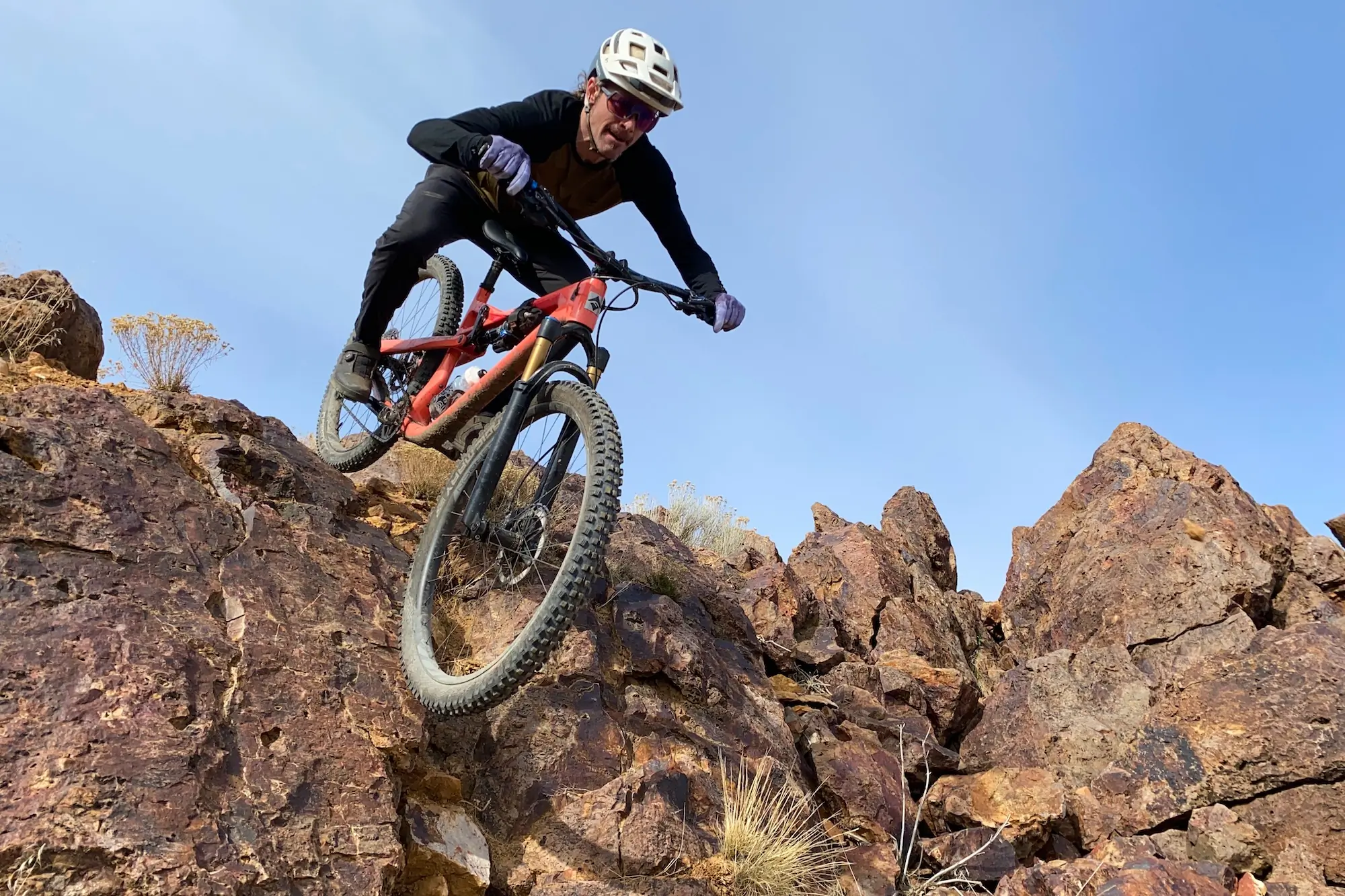
Credit: gearjunkie.com
Frequently Asked Questions
What Protective Gear Is Essential For Dirt Jump Biking?
Essential protective gear includes a full-face helmet, gloves, knee pads, elbow pads, and sturdy shoes. This gear protects against falls and injuries during jumps and tricks, ensuring safety while riding.
How Do I Choose The Right Dirt Jump Helmet?
Choose a helmet that fits snugly, offers full-face coverage, and has good ventilation. Look for certifications like ASTM or CPSC for safety assurance in dirt jump biking.
Why Are Knee And Elbow Pads Important For Dirt Jumping?
Knee and elbow pads cushion impacts during falls and prevent scrapes and bruises. They are vital for protecting joints and minimizing injury risks while performing jumps and tricks.
Can I Ride Dirt Jumps Without Gloves?
Gloves improve grip and protect hands from blisters and abrasions. Riding without gloves increases injury risk and reduces control, so wearing gloves is highly recommended.
Conclusion
Wearing the right dirt jump bike protective gear keeps you safe and confident. Helmets, pads, and gloves protect you from falls and injuries. Choose gear that fits well and feels comfortable. Regularly check your equipment for any damage. Safety allows you to enjoy dirt jumping more.
Stay alert and respect your limits. Good gear helps you ride harder and longer. Protect yourself and have fun on every jump.



