
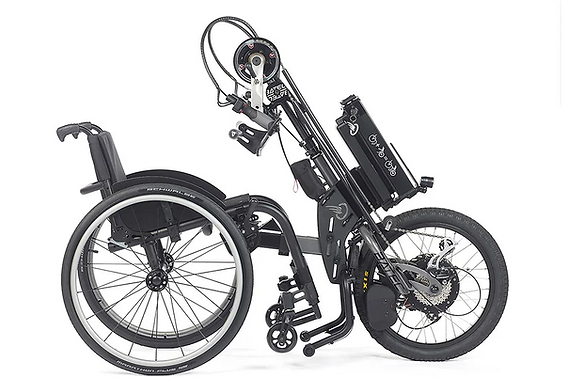
Choosing the right hand-pedaled adaptive cycle can change the way you move, exercise, and enjoy the outdoors. But with so many options available, how do you know which one fits your needs best?
Whether you want more freedom, better comfort, or enhanced control, the right cycle is out there waiting for you. In this guide, you’ll discover simple steps to find the perfect hand-pedaled adaptive cycle that matches your lifestyle and goals. Keep reading, because making the right choice could open up a world of new possibilities for you.
Benefits Of Hand-pedaled Adaptive Cycles
Hand-pedaled adaptive cycles help people with limited leg movement enjoy cycling. These cycles use hand power instead of foot pedaling.
Choosing the right hand-pedaled cycle brings many advantages for users. These benefits improve daily life and overall well-being.
Improved Mobility And Independence
Hand-pedaled adaptive cycles give users more freedom to move around. They allow people to travel short or long distances on their own.
Users can go to parks, shops, or visit friends without relying on others. This increases their independence and self-confidence.
Physical Health Advantages
Using a hand-pedaled cycle helps improve upper body strength. It also boosts cardiovascular health through regular exercise.
People with limited leg use can stay active and fit. This helps reduce health risks like heart disease and obesity.
- Strengthens arms, shoulders, and chest muscles
- Improves heart and lung function
- Supports weight management
- Enhances joint flexibility and movement
Social And Recreational Opportunities
Hand-pedaled cycles help users join social activities and group rides. They provide a way to meet new people and make friends.
These cycles open access to outdoor fun and hobbies. Users can enjoy nature and feel part of their community.
- Participate in cycling clubs or events
- Explore parks and trails with others
- Boost mood and reduce feelings of isolation
- Share hobbies and interests with friends

Credit: www.rifton.com
Types Of Hand-pedaled Adaptive Cycles
Hand-pedaled adaptive cycles help people with limited leg movement enjoy cycling. These cycles come in different styles to fit various needs and preferences.
Choosing the right type depends on comfort, control, and the user’s physical ability. Understanding the main types helps make a good choice.
Recumbent Handcycles
Recumbent handcycles have a reclined seat that supports the back and neck. Users pedal with their hands while sitting low to the ground.
This design offers good comfort and stability. It is great for people who need strong back support or want a relaxed riding position.
Upright Handcycles
Upright handcycles have a seat that is higher and more like a traditional bike. Riders sit straight up and pedal with their hands.
This style gives a better view of the road and easier steering. It suits users who want a more active and alert riding position.
Three-wheel And Four-wheel Models
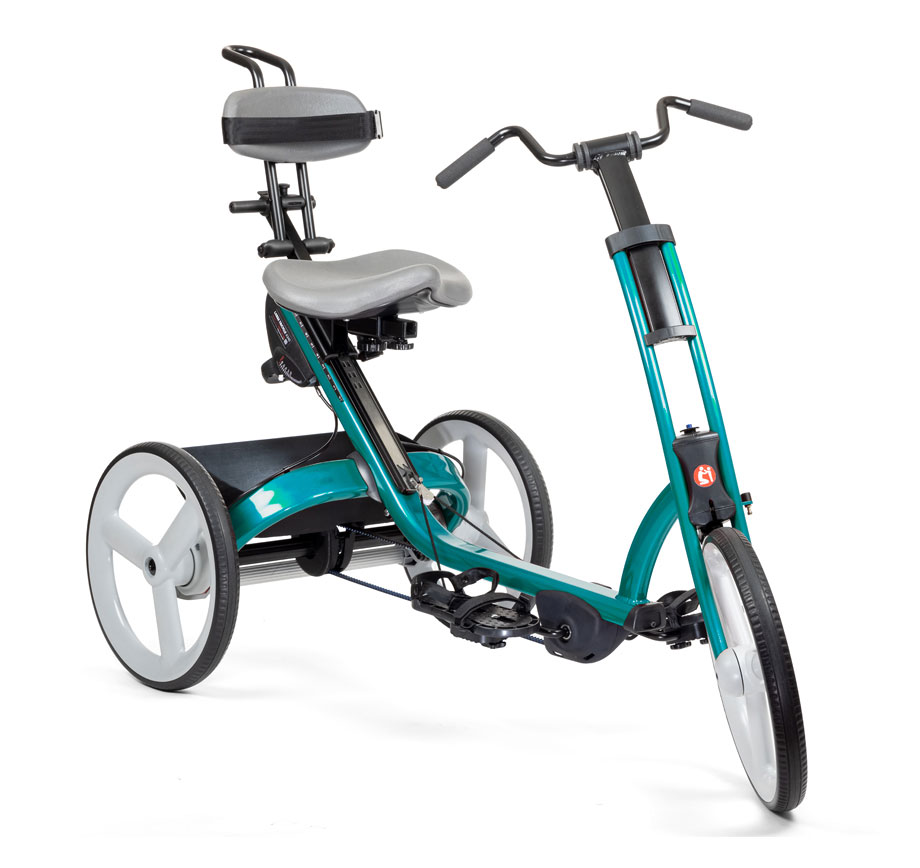
Three-wheel and four-wheel handcycles offer extra balance and stability. They are less likely to tip over compared to two-wheel models.
Three-wheel cycles are easier to steer, while four-wheel cycles provide strong support for rough surfaces. Both types help users feel safer.
- Three-wheel: better turning and control
- Four-wheel: more stability and support
- Both good for beginners or uneven terrain
Key Features To Consider
Choosing a hand-pedaled adaptive cycle takes thought. Each feature plays a role in your comfort and safety. Focus on what suits your needs best.
This guide highlights key features to help you pick the right cycle. Learn about frame materials, comfort, gears, brakes, and storage options.
Frame Material And Weight
The frame material affects the cycle’s weight and strength. Lightweight frames make cycling easier. Strong materials improve durability and safety.
- Aluminum frames are light and resist rust.
- Steel frames are strong but heavier.
- Carbon fiber is very light but usually costs more.
Adjustability And Comfort
Comfort is key for long rides. Adjustable seats and handlebars help you find the right fit. Look for cycles with padded seats and back support.
| Feature | Benefit |
| Adjustable seat height | Fits riders of different sizes |
| Handlebar angle adjustment | Improves hand position and comfort |
| Padded seat and backrest | Reduces pressure and fatigue |
Gear Systems And Brakes
Gears help you pedal easily on hills and flat roads. Brakes keep you safe by stopping the cycle quickly. Choose simple and reliable systems.
- Look for cycles with multiple gears for varied terrain.
- Disc brakes offer strong stopping power in all weather.
- Coaster brakes are easy to use and low maintenance.
Portability And Storage
Consider how easy it is to move and store the cycle. Lightweight and foldable cycles save space and are easy to transport.
- Folding frame for compact storage
- Quick-release wheels for easy removal
- Carrying handles or straps
Sizing And Fit
Choosing the right size and fit for a hand-pedaled adaptive cycle is key to comfort and control. A proper fit helps prevent strain and improves cycling efficiency.
This guide covers how to measure for the right fit, adjust seat position, and find the best handlebar reach.
Measuring For The Right Fit
Take accurate body measurements before selecting a cycle. This helps match the frame size and components to your body.
- Measure your inseam length from crotch to floor
- Measure your torso length from waist to shoulders
- Measure arm length from shoulder to wrist
- Note your overall height and weight
Seat Position And Support
The seat should support your hips and allow easy leg movement. Proper seat height and angle reduce pressure on your back and knees.
| Seat Adjustment | Recommended Range |
| Height | Set so knees bend slightly at pedal bottom |
| Angle | Level or tilted slightly forward for comfort |
| Support | Firm padding with good lower back support |
Handlebar Reach And Control
The handlebars must be easy to reach without stretching. Correct reach helps maintain control and reduces arm fatigue.
Check these points for handlebar fit:
- Arms should bend slightly at the elbows when holding handlebars.
- Handlebars should be level with or just below shoulder height.
- Grip size should fit your hand comfortably without slipping.
Safety And Accessibility
Choosing the right hand-pedaled adaptive cycle ensures safe and easy riding. Safety and accessibility are key factors to consider.
Focus on features that help maintain control and comfort. This guide covers important safety and accessibility points.
Stability And Balance
Stable cycles reduce the risk of falls and accidents. Look for wide bases and low centers of gravity to improve balance.
Three-wheel designs offer extra stability. They are easier to balance than two-wheel cycles, especially for beginners.
- Wide tires provide better grip on different surfaces
- Adjustable seats help maintain proper posture
- Low center of gravity prevents tipping over
- Three wheels add extra balance support
Visibility And Lighting
Good visibility helps the rider see and be seen. Choose cycles with bright reflectors and built-in lights for safety.
Lights should work well in low light and night conditions. Reflective tape and bright colors also improve visibility to others.
- Front and rear lights increase rider visibility
- Reflective materials on frame and tires enhance safety
- Bright colors make the cycle easier to spot
- Consider adding extra lights for night riding
Custom Modifications
Custom parts make the cycle easier to use and more comfortable. Adapt pedals, seats, and handles to fit personal needs.
Modifications can include adding supports or changing controls. This helps riders with different abilities enjoy their ride safely.
- Pedal extensions for easier reach
- Seat cushions for extra comfort
- Handle grips designed for better control
- Support straps to secure feet during riding
Budget And Warranty
Choosing a hand-pedaled adaptive cycle means thinking about your budget and warranty. These factors help you find a cycle that fits your needs and lasts long.
Understanding costs and warranty options can save you money and give peace of mind. Let’s explore these important points.
Cost Range And Investment
Hand-pedaled adaptive cycles vary in price based on features and quality. Basic models are cheaper but may lack some functions.
More expensive cycles offer better comfort, durability, and customization. Consider how often you will use the cycle before deciding.
- Basic models: $1,000 to $3,000
- Mid-range models: $3,000 to $5,000
- High-end models: $5,000 and above
Warranty Coverage And Service
Warranty protects your cycle from defects and repairs. Check what parts are covered and for how long.
Good warranties include service support and replacement parts. This helps keep your cycle working well without extra cost.
- Frame warranty usually lasts 5 years or more
- Parts warranty ranges from 1 to 3 years
- Some companies offer repair services or support
Used Vs New Options
Used cycles cost less but may have wear or missing parts. Inspect carefully before buying used.
New cycles come with full warranty and latest features. They may be more reliable for long-term use.
- Used: lower price, possible repairs needed
- New: full warranty, latest technology
- Consider your budget and how much use you need
Testing And Trial Options
Choosing the right hand-pedaled adaptive cycle takes time. Testing different options helps find the best fit. Trying cycles before buying reduces mistakes.
This guide covers ways to test and try adaptive cycles. Learn about demo rides, rentals, working with specialists, and user feedback.
Demo Rides And Rentals
Demo rides let you try hand-pedaled cycles for a short time. Rentals offer longer use, sometimes for days or weeks. Both help you feel how the cycle handles.
- Schedule demo rides at local bike shops or adaptive cycle dealers.
- Rent cycles to test on different terrains and routes.
- Check rental terms and any deposit requirements.
- Take notes about comfort, control, and ease of use.
Working With Specialists
Specialists like therapists or adaptive cycle experts can guide your choice. They assess your needs and suggest suitable models. They may also assist during trials.
| Specialist Type | Role | Benefits |
| Physical Therapist | Evaluates physical ability | Recommends cycles that match strength and mobility |
| Adaptive Cycle Dealer | Provides demo cycles | Offers practical advice and fitting help |
| Occupational Therapist | Assesses daily needs | Suggests adaptations for easier use |
Feedback From Users
User reviews and testimonials show real experiences with hand-pedaled cycles. They highlight pros and cons that tests might miss. Listening to users can guide your choice.
- Comfort during long rides
- Durability of parts
- Ease of maintenance
- Customer service quality

Credit: www.rollinginparadise.com
Credit: www.rifton.com
Frequently Asked Questions
What Are Hand-pedaled Adaptive Cycles?
Hand-pedaled adaptive cycles are specially designed bikes powered by hand cranks. They assist individuals with lower-body disabilities. These cycles offer improved mobility, exercise, and outdoor enjoyment. They come in various styles to suit different needs and preferences.
How To Choose The Right Size Cycle?
Choosing the right size depends on your height and arm reach. Measure your torso and arm length for proper fit. The cycle should allow comfortable hand pedaling without strain. Check manufacturer size guides to ensure optimal comfort and control.
What Features Improve Cycle Stability?
Look for wide wheelbases and low centers of gravity. These features enhance balance and prevent tipping. Adjustable seats and handlebars also add stability. Durable frames and quality tires contribute to safe rides on various terrains.
Are Hand-pedaled Cycles Suitable For All Disabilities?
Hand-pedaled cycles cater to many but not all disabilities. They work best for users with upper-body strength and control. Consult a specialist to assess individual needs. Custom adaptations can make cycles accessible for various conditions.
Conclusion
Choosing the right hand-pedaled adaptive cycle takes thought and care. Consider comfort, safety, and ease of use first. Test different models to find your best fit. Remember, the cycle should match your needs and abilities. Taking time to decide helps you enjoy every ride.
Enjoy freedom and fun with the right adaptive cycle. Keep these tips in mind for a smart choice. Your perfect cycle awaits.



