
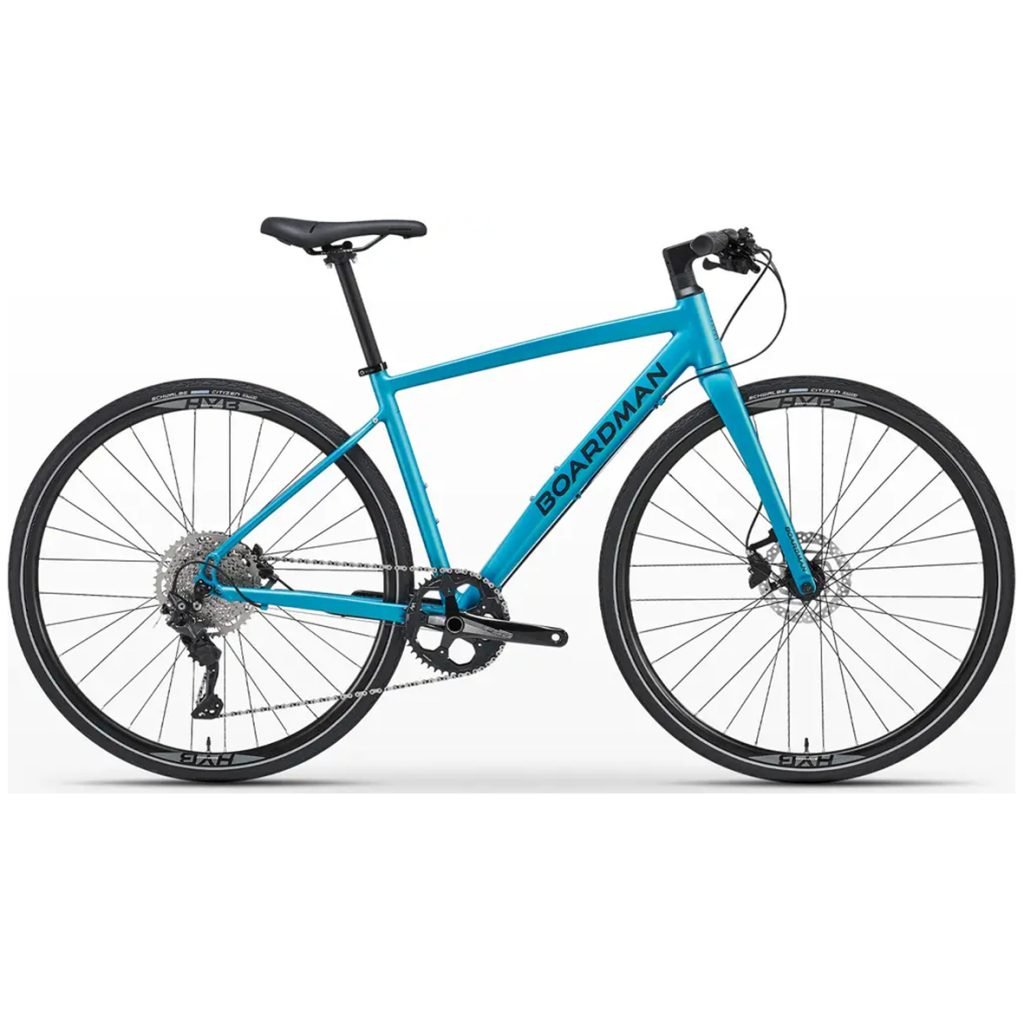
Choosing the right bike can feel overwhelming, especially when you’re deciding between a women’s road bike and a hybrid bike. You want a bike that fits your style, comfort, and the way you ride.
But how do you know which one is truly best for you? This guide will help you cut through the confusion and find the perfect match for your rides. By the end, you’ll feel confident about your choice and excited to hit the road or trail with your new bike.
Let’s dive in and discover what suits your needs and lifestyle the best.
Credit: www.cyclingnews.com
Key Differences
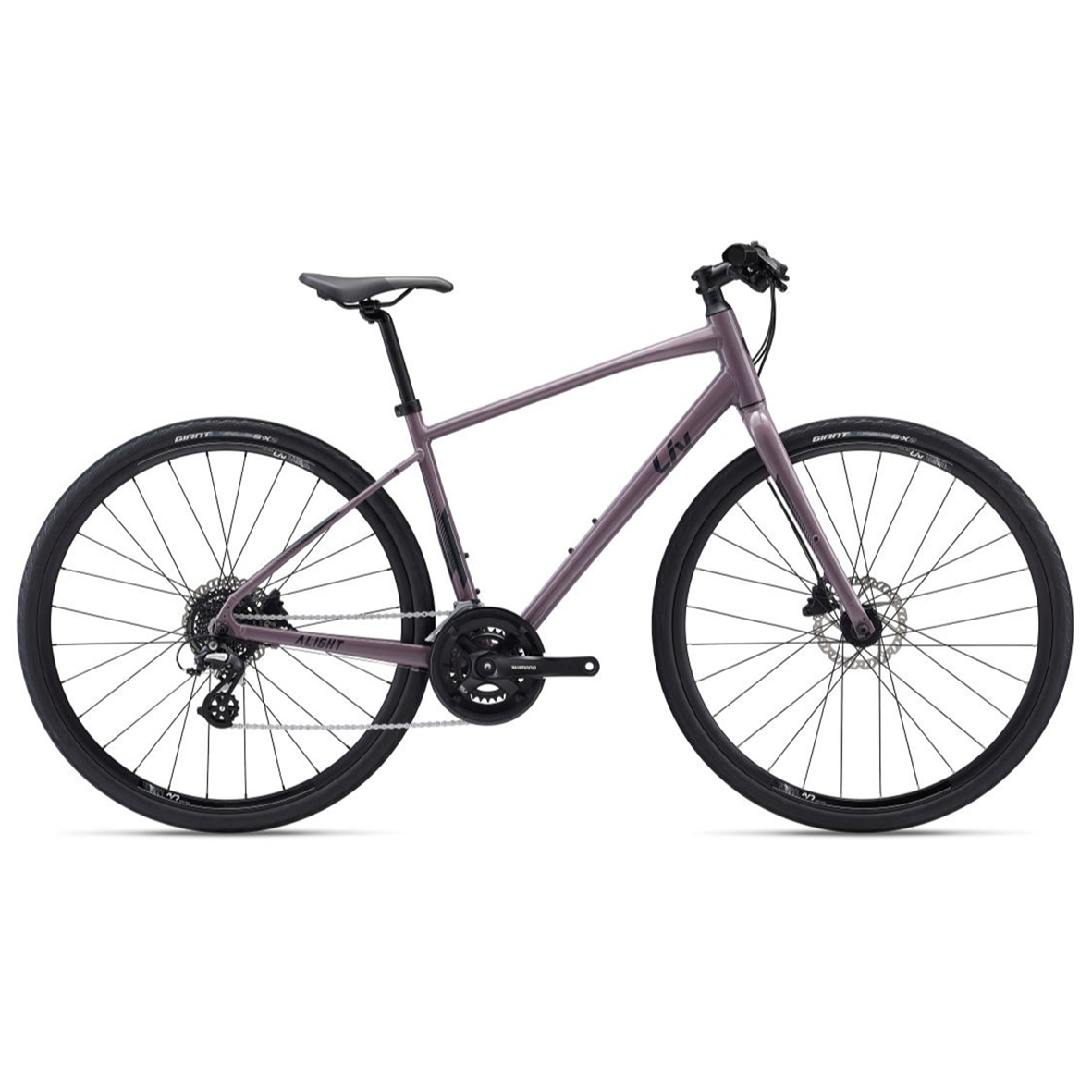
Choosing between a women’s road bike and a hybrid bike depends on your riding needs. Each bike type offers different features and comfort levels.
This guide covers key differences in frame design, tire types, and riding position. Understanding these can help you pick the right bike.
Frame Design
Road bikes have lightweight frames made for speed and efficiency. Their design is sleek and narrow to reduce wind resistance.
Hybrid bikes have sturdier frames for comfort and versatility. They often include mounts for racks and fenders.
- Road bike frames are usually made from carbon or aluminum.
- Hybrid frames use aluminum or steel for durability.
- Road frames have a more aggressive geometry.
- Hybrid frames are upright and relaxed for casual riding.
Tire Types
Road bikes use thin tires designed for smooth pavement. These tires have high pressure to reduce rolling resistance.
Hybrid bikes have wider tires with more tread. They can handle different surfaces like gravel or light trails.
| Bike Type | Tire Width | Surface |
| Road Bike | 23-28 mm | Paved roads |
| Hybrid Bike | 32-45 mm | Mixed surfaces |
Riding Position
Road bikes offer a forward-leaning riding position. This position is good for speed and aerodynamics.
Hybrid bikes provide an upright position. This reduces strain on the back and neck during casual rides.
Riding Position Features:
- Road bike: Bent elbows, low handlebars
- Hybrid bike: Straight back, higher handlebars
Credit: www.cyclingnews.com
Performance Factors
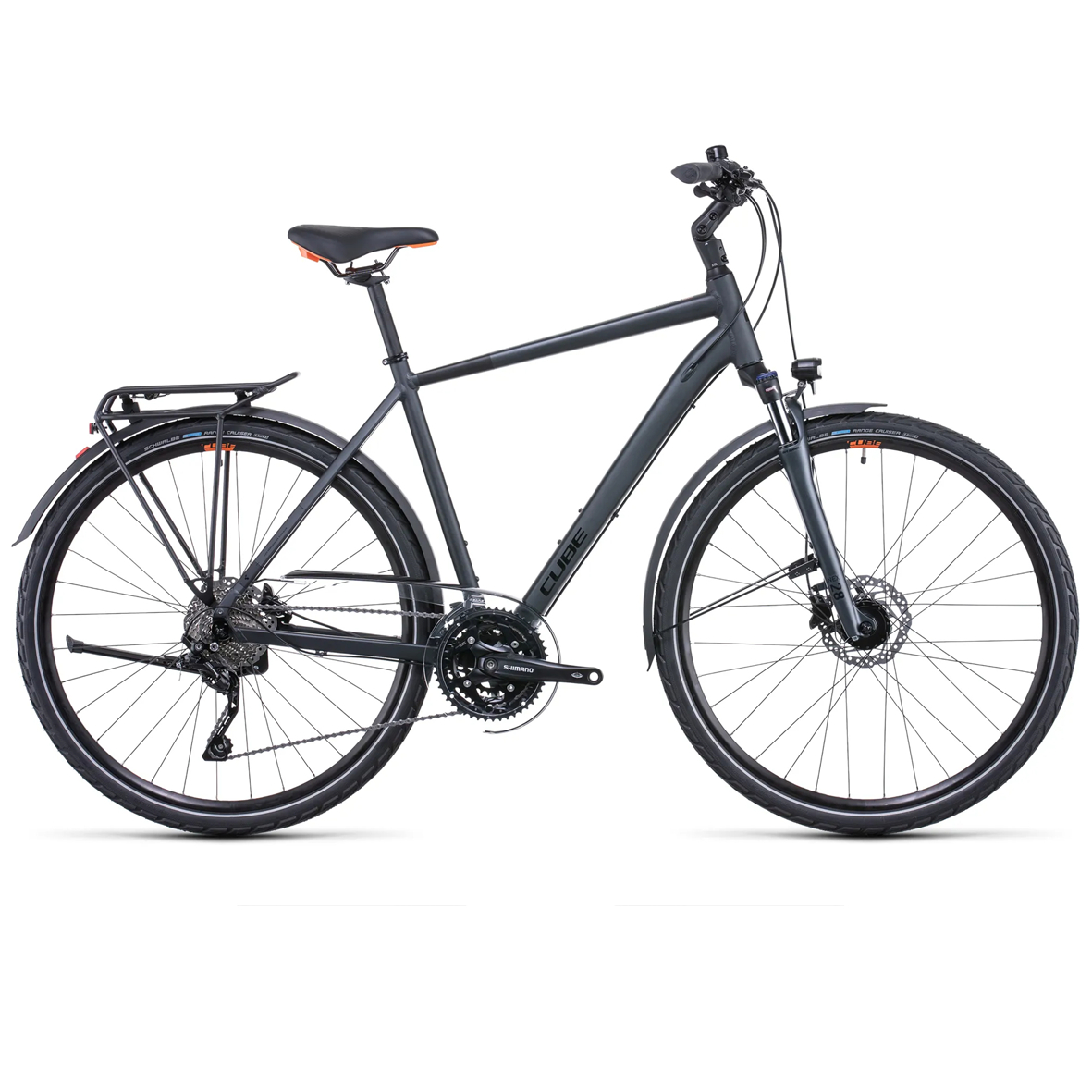
Choosing between a women’s road bike and a hybrid bike depends on how you want the bike to perform. Each bike type offers different benefits based on riding style and conditions.
This guide looks at key performance factors to help you decide which bike suits your needs best.
Speed And Efficiency
Road bikes are designed for speed. They have thin tires and a lightweight frame. This helps riders go faster on smooth roads.
Hybrid bikes balance speed and comfort. Their tires are wider than road bikes but narrower than mountain bikes. This design helps with efficiency on various surfaces.
- Road bikes offer higher speed on pavement.
- Hybrid bikes provide moderate speed on different surfaces.
- Road bikes use drop handlebars for an aerodynamic position.
- Hybrid bikes have flat handlebars for easier control.
Comfort And Stability
Comfort is a key factor for many riders. Hybrid bikes have a more upright riding position, reducing strain on the back and neck.
Road bikes have a forward-leaning posture that may feel less comfortable on long rides. They also have less suspension than hybrids.
| Feature | Road Bike | Hybrid Bike |
| Riding Position | Leaned forward | Upright |
| Seat Padding | Minimal | More cushioned |
| Handlebars | Drop bars | Flat bars |
| Suspension | None or minimal | Often front suspension |
Terrain Suitability
Road bikes work best on smooth, paved surfaces. They are less stable on rough or uneven terrain.
Hybrid bikes handle a wider range of terrains. Their tires and frame give more stability on gravel, dirt paths, and city streets.
- Road Bike: Ideal for asphalt and bike lanes.
- Hybrid Bike: Good for mixed surfaces, including light trails.
- Hybrid tires provide better grip on slippery or loose ground.
Purpose And Usage
Choosing between a women’s road bike and a hybrid bike depends on how you plan to use it. Each bike suits different riding needs and styles.
Understanding your purpose helps pick the right bike for comfort and performance.
Commuting Needs
For daily travel to work or school, comfort and efficiency matter. Hybrid bikes offer a comfortable ride with upright seating.
Road bikes are faster but may feel less comfortable on rough roads or longer trips.
- Hybrid bikes suit mixed surfaces and city streets
- Road bikes work best on smooth pavement
- Consider distance and road type for your commute
Fitness Goals
If your goal is to improve fitness and speed, a road bike is a strong choice. It is lightweight and designed for faster rides.
Hybrid bikes support fitness too but focus more on comfort and endurance over speed.
- Road bikes help increase speed and stamina
- Hybrid bikes allow longer, comfortable rides
- Pick a bike that matches your fitness style
Recreational Riding
For casual rides on trails or around parks, hybrid bikes offer versatility and comfort. They handle different surfaces well.
Road bikes are less suited for uneven paths but are good for smooth roads and longer rides.
- Hybrid bikes adapt to many terrains and riding styles
- Road bikes excel on paved roads and longer distances
- Choose based on where you plan to ride most
Credit: www.cyclingnews.com
Fit And Comfort
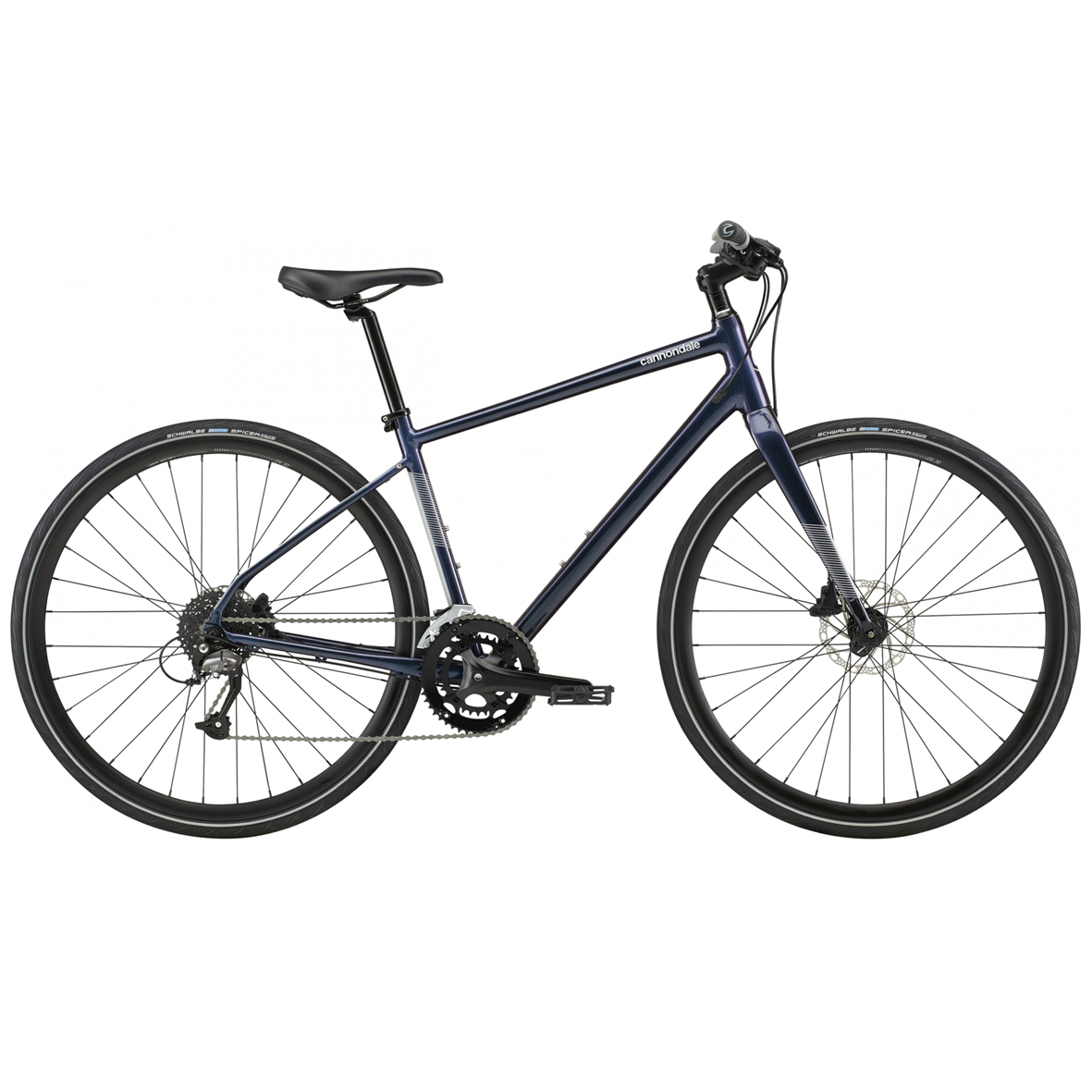
Choosing the right bike means focusing on fit and comfort. Women’s road and hybrid bikes differ in design and purpose.
Understanding these differences helps you pick a bike that feels good and suits your riding style.
Sizing Tips
Correct bike size makes riding easier and safer. Road bikes usually have a more aggressive frame size.
Hybrid bikes offer a more relaxed fit and often have a slightly larger frame for comfort.
- Measure your inseam and height for accurate sizing
- Check the manufacturer’s size chart for guidance
- Consider your riding posture and style
- Look for a frame that allows a slight bend in your knee when pedaling
Adjustability Options
Adjustable parts help customize the bike to your body. Road bikes usually have more adjustment in the handlebars.
Hybrid bikes often have adjustable seat posts and handlebars for a more upright position.
- Look for adjustable seat height and angle
- Check if handlebars can move up or down
- Consider stem length and angle adjustments
- Ensure easy access to brake and gear levers
Test Riding Importance
Test rides help you feel the bike’s comfort and fit. Spend time riding on different surfaces.
Notice how your body feels after 10 to 15 minutes of riding. Pay attention to any discomfort or strain.
- Check if you can reach brakes and gears easily
- Feel how the bike handles turns and bumps
- Note your posture and if you feel balanced
- Try both road and hybrid bikes to compare comfort
Budget Considerations
Choosing between a women’s road bike and a hybrid bike often comes down to budget. Understanding the costs helps you pick the best option for your money.
We will look at the price ranges, maintenance costs, and long-term value of both types of bikes.
Price Range Comparison
Road bikes usually cost more because of their lightweight parts and design. Hybrid bikes tend to be cheaper and made for comfort and durability.
| Bike Type | Low-End Price | High-End Price |
|---|---|---|
| Women’s Road Bike | $700 | $3,000+ |
| Women’s Hybrid Bike | $400 | $1,500+ |
Maintenance Costs
Road bikes need regular tune-ups because of their complex parts. Hybrid bikes are easier and cheaper to maintain.
- Road bikes need frequent brake and tire checks.
- Hybrid bikes use simpler brakes and tires.
- Replacement parts for road bikes cost more.
- Hybrid bike parts are usually cheaper and easier to find.
Long-term Value
Think about how long the bike will last and how much use you get.
| Factor | Women’s Road Bike | Women’s Hybrid Bike |
|---|---|---|
| Durability | Less durable, needs care | More durable, built for comfort |
| Resale Value | Higher resale price if well maintained | Lower resale value but steady demand |
| Usage | Best for fast rides and racing | Best for casual rides and commuting |
Additional Features
Choosing between a women’s road bike and a hybrid bike means looking at extra features. These features affect comfort and performance. Knowing them helps you pick the right bike for your needs.
This section covers accessories compatibility, gear systems, and braking types. Each plays a key role in how you use the bike.
Accessories Compatibility
Check if the bike supports useful accessories. Road bikes often have fewer mounts for racks and fenders. Hybrid bikes usually allow more add-ons, making them better for commuting or touring.
- Mounts for water bottle cages
- Attachment points for racks and panniers
- Fender compatibility for wet weather
- Space for wider tires and lights
Gear Systems
Gear systems differ between road and hybrid bikes. Road bikes have close-ratio gears for speed. Hybrid bikes offer wider gear ranges for varied terrain and easier climbing.
| Type | Road Bike | Hybrid Bike |
| Gear Range | Narrow, for smooth roads | Wide, for mixed surfaces |
| Number of Speeds | 18 to 22 | 21 to 27 |
| Ease of Use | Focused on speed | Focused on comfort |
Braking Types
Brakes affect safety and control. Road bikes mostly use caliper brakes. Hybrid bikes often have disc brakes for better stopping power in all weather.
- Caliper brakes: lightweight, good on dry roads
- Disc brakes: stronger, work in mud and rain
- Hydraulic disc brakes: smooth and low effort
Frequently Asked Questions
What Are The Main Differences Between Women’s Road And Hybrid Bikes?
Women’s road bikes focus on speed and efficiency with lightweight frames and narrow tires. Hybrid bikes offer comfort with wider tires and upright seating, suitable for mixed terrains and casual rides.
Which Bike Is Better For Commuting, Road Or Hybrid?
Hybrid bikes are ideal for commuting due to comfort and versatility. Road bikes suit faster rides on smooth pavement but may be less comfortable for daily city travel.
How Does Bike Frame Geometry Affect Riding Comfort?
Frame geometry influences posture and comfort. Road bikes have aggressive geometry for speed, while hybrid bikes have relaxed geometry for upright, comfortable rides over longer periods.
Are Women’s-specific Bikes Truly Different From Unisex Models?
Yes, women’s-specific bikes have adjusted frame sizes, shapes, and components to fit female anatomy, enhancing comfort and control compared to unisex models.
Conclusion
Choosing between a women’s road bike and a hybrid bike depends on your needs. Road bikes suit those who want speed and smooth rides. Hybrid bikes work well for comfort and varied terrains. Think about where you will ride most often.
Also, consider your fitness goals and riding style. Both types offer benefits for different riders. Take your time to decide what fits you best. Enjoy your rides, no matter which bike you choose. Happy cycling!



