
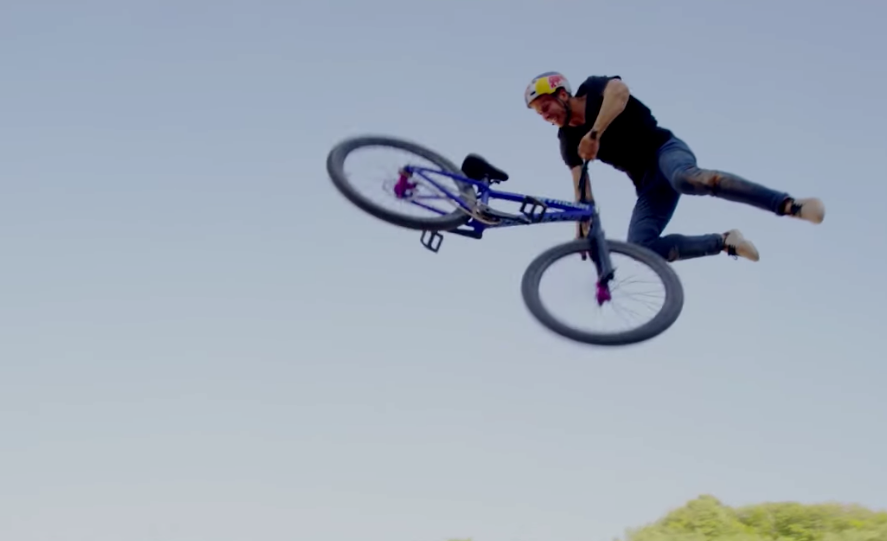
Want to learn how to pull off an impressive tailwhip on your dirt jump bike? You’re in the right place.
This trick looks tough, but with the right steps and practice, you can master it. Imagine the rush you’ll feel flying through the air and spinning your bike around while staying in control. Ready to wow your friends and boost your skills?
Keep reading, because we’ll break down exactly how you can nail your first tailwhip safely and confidently.
Choosing The Right Bike
Picking the right dirt jump bike is key to doing a tailwhip. The bike should be strong and light. It must fit your size and style well.
Understanding the bike’s features helps you choose one that feels easy to control. Setup is also important for safety and performance.
Key Features Of Dirt Jump Bikes
Dirt jump bikes have special parts. These parts make tricks like tailwhips possible. Look for these features in a bike:
- Strong frame:Usually made from aluminum or steel to handle big impacts.
- Single speed:Simple gears to reduce weight and maintenance.
- Suspension fork:Short travel to absorb shocks from jumps.
- Thick tires:Provide grip and stability on dirt tracks.
- Wide handlebars:Help with control and balance during tricks.
Essential Bike Setup Tips
Setting up your dirt jump bike right makes tailwhips easier and safer. Follow these tips:
| Setup Item | Recommended Setting |
| Tire Pressure | 25-35 PSI for good grip and shock absorption |
| Seat Height | Lower than normal for better movement and balance |
| Handlebar Position | Level or slightly raised for control |
| Brake Setup | Use rear brake only for tailwhip control |
| Pedal Type | Flat pedals with grip pins for secure footing |

Credit: www.youtube.com
Safety Gear Essentials
Riding a dirt jump bike can be thrilling. Wearing the right safety gear keeps you safe. This guide covers must-have gear for your ride.
Protecting your body helps prevent injuries. Focus on clothing, helmet, and pads for full protection.
Protective Clothing
Wear clothes that protect your skin and allow easy movement. Durable fabrics reduce scrapes and cuts.
- Long-sleeve shirts made of tough material
- Long pants designed for biking or outdoor use
- Gloves with padding for grip and hand protection
- Sturdy shoes with good grip and ankle support
Helmet And Pads
A helmet protects your head from serious injuries. Pads shield your elbows and knees during falls.
| Gear | Purpose | Tips |
| Helmet | Head protection | Choose full-face helmets for dirt jumping |
| Elbow Pads | Elbow impact protection | Pick pads with hard shells and soft liners |
| Knee Pads | Knee cushioning and protection | Make sure they fit snugly but comfortably |
Basic Bike Controls
Learning to tailwhip a dirt jump bike starts with knowing how to control your bike well. Good control helps you spin the bike smoothly in the air.
Focus on your handlebar grip and foot placement. These parts help you move and balance the bike during the trick.
Handlebar Grip And Position
Hold the handlebars firmly but not too tight. This grip lets you turn the bars quickly without losing control.
Keep your hands centered on the bars. Your thumbs should wrap around the grips for a strong hold.
- Place your hands near the ends of the handlebars
- Wrap your thumbs underneath the grips
- Keep your wrists relaxed for easy movement
- Avoid gripping too hard to prevent fatigue
Foot Placement Techniques
Position your feet so you can quickly kick the bike frame around. Proper foot placement helps you spin the bike fully.
Place your front foot near the front of the pedal and your back foot on the rear edge. This stance gives you good leverage.
- Front foot: place near the pedal’s front edge
- Back foot: rest on the rear of the pedal
- Keep your feet flat and ready to move
- Shift your weight slightly back before the jump
Preparing For The Tailwhip
Doing a tailwhip on a dirt jump bike takes practice and good preparation. You must get ready before trying the trick.
Start by understanding the jump and how to position your body. This helps you stay safe and land well.
Finding The Right Jump
Choose a jump that matches your skill level. It should be smooth and shaped well for tricks.
Look for a jump with enough speed and height. This gives you time to spin the bike in the air.
- A smooth takeoff ramp without bumps
- Enough space to land safely
- Clear area around the jump
- Jump size that fits your experience
Body Positioning For Launch
Keep your body balanced and relaxed before you jump. Bend your knees and elbows slightly.
Lean forward a little to help the bike lift off smoothly. Your eyes should look ahead, not down.
- Hold the handlebars firmly but not too tight
- Keep your feet centered on the pedals
- Bend knees and elbows for shock absorption
- Look straight ahead at the landing spot
Executing The Tailwhip
Doing a tailwhip on a dirt jump bike is a cool trick. It takes practice and control.
This guide explains how to start and control the frame spin safely and smoothly.
Initiating The Whip
Start by gaining speed and lifting the bike off the jump. Use your arms to push the frame sideways.
Kick the back of the bike in the direction you want the frame to spin. Keep your body balanced.
- Approach with moderate speed
- Pull up the handlebars to lift the bike
- Push the frame sideways with your feet
- Keep your eyes on the bike frame
Controlling The Frame Spin
Keep your arms and legs steady to guide the frame during the spin. Avoid letting it spin too fast.
Use your feet to catch the pedals and prepare to land smoothly. Stay centered over the bike.
- Watch the frame as it spins
- Use feet to stop the frame at the right time
- Keep your body relaxed but stable
- Land with both wheels on the ground
Landing Smoothly
Landing smoothly after a tailwhip on a dirt jump bike is very important. It helps you stay balanced and ready for the next jump.
Good landings reduce the chance of falls and bike damage. Focus on your body and bike position to land safely.
Spotting The Landing
Look at the spot where you want to land before you come down. This helps you control the bike and prepare for impact.
Keep your eyes on the landing zone during the tailwhip. This helps you adjust your bike and body in time.
- Focus on the landing spot early
- Keep your head up and eyes forward
- Use your vision to guide your bike
Absorbing Impact
Bend your knees and elbows as you touch down. This helps your body absorb the shock and keeps you balanced.
Stay relaxed and let your bike move with the landing. Stiffness can cause you to lose control or fall.
- Keep knees and elbows bent
- Use your legs and arms as shock absorbers
- Stay loose to follow the bike’s movement
Common Mistakes To Avoid
Tailwhipping a dirt jump bike takes skill and control. Many riders make simple errors that slow their progress.
Knowing what to avoid helps you learn faster and ride safer. Here are two common mistakes to watch out for.
Over Or Under Spinning
Spinning the bike too much or too little is a big problem. Over spinning can cause you to lose control and land off balance. Under spinning makes the trick look incomplete and may lead to crashes.
- Try to keep the spin smooth and controlled.
- Practice the motion slowly before going fast.
- Use your arms to guide the bike’s rotation.
- Look where you want to land during the spin.
- Stay relaxed to avoid stiff movements.
Poor Timing And Balance
Timing your jump and spin is key. If you start the tailwhip too early or too late, you can lose balance. Bad balance makes it hard to land safely.
| Common Timing Errors | Effects |
| Starting spin too early | Loss of control and awkward landings |
| Starting spin too late | Incomplete trick and possible crashes |
| Not shifting weight properly | Wobbly ride and falls |
| Leaning too far forward or back | Hard to keep balance on landing |
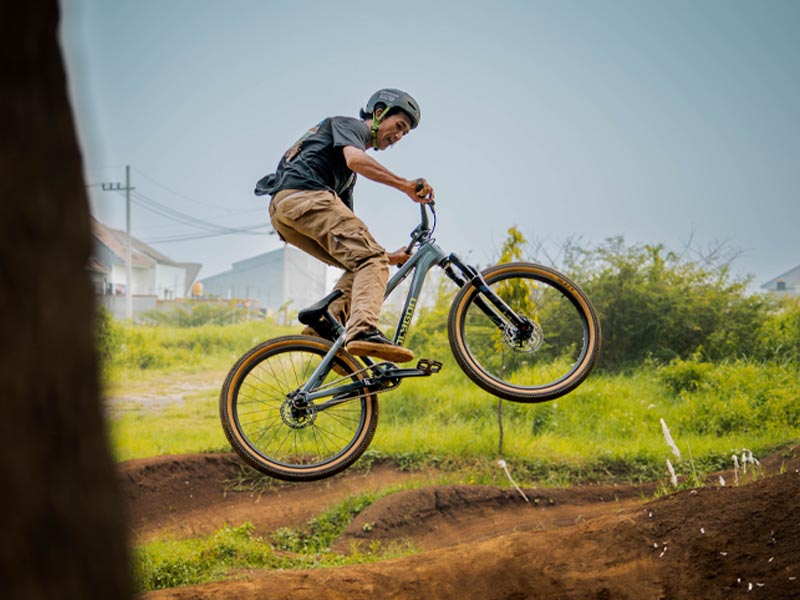
Credit: www.polygonbikes.com
Tips To Speed Up Learning
Learning to tailwhip on a dirt jump bike takes time and practice. Using smart training methods helps you progress faster.
Focus on drills and reviewing your rides. These steps build your skills safely and quickly.
Practice Drills
Practice drills break down the tailwhip into smaller parts. This makes the trick easier to learn.
Start with simple exercises like jumping and whipping the bike frame without spinning. Then add speed and height.
- Jump and kick the bike frame sideways
- Practice quick bike spins while standing still
- Jump on flat ground before trying a ramp
- Use small jumps to build confidence
Video Analysis
Recording your attempts helps you see what you do right and wrong. Watching slow-motion clips shows details you miss while riding.
Compare your videos with skilled riders. Notice how they position their body and bike during the tailwhip.
- Record from different angles
- Use slow motion to study your moves
- Note your body and bike position
- Make small changes and record again
Progressing To Advanced Variations
After learning the basic tailwhip, riders often want to try harder tricks. Advanced variations add more spins or combine moves.
These tricks need good bike control and confidence. Practicing step by step helps you stay safe and improve faster.
360 Tailwhip
The 360 tailwhip mixes a full bike spin with a tailwhip. Your bike spins 360 degrees while the frame whips around.
This trick needs strong timing. You must throw the tailwhip as you start the bike spin. Both moves happen at once.
- Start with a good jump and enough speed
- Begin a 360 bike spin by turning your head and shoulders
- Kick the bike frame to spin the tailwhip while spinning the bike
- Keep your eyes on the bike and prepare to catch it
- Land smoothly with both wheels on the ground
Double Tailwhip
The double tailwhip means spinning the bike frame twice before landing. It is faster and more difficult than one tailwhip.
You need to whip the bike frame quickly and catch it in time. Practice single tailwhips until you can do them fast and clean.
- Jump with good speed and height
- Kick the bike frame hard to start the first tailwhip
- Keep the frame spinning for a second full rotation
- Watch the bike closely to catch it after two spins
- Land carefully to avoid crashes

Credit: www.youtube.com
Frequently Asked Questions
How Do I Start Learning A Tailwhip On My Dirt Jump Bike?
Begin by mastering basic jumps and bunny hops first. Practice swinging the bike frame around while stationary. Progress to small jumps to build confidence and control.
What Bike Setup Helps With Tailwhip Tricks?
Use a lightweight dirt jump bike with a strong frame. Ensure your handlebars and pedals spin freely. Proper tire pressure and suspension tuning improve maneuverability.
How Can I Improve My Tailwhip Rotation Speed?
Focus on quick and controlled bike swings. Use your arms and legs to generate momentum. Practice regularly to build muscle memory and fluid motion.
What Safety Gear Is Essential For Tailwhip Tricks?
Always wear a full-face helmet and gloves. Knee and elbow pads protect against falls. Consider body armor and sturdy shoes for extra safety.
Conclusion
Mastering a tailwhip on a dirt jump bike takes practice. Start with the basics and build confidence gradually. Keep safety gear on to prevent injuries. Stay patient; progress takes time and effort. Share your journey with friends and enjoy the ride.
Each attempt brings you closer to your goal. Remember, practice makes perfect. Enjoy the thrill of dirt jumping. Feel the rush and embrace the fun. Your dedication will pay off. Keep riding, learning, and improving every day. Celebrate your progress, no matter how small.
Happy jumping!



