
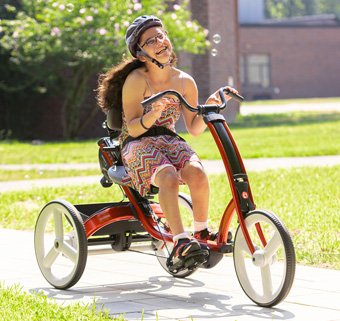
If you or someone you care about is recovering from a stroke, finding the right adaptive bike can make a huge difference in regaining strength and confidence. But with so many options available, how do you know which one is truly best for stroke patients?
This guide will help you cut through the confusion and find the perfect adaptive bike tailored to your needs. Keep reading to discover practical tips and clear advice that can transform your recovery journey.
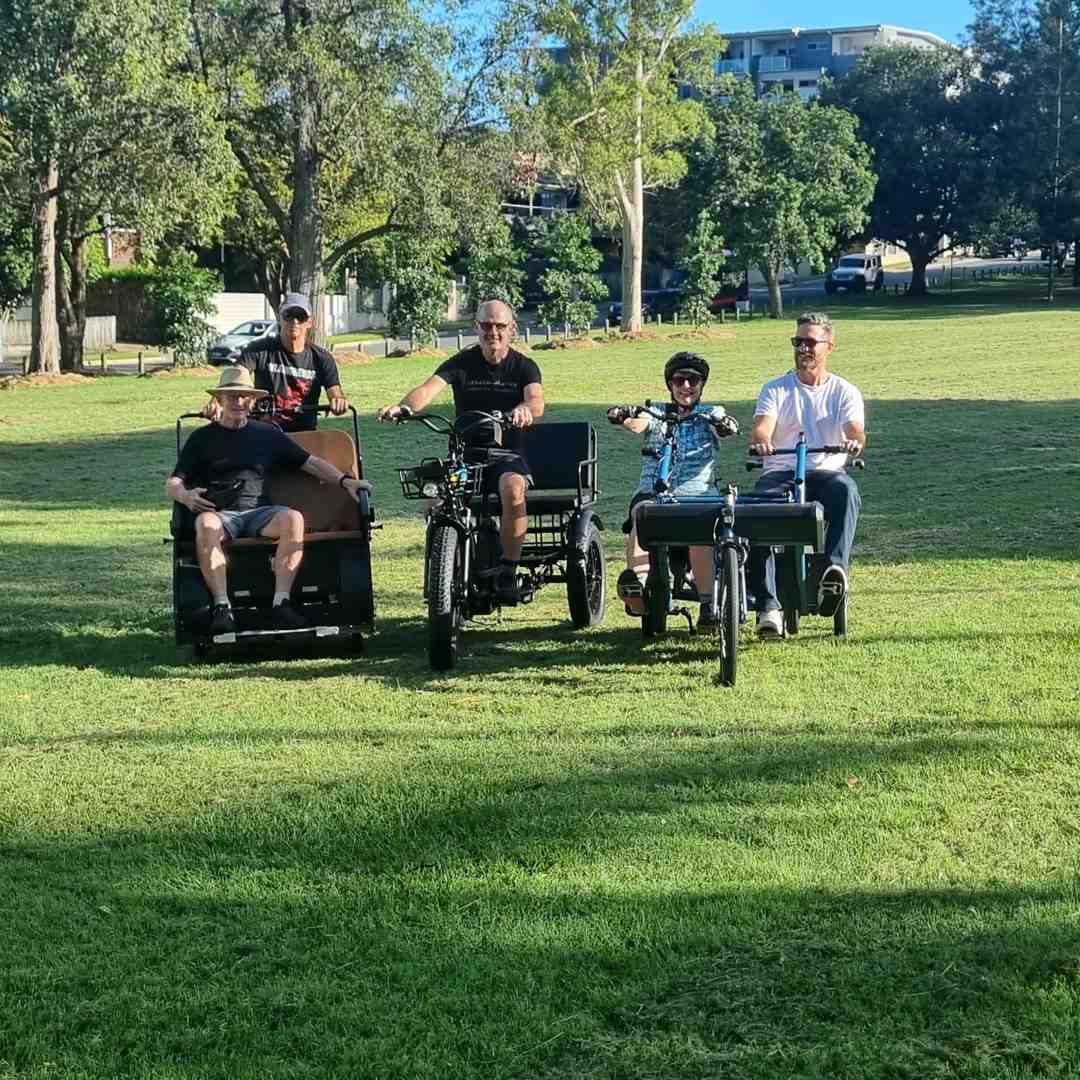
Credit: everybodyebikes.com.au
Benefits Of Adaptive Bikes For Stroke Recovery
Adaptive bikes help stroke patients regain strength and confidence. They provide safe exercise and support during recovery.
Using an adaptive bike can improve movement, balance, and mood. These bikes adjust to different needs and abilities.
Physical Therapy Advantages
Adaptive bikes assist physical therapy by allowing controlled movement. Patients can exercise muscles without strain or risk of falling.
Therapists use these bikes to target specific muscle groups. This helps rebuild strength and coordination after a stroke.
- Supports gradual muscle strengthening
- Improves joint flexibility
- Allows repetitive, controlled motion
- Helps reduce muscle stiffness
Improving Mobility And Balance
Adaptive bikes enhance mobility by encouraging regular movement. This helps stroke patients regain walking and balance skills.
The steady support improves balance and coordination. Patients gain confidence moving on their own.
- Improves leg muscle control
- Builds better posture
- Enhances coordination between limbs
- Supports safe weight shifting
Boosting Mental Health
Riding an adaptive bike lifts mood and reduces stress. Exercise releases chemicals that help the brain feel better.
Stroke patients often face frustration. Using adaptive bikes helps them feel independent and motivated.
- Reduces feelings of anxiety and depression
- Increases self-esteem
- Encourages social interaction
- Promotes a positive outlook on recovery
Key Features To Look For In Adaptive Bikes
Adaptive bikes help stroke patients regain mobility and confidence. Choosing the right bike depends on specific features that support their needs.
These features make riding safe, comfortable, and effective for recovery. Look carefully at support, safety, and ease of use.
Adjustable Support Systems
Stroke patients often need extra support to stay balanced on a bike. Adjustable support systems help customize the bike to each person’s needs.
These systems include adjustable seats, backrests, and arm supports. They provide stability and comfort during rides.
- Height-adjustable seats to fit different leg lengths
- Backrests that offer spine support
- Armrests or side supports to stabilize the upper body
- Foot straps or pedals that secure feet safely
Safety And Stability Elements
Safety is important for stroke patients using adaptive bikes. Stability features reduce the risk of falls and injuries.
Look for wide tires, strong frames, and reliable brakes. These parts keep the bike steady and easy to control.
- Wide tires for better balance and grip
- Durable frame materials that support extra weight
- Hand brakes that are easy to reach and use
- Anti-tip wheels or stabilizers to prevent falls
Ease Of Use And Comfort
Comfort helps stroke patients enjoy riding more. Easy-to-use controls reduce frustration and increase independence.
Look for simple gear shifts, cushioned seats, and clear handlebars. These features support longer, safer rides.
- Simple gear systems for smooth shifting
- Padded seats to reduce pressure points
- Ergonomic handlebars for natural hand positions
- Lightweight frames for easier handling
Top Adaptive Bikes For Stroke Patients In 2025
Adaptive bikes help stroke patients regain mobility and confidence. They offer support and ease of use for different recovery needs.
Choosing the right adaptive bike depends on balance, strength, and personal preference. Here are top options in 2025.
Recumbent Tricycles
Recumbent tricycles provide a stable and comfortable ride. They have three wheels and a reclining seat to reduce strain on the back.
- Offer great balance for those with limited stability
- Allow for low-impact exercise on flat surfaces
- Include easy-to-reach pedals and controls
- Help improve leg strength and coordination
Handcycles
Handcycles are powered by the arms instead of the legs. They are good for patients with lower limb weakness.
| Feature | Benefit |
| Arm-powered pedals | Improves upper body strength |
| Adjustable seat height | Fits different body sizes |
| Lightweight frame | Easier to maneuver |
| Hand brakes | Simple and safe stopping |
Tandem Bikes
Tandem bikes let a stroke patient ride with a partner. The partner helps steer and pedal to support the patient.
Tandem bikes have benefits like:
- Shared effort for easier riding
- Boosts social interaction and motivation
- Allows safe riding if balance is weak
- Improves cardiovascular fitness
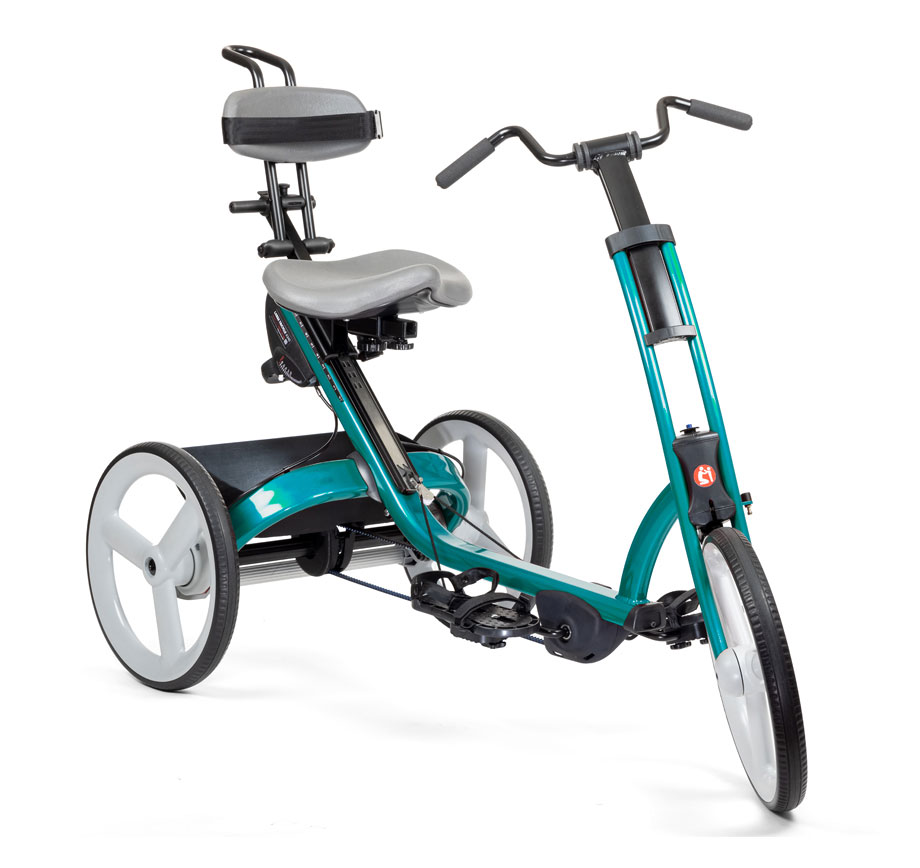
Credit: www.rifton.com
Comparing Price And Value
Choosing the right adaptive bike for stroke patients means looking at both price and value. The cost should fit your budget while meeting the patient’s needs.
We will review budget-friendly options, premium models, and the importance of warranty and support. This helps you find the best bike for the price.
Budget-friendly Options
Budget-friendly bikes offer basic features and good support for stroke patients. They focus on safety and ease of use without extra costs.
- Simple design for easy control
- Stable frames for safety
- Basic adjustable seating
- Affordable prices under $1000
- Good for short-term or occasional use
Premium Models
Premium adaptive bikes have advanced features to support recovery and comfort. These bikes often cost more but add value for long-term use.
| Feature | Budget-Friendly | Premium |
| Price Range | $500 – $1000 | $1500 – $3000+ |
| Adjustability | Basic | Highly adjustable |
| Comfort | Standard seat and grips | Ergonomic seat and custom grips |
| Extras | Limited | Electric assist, monitoring tools |
| Durability | Good for occasional use | Built for heavy use |
Warranty And Customer Support
A strong warranty and helpful customer support add value. They protect your investment and make maintenance easier.
- Look for at least one-year warranty
- Check if parts are covered
- Find companies with good customer service
- Consider availability of repair and replacement parts
- Support can save money on fixes
Tips For Choosing The Right Adaptive Bike
Adaptive bikes help stroke patients regain mobility and improve health. Picking the right bike is important for safety and comfort.
This guide gives clear tips to find an adaptive bike that fits individual needs well.
Assessing Individual Needs
Look at the patient’s physical abilities and challenges first. Consider balance, strength, and range of motion. Think about the type of support the bike must provide.
- Check the level of arm and leg movement
- Identify if extra back or neck support is needed
- Note any gripping or hand strength issues
- Decide if a tricycle or a standard bike works better
Consulting Healthcare Professionals
Talk with doctors, therapists, or rehabilitation experts. They can recommend bike features based on medical history and therapy goals.
| Professional | Role in Bike Choice |
| Physician | Reviews health conditions and risks |
| Physical Therapist | Assesses mobility and muscle strength |
| Occupational Therapist | Suggests adaptations for daily use |
Test Riding Before Purchase
Try the bike before buying to ensure it fits well and feels stable. Check how easy it is to mount, pedal, and steer.
Important points to test ride:
- Comfort of the seat and handlebars
- Ease of adjusting the bike settings
- Stability on different surfaces
- Ability to use brakes safely

Credit: www.bowheadcorp.com
Maintenance And Safety Guidelines
Choosing the right adaptive bike for stroke patients is important. Keeping it safe and well-maintained helps avoid problems.
Regular checks and safety habits keep the bike in good shape. Adjustments may be needed as abilities change.
Regular Bike Checks
Check the bike often to spot any issues early. Look at tires, brakes, and chains for wear and tear.
Tighten bolts and clean the bike regularly. This helps the bike work smoothly and safely.
- Check tire pressure before each ride
- Test brakes to ensure they stop well
- Look for loose or rusted parts
- Lubricate chain and moving parts
- Clean dirt and debris off the bike
Proper Helmet Use
Wearing a helmet protects the head during falls. It is a must for stroke patients using adaptive bikes.
Make sure the helmet fits snugly and sits level on the head. Always fasten the straps securely.
- Choose a helmet certified for safety
- Replace helmets after a crash or every few years
- Adjust straps to avoid loose fitting
- Check helmet for cracks or damage often
Adapting To Changing Abilities
Stroke patients may have changing physical abilities. The bike setup should change to match these needs.
Adjust seats, handlebars, and pedals to keep comfort and safety high. Check these often as recovery progresses.
- Lower or raise seat height as needed
- Use pedal straps or supports for better grip
- Install hand brakes if leg strength is weak
- Consider adding stability features like wider tires
Frequently Asked Questions
What Features Make Adaptive Bikes Suitable For Stroke Patients?
Adaptive bikes have stability, support, and adjustable components. They aid balance and accommodate limited mobility, ensuring a safe cycling experience for stroke patients.
How Do Adaptive Bikes Help Stroke Recovery?
These bikes improve cardiovascular health, muscle strength, and coordination. They encourage gentle exercise, boosting confidence and aiding neuroplasticity in stroke rehabilitation.
Which Adaptive Bike Types Are Best For Stroke Patients?
Recumbent trikes, tandem bikes, and three-wheelers are popular. They offer enhanced stability and ease of use, ideal for varying stroke recovery needs.
Can Adaptive Bikes Be Customized For Individual Stroke Needs?
Yes, adaptive bikes can be tailored with adjustable seats, pedals, and handlebars. Customization ensures comfort and supports specific physical limitations.
Conclusion
Choosing the best adaptive bike for stroke recovery requires careful thought. Focus on comfort and needs. Electric assist bikes offer ease and support. Recumbent bikes provide stability and balance. Tricycles offer safety with three wheels. Consult a healthcare expert for personalized advice.
Test different models to see what feels right. Remember, progress might be slow. But every ride counts. Boosts confidence and strength. Enjoy the journey to recovery. Stay consistent and patient. With time, biking can aid healing and independence.



