
Are you ready to take your dirt jump bike skills to the next level? Whether you’re just starting out or looking to sharpen your technique, mastering the right progression steps can make all the difference.
In this guide, you’ll discover simple, effective ways to build your confidence and improve your jumps safely. By following these clear, easy-to-follow tips, you’ll soon be flying higher and landing smoother. Keep reading to unlock the secrets that will transform your riding and help you ride like a pro.
Choosing The Right Bike
Picking the right bike is key for dirt jump skill progression. The bike must feel strong and easy to control.
Good choices help you jump higher and land safely. Focus on the bike parts that matter most.
Frame And Suspension
A strong frame helps you handle big jumps without damage. Look for frames made from aluminum or chromoly steel.
Dirt jump bikes usually have hardtail frames. This means they have no rear suspension, which keeps the bike light and simple.
- Aluminum frames are lightweight and stiff
- Chromoly steel frames offer durability and some flex
- Hardtail frames improve control on landings
Tires And Wheels
Tires need good grip for dirt and loose surfaces. Wide tires give more traction and better stability.
Strong wheels reduce the chance of bends or breaks after hard landings. Look for double-wall rims with sturdy spokes.
- Use tires around 2.3 to 2.5 inches wide
- Choose tires with knobby tread for dirt grip
- Double-wall rims resist damage better
- Spokes should be thick and well tightened
Brakes And Gearing
Powerful brakes help you stop quickly before jumps and obstacles. Many riders prefer disc brakes for dirt jumping.
Simple gearing with one or two gears works best. It keeps the bike light and easy to maintain.
- Hydraulic disc brakes offer strong stopping power
- Mechanical disc brakes are easier to fix
- Single-speed or 2-speed gearing suits dirt jumps
- Avoid complex gear systems to reduce weight
Essential Dirt Jump Techniques
Dirt jumping is a fun way to ride a bike and learn new skills. It needs practice and good technique.
These techniques help you jump better and stay safe on the dirt track.
Body Positioning
Good body position helps control the bike during jumps. Keep your knees and elbows slightly bent.
Stand on the pedals with your weight centered. Look ahead, not down at the front wheel.
- Keep your back flat and chest low
- Balance your weight evenly on both pedals
- Hold the handlebars firmly but relaxed
Pumping And Bunny Hops
Pumping helps you gain speed without pedaling. Use your body to push down and pull up on the bike.
Bunny hops let you jump over obstacles. Lift the front wheel first, then the back wheel.
- Compress your legs before the jump
- Pull the handlebars up to lift the front wheel
- Use your feet to lift the rear wheel
- Practice timing to get smooth hops
Landing Safely
Landing well keeps you safe and ready for the next jump. Aim to land with both wheels at the same time.
Bend your knees and elbows to absorb the impact. Keep your body loose and balanced on the bike.
- Look ahead to where you will land
- Keep your pedals level to avoid hitting the ground
- Use your legs as shock absorbers
- Stay relaxed to keep control
Building Confidence On Jumps
Building confidence on dirt jump bikes is key to enjoying the sport safely. Feeling sure about your skills helps you control the bike better on jumps.
Confidence grows step by step. Practicing smartly keeps you motivated and reduces the risk of injury.
Starting Small
Begin with small jumps to get used to the feeling of flying through the air. Small jumps are less scary and easier to handle.
Focus on smooth takeoffs and landings. This builds a solid base for bigger jumps later.
- Find low dirt mounds or ramps
- Practice balancing and timing
- Land softly to avoid falls
Gradual Progression
Increase jump size slowly as you gain skill. Moving up too fast can cause crashes and reduce confidence.
Try different jump types to improve control and technique. Keep practicing regularly to get better.
- Add height and distance little by little
- Practice on various jump shapes
- Watch your form and adjust as needed
Overcoming Fear
Fear is normal when learning to jump. Facing it calmly helps you progress faster.
Use breathing techniques and positive thoughts. Start jumps only when you feel ready.
- Visualize successful jumps before riding
- Ride with friends for support
- Take breaks if fear feels too strong
Mastering Basic Tricks
Learning dirt jump bike tricks takes time and practice. Start with simple moves to build confidence.
Focus on control and balance before trying harder tricks. This helps prevent injuries and improves skills.
180 Spins
The 180 spin turns your bike halfway in the air. It changes your direction by 180 degrees.
To do a 180, jump off the ramp and turn your head first. Let your body and bike follow the turn.
- Keep your eyes on the landing spot
- Use your arms to help rotate the bike
- Land with knees bent to absorb impact
Tabletops
Tabletops make your bike flat in the air. This trick looks smooth and helps with control.
Start by jumping and turning your bike sideways. Keep the bike level while in the air.
- Pull the handlebars toward your side
- Keep your body relaxed and balanced
- Bring the bike back to normal before landing
Manuals
Manuals are wheelies without pedaling. They help improve balance and bike control on flat ground.
Shift your weight back and lift the front wheel. Use your arms and legs to keep the bike steady.
- Look ahead, not at the front wheel
- Use your rear brake to control the front wheel height
- Practice small distances, then increase gradually
Advancing To Complex Tricks
Dirt jumping is fun and full of challenges. As you get better, you can try harder tricks. Complex tricks need practice and control.
Learning new tricks helps you ride with more style. Focus on safety and take your time to improve.
360 Spins
A 360 spin means turning your bike fully in the air. It looks cool and needs good balance. Start with small jumps to feel the spin.
Keep your eyes on the landing spot. Use your arms and legs to help turn the bike smoothly. Practice on flat ground before jumping.
No-handers And No-footers
No-handers mean letting go of the handlebars in the air. No-footers mean taking your feet off the pedals. Both tricks show control and confidence.
Start with small jumps and try to lift your hands or feet one at a time. Keep your body steady and prepare to grab back quickly.
- Practice balance before trying
- Look straight ahead while in the air
- Land with your hands and feet ready
Tailwhips And Barspins
Tailwhips spin the bike frame under you while your hands stay on the bars. Barspins spin the handlebars while the frame stays steady. Both need quick timing.
Practice jumping straight and steady. Use your wrists to spin the bars or the frame. Start slow and increase speed as you get confident.
- Keep your knees bent
- Spot your landing
- Use your wrists and ankles to control spins

Credit: www.tetongravity.com
Training And Conditioning
Dirt jump biking needs good training and conditioning. It helps you jump higher and land safely.
Focus on building your body and mind to improve your dirt jump skills.
Strength And Flexibility
Strong muscles help you control the bike during jumps. Flexibility stops injuries and improves movement.
Work on your legs, core, and arms. Stretch often to keep your body loose.
- Squats and lunges for leg power
- Planks and sit-ups for core strength
- Push-ups for arm endurance
- Stretch hamstrings, quads, and back regularly
Balance And Coordination
Balance lets you stay steady on the bike. Coordination helps you move smoothly and react fast.
Practice balancing and hand-eye skills off and on the bike. Use simple exercises to improve control.
- Stand on one foot to boost balance
- Use balance boards or cushions
- Practice slow turns and stops on the bike
- Do drills that improve timing and reflexes
Mental Preparation
Good focus helps you stay calm and safe. Mental strength lets you try new jumps with confidence.
Visualize your jumps and set small goals. Take deep breaths to reduce fear before riding.
- Imagine the jump step-by-step
- Set clear, simple goals for each session
- Use breathing exercises to stay calm
- Learn from mistakes without getting upset
Safety Gear And Precautions
Dirt jump biking is fun but can be risky. Using the right safety gear helps protect you.
Taking precautions makes your ride safer. Let’s look at important safety tips.
Helmet And Pads
A helmet protects your head from injuries. Always wear a helmet that fits well and is certified.
Pads protect your knees, elbows, and hands. Use quality knee pads, elbow pads, and gloves.
- Check your helmet for cracks before every ride
- Wear full-face helmets for better face protection
- Use breathable pads for comfort during long rides
- Replace worn-out pads regularly
Inspecting Equipment
Inspect your bike before riding. Check brakes, tires, and suspension for safety.
| Equipment Part | What to Check | Why It Matters |
| Brakes | Responsive and no squeaks | Stops your bike safely |
| Tires | Proper pressure and no cuts | Good grip and control |
| Suspension | Works smoothly without leaks | Absorbs shocks on jumps |
| Frame | No cracks or dents | Ensures bike strength |
Spotting And Riding Etiquette
Spotting means watching for riders to help prevent crashes. Always be alert on the trail.
Follow these rules to stay safe and respectful:
- Wait your turn to avoid collisions
- Signal if you are stopping or slowing down
- Keep a safe distance from other riders
- Help others if they fall or get hurt
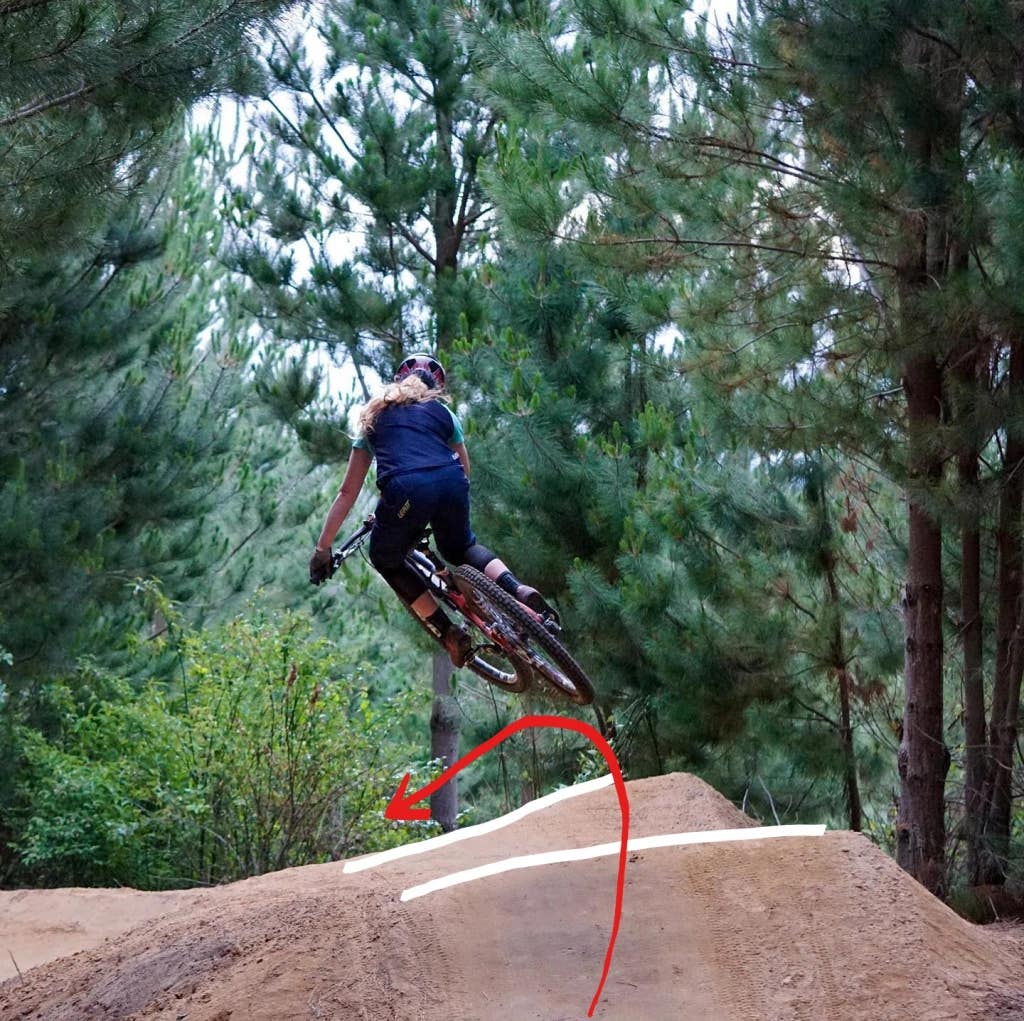
Credit: www.tetongravity.com
Finding The Right Terrain
Choosing the right terrain is very important for dirt jump bike skill progression. The terrain affects how you learn and practice new tricks safely.
Different terrains offer different challenges and benefits. Picking the right place helps build confidence and improves your riding skills.
Dirt Jump Parks
Dirt jump parks have specially built jumps designed for riders of all levels. They offer smooth landings and consistent jump shapes.
These parks usually have different sized jumps. Beginners can start with smaller ones and move to bigger jumps as they improve.
- Safe and well-maintained jumps
- Clear landing zones
- Progressive jump sizes
- Other riders to learn from
Natural Trails
Natural trails offer a variety of terrain with jumps made from dirt and natural materials. These can be more challenging and less predictable.
Riding on natural trails helps improve your bike control and adaptability. The uneven surfaces build skills useful in many riding conditions.
- Varied jump shapes and sizes
- Uneven takeoffs and landings
- More physical effort needed
- Great for skill development
Creating Your Own Jumps
Building your own jumps lets you practice anytime you want. You can start small and shape them to match your skill level.
Make sure to build safe jumps with good takeoff and landing angles. Test the jumps carefully before trying new tricks.
- Use dirt that packs well
- Shape the takeoff smooth
- Build a clear landing zone
- Keep jump sizes suitable for skill
- Regularly maintain the jumps
Tracking Progress And Setting Goals
Tracking your dirt jump bike skills helps you see how much you improve. Setting goals keeps you focused and motivated.
Clear goals and regular tracking make learning faster and safer. You can plan your sessions better and avoid frustration.
Recording Sessions
Write down what you practice in each session. Note jumps, tricks, and how confident you feel.
Use a notebook or an app to keep your records. Add dates and details to track changes over time.
- List jumps attempted and landed
- Describe new tricks tried
- Record how many attempts each trick took
- Write notes on weather and trail conditions
Analyzing Mistakes
Look at your records to find patterns in your mistakes. Knowing what goes wrong helps you fix it faster.
Watch videos of your jumps to spot errors in form or timing. Ask a friend or coach for feedback.
- Check if you land too far forward or back
- Notice if you lose balance during takeoff
- Watch for body position mistakes
- Identify common crashes and why they happen
Celebrating Milestones
Celebrate when you reach a new skill or improve a trick. It keeps you excited and proud of your progress.
Set small goals to reach often. Reward yourself with a break or something you enjoy.
- Landing your first clean jump
- Completing a new trick
- Riding faster or longer
- Feeling more confident on the bike

Credit: www.youtube.com
Frequently Asked Questions
What Are The Basic Dirt Jump Bike Skills To Learn First?
Start with balance, bunny hops, and smooth landings. Mastering these basics builds confidence and control for advanced tricks. Practice on small jumps to perfect timing and body positioning before progressing to bigger obstacles.
How Can I Improve My Dirt Jump Bike Technique Safely?
Wear protective gear and ride within your skill level. Focus on smooth, controlled movements and proper bike handling. Gradually increase jump difficulty to avoid injury and build strength and confidence over time.
What Is The Best Progression Plan For Dirt Jump Biking?
Begin with small jumps and simple tricks, then advance to bigger jumps and complex maneuvers. Consistently practice, review your technique, and set achievable goals. This step-by-step approach enhances skills while minimizing risks.
How Often Should I Practice To Improve Dirt Jump Skills?
Practice regularly, ideally 3-4 times per week, for steady improvement. Consistent sessions help build muscle memory and confidence. Allow rest days to recover and prevent burnout or injury.
Conclusion
Improving dirt jump biking skills takes time and practice. Start with small jumps. Gradually increase the difficulty as you gain confidence. Remember to wear protective gear for safety. Watch experienced bikers to learn new techniques. Practice regularly to build muscle memory and improve balance.
Stay patient and enjoy the journey. Celebrate small victories along the way. Consistent effort leads to progress. Keep riding and refining your skills. The more you ride, the better you’ll become. Dirt jumping is fun and rewarding. Enjoy each ride and have fun!



