
Have you ever wondered what makes adaptive bikes strong, comfortable, and easy to use? The materials they are made of play a huge role in how well they perform for you.
Knowing what these bikes are built from can help you choose the right one for your needs. You’ll discover the key materials that give adaptive bikes their unique strength and flexibility. Keep reading to find out what makes these bikes perfect for your ride.
Common Frame Materials
Adaptive bikes use different materials for their frames. The choice of material affects weight, strength, and comfort. Understanding these materials helps you pick the right bike.
Four common materials are aluminum, steel, titanium, and carbon fiber. Each has its own benefits and drawbacks for adaptive bikes.
Aluminum
Aluminum is light and rust-resistant. It makes the bike easier to carry and faster to ride. Aluminum frames often cost less than other materials. They are strong but can feel stiff on rough roads.
Steel
Steel is very strong and durable. It can handle rough use and heavy loads. Steel frames absorb shocks well, giving a smooth ride. They are heavier than aluminum but often last longer.
- Strong and tough
- Absorbs bumps well
- Heavier than aluminum
- Can rust if not cared for
Titanium
Titanium frames are light and very strong. They resist rust and last a long time. Titanium also gives a smooth, comfortable ride. These frames cost more but are great for long-term use.
Carbon Fiber
Carbon fiber is very light and stiff. It allows for creative frame shapes. This material offers excellent shock absorption. Carbon fiber frames are expensive and need careful handling.
| Material | Weight | Durability | Cost | Comfort |
| Aluminum | Light | Good | Low | Moderate |
| Steel | Heavy | Excellent | Low | High |
| Titanium | Light | Excellent | High | High |
| Carbon Fiber | Very Light | Good | Very High | High |
Credit: www.triaid.com
Material Properties
Adaptive bikes are made from materials chosen for their special properties. These materials help the bike perform well and last long. The right materials make adaptive bikes safe and easy to use.
We will look at four important properties of these materials: durability, weight, flexibility, and corrosion resistance. Each property affects how the bike works and how long it lasts.
Durability
Durability means how well a material can handle wear and tear. Adaptive bikes need strong materials that do not break easily. This is important for safety and long use.
Materials like steel and aluminum are common because they resist damage. Durable materials keep the bike sturdy on different surfaces and in tough conditions.
Weight
Weight affects how easy it is to move and control the bike. Lightweight materials help users pedal and steer without too much effort. This is important for comfort and convenience.
Aluminum and carbon fiber are popular for their low weight. They help make adaptive bikes easier to handle for people of all ages and abilities.
Flexibility
Flexibility means how much a material can bend without breaking. Some parts of adaptive bikes need to absorb shocks and movements. Flexible materials improve comfort and safety.
Materials like certain plastics and composites offer good flexibility. They help the bike adapt to different terrains and reduce the impact on the rider.
Corrosion Resistance
Corrosion resistance is the material’s ability to resist rust and damage from moisture. Adaptive bikes often face rain and sweat, so this property is important. Corrosion can weaken the bike over time.
Materials like stainless steel, aluminum, and coated metals resist corrosion well. This keeps the bike safe and looking good for longer.
Material Impact On Performance
Adaptive bikes use different materials that change how they perform. The choice of material affects the bike’s weight, strength, and comfort.
Understanding these materials helps riders pick bikes that fit their needs and riding style.
Handling And Comfort
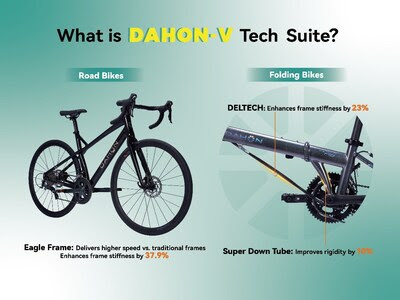
Materials like aluminum and carbon fiber make bikes lighter and easier to control. Lighter bikes improve balance and reduce rider fatigue.
Steel frames absorb shocks well, making rides smoother. Comfort depends on how the material handles bumps and vibrations.
- Aluminum: lightweight, good for easy handling
- Carbon fiber: very light, reduces vibrations
- Steel: heavier, but absorbs shocks well
Speed And Efficiency
Lighter materials help riders go faster with less effort. Carbon fiber frames often provide the best speed due to their low weight.
Stiffer materials transfer more power from pedaling to the wheels. This improves efficiency and speed.
- Carbon fiber: fastest, very efficient
- Aluminum: good speed, moderate stiffness
- Steel: slower due to weight, less efficient
Maintenance Needs
Steel frames may need more care to avoid rust. They require regular cleaning and protection from water.
Aluminum and carbon fiber need less maintenance but can be costly to repair if damaged.
- Steel: prone to rust, needs regular upkeep
- Aluminum: low maintenance, check for cracks
- Carbon fiber: fragile, repair is expensive
Credit: www.bicycleretailer.com
Specialized Materials For Adaptive Bikes
Adaptive bikes need strong and light materials. These materials help riders with different abilities move easily and safely.
Manufacturers use special materials to make adaptive bikes durable and comfortable. Let’s look at some common materials used.
Composite Materials
Composite materials combine two or more substances to make a stronger material. Carbon fiber is a popular composite for adaptive bikes.
- Carbon fiber is very light and strong.
- It absorbs shocks well for a smooth ride.
- It resists rust and does not corrode.
- Fiberglass is another composite used for flexible parts.
Alloys And Coatings
Alloys mix metals to improve strength and weight. Aluminum and titanium alloys are common in adaptive bikes.
| Material | Properties | Benefits |
| Aluminum Alloy | Lightweight, strong | Easy to handle, rust-resistant |
| Titanium Alloy | Very strong, light | Durable, corrosion-resistant |
| Steel Alloy | Heavy, very strong | Good for heavy-duty use |
| Protective Coatings | Various types | Prevent rust and wear |
Choosing The Right Material
Adaptive bikes come in many materials. Choosing the right one helps with comfort and safety.
Each material has strengths and weaknesses. This guide helps you decide what fits your needs.
User Needs And Preferences
Think about your physical needs and comfort. Some materials offer a lighter ride. Others provide more support.
- Aluminum is light and rust-resistant, good for most users.
- Steel is strong and durable but heavier.
- Carbon fiber is very light and smooth but costly.
- Titanium combines strength and lightness but is expensive.
Terrain And Usage
Where you ride affects the best material choice. Rough terrain needs strong frames. Smooth paths benefit from lighter builds.
| Material | Best Terrain | Typical Use |
| Aluminum | Urban, light trails | Everyday riding |
| Steel | Off-road, rough terrain | Heavy-duty use |
| Carbon Fiber | Road, smooth surfaces | Performance riding |
| Titanium | Mixed terrains | Long-distance and comfort |
Budget Considerations
Price varies by material. Choose one that fits your budget and needs.
- Steel is usually the cheapest and lasts long.
- Aluminum costs more but stays light.
- Carbon fiber is expensive due to its light weight.
- Titanium is the priciest but very durable.
Credit: ferlafamilybikes.com
Innovations In Adaptive Bike Materials
Adaptive bikes help many people enjoy cycling safely and comfortably. New materials make these bikes lighter and stronger.
These materials also focus on being friendly to the environment. This helps reduce waste and pollution.
Lightweight Advances
Light materials improve bike control and ease of use. They help users move the bike with less effort.
- Aluminum alloys are strong and light.
- Carbon fiber offers high strength at low weight.
- Titanium frames resist corrosion and last long.
- Magnesium parts reduce overall bike weight.
Eco-friendly Options
Many makers now use recycled and natural materials. These choices help protect the planet.
| Material | Eco Benefit | Use in Bikes |
| Recycled Aluminum | Less mining impact | Frames and parts |
| Bamboo | Renewable and biodegradable | Frame sections |
| Biodegradable Plastics | Reduces plastic waste | Seats and grips |
| Natural Rubber | Less chemical use | Tires and handles |
Frequently Asked Questions
What Materials Are Commonly Used For Adaptive Bike Frames?
Adaptive bike frames are typically made from aluminum, steel, or carbon fiber. Aluminum offers light weight and corrosion resistance. Steel provides strength and durability. Carbon fiber is lightweight and absorbs road vibrations, ideal for high-performance adaptive bikes.
Why Is Aluminum Popular In Adaptive Bike Construction?
Aluminum is popular because it is lightweight, strong, and resists rust. This makes bikes easier to handle and maintain. Its affordability and ability to be molded into various shapes also contribute to its widespread use in adaptive bikes.
How Does Carbon Fiber Benefit Adaptive Bikes?
Carbon fiber is extremely light and strong, improving bike performance and comfort. It absorbs shocks and vibrations well, providing a smoother ride. Though more expensive, it’s preferred for high-end adaptive bikes focused on speed and agility.
Are Steel Frames Suitable For Adaptive Bikes?
Yes, steel frames are suitable due to their strength and durability. They can withstand heavy use and rough terrain. Steel is heavier than aluminum but offers a comfortable ride thanks to its natural shock absorption.
Conclusion
Adaptive bikes use various materials to enhance performance and comfort. Aluminum offers lightweight and durability. Steel provides strength and flexibility. Titanium combines both features but costs more. Carbon fiber is light and strong, ideal for speed. Each material suits different needs and budgets.
Choosing the right one depends on personal preferences and usage. Consider weight, cost, and intended use. These factors help make informed decisions. The goal is a comfortable ride that suits individual needs. Explore options, understand differences, and enjoy adaptive biking.
Your perfect ride awaits.



