
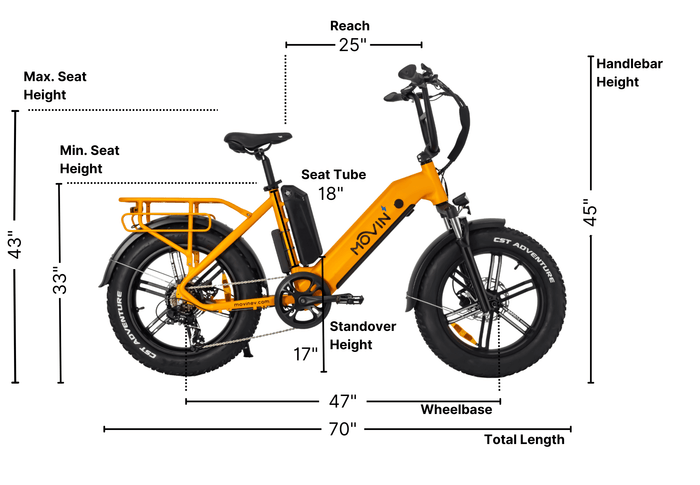
Choosing the right bike size can make all the difference in your riding experience. If your bike is too big or too small, you might feel uncomfortable, tired, or even risk injury.
But don’t worry—finding the perfect fit is easier than you think. You’ll discover simple tips and clear steps to help you pick a bike that matches your body perfectly. By the end, you’ll feel confident and ready to enjoy every ride with comfort and control.
Keep reading to learn how to select the right bike size just for you.

Credit: www.vevor.ca
Why Bike Size Matters
Choosing the right bike size is important for comfort and safety. A bike that fits well helps you ride better and longer.
Women have different body shapes than men. That is why finding the correct bike size is key to a good cycling experience.
Comfort And Control
A bike that fits your body allows you to sit and reach the handlebars easily. This reduces strain on your back and shoulders.
Good fit also gives you better control over the bike. You can steer and stop safely without feeling stretched or cramped.
Performance And Efficiency
The right size bike helps you pedal smoothly. You use your energy well and ride faster with less effort.
- Proper leg extension improves pedaling power
- Correct frame size helps maintain balance
- Good reach to brakes and gears speeds up reaction
Preventing Injuries
Riding a bike that is too big or too small can cause pain and injuries. Common problems include knee pain and wrist strain.
| Bike Size Issue | Possible Injury |
| Too large frame | Knee and hip pain from overreach |
| Too small frame | Back pain and wrist discomfort |
| Wrong seat height | Muscle cramps and joint stress |
Key Measurements For Women
Choosing the right bike size is important for comfort and safety. Women need to know key body measurements before buying a bike.
These measurements help find a bike that fits well and feels good to ride. Focus on height, inseam, arm length, and torso.
Height And Inseam
Height is the first measurement to check for bike size. It gives a general idea of frame size needed.
The inseam is the length of your inner leg. It helps determine the right frame height and standover clearance.
- Measure your height standing straight without shoes.
- Measure inseam by standing against a wall and measuring from crotch to floor.
- Use inseam to check if you can stand over the bike frame comfortably.
Arm Length And Torso
Arm length affects how far you reach the handlebars. Too short or long arms cause discomfort.
Torso length changes how you sit on the bike. It affects reach to handlebars and overall posture.
- Measure arm length from shoulder to wrist.
- Measure torso length from the top of your sternum to your crotch.
- These measurements help adjust handlebar height and reach.
Types Of Bikes For Women
Choosing the right bike size starts with knowing the type of bike. Different bikes fit different riding styles. Women’s bikes often have special designs for comfort and performance.
Here are three common types of bikes for women. Each type suits different needs and terrains. Understanding these types helps you pick the best size and style.
Road Bikes
Road bikes are made for speed on smooth pavement. They have thin tires and lightweight frames. Women’s road bikes often have shorter top tubes and narrower handlebars.
The riding position is more bent forward for better aerodynamics. Road bikes work well for exercise, racing, or long rides on paved roads.
- Lightweight frame
- Drop handlebars
- Narrow tires
- Designed for speed and distance
Mountain Bikes
Mountain bikes are built for rough trails and uneven ground. They have thick tires with strong grips. Women’s mountain bikes usually have shorter frames and narrower seats.
The design offers more control and shock absorption. These bikes are good for off-road adventures and trail riding.
- Wide, knobby tires
- Flat handlebars
- Strong frame and suspension
- Good for rough terrain
Hybrid Bikes
Hybrid bikes combine features of road and mountain bikes. They have medium-width tires and a comfortable seat. Women’s hybrid bikes often have a lighter frame and adjusted geometry for ease.
These bikes fit well for city riding, commuting, and light trail use. They offer a relaxed riding position and easy handling.
- Medium-width tires
- Flat or slightly raised handlebars
- Comfortable frame and seat
- Good for mixed surfaces
How To Measure Your Body For A Bike
Choosing the right bike size is important for comfort and safety. Measuring your body helps find the best fit.
Use simple tools and follow a few steps to measure your body correctly for a bike.
Tools You Need
You do not need many tools to measure your body for a bike. A few common items will work well.
- Measuring tape or ruler
- Notebook or paper to write measurements
- Pen or pencil
- Wall or flat surface to stand against
- Book or flat object for inseam measurement
Step-by-step Measuring Guide
Take each measurement carefully. Use a mirror or ask someone to help for accuracy.
- Height:Stand straight against a wall without shoes. Mark the top of your head. Measure from floor to mark.
- Inseam:Stand with feet 6-8 inches apart. Place a book between your legs, pressing up to your crotch. Measure from floor to top of the book.
- Torso length:Measure from the base of your neck to your waist. Use a tape to follow the curve of your back.
- Arm length:Measure from your shoulder tip to your wrist bone.
Write down all your measurements. Use them to find a bike size that fits your body well.
Bike Frame Sizes Explained
Choosing the right bike frame size is key for comfort and safety. A frame that fits well helps you ride better and avoid pain.
Bike frames come in different sizes. These sizes depend on your height and leg length. Knowing your size helps you pick the best bike.
Frame Size Charts
Frame size charts show which size fits your height and inseam length. These charts differ for women’s bikes due to different body shapes.
| Height | Inseam | Frame Size (inches) |
|---|---|---|
| 4’10” – 5’2″ | 24″ – 27″ | 13″ – 15″ |
| 5’2″ – 5’5″ | 27″ – 29″ | 15″ – 17″ |
| 5’5″ – 5’8″ | 29″ – 31″ | 17″ – 19″ |
| 5’8″ – 5’11” | 31″ – 33″ | 19″ – 21″ |
Adjusting Frame Size For Comfort
Even if your bike frame size is correct, you may need small changes for comfort. Adjusting the seat height and handlebar position helps.
Set the seat so your leg is almost straight when the pedal is at its lowest. Adjust handlebars to avoid leaning too far forward.
- Raise or lower the seat for leg comfort
- Move handlebars closer or farther for back comfort
- Check if you can easily reach brakes and gears
- Test ride to feel if adjustments work well

Credit: www.reddit.com
Test Riding Tips
Test riding a bike helps find the best fit for your body. It shows how comfortable and easy the bike feels.
Try different bikes and pay attention to how each one rides. This will guide your choice for the right size.
What To Look For During A Test Ride
Focus on how the bike handles and how your body feels while riding. Check if you can reach the brakes and gears easily.
- Make sure you can place your feet flat on the ground when stopped.
- Check if the bike turns smoothly and responds well to your movements.
- Notice if you feel any strain in your back, shoulders, or wrists.
- Try different speeds to see how the bike performs in various conditions.
- Listen to any unusual sounds from the bike while riding.
Adjusting Seat And Handlebar Positions
Proper seat and handlebar positions improve comfort and control. Small changes can make a big difference during your ride.
| Adjustment | How to Check | Why It Matters |
| Seat Height | Leg slightly bent at bottom pedal | Prevents knee strain |
| Seat Tilt | Level or slightly nose down | Reduces pressure on soft areas |
| Handlebar Height | Align with or slightly above seat | Improves comfort and control |
| Handlebar Reach | Easy to grip without stretching | Prevents shoulder and back pain |
Common Sizing Mistakes To Avoid
Choosing the right bike size is very important for comfort and safety. Many women make mistakes that cause discomfort or injury.
Here are common sizing mistakes to avoid when selecting a bike.
Ignoring Your Inseam Measurement
Many women pick a bike size based only on height. This is not accurate because leg length varies.
Measure your inseam to find the right frame size. This helps ensure your feet reach the pedals comfortably.
Choosing A Frame Too Large
Buying a bike that is too big causes trouble controlling it. You might feel stretched and unsafe.
A frame too large can cause knee and back pain. Choose a frame size that lets you sit with a slight bend in your knees.
Overlooking Handlebar And Seat Adjustments
Some women forget to check if the handlebars and seat adjust well. These parts affect riding comfort.
Even with the right frame size, poor adjustments can cause discomfort. Make sure the bike allows easy changes in height and position.
Not Test Riding Before Buying
Skipping a test ride can lead to buying a bike that feels wrong. Riding helps you feel if the size fits you.
Take time to ride different sizes. Notice if you can stop, start, and turn easily without strain.
Ignoring Bike Type Differences
Different bike types have different sizing rules. Road bikes and mountain bikes fit differently.
Check sizing charts specific to the bike type you want. Don’t assume sizes are the same across all bikes.
Custom And Women-specific Bikes
Choosing the right bike size is important for comfort and safety. Women often need bikes that fit their unique body shapes.
Custom and women-specific bikes offer better fit and performance. They help women enjoy cycling more.
Benefits Of Custom Fitting
Custom fitting means adjusting the bike to match your body perfectly. This process helps avoid pain and injury.
A bike that fits well improves your riding comfort and control. It also boosts your cycling efficiency.
- Reduces strain on knees and back
- Improves pedaling power
- Increases comfort on long rides
- Enhances bike handling and safety
Features Of Women-specific Bikes
Women-specific bikes have special designs for female body shapes. They focus on comfort and better fit.
These bikes often have smaller frames and shorter top tubes. They also include narrower handlebars and seats.
- Smaller frame sizes for shorter torsos and legs
- Narrower handlebars for smaller hands
- Seats designed for female anatomy
- Lighter weight for easier handling
Budget Considerations
Choosing the right bike size for women involves thinking about your budget. A good fit is important, but you also want to spend wisely. Balancing price and comfort can help you find the best bike.
Understanding where to spend more and where to save can make your bike purchase better. This guide looks at key budget points to help you decide.
Balancing Price And Fit
Getting a bike that fits well is worth the cost. A poor fit can cause discomfort and injuries. Try to find a bike size that matches your body measurements closely.
- Measure your height and inseam before buying
- Test ride different sizes if possible
- Look for bikes with adjustable seats and handlebars
- Consider used bikes for better prices on good fits
- Don’t choose a cheaper bike that feels uncomfortable
Where To Invest For Comfort
Comfort features can cost more, but they improve your riding experience. Spend more on parts that affect how you feel during rides.
| Component | Reason to Invest | Budget Tips |
| Seat | A well-padded seat reduces soreness | Choose a quality saddle that fits your sit bones |
| Handlebars | Proper height and grip prevent hand fatigue | Look for adjustable handlebars or ergonomic grips |
| Tires | Good tires improve ride smoothness and safety | Invest in tires suited for your riding style |
| Suspension | Softens bumps on rough roads | Consider front suspension if you ride on uneven paths |
Maintaining Proper Fit Over Time
Choosing the right bike size is important for comfort and safety. But your body can change over time.
Maintaining a good fit helps you ride better and avoid injuries. Check your bike fit regularly.
Adjusting For Growth And Changes
Your body size and shape may change due to age or fitness. These changes affect your bike fit.
Adjust seat height, handlebar position, and other parts to match your new measurements.
- Raise or lower the seat as your leg length changes
- Move handlebars for better reach and comfort
- Check frame size if you grow taller or gain muscle
Regular Fit Checkups
Schedule regular bike fit checks to keep your ride comfortable. Checkups prevent pain and injuries.
Look for signs like knee pain, numbness, or discomfort. These mean your bike may need adjustment.
- Test your seat height every few months
- Ensure your knees do not bend too much or too little
- Adjust handlebar height to avoid back strain
- Visit a bike shop for professional fitting if needed

Credit: www.reddit.com
Frequently Asked Questions
How Do I Measure My Inseam For Bike Sizing?
Measure your inseam by standing barefoot against a wall. Place a book between your legs, pull it up snugly. Measure from the floor to the top of the book. This measurement helps determine the correct bike frame size for women.
What Frame Size Suits Average-height Women?
For women 5’4″ to 5’7″, a 15 to 17-inch frame usually fits well. Always check manufacturer sizing charts. Comfort and control improve when the frame size matches your height and inseam.
Why Is Bike Size Important For Women Riders?
Correct bike size ensures comfort, control, and injury prevention. A well-fitted bike enhances riding efficiency and enjoyment. Women-specific frames often consider body proportions for better fit.
Can I Ride A Bike That’s Slightly Too Big?
Riding a slightly larger bike is possible but less comfortable. It may affect handling and increase injury risk. Adjustments like seat height can help but choosing the right size is best.
Conclusion
Choosing the right bike size ensures comfort and safety for women riders. It prevents injuries and enhances the riding experience. Measure your height and inseam accurately. Check bike size charts for guidance. Visit local stores to test different sizes. Ask for expert advice if needed.
Remember, a well-fitting bike boosts your confidence. It makes cycling more enjoyable and stress-free. Don’t rush the decision. Take time to find the perfect fit. Your comfort and happiness on the road matter most. Happy cycling!



