
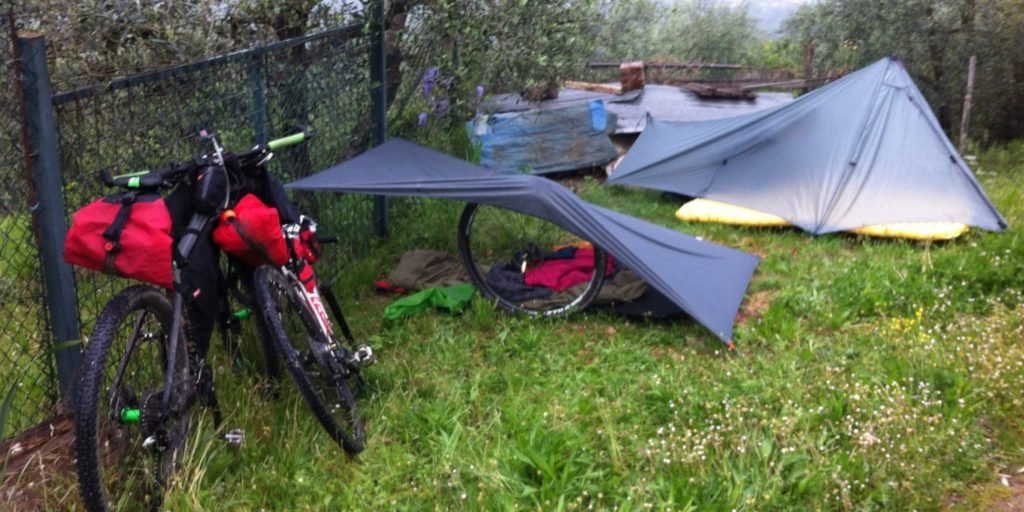
Rain can turn your bikepacking trip into a real challenge. But what if you knew exactly how to camp in the rain without losing comfort or safety?
Imagine staying dry, warm, and even enjoying the sounds of raindrops while resting after a long ride. In this guide, you’ll discover simple, practical tips that help you master wet weather camping. Whether you’re a beginner or a seasoned rider, these strategies will keep your gear protected and your spirits high.
Ready to turn rainy nights into a part of your adventure? Let’s dive in.
Credit: www.thule.com
Preparing For Rainy Bikepacking
Camping in the rain during bikepacking trips needs good planning. Rain can make your trip hard without the right gear and strategy.
Preparing well helps you stay dry and comfortable. It also keeps your gear safe from water damage.
Choosing Waterproof Gear
Pick gear that keeps water out and dries fast. Waterproof bags and tents protect your belongings and shelter you.
Look for rain covers for your bike bags. Use waterproof jackets and pants to stay dry while riding.
- Waterproof tent with a strong rainfly
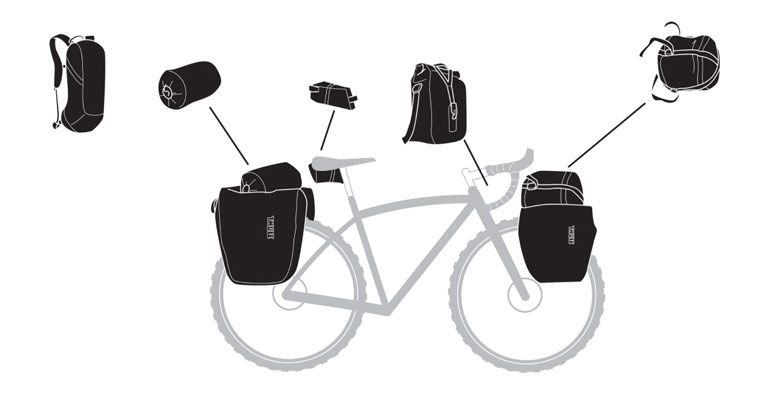
- Dry bags or waterproof panniers for storage
- Waterproof bike bag covers
- Water-resistant clothing like rain jackets and pants
- Quick-dry base layers
Packing Lightweight Rain Essentials
Carry only the rain gear you really need. Heavy gear makes biking harder and wastes space.
Choose light and compact items that fit easily in your bags. This helps you stay prepared without extra weight.
- Compact rain jacket and pants
- Small waterproof bag covers
- Quick-dry towel or cloth
- Waterproof stuff sacks for clothes
- Lightweight rain poncho (optional)
Planning Your Route With Weather In Mind
Check weather forecasts before you start your trip. Plan routes with shelter options nearby.
Avoid low areas that flood easily. Choose campsites with good drainage and natural cover if possible.
- Review daily weather updates
- Pick routes with easy access to shelter
- Avoid flood-prone or muddy trails
- Choose campsites on higher ground
- Have backup plans for bad weather

Credit: www.reddit.com
Setting Up Camp In Wet Conditions
Camping in the rain during bikepacking trips can be challenging. Setting up camp right helps keep you dry and safe.
Pay attention to your campsite and gear to avoid discomfort and damage from wet weather.
Selecting A Dry Campsite
Look for high ground to avoid water pooling around your tent. Avoid low spots and depressions where rainwater can collect.
Check for natural windbreaks like trees or bushes that can reduce rain impact. Clear away wet leaves and debris before pitching your tent.
- Choose level ground on a slight slope
- Avoid areas near streams or rivers
- Find spots with good natural cover
- Clear the area of wet leaves and sticks
Pitching A Tarp Or Tent
Set up your tarp or tent tightly to prevent water pooling on the surface. Use all the guy lines to secure your shelter firmly.
Angle the tarp so water runs off quickly. Make sure the tent rainfly is taut and covers all mesh panels to keep rain out.
- Use waterproof groundsheet under your tent
- Keep tent zippers closed during rain
- Pitch tarp with a steep slope for water runoff
- Secure all ropes and stakes firmly
Managing Mud And Water Drainage
Dig small trenches around your tent to divert water away. This helps stop mud from building up near your shelter.
Place a plastic sheet or mat at your tent entrance to keep mud off your gear and feet. Keep your camp organized to avoid stepping in wet areas.
- Dig shallow drainage ditches around tent perimeter
- Use ground mats to reduce mud tracking inside
- Store gear on dry surfaces or inside waterproof bags
- Keep shoes and wet clothes outside the tent
Staying Dry And Comfortable
Camping in the rain during bikepacking trips can be tough. Staying dry and comfortable is key to enjoying your adventure.
Proper planning and gear help you avoid wet clothes and cold nights. This guide covers how to stay protected in wet weather.
Clothing Layers And Rain Protection
Wear layers that keep water out but let sweat escape. Start with a moisture-wicking base layer to stay dry inside.
Add an insulating mid-layer for warmth. Use a waterproof outer layer with good breathability to block rain and wind.
- Choose waterproof jackets and pants with sealed seams
- Wear rain covers for your shoes or waterproof boots
- Use a hat or hood to protect your head
- Carry extra socks to change into if needed
Keeping Sleeping Gear Moisture-free
Keep your sleeping bag and mat dry by using waterproof stuff sacks. Store gear inside your tent or under a rain fly.
Always dry your sleeping gear during breaks if you can. Avoid placing your tent on low spots where water collects.
- Use a ground tarp under your tent for extra protection
- Seal sleeping bags in dry bags or plastic liners
- Air out gear in the morning sun
- Pack gear inside bike panniers with waterproof covers
Maintaining Warmth In Damp Weather
Wet weather can make you cold fast. Keep moving to stay warm before setting up camp.
Wear insulated layers and dry clothing at night. Use a sleeping bag rated for cold, damp conditions.
- Keep a warm hat and gloves handy
- Eat high-energy food to fuel your body heat
- Use a sleeping pad with good insulation
- Change out of wet clothes before sleeping
Cooking And Eating In The Rain
Cooking while bikepacking in the rain can be a challenge. Wet conditions make it hard to keep food dry and cook safely.
Good preparation helps you enjoy meals without stress. Here are tips on cooking and eating in the rain.
Using Covered Cooking Areas
Look for natural shelters like large trees or rock overhangs. These spots protect your stove and food from rain.
If no natural cover is available, bring a small tarp or tent fly. Set it up to create a dry cooking zone.
Choosing Quick And Easy Meals
Pick meals that cook fast to limit exposure to rain and cold. Simple foods save time and fuel.
- Instant oatmeal or cereal for breakfast
- Pre-cooked rice or pasta with sauce
- Dehydrated meals that only need hot water
- Wraps or sandwiches with ready-to-eat fillings
Protecting Food From Moisture
Keep food dry by storing it in sealed containers or waterproof bags. Wet food can spoil or become unsafe to eat.
| Storage Method | Benefit |
| Ziplock bags | Lightweight and airtight |
| Plastic containers | Rigid protection from crushing |
| Dry bags | Fully waterproof, ideal for heavy rain |
| Aluminum foil wrap | Quick and disposable barrier |
Bike Maintenance In Wet Weather
Bikepacking in the rain can be tough on your bike. Wet weather causes dirt and water to damage parts. Proper care keeps your bike working well and safe.
Knowing how to clean, protect, and ride safely in wet conditions helps you enjoy your trip. Focus on key bike maintenance tasks to avoid breakdowns.
Cleaning And Lubricating Chains
Rain makes bike chains dirty and rusty fast. Clean your chain after riding in wet weather to stop wear and tear. Use a gentle degreaser to remove mud and grime.
- Wipe off mud and dirt with a rag.
- Apply a bike-specific degreaser on the chain.
- Use a brush to scrub between chain links.
- Rinse lightly with water and dry completely.
- Apply wet-weather chain lubricant evenly.
- Wipe off extra lube to avoid attracting dirt.
Protecting Bike Components
Water can damage your bike’s parts if you don’t protect them. Focus on areas like bearings, brakes, and cables. Use covers and sprays to reduce water contact.
| Component | Protection Tips |
|---|---|
| Bearings | Keep sealed and apply waterproof grease regularly. |
| Brakes | Check pads and dry rims after wet rides. |
| Cables | Use cable oil and replace frayed cables quickly. |
| Frame | Wipe down and dry to prevent rust spots. |
Handling Slippery Trails Safely
Wet trails are slippery and need careful riding. Adjust your speed and balance to avoid falls. Choose the right tires and braking methods for wet conditions.
- Use wider tires with good tread for better grip.
- Brake gently and early to avoid skidding.
- Keep your weight centered and low on the bike.
- Look ahead to pick safe, dry lines on the trail.
- Practice smooth pedal strokes to keep traction.
Safety Tips For Rainy Bikepacking
Camping in the rain during bikepacking trips needs special care. Staying safe helps you enjoy your adventure without problems.
Wet weather can create risks, so prepare well and watch your surroundings closely. Use these tips to stay safe in the rain.
Monitoring Weather Changes
Check weather forecasts before and during your trip. Weather can change fast, so keep updated often.
Use a phone or a small weather radio to get alerts. Look at the sky for dark clouds or wind changes too.
- Check forecasts daily
- Use weather apps or radios
- Watch the sky for signs
Avoiding Flooded Or Hazardous Areas
Do not camp near rivers or low places that can flood quickly. Rain can cause water to rise fast and trap you.
Look for solid, high ground to set up your tent. Avoid steep slopes or loose rocks that can slide in rain.
- Choose high, flat camping spots
- Stay away from riverbanks and streams
- Avoid unstable ground and slopes
Emergency Preparedness
Bring a first aid kit and know how to use it. Keep extra dry clothes and food in waterproof bags.
Have a plan for quick shelter or evacuation if the weather gets worse. Tell someone your route and check in.
- Pack a first aid kit
- Store clothes and food dry
- Plan quick shelter or evacuation
- Inform someone of your trip plans

Credit: www.reddit.com
Frequently Asked Questions
How To Keep Gear Dry While Bikepacking In Rain?
Use waterproof bags and rain covers for all gear. Pack items in dry sacks and seal zippers tightly. Avoid exposing gear directly to rain to prevent moisture damage.
What Clothing Is Best For Rainy Bikepacking Trips?
Wear waterproof and breathable jackets and pants. Choose quick-drying base layers and moisture-wicking fabrics. Avoid cotton as it retains water and chills the body.
How To Set Up A Tent In Rainy Conditions?
Choose elevated, well-drained ground for tent setup. Use a rainfly and secure all guy lines tightly. Ensure tent floor is waterproof and use a footprint for extra protection.
How To Stay Warm When Camping In Rain On Bike Trips?
Layer clothing to trap heat and block wind. Keep dry by changing wet clothes promptly. Use insulated sleeping bags and pads for warmth during the night.
Conclusion
Camping in the rain can feel challenging. Yet, it adds adventure to bikepacking. Stay prepared with waterproof gear. Choose a good campsite to avoid flooding. Always pack extra clothes to stay warm. Cooking under a tarp keeps meals dry. Keep electronics safe from water.
Stay positive and embrace the rain’s beauty. With these tips, rainy bikepacking becomes more enjoyable. You’ll create lasting memories and stories to share. So, gear up and enjoy your rainy camping adventure.



